Welcome to a Healthier Smile Journey
This guide is designed to empower families with simple, evidence‑based habits that protect teeth and gums every day. By following clear, bite‑size recommendations you can reduce cavities, gum disease and bad breath while supporting overall health. The advice comes directly from dental hygienists and dentists who spend hours each week removing plaque and teaching patients the most effective techniques. Their frontline experience means the tips are practical, safe and tailored to real‑world challenges such as busy schedules, limited dexterity or chronic conditions. In the sections ahead you will find step‑by‑step guidance on brushing, flossing, mouth‑wash use, diet, water intake, toothbrush replacement, and when to seek professional care. Each recommendation is backed by reputable sources such as the American Dental Association, CDC and peer‑reviewed research, so you can trust the information and feel confident making lasting changes for a brighter, healthier smile for you and your family throughout life.
Build a Solid Daily Routine
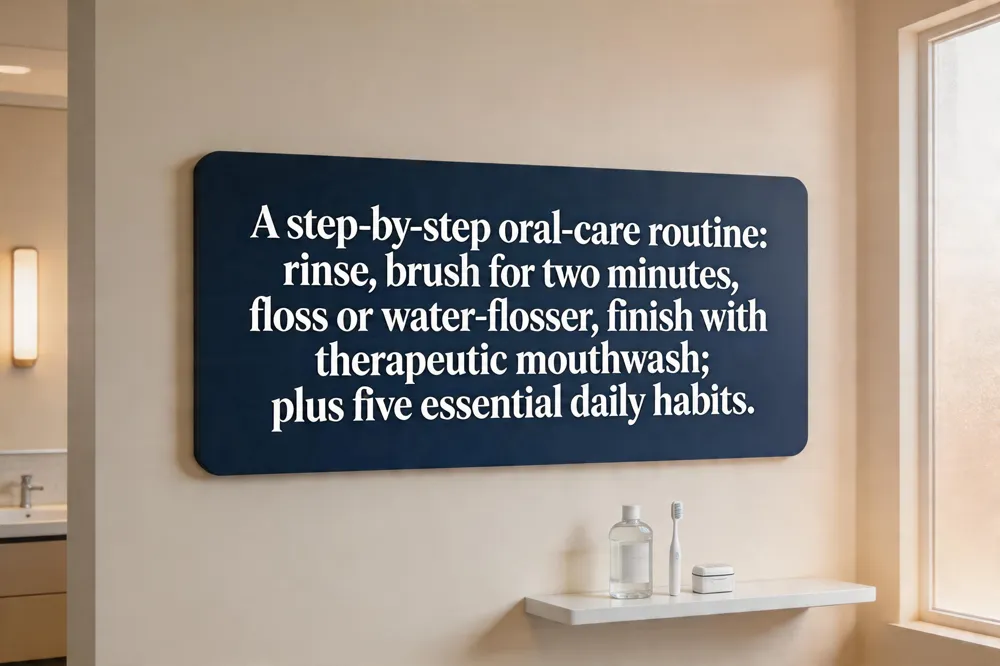 A solid oral‑care routine follows a simple order that maximizes protection. Begin by rinsing with water or an alcohol‑free antibacterial mouthwash to loosen debris and lower bacterial load. Brush for a full two minutes using a soft‑bristled brush, fluoride toothpaste, and gentle 45° circular motions that cover every tooth surface and the tongue. Follow with Floss or a water‑flosser, using a C‑shaped motion to clear plaque from between teeth and below the gum line. If desired, finish with a brief therapeutic mouthwash rinse for extra cavity and gum‑disease defense.
At home, remember these five essential habits: 1) Brush twice daily with a soft‑bristle, fluoride brush for two minutes; 2) Floss or use interdental cleaners every night; 3) Rinse with an antimicrobial or fluoride mouthwash; 4) Choose a tooth‑friendly diet rich in calcium, vitamin D, and water while limiting sugars and acids; 5) Visit the dentist for cleanings and exams at least twice a year. Consistent care keeps your smile healthy and your overall health protected.
Kids' Oral Health Foundations
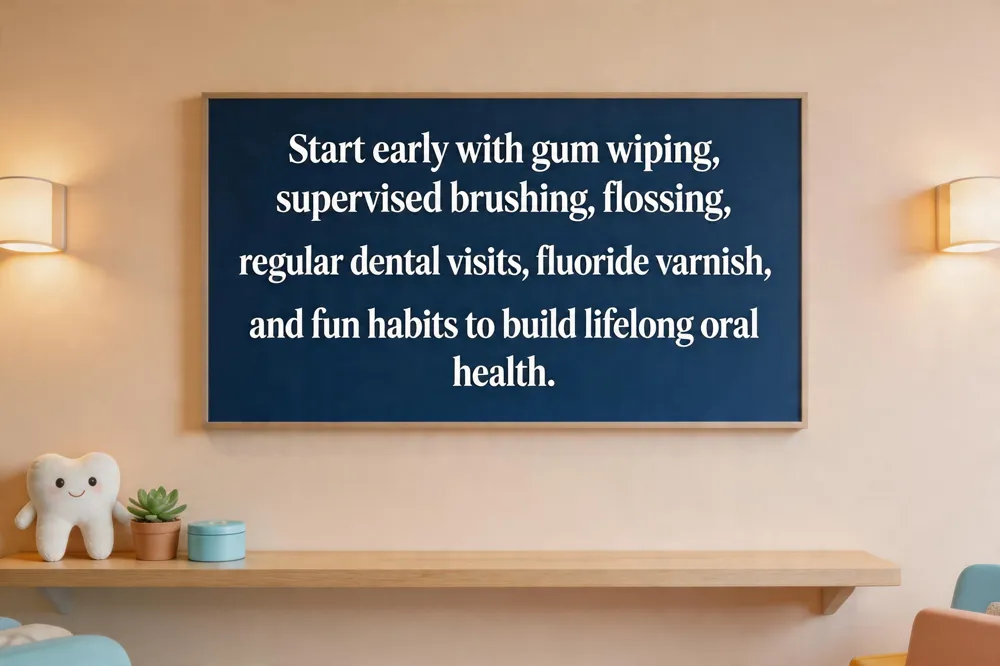 Oral health tips for children start the moment your baby is born. Wipe the infant’s gums with a soft, damp cloth to remove bacteria until the first teeth erupt. Once teeth appear, begin supervised brushing twice a day with a soft, small‑bristled toothbrush and a pea‑sized amount of fluoride toothpaste; parents should guide the child until they can brush effectively, usually around age 8. Schedule the first dental visit by the child's first birthday, and maintain regular six‑month check‑ups. During these visits the dentist can apply fluoride varnish and sealants to protect vulnerable enamel. Introduce flossing as soon as two teeth touch (about 8‑12 months) and make brushing fun with songs, timers, or sticker charts. Encourage a balanced diet low in sugary and starchy snacks and promote drinking fluoridated tap water to strengthen enamel. Monitor oral habits, address any injuries promptly, and keep the routine consistent to ensure a healthy, bright smile for life.
Strengthening Teeth Naturally
 How to keep your teeth healthy and strong
Eat a calcium‑rich, vitamin D‑packed diet—dairy, leafy greens, almonds, salmon, and unsweetened yogurt to reinforce enamel and support gums.
Brush twice daily with a soft‑bristle brush and fluoride toothpaste, using gentle circular motions at a 45° angle to the gum line, and clean the tongue.
Floss or use an interdental cleaner each day to remove plaque that a brush can’t reach; a water flosser is helpful for limited dexterity.
Limit sugary and acidic foods, stay well hydrated, and avoid tobacco.
How to keep teeth healthy naturally
Incorporate “dental superfoods” such as dark chocolate, strawberries, and green tea, which supply natural fluoride and antioxidants.
After meals, rinse with water or a diluted tea‑tree oil rinse (if approved by your dentist).
Oil‑pull with coconut oil and occasional use of a fluoride mouthwash can further lower bacterial load.
10 ways to keep your teeth healthy
- Brush twice a day for two minutes with fluoride toothpaste.
- Use a soft brush and replace it every 3‑4 months.
- Floss or water‑floss nightly.
- Finish with an antimicrobial mouth rinse.
- Choose calcium‑rich, low‑sugar snacks.
- Sip sugary drinks through a straw and rinse afterward.
- Drink plenty of fluoridated water.
- Quit tobacco.
- Replace toothbrush heads promptly after illness.
- Schedule professional cleanings and exams at least twice a year.
Professional Guidance & Cleanings
 Personalized oral‑care planning starts with proper home habits: brush twice daily with a soft‑bristle brush and fluoride toothpaste using gentle circular motions at a 45° angle to the gum line, floss or use interdental cleaners daily, and clean the tongue. Limit sugary foods, stay hydrated with fluoridated water, and avoid tobacco and excessive alcohol. Tailored dietary advice and saliva‑stimulating habits (e.g., sugar‑free gum) help prevent dry mouth, especially for patients on saliva‑reducing medications.
A risk‑based schedule of professional cleanings—often at least once a year, more often for those with diabetes, periodontal disease, or frequent cavities—allows early detection of problems and supports long‑term oral and overall health.
Managing Oral Health Without Frequent Visits
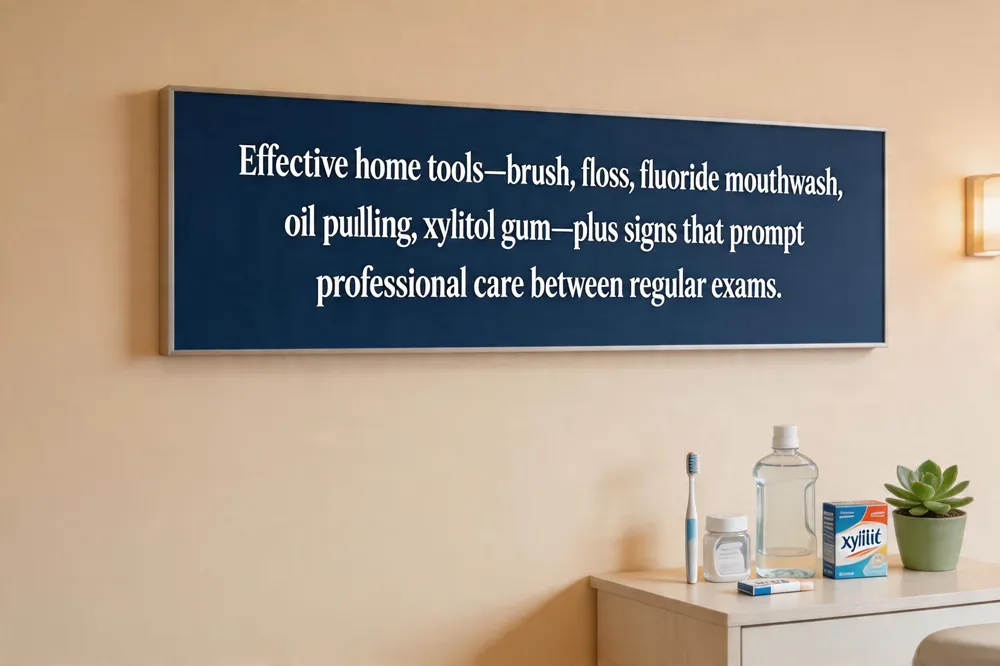 Effective home‑care tools: a brush used for two minutes twice at a 45° angle with fluoride toothpaste. Follow with flossing or a water‑flosser and an alcohol‑free fluoride mouthwash. Add oil pulling (sesame or coconut oil 15‑20 min) and sugar‑free xylitol gum after meals to boost saliva and neutralize acids.
See a professional when gums bleed, breath stays bad, or cavities appear; schedule a cleaning and exam at least a year to remove tartar, detect early decay, and receive advice.
How to take care of your teeth without going to the dentist – Keep routine, limit sugary and acidic foods, stay hydrated with water, and use a nightguard if you grind.
Dental tips and tricks – Use a timer, choose fluoride products, avoid tobacco and excess alcohol, and monitor health conditions that affect oral health.
Types of oral hygiene – Mechanical (brushing, flossing), chemical (antimicrobial or fluoride rinses), and professional (scaling, fluoride treatments, sealants) together protect teeth and gums.
Adult Oral Health & Systemic Connections
 Maintaining a healthy mouth is essential for overall well‑being. Adults should brush twice daily with a soft‑bristled toothbrush and fluoride toothpaste using a 45‑degree angle and gentle circular strokes for at least two minutes, and floss every day to clear plaque from between teeth and along the gum line. Limit sugary and acidic foods, stay hydrated with fluoridated water, chew sugar‑free gum after meals, and keep the mouth moist to counteract dry‑mouth side effects of medications. Avoid tobacco and excessive alcohol both of which raise the risk of gum disease, oral cancer, and systemic conditions such as cardiovascular disease. Chronic illnesses—especially diabetes—worsen gum health, so tighter blood‑sugar control and more frequent professional cleanings (at least twice a year) are recommended. Finally, receive the HPV vaccine to lower the chance of HPV‑related throat and oral cancers, reinforcing the link between oral hygiene and systemic health.
Your Smile, Our Commitment
Your ten insider tips are simple: brush twice daily for two minutes with a soft‑bristled fluoride brush, floss every day, use an alcohol‑free antibacterial mouthwash, limit sugary foods, drink fluoridated water, replace brushes quarterly, wear a mouthguard if needed, keep cleanings, watch for bleeding gums, and ask your dentist questions. Schedule a visit today and join our oral‑health partnership.