Why Preventive Dentistry Matters for Healthy Smiles
Understanding Preventive Dentistry
Preventive dentistry focuses on maintaining oral health through regular care, aiming to stop dental problems before they start. Simple daily habits such as brushing twice a day with fluoride toothpaste and flossing help remove plaque and bacteria.
How Oral Health Affects Overall Wellness
Good oral health is closely linked to overall health. Problems like gum disease can increase risks for heart disease, diabetes, and complications during pregnancy. Maintaining healthy teeth and gums supports your whole body's wellbeing.
Benefits of Consistent Oral Care
Regular dental visits, professional cleanings, and gentle daily hygiene routines prevent cavities and gum disease. Consistent care reduces the need for costly treatments, keeps your smile attractive, and supports fresh breath and comfort.
By embracing good oral hygiene and routine dental checkups, families can enjoy lasting healthy smiles and better overall health.
Key Facts on Oral Hygiene Best Practices
- Brushing twice daily with fluoride toothpaste removes plaque and strengthens enamel.
- Proper flossing prevents cavities and gum disease by cleaning between teeth where brushes can't reach.
- Using fluoride products and professional treatments fortifies enamel and helps reverse early decay.
- A balanced diet low in sugars and acids protects enamel and reduces cavities.
- Regular dental check-ups detect issues early and allow professional cleaning every six months.
- Mouthguards prevent dental injuries in sports and reduce damage from nighttime teeth grinding.
- Avoiding tobacco reduces risks of gum disease, oral cancer, staining, and dry mouth.
- Replacing toothbrushes every three to four months maintains effective cleaning and prevents bacteria buildup.
- Early oral hygiene education in children establishes lifelong healthy habits and prevents future dental issues.
- Managing lifestyle factors like stress, alcohol, and hydration minimizes damage such as teeth grinding and dry mouth.
1. Brush Twice Daily with Fluoride Toothpaste Using Proper Technique
Why Brush Twice Daily?
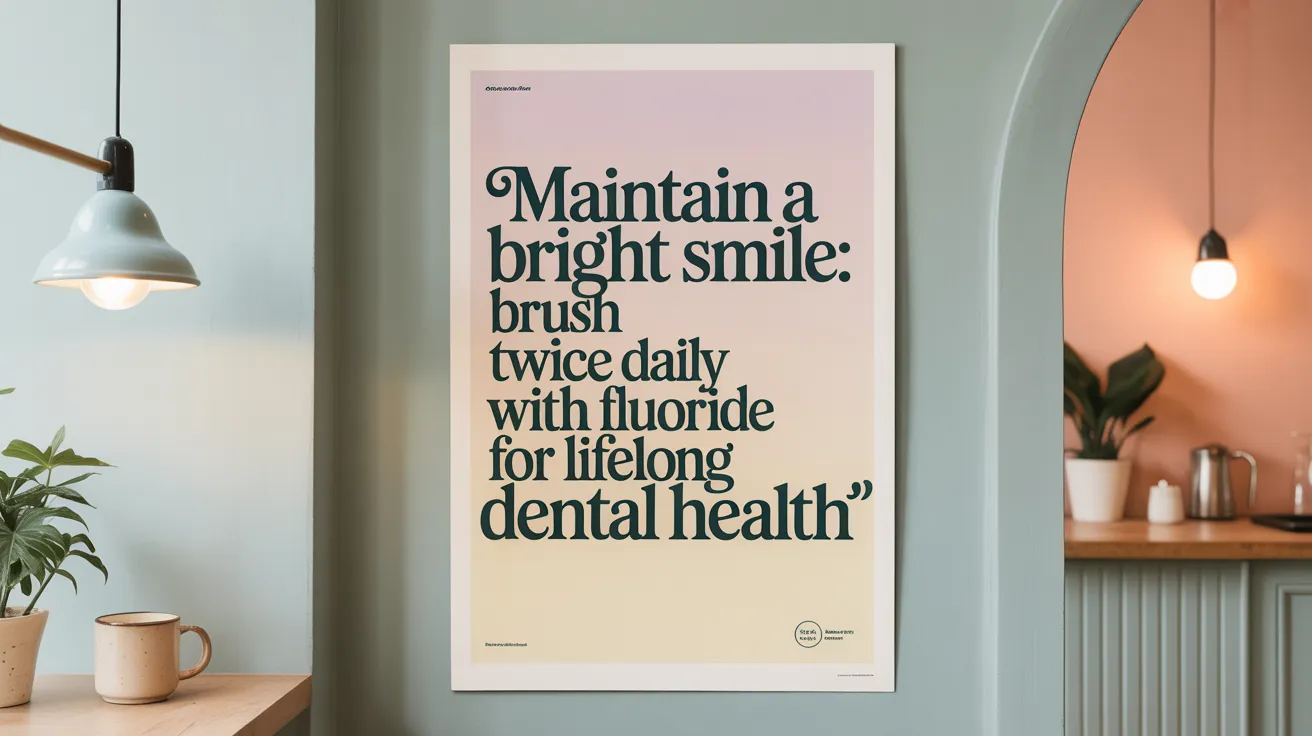
Brushing twice a day is fundamental for maintaining oral health. This routine helps remove Removing trapped food particles, a sticky bacterial film that causes cavities and gum disease. Ideally, brushing once in the morning and once before bedtime ensures that plaque buildup is minimized throughout the day.
Choosing the Right Toothbrush
Use a Using an electric or soft-bristled toothbrush for gentle yet effective cleaning. Soft bristles prevent damage to delicate gum tissue, while electric toothbrushes can provide superior plaque removal, especially for those with limited dexterity.
Benefits of Fluoride Toothpaste
Fluoride strengthens enamel, making teeth more resistant to decay and cavities. It also helps reverse early signs of decay. Using Fluoride toothpaste benefits twice daily is a proven protective measure.
Proper Brushing Technique
Hold your toothbrush at a 45-degree brushing angle. Use gentle, circular motions to clean all surfaces of each tooth, including the fronts, backs, and chewing surfaces. Don’t forget to Brushing the tongue for oral health to remove bacteria and freshen breath.
When to Replace Your Toothbrush
Replacing toothbrushes regularly or toothbrush head every three to four months or sooner if the bristles are frayed. Worn bristles reduce cleaning effectiveness and can harm gums.
Adopting these brushing habits supports lifelong dental health, prevents oral diseases, and contributes to overall well-being.
2. Floss Daily to Remove Plaque and Food Particles Between Teeth
Why Is Flossing Important?
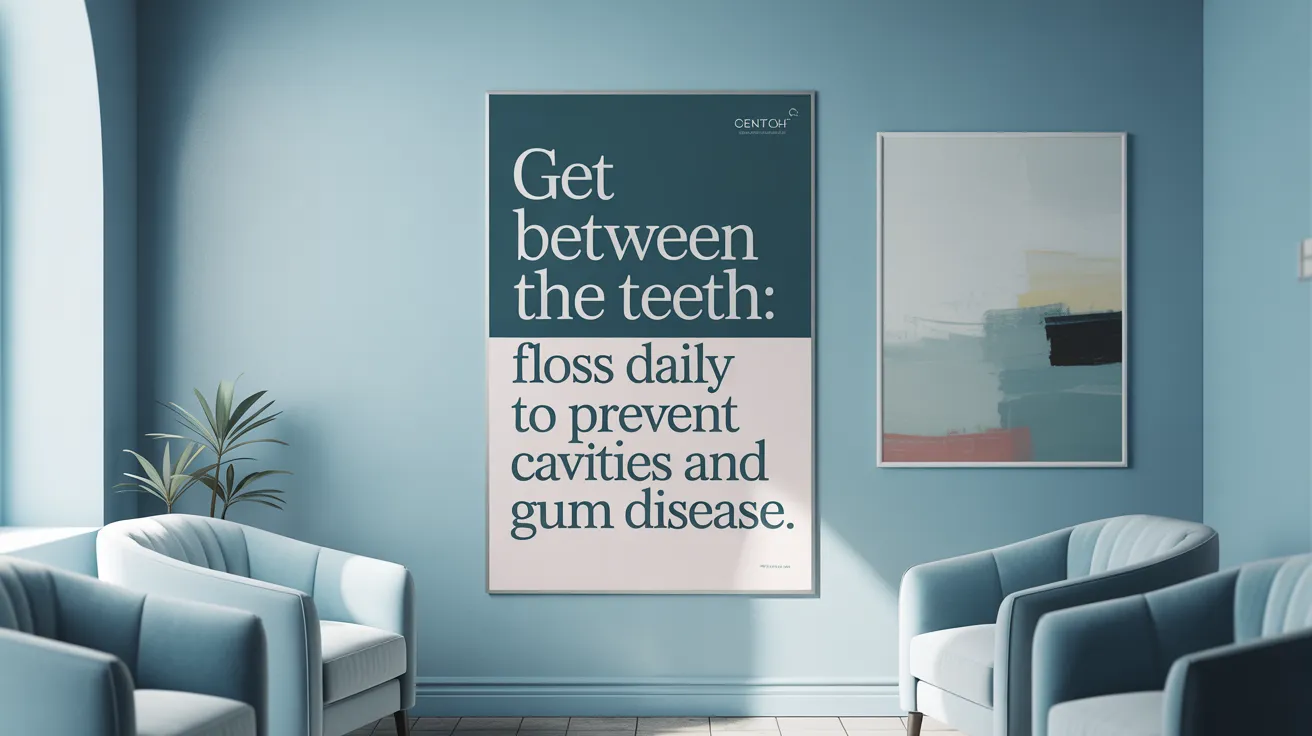
Flossing daily importance is essential because toothbrushes cannot reach the tight spaces between teeth where plaque and food particles often get trapped.
Removing this debris prevents the buildup of plaque that causes cavities and gum disease.
Over time, skipping flossing can lead to gingivitis and more severe periodontal problems.
How to Floss Properly
Use about 18 inches of floss, winding most around your middle fingers.
Gently slide the floss between your teeth, wrapping it in a C-shape around each tooth.
Move the floss up and down to clean both sides without snapping it harshly to avoid injuring gums.
Don't forget to floss behind your back teeth.
Alternatives for Effective Cleaning
If traditional floss is difficult to use, alternatives like water flossers or floss picks can offer convenient and effective plaque removal.
Water flossers use a stream of water to flush plaque and debris, especially helpful for people with braces or limited dexterity.
Floss picks provide an easier grip for some users, ensuring consistent flossing habits.
Benefits for Gum Health and Cavity Prevention
Regular flossing removes plaque that harbors bacteria harmful to gum tissue.
This reduces inflammation, bleeding, and the risk of gum infections.
By cleaning interdental areas, flossing also lowers the chance of developing cavities between teeth.
Maintaining flossing as part of your daily routine promotes healthier gums and a stronger, cavity-free smile.
3. Incorporate Fluoride Treatments and Use Fluoride Products
Why Use Fluoride Toothpaste and Mouthwash?
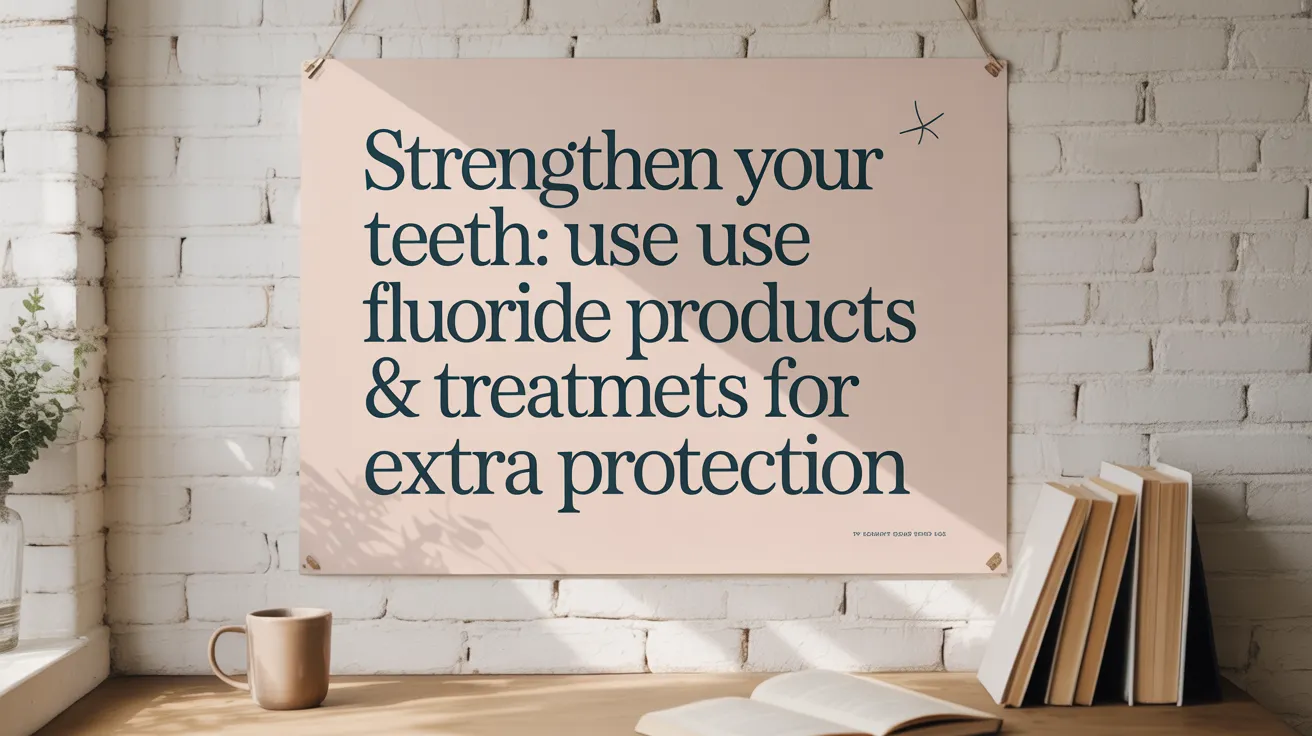
Using fluoride toothpaste benefits twice daily is fundamental in preventing cavities and strengthening tooth enamel. A using fluoride mouthwash can provide additional protection, especially when it contains the American Dental Association Seal of Acceptance, ensuring safety and effectiveness.
Professional Fluoride Treatments
Dentists often apply fluoride treatments during checkups to reinforce enamel and help reverse early decay. These treatments are especially beneficial for individuals who are at higher risk of cavities due to factors like dry mouth or medications.
How Fluoride Strengthens Enamel and Prevents Cavities
Fluoride strengthens enamel aids in remineralizing weakened enamel, making it more resistant to acid attacks from plaque bacteria and sugary foods. This protective effect reduces the likelihood of cavities forming and supports long-term oral health and overall health.
Avoid Rinsing Right After Brushing
It is recommended not to rinse the mouth immediately after brushing teeth twice daily to allow fluoride to remain on the teeth longer, maximizing its protective benefits.
Fluoride Benefits for Those at Higher Risk
High-risk individuals, such as older adults, children prone to cavities, or those with dry mouth, gain extra protection from fluoride. Using fluoride toothpaste, mouth rinses, and professional applications can significantly lower their risk of dental decay and improve overall oral health tips for adults.
4. Maintain a Balanced, Tooth-Friendly Diet and Limit Sugary and Acidic Foods

How do sugar and acid impact enamel erosion and cavities?
Sugary and acidic foods and drinks contribute significantly to enamel erosion and cavity formation. Sugar fuels harmful bacteria in the mouth that produce acids, breaking down tooth enamel and leading to decay. Acidic foods and beverages directly wear down enamel, making teeth more vulnerable to damage.
What are recommended tooth-friendly foods?
Eating tooth-friendly foods supports oral health by strengthening teeth and balancing pH in the mouth. Dairy products like cheese and yogurt provide calcium and help neutralize acid. Leafy greens are rich in vitamins and minerals essential for gum and tooth health. Nuts supply healthy fats and nutrients that contribute to strong teeth.
How does hydration, especially with fluoridated water, benefit oral health?
Drinking plenty of water helps wash away food particles and bacteria, reducing the risk of decay and plaque buildup. Fluoridated tap water offers additional protection by strengthening enamel. Staying hydrated also promotes saliva production, which naturally cleanses the mouth and neutralizes acids.
How does diet affect saliva production and oral bacteria?
A balanced diet that limits sugar and acid supports healthy saliva flow. Saliva is crucial as it buffers oral acids and contains antibacterial agents that help control harmful bacteria, reducing infection risks.
Why use straws with acidic drinks?
Using a straw reduces the contact of acidic beverages with teeth, minimizing enamel erosion and cavity risk. Sipping through a straw directs liquids past teeth, lessening direct acid exposure.
By maintaining a diet rich in tooth-friendly foods and low in sugary and acidic items, along with proper hydration, you can significantly protect your enamel and support overall oral health.
5. Attend Regular Dental Check-ups and Professional Cleanings Every Six Months

Why Are Biannual Dental Visits Important?
Visiting your dentist every six months is crucial for maintaining optimal oral health. These routine dental check-ups allow for the early identification and prevention of dental problems before they become severe or costly to treat.
Professional Plaque and Tartar Removal
Even with good home care, plaque and tartar can build up in hard-to-reach areas. Professional dental cleanings remove these deposits effectively, reducing the risk of cavities and gum disease.
Early Detection of Oral Health Issues
Routine exams help spot early signs of oral health problems such as cavities, gum inflammation, and oral cancer. Early detection dramatically improves treatment success and can even save lives.
Personalized Care and Risk Assessment
Dentists provide individualized advice tailored to your specific needs and risk factors like age, smoking, or chronic conditions. This personalized approach helps optimize your oral health strategy.
Advanced Diagnostic Tools
Modern dental offices use digital X-rays and other imaging technologies during visits. These tools reveal hidden issues beneath the surface, such as bone loss or deep decay, enabling timely and precise care.
Scheduling regular dental visits combined with professional cleanings is foundational to preserving your smile and supporting overall health.
6. Use Mouthguards During Sports and Nighttime to Protect Teeth from Damage
Why are mouthguards important for contact sports injury prevention?
Mouthguards act as a protective barrier, reducing the risk of dental injuries such as chipped or broken teeth during physical activities. Contact sports like football, basketball, and soccer involve significant impacts to the face, making mouthguards essential to prevent trauma.
What are the advantages of custom-fitted mouthguards by dentists?
Custom-fitted mouthguards are tailored specifically to the wearer's teeth, ensuring superior comfort and protection. They provide better fit and durability compared to over-the-counter options, which improves compliance and effectiveness in preventing injuries.
How do nightguards help with bruxism and teeth grinding?
Nightguards are designed to prevent damage caused by teeth grinding and clenching during sleep. They cushion the teeth, reducing enamel wear and minimizing fractures, jaw pain, and muscle discomfort associated with bruxism.
What dental issues do mouthguards prevent?
Besides protecting against dental trauma from sports, mouthguards prevent enamel erosion, tooth fractures, and reduce the risk of temporomandibular joint (TMJ) pain by absorbing repetitive forces.
Who should wear mouthguards?
Mouthguards are recommended for children and adults engaged in physical activities or sports, as well as individuals who grind their teeth at night. Using appropriate guards helps maintain dental health and prevent costly repairs.
Using mouthguards consistently during sports and at night supports preventive dentistry by safeguarding teeth and promoting long-term oral health.
7. Avoid Tobacco Products to Reduce Risk of Gum Disease, Oral Cancer, and Staining
Impact of Smoking on Oral Health
Smoking and use of tobacco products significantly harm your mouth. They cause stained teeth and gum irritation, contributing to poor oral hygiene outcomes. Tobacco use also increases the buildup of plaque and tartar on teeth, leading to more cavities and infections.
Gum Disease and Cancer Risks From Tobacco Use
Tobacco users face a higher risk of gum disease (periodontitis), which can lead to tooth loss if untreated. Additionally, tobacco is a leading cause of oral cancers affecting the mouth, tongue, and throat. Avoiding tobacco reduces the chances of developing these serious and potentially life-threatening conditions. For more on this, see Risks of tobacco use on oral health.
Effects on Saliva Reduction and Enamel Erosion
Tobacco decreases saliva flow, causing dry mouth causes and management, which impairs the natural protective barrier of the mouth. Dry mouth raises chances of enamel erosion and bacterial infections. Tobacco-induced dry mouth worsens decay and can cause discomfort while eating or speaking.
Benefits of Quitting Tobacco
Quitting smoking for oral health improves oral health by reversing staining, lowering gum disease risks, and reducing oral cancer chances. It also improves saliva production, helping maintain a healthier mouth environment. Dental professionals offer resources and support to help quit tobacco and improve long-term oral wellness.
Tobacco-Related Oral Health Statistics
- Smoking is strongly linked to increased gum disease and tooth loss.
- Tobacco users have significantly higher rates of oral cancer compared to non-users.
- More than 40% of adults report dental pain annually, which tobacco use can worsen.
Avoiding tobacco products for oral health is one of the most effective choices to protect and enhance your oral health throughout life.
8. Replace Your Toothbrush Every Three to Four Months or When Bristles Fray
Why is it Important to Maintain Effective Toothbrush Bristles?
Keeping your toothbrush in good condition is essential for cleaning your teeth effectively. New, sturdy bristles remove plaque, food particles, and bacteria efficiently to prevent cavities and gum disease.
How Do Worn or Frayed Bristles Affect Cleaning?
When bristles become worn or frayed, they lose their ability to reach between teeth and along the gumline properly. This can allow plaque buildup and increase the risk of oral health problems like gingivitis causes and reversal and tooth decay (Importance of dental checkups).
How Often Should You Replace Your Toothbrush?
Experts recommend replacing your toothbrush every three to four months. If you notice the bristles are splayed, bent, or frayed earlier, it's best to replace it sooner to maintain effective cleaning (when to replace toothbrush.
Can Powered Toothbrushes Help?
Powered toothbrushes have been shown to remove plaque as effectively—or sometimes better—than manual brushes, especially for people with limited dexterity (Electric toothbrush advantages). However, even powered brush heads should be replaced regularly as recommended by the manufacturer.
Signs That You Need a New Toothbrush:
- Bristles look frayed or bent
- Bristles no longer feel firm
- After an illness, to avoid reinfection
- Every 3-4 months as a routine measure (Replacing toothbrushes regularly)
Keeping your toothbrush fresh ensures you maintain optimal oral hygiene and helps protect your teeth and gums for a healthy smile.
9. Maintain Proper Oral Hygiene Habits for All Life Stages
Why Is Early Oral Hygiene Education Important for Children?
Starting oral hygiene early helps children build strong habits that protect their teeth for life. Parents and caregivers should begin cleaning a child's gums even before teeth appear and introduce brushing with fluoride toothpaste as soon as the first tooth emerges. Teaching children to brush twice a day and floss daily, with support, encourages healthy gums and prevents cavities.
How Do Adults and Seniors Adapt Their Oral Care?
As adults age, changes such as gum recession, reduced saliva flow, and difficulties with brushing or flossing may require special attention. Adults should maintain regular dental visits every six months for cleanings and oral health checks. For seniors, using electric toothbrushes or floss holders can help manage physical limitations. Maintaining a balanced diet and staying hydrated also supports oral health in later years.
How to Manage Dry Mouth and Physical Limitations?
Dry mouth, common with certain medications or aging, can increase risk of decay and infection. Sipping water regularly, chewing sugar-free gum, and avoiding tobacco and alcohol can alleviate symptoms. Those with arthritis or limited hand mobility might benefit from adaptive devices like electric toothbrushes or floss aids to maintain effective cleaning.
Why Is Oral Hygiene Important During Pregnancy?
Pregnancy increases the risk for gum disease and cavities, which can affect both mother and baby's health. Expectant mothers should maintain diligent brushing and flossing routines and schedule dental checkups to prevent gum inflammation and tooth decay.
What Special Care Do Denture Wearers and Seniors Need?
Dentures require daily cleaning and soaking to prevent infections and discomfort. Seniors should regularly consult dental professionals for denture adjustments and personalized hygiene advice, ensuring comfort and oral health, as outlined in oral care guidelines for older adults.
Maintaining proper oral hygiene through every life stage supports not only a healthy smile but also overall wellness, reinforcing the importance of consistent care, tailored adaptations, and professional guidance.
10. Manage Lifestyle Factors That Affect Oral Health Including Stress, Alcohol, and Hydration
How Does Stress Reduction Help Prevent Teeth Grinding?
Stress is a common trigger for bruxism, or teeth grinding, which can wear down enamel, cause jaw pain, and lead to cracked teeth. Incorporating stress-reducing activities such as meditation, regular exercise, and adequate sleep can lessen grinding. Additionally, dentists may recommend wearing a mouthguard during sports to protect teeth during sleep if grinding persists.
Why Should Alcohol Consumption Be Limited?
Limiting alcohol intake helps maintain oral health by reducing dry mouth, a condition that decreases saliva and increases cavity risk. Alcohol also raises the risk of oral cancers and can harm gum tissues. Choosing water over alcoholic drinks and moderating consumption supports healthier gums and teeth. See more on limiting alcohol for a healthy smile.
How Does Hydration Benefit Oral Health?
Staying well-hydrated is crucial as saliva plays a vital role in washing away food particles, neutralizing acids, and protecting enamel. Drinking fluoridated tap water benefits can boost this protective effect. Hydration also combats dry mouth, lowering the chances of tooth decay and gum irritation.
What Is the Role of a Healthy Lifestyle in Maintaining Tooth and Gum Health?
A balanced lifestyle that includes nutritious foods, limited sugary snacks, avoidance of tobacco, and proper oral hygiene strengthens teeth and gums. Managing systemic conditions such as diabetes impact on oral health through a healthy lifestyle also supports better oral health outcomes.
How Can Sugar-Free Gum Help Promote Saliva and Oral Protection?
Chewing sugar-free gum increases saliva flow, which naturally cleanses the mouth and neutralizes harmful acids. Regularly using sugar-free gum, especially after meals, complements brushing and helps maintain a moist environment conducive to enamel protection. Learn more about reducing sugar intake.
Incorporating these lifestyle practices alongside daily brushing and flossing, and regular dental visits fosters a resilient, healthy smile and supports overall oral wellness.
Building Lifelong Habits for a Healthy Smile
Preventive Dentistry Habits
Maintaining a healthy smile starts with key daily practices: brushing twice a day with fluoride toothpaste, flossing once daily, and using an antibacterial mouthwash when appropriate. Limiting sugary and acidic foods while staying hydrated with fluoridated water supports enamel strength and reduces decay risk. Wearing mouthguards during sports and replacing toothbrushes every 3-4 months are also integral preventive steps.
Consistency and Professional Care
Being consistent with your oral hygiene routine and visiting the dentist regularly—typically every six months—allows early detection and treatment of problems. Dental professionals can provide tailored advice, fluoride treatments, and cleanings that help maintain oral health over time.
Long-term Benefits
Building and sustaining good oral care habits not only preserves natural teeth but also reduces the risk of gum disease, cavities, and oral cancer. Moreover, good oral health positively influences overall wellness by lowering risks for conditions like heart disease and diabetes, enhancing quality of life throughout all ages.