Introduction
Preventive dentistry is the cornerstone of long‑term oral health and a practical way to keep dental costs down. By stopping plaque buildup, early decay, and gum inflammation before they become serious problems, routine care saves families from expensive fillings, crowns, and surgeries. Daily habits—brushing twice with fluoride toothpaste, flossing, and limiting sugary foods—create a protective barrier that reduces the need for professional intervention. This article walks you through evidence‑based, cost‑saving strategies, from home hygiene tips to smart use of dental savings plans, so you can protect your smile and your wallet without compromising quality care.
Why Oral Hygiene Matters: Health and Financial Benefits
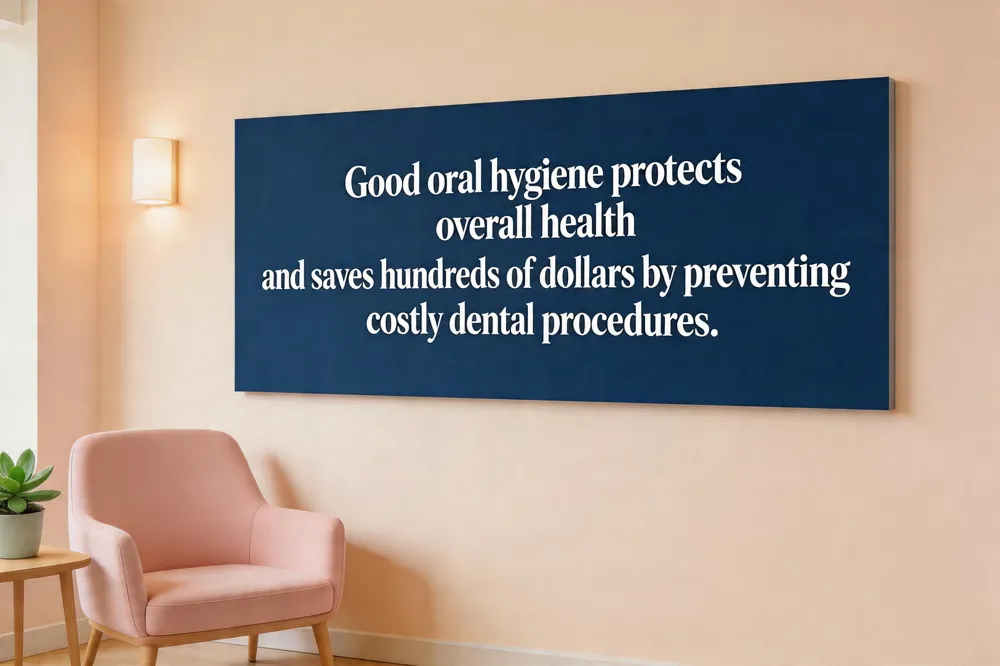 Good oral hygiene is the cornerstone of a healthy smile and overall well‑being. Brushing twice a day with fluoride toothpaste and flossing daily removes plaque, the sticky film that fuels cavities, gum disease, and bad breath. When plaque is kept under control, the risk of serious systemic conditions—such as heart disease, stroke, diabetes, and respiratory infections—is sharply reduced. A clean mouth also supports pregnancy health, lowering the chance of low‑birth‑weight and preterm delivery.
Healthy teeth look smooth and white, while healthy gums are pink, firm, and bleed‑free. Achieving this state requires a soft‑bristle brush, gentle circular motions, daily interdental cleaning, and a balanced low‑sugar diet. Regular professional cleanings and exams every six months catch early signs of decay or gum inflammation, allowing simple interventions like fluoride varnish instead of costly crowns, root canals, or extractions.
Practical tips for adults include limiting acidic drinks, staying hydrated, using an alcohol‑free antibacterial mouthwash, and quitting tobacco. By following these habits, families not only protect their smiles but also save hundreds of dollars each year on expensive dental procedures.
Everyday Habits that Keep Your Teeth Healthy
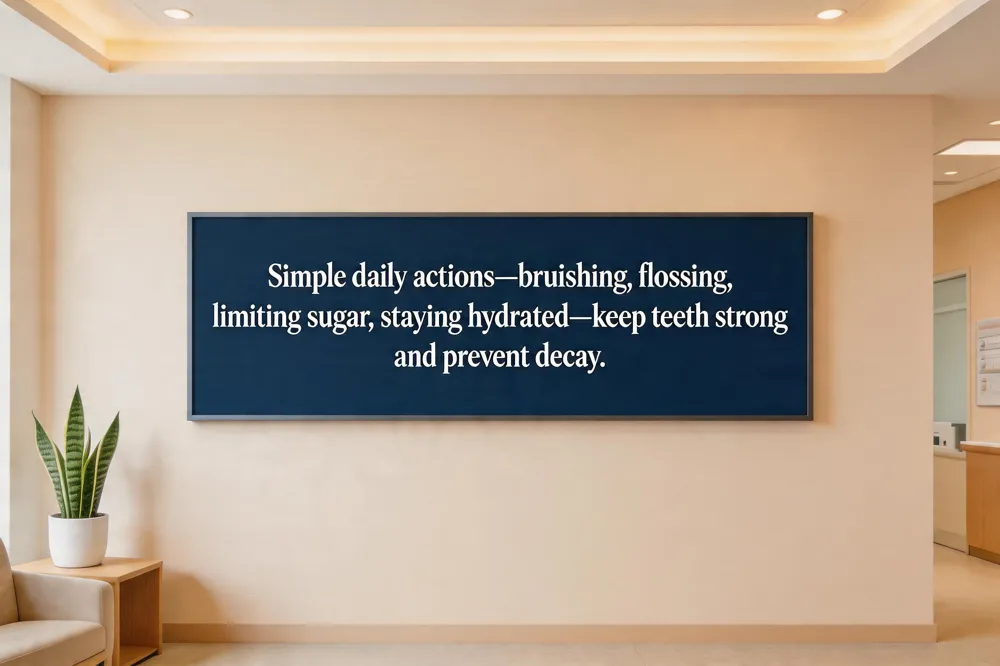 10 Ways to Keep Your Teeth Healthy
- Brush twice daily with a fluoride (or nano‑hydroxyapatite) toothpaste using a soft‑bristled brush and gentle circular motions along the gum line.
- Floss or use a water flosser every day and finish with an antimicrobial mouthwash.
- Limit sugary and acidic foods and drinks; choose calcium‑rich snacks and rinse with water after indulgences.
- Stay hydrated, replace your toothbrush every 3‑4 months, and avoid tobacco.
- Visit Dr. Parrella’s office for regular cleanings and exams; wear a mouthguard during sports.
Teeth Care Tips at Home Brush for at least two minutes, paying special attention to the gum line and tongue. Floss or use an interdental cleaner daily, then rinse with a fluoride mouthwash. Keep snacking low‑sugar, eat calcium‑rich foods, and replace your brush when bristles fray. Schedule routine dental check‑ups to catch early problems.
How to Keep Teeth Healthy Naturally Follow the same brushing and flossing routine, add tongue cleaning, and support enamel with a diet rich in leafy greens, almonds, cheese, and fatty fish. Stay well‑hydrated, consider brief oil‑pulling, and eliminate refined sugars, tobacco, and excess alcohol. Regular professional cleanings provide early detection.
Oral Hygiene Routine Order Start with a quick rinse, then floss or water‑floss, brush for two minutes with fluoride toothpaste, use an alcohol‑free therapeutic mouthwash, and finish with a tongue scrape or final fluoride rinse if recommended.
Building the Most Effective Oral Hygiene Routine
 A solid oral‑hygiene regimen protects teeth, gums, and even overall health while saving money on future dental work. What is the most effective oral hygiene routine? Brush twice a day with a fluoride toothpaste, angling soft‑bristled bristles toward the gum line, and replace the brush every three to four months. Floss or use an interdental cleaner daily to reach spaces a brush misses, then finish with an alcohol‑free antimicrobial mouthwash and a quick tongue scrape. Disclosing tablets can help you spot missed plaque. Best oral hygiene products include a soft‑bristled electric or manual brush, an ADA‑approved fluoride toothpaste (e.g., Colgate Total), daily floss or interdental brushes (such as Plackers Micro‑Line), an alcohol‑free mouthwash like TheraBreath, and a tongue scraper. Vitamins for strong teeth are vitamin D, calcium, phosphorus, vitamin K2, vitamin A, vitamin C, and B‑vitamins, found in dairy, leafy greens, fortified foods, fatty fish, eggs, citrus, and nuts. Types of oral hygiene fall into four groups: basic (brushing + flossing), therapeutic (antimicrobial rinses or prescription fluoride), preventive (sealants, professional cleanings, routine exams), and restorative (care for fillings, crowns, and implants). Together, these habits keep your smile healthy and your dental bills low.
Saving Money on Dental Care: Discounts, Plans, and Charities
 Regular preventive visits are the foundation of cost‑effective dental health, and several options can further lower out‑of‑pocket expenses.
Best free dental discount card – Many practices, including local Somerville offices, issue free cards that cut 10‑20 % off cleanings, X‑rays and simple fillings. National programs such as Careington’s Dental Savings Club also provide modest discounts without premiums or deductibles.
Best dental discount plan – For families seeking deeper savings, a paid membership like Careington, Dental Savings Club, or a practice‑based plan (e.g., Dr. Parrella’s) typically offers 15‑30 % off preventive work and 25‑40 % on crowns, bridges or orthodontics, with no waiting periods. Compare annual fees, discount percentages and network size to choose the best fit.
Charities that help with dental costs – Organizations such as the Dental Lifeline Network, National Dental Foundation, Smile Train, America’s Tooth Fairy, and local community health centers provide free or sliding‑scale care for low‑income families and children.
Saving money without insurance – Use cash‑pay discounts, flexible payment plans, or “no‑insurance” days at your dentist. Explore sliding‑scale fees at federally qualified health centers, dental‑school clinics, and nonprofit events like Mission of Mercy.
Cheapest way to get dental care – Combine a low‑cost membership or cash‑discount plan with community resources (sliding‑scale clinics, dental schools, charitable screenings). For eligible children, Medicaid/CHIP or ACA dental plans offer comprehensive coverage at minimal cost. These strategies together can keep your family’s oral health strong while protecting your budget.
Special Considerations: Seniors, Low‑Income Adults, and Everyday Scenarios
 How to save money on dental care for seniors
Take advantage of Medicare Advantage plans that include dental benefits and check state Medicaid programs for adult dental coverage. Low‑cost options such as dental schools, community health centers, and senior‑focused discount programs (AARP dental plans, United Way referrals, local senior organization clubs) offer reduced fees for cleanings and exams. Resources like Toothwisdom.org, the Eldercare Locator, and dental lifeline networks can connect you with free or subsidized services. Early, regular check‑ups catch problems before they become expensive, and many dentists offer payment plans or bundled‑service discounts.
How to save money on dental care for seniors
Take advantage of Medicare Advantage plans that include dental benefits and check state Medicaid programs for adult dental coverage. Low‑cost options such as dental schools, community health centers, and senior‑focused discount programs (AARP dental plans, United Way referrals, local senior organization clubs) offer reduced fees for cleanings and exams. Resources like Toothwisdom.org, the Eldercare Locator, and dental lifeline networks can connect you with free or subsidized services. Early, regular check‑ups catch problems before they become expensive, and many dentists offer payment plans or bundled‑service discounts.
Free dental work for low‑income adults Low‑income adults may qualify for free or sliding‑scale care through Medicaid, state health‑department clinics, or volunteer programs such as the Dental Lifeline Network’s Donated Dental Services (DDS). Dental schools (e.g., Harvard School of Dental Medicine) and Federally Qualified Health Centers provide supervised student treatment at minimal cost. Community events like Mission of Mercy or Give Kids A Smile also offer free screenings. Use the ADA’s “Find‑A‑Dentist” tool, 211.org, or your state’s health‑care marketplace to locate nearby resources.
Can I kiss my boyfriend if he has cavities? Kissing someone with untreated cavities can transfer cavity‑causing bacteria, but you won’t instantly develop a hole. Your risk depends on your oral‑hygiene habits. If both partners brush twice daily with fluoride toothpaste, floss, and limit sugary foods, the likelihood of new decay is low. Encourage your boyfriend to get professional treatment promptly to eliminate the bacterial source, then enjoy kissing while maintaining good dental care.
The Preventive Dentistry Advantage – Science, Community, and Dr. Parrella’s Practice
 Preventive dentistry is a proven money‑saving strategy. Regular cleanings and exams every six months remove plaque before it hardens into tartar, cutting the risk of cavities that would otherwise require fillings, crowns or root canals. Early detection of gingivitis or early‑stage decay allows simple interventions—professional fluoride varnishes, sealants, or a brief course of antibiotics—rather than costly periodontal surgery or extensive restorative work. Fluoride treatments, whether in‑office varnish or a daily fluoride toothpaste, strengthen enamel and can reverse early lesions, while dental sealants on molar pits reduce cavity formation by up to 80 %. Routine oral‑cancer screenings during check‑ups catch lesions at a stage when treatment is less invasive and far less expensive. Dr. Parrella’s office embraces this evidence‑based approach, offering biannual exams, fluoride applications, sealants and cancer screenings at a community‑focused practice that also provides affordable dental‑savings plans. By partnering with families to maintain daily brushing, flossing, a low‑sugar diet, Dr. Parrella helps patients avoid painful disease, preserve natural teeth and keep long‑term dental costs low.
Conclusion
Keeping your family’s smiles healthy is simple when you follow five core habits: brush twice daily with fluoride toothpaste, floss every day, limit sugary and acidic foods, visit the dentist for cleanings and exams every six months, and use a fluoride mouthwash or professional treatment. These practices not only lower the risk of cavities, gum disease, and oral cancer but also reduce costly restorative work and overall medical expenses. Take the first step toward lasting oral health—schedule a preventive appointment with Dr. Parrella today now.