Why Regular Dental Visits Matter
Overview of Importance of Dental Exams and Cleanings
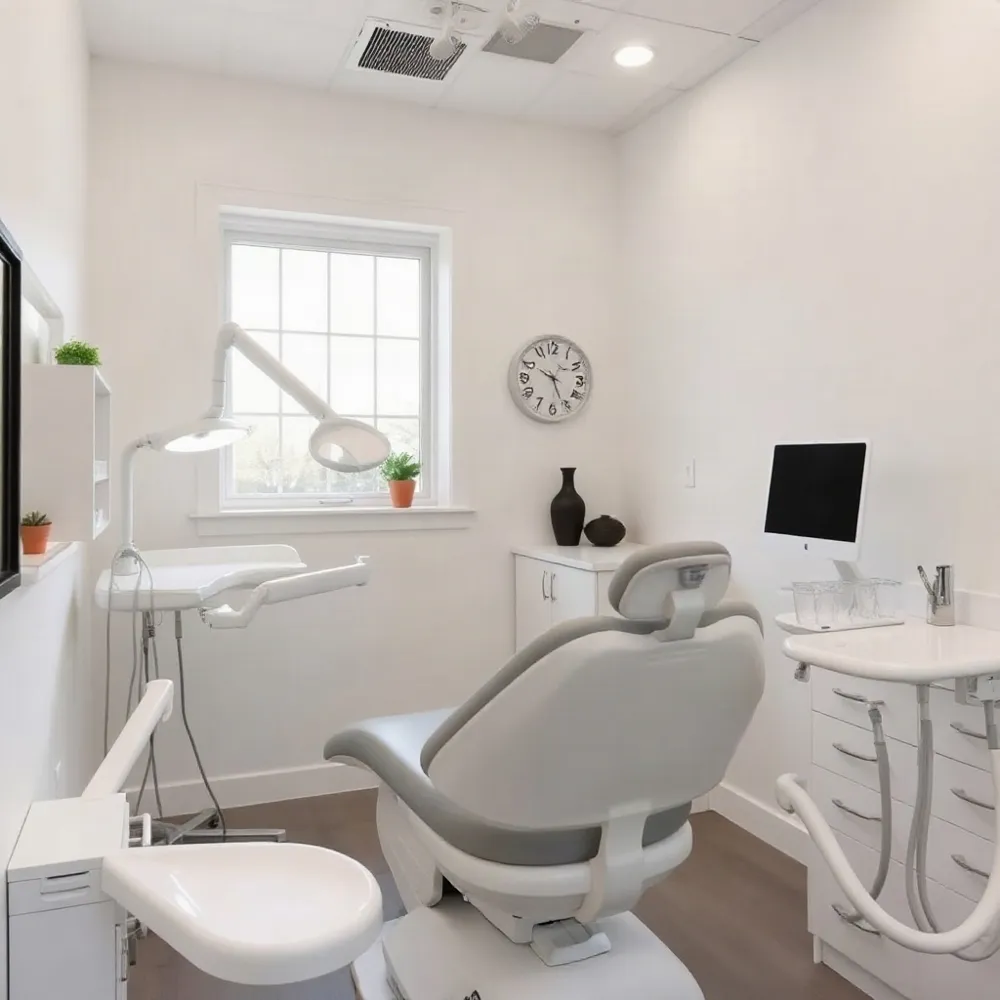
Regular dental exams and cleanings are essential for maintaining healthy teeth and gums. They help remove plaque and tartar buildup that cannot be eliminated by brushing and flossing alone, preventing cavities, gum disease, and tooth decay.
Connection Between Oral Health and Overall Health
Good oral health is closely linked to overall health. Gum disease and oral infections are associated with serious conditions like diabetes, heart disease, stroke, and pregnancy complications. Keeping the mouth healthy helps reduce the risk of these systemic issues.
Role of Routine Dental Care in Preventing Complex Dental Issues
Routine visits enable early detection of problems such as cavities, inflamed gums, or oral cancer before symptoms appear. Early intervention often means simpler treatments, saving time, discomfort, and money. Regular care also maintains dental restorations and helps ensure a bright, confident smile.
Oral Health Preventive Care Key Facts
- Regular dental exams help early detection of cavities, gum disease, and oral cancer before they cause pain or become severe.
- Early detection of oral health issues during exams allows simpler, less expensive treatment, preventing more costly procedures like root canals or extractions.
- Screenings for oral cancer and systemic diseases during dental exams improve overall health by enabling timely medical referrals.
- Biannual dental visits include examinations, X-rays, and professional cleanings that address plaque, tartar, and oral health concerns.
- Professional cleanings remove plaque and tartar that home care cannot, thereby preventing cavities, gum disease, and bad breath.
- Scaling and polishing during cleanings support healthy gums, reduce oral bacteria, and prevent systemic diseases like heart disease.
- Dental cleanings prevent the progression of gingivitis to periodontitis and protect against tooth loss.
- Oral cancer screening during routine exams detects early signs, greatly improving survival rates.
- Regular cleanings and exams save money by avoiding invasive, costly treatments in the future.
- Maintaining good oral hygiene contributes to long-term overall health, reducing risks of heart disease, diabetes, and pregnancy complications.
1. Early Detection Prevents Complex Problems

How do regular exams discover cavities, gum disease, and oral cancer early?
Routine dental exams allow dentists to identify early signs of oral health issues before they cause pain or become severe. Cavities often develop without symptoms, but during dental checkups, dentists use visual inspections and dental X-rays to find decay early. Gum disease, which may begin with mild inflammation, can be caught before it progresses to more serious stages like periodontitis. Screening for oral cancer is also a vital part of these visits, as early detection significantly increases treatment success.
How does early detection help avoid costly treatments?
Catching dental problems early often means simpler and less expensive treatments. For example, detecting a cavity at its initial stage can be treated with a small filling instead of root canals or tooth extraction, which are more invasive and costly. Early care also prevents tooth loss and the need for expensive restorative procedures such as crowns or implants.
Why is screening for oral cancer and systemic diseases during dental exams important?
Dentists don’t just assess teeth; they check the entire mouth for signs of oral cancer and other health indicators. Early signs of systemic diseases like diabetes and heart conditions can sometimes appear in the mouth. Regular exams thus contribute to overall health by facilitating timely medical referrals and treatment. See more about the link between oral health and overall health.
Why is it important to see a dentist regularly?
Regular dental visits are essential for early detection and prevention of common oral health issues such as cavities, gum disease, and oral cancer, which can be much easier and less costly to treat if caught early. During these checkups, dentists perform examinations, take X-rays if needed, and professionally clean teeth to remove plaque and tartar buildup that regular brushing and flossing might miss. These visits also include screenings for oral cancer and assessments of overall oral health, contributing to better systemic health since oral health is connected to conditions like heart disease and diabetes. Additionally, routine checkups offer personalized advice on maintaining good oral hygiene, diet, and habits that promote healthy teeth and gums. Ultimately, regular dental visits help prevent painful problems, reduce treatment costs, and support a lifetime of healthy smiles for your entire family.
2. Professional Cleanings Remove Harmful Plaque and Tartar

Why are regular dental cleanings important?
Regular dental cleanings play a crucial role in oral health by removing plaque and tartar that everyday brushing and flossing cannot eliminate. Plaque is a sticky film of bacteria that forms on teeth and, if hardened into tartar, can only be removed professionally. This removal helps prevent tooth decay, cavities, and gum disease—conditions often silent in their early stages but potentially severe if left untreated. Learn more about the Routine dental cleaning importance.
Importance of professional removal of plaque and tartar
Dental cleanings involve scaling, where specialized tools are used to scrape off plaque and tartar buildup from teeth and below the gumline. This procedure prevents the progression of gum inflammation and more serious periodontal disease. Polishing follows scaling to eliminate surface stains and smooth the teeth, discouraging future plaque buildup. See detailed information on the Dental cleaning process and Professional dental cleanings.
Limitations of home brushing and flossing
While daily brushing and flossing are essential, they can only reach so far. Plaque in hard-to-reach areas can calcify into tartar, which home care cannot remove. Professional cleanings address these limitations by targeting persistent deposits, thus maintaining healthy gums and teeth and preventing bad breath caused by bacteria. Explore the importance of Good daily oral hygiene habits and Brushing and flossing importance.
Preventing cavities and gum disease through scaling and polishing
Scaling and polishing remove the biofilm and hardened deposits that foster cavity-causing bacteria and gum irritation. This preventive care supports a healthier mouth environment and reduces risks that extend beyond oral health, including heart disease and diabetes. Regular cleanings every six months, or more often if needed, ensure Early detection of dental issues of issues and avoid costly, invasive treatments later on. For more details, see Preventive dental care for healthy teeth and Cost savings from preventive dental care.
Overall, professional dental cleanings are essential for comprehensive oral care, working hand in hand with good home hygiene to support a lifelong healthy smile.
3. Preventing Gum Disease and Its Serious Health Risks
What role do dental cleanings play in preventing gum disease?
Regular dental cleanings are vital in stopping the onset of gingivitis, the earliest stage of gum disease. These Professional dental cleanings remove plaque and tartar that brushing and flossing can't eliminate. If gingivitis is left untreated, it can progress to periodontitis, a severe form of gum disease that causes irreversible damage to the gums and bone supporting teeth. By preventing buildup of harmful bacteria, cleanings reduce inflammation and help maintain healthy gums.
How is gum disease linked to systemic illnesses?
Gum disease does not only affect your mouth; it impacts oral health and overall health significantly. Research shows a connection between periodontal disease and systemic conditions like heart disease and diabetes. Bacteria from inflamed gums can enter the bloodstream, contributing to artery inflammation and increased risk of heart attack or stroke. For diabetics, untreated gum disease tends to worsen blood sugar control. Moreover, pregnant women with periodontal issues may experience higher chances of premature birth. Thus, maintaining gum health supports your whole body's wellness.
Why is timely treatment important to avoid tooth loss?
Early detection and prompt treatment of gum disease are essential to prevent serious complications including tooth loss. Periodontitis can lead to bone loss around teeth and eventually teeth becoming loose or falling out. Regular dental exams and cleanings enable dentists to spot gum problems early and recommend appropriate care, from improved hygiene routines to deep dental cleanings explained. By acting fast, patients can preserve their natural teeth and avoid more invasive, costly dental procedures.
4. Early Identification of Oral Cancer Saves Lives

Why Include Oral Cancer Screening in Routine Dental Exams?
Regular dental exams and cleanings are not just about cleaning and cavity checks; they critically include screening for oral cancer. This early detection of dental issues effort is vital because oral cancer often begins subtly, with signs that patients rarely notice themselves.
How Do Early Signs Promote Better Outcomes?
Many early signs of oral cancer, such as small sores or patches in the mouth, can go unnoticed without a dental exam by a dentist. Detecting these early enables significantly improved treatment results and can be lifesaving.
What Are the Overall Benefits of Dental Exams?
Dental exams allow for the early detection of tooth decay, gum disease, and oral cancer. Early diagnosis improves treatment success, lowers the cost and complexity of dental work, and helps maintain long-term oral health. Additionally, these exams provide a chance to link oral findings with systemic health issues like heart disease and diabetes, highlighting their broad health importance. Regular dental visits, usually twice a year, help catch problems early, are often covered by insurance, and promote a healthier life overall.
5. Fresh Breath and Enhanced Smile Aesthetics

Removal of odor-causing bacteria and surface stains
Professional dental cleanings target and remove odor-causing bacteria that accumulate in the mouth, which often cannot be fully eliminated by regular brushing and flossing. This results in fresher breath and better oral hygiene. Additionally, these cleanings remove surface stains caused by tobacco, coffee, tea, and wine, helping to restore the natural brightness of your teeth.
Professional polishing for brighter teeth
After scaling, dental hygienists polish your teeth to smooth the surfaces. This polishing reduces plaque build-up and helps your smile appear whiter and shinier. The professional care can brighten your teeth beyond what daily brushing achieves, giving a more attractive and confident appearance.
Improved confidence and social well-being through oral hygiene
A fresh, clean mouth contributes to improved self-confidence and social interactions. Knowing your breath is fresh and your smile looks bright can boost emotional well-being and reduce anxiety related to oral health concerns. This confidence promotes better communication and enhances your overall quality of life.
What are the benefits of dental cleaning?
Regular dental cleaning offers numerous benefits for maintaining overall oral health. It effectively removes plaque and tartar buildup that brushing and flossing might miss, helping to prevent cavities and gum disease. Additionally, routine cleanings allow dental professionals to detect early signs of dental problems and other health issues, such as oral cancers or nutritional deficiencies. These preventive dental services can help reduce the need for more extensive and costly treatments in the future. Overall, dental cleanings play a crucial role in promoting a healthy smile and supporting your general well-being.
6. Financial Savings Through Preventive Care
How Do Regular Visits Reduce Expensive Restorative Procedures?
Regular Benefits of Regular Dental Check-Ups play a crucial role in catching oral health issues early, such as cavities and gum disease. Detecting these problems at an early stage means treatments can be simpler, less invasive, and more affordable, often limited to fillings or minor gum therapy. This Preventive Dental Care for Healthy Teeth avoids costly restorative procedures like root canals, crowns, or even tooth extractions that result from untreated decay or advanced gum disease.
What Insurance Coverage Exists for Exams and Cleanings in the U.S.?
Many dental insurance plans in the United States cover routine dental checkups and teeth cleaning by a dental hygienist—usually up to two times per year. This coverage significantly reduces out-of-pocket costs for patients seeking preventive dental care. By making these services accessible, insurance encourages regular visits that keep oral diseases in check and prevent expensive treatments down the line.
Why Is Timely Intervention More Cost-Effective Than Advanced Treatments?
Investing in regular Regular dental exams and cleanings saves money by avoiding advanced dental problems. Early treatment is generally less expensive and less time-consuming. Skipping routine care often leads to complications requiring complex procedures, which greatly increase overall costs. Preventive visits also allow dentists to provide Personalized dental care plans and early detection, keeping dental health manageable and costs controlled.
| Benefit | Description | Impact on Costs |
|---|---|---|
| Early issue detection | Identifies cavities, gum disease, oral cancer early | Prevents costly, extensive treatments |
| Insurance coverage | Many plans cover 2 exams and cleanings annually in the U.S. | Lowers out-of-pocket expenses |
| Preventive care and advice | Tailored hygiene and dietary recommendations | Maintains oral health, avoids damage |
| Avoidance of invasive procedures | Reduces need for root canals, crowns, extractions | Saves substantial treatment expenses |
7. Supporting Overall Health Beyond Your Smile
What are the long-term effects of poor oral hygiene?
Poor oral hygiene extends its impact well beyond the mouth. It can increase the risk of serious health conditions like heart disease, stroke, and diabetes. This happens because bacteria from infected gums cause systemic inflammation, which harms overall health (oral health and overall health, oral health and systemic disease connection).
Chronic gum disease, especially periodontitis, is linked to conditions such as Alzheimer's disease and certain cancers. For pregnant women, poor oral health can lead to complications including premature birth and low birth weight.
How does oral care reduce systemic inflammation?
Maintaining good oral hygiene through regular brushing, flossing, and Professional dental cleanings reduces plaque and harmful bacteria in the mouth. This prevents gum infections, which can release inflammatory agents into the bloodstream.
By keeping inflammation in check, oral care helps lower the risk of systemic diseases that are connected with chronic inflammation caused by oral bacteria (oral health and systemic disease, oral health and systemic disease connection).
How do regular dental visits contribute to long-term well-being?
Routine dental checkups and cleanings catch oral health issues early, allowing intervention before problems progress to more serious conditions.
These visits also support healthier gums and teeth, indirectly helping to prevent health issues like heart disease, stroke, diabetes, and pregnancy complications (Benefits of Regular Dental Exams, Regular dental exams and cleanings).
Regular dental care is a practical, preventive step that protects not only your smile but also your overall long-term health and well-being.
How often should you get a dental exam and cleaning?
How often should you get a dental exam and cleaning?
Most dental professionals recommend scheduling a Regular dental exams and cleanings to keep your oral health in top shape. This twice-yearly routine allows dentists to catch early signs of cavities, gum disease, or other issues before they develop into more serious, costly problems.
Variations based on individual risk factors
While the standard advice is every six months, your personal needs might vary. If you have a history of gum disease, frequent cavities, or other dental concerns, your dentist may suggest more frequent visits to monitor and manage these conditions closely.
Insurance coverage and accessibility
Many dental insurance coverage plans cover two cleanings and exams annually as part of preventive care, often with little to no out-of-pocket cost. This coverage helps make regular dental visits accessible and affordable, reinforcing the importance of consistent dental care for maintaining both oral and overall health.
Is a cleaning included in a dental exam?
Typical components of dental exams
A routine dental exam generally involves a comprehensive oral health check-up where the dentist assesses your teeth, gums, bite, and mouth for any signs of problems like cavities, gum disease, or oral cancer. This exam may include visual inspection, probing of gum health, and reviewing dental X-rays if necessary.
Inclusion of cleanings in routine dental visits
Yes, a professional cleaning is typically included with a dental exam. During this cleaning, a dental hygienist removes plaque, tartar, and bacteria from your teeth surfaces—tasks that brushing and flossing alone cannot fully accomplish. The cleaning involves scaling to eliminate hardened deposits and polishing to smooth tooth surfaces, which helps prevent cavities with dental cleaning, gum disease, and bad breath.
Additional procedures like X-rays and screenings
Dental appointments often include dental X-rays to detect hidden issues such as decay between teeth and bone loss. Screening for Oral Cancer Screening and other oral health risks are standard parts of the exam, enabling Early Detection of Oral Health Problems and treatment. These combined steps during your dental visits contribute to maintaining long-term oral health and identifying potential problems early, saving time and expense in the future.
What happens if you don't get regular dental cleanings?
Consequences of skipping cleanings
Regular dental cleanings are essential for removing plaque and tartar buildup that brushing and flossing at home cannot eliminate. If you skip these cleanings, harmful bacteria accumulate on your teeth and gums, increasing the risk of prevent cavities with dental cleaning. This buildup can lead to persistent Persistent bad breath as a health indicator and tooth sensitivity.
Progression from gingivitis to periodontitis
Initially, the buildup causes Gingivitis and Gum Disease, a mild and reversible gum inflammation characterized by red, swollen, and sometimes bleeding gums. Without intervention, gingivitis can progress to Management of Periodontitis, a severe gum infection that damages the soft tissue and bone supporting your teeth. This condition causes gum recession, pockets around teeth, and eventually bone loss.
Increased risk of tooth loss and costly treatments
Advanced gum disease often results in loose or shifting teeth and can lead to permanent tooth loss. Neglecting Routine dental cleaning importance for years allows dental problems to advance silently, increasing the need for complex and expensive treatments, such as deep cleanings (Scaling and root planing), crowns, or tooth extractions. Benefits of Professional Dental Cleanings prevent these outcomes by removing hardened tartar and enabling Early Detection of Oral Health Problems, preserving both your dental health and your overall well-being.
Commit to Your Dental Health for Life
Maintaining your dental health through regular exams and cleanings brings many benefits. These visits help prevent cavities, gum disease, and detect early signs of oral cancer. They also reduce bad breath, remove plaque and tartar buildup, and support overall health by lowering risks of heart disease and diabetes.
Routine dental care is a smart investment, saving you from costly treatments later. Establishing consistent visits builds a foundation for a healthy smile and better quality of life.
Family dental practices like Dr. Parrella's provide personalized, compassionate care tailored to your unique needs. This compassionate approach helps local families feel comfortable and confident in preserving their oral health for years to come.