Understanding Your Dental Payment Choices
Overview of dental payment methods
Dental care can be financed and paid for in several ways designed to fit different budgets and needs. Many patients use dental insurance, which typically offers full coverage for preventive services like cleanings and exams, partial coverage for basic procedures such as fillings and extractions, and limited coverage for major treatments like crowns and bridges. Staying within in-network providers can reduce out-of-pocket costs through negotiated discounts.
For those without insurance, flexible financing options are widely available. Programs like CareCredit and other third-party lenders enable patients to spread payments over time, often without immediate impact on credit scores. In-house payment plans and dental savings plans offer additional alternatives, especially for elective or non-covered treatments.
Understanding your plan's details, including annual maximums, deductibles, and waiting periods, is important to fully utilize your benefits. Many dental offices provide assistance with insurance verification and claim handling to help patients navigate these complexities with ease.
Importance of knowing your options for stress-free visits
Being informed about your dental payment choices ahead of appointments can significantly reduce financial anxiety. Knowing how to maximize insurance benefits or arrange suitable financing empowers you to make timely decisions about your care.
Moreover, transparent discussion about costs and payment plans with your dental team fosters trust and comfort. Practices committed to patient support often customize financial options and provide clear communication, helping you focus on your oral health without added financial stress.
Common Methods to Pay for Dental Care
What are common ways to pay for dental work?
There are several common ways to pay for dental work, making care accessible to many patients. Dental insurance coverage overview plays a significant role, often covering Preventive dental services coverage like cleanings and exams fully, while offering partial coverage for fillings, extractions, crowns, and bridges. However, coverage can vary by plan, with Dental insurance deductibles and Annual maximum benefits in dental insurance influencing the out-of-pocket costs.
How do HSAs and FSAs fit into dental payments?
Many patients use Flexible Spending Accounts (FSAs) for dental expenses and Health Savings Accounts (HSAs) for dental care to pay for dental treatments. These accounts allow pre-tax contributions, which lower taxable income and make dental care more affordable. FSAs are employer-based, while HSAs are designed for those with high-deductible health plans or who are self-employed. Eligible expenses include cleanings, braces, dentures, and coinsurance payments.
What traditional payment methods are accepted?
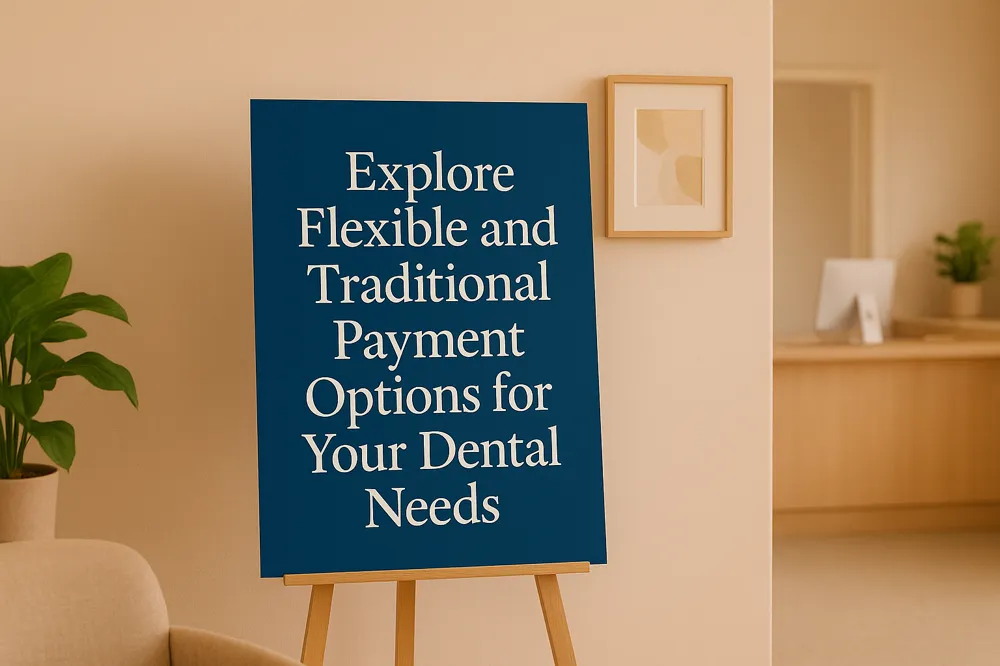
Most dental practices accept traditional payment methods, including credit cards, debit cards, checks, and cash. Credit cards provide flexibility by allowing immediate payment and the option to carry balances, while checks and cash remain common reliable options. Some clinics also partner with third-party financing companies to offer payment plans that spread treatment costs over months or years, sometimes with interest-free terms. For more details, see Flexible Payment Options and CareCredit Financing for Dental Work.
Can visiting dental schools save money?
Dental schools offer a cost-saving alternative as supervised students provide treatments at lower fees. While this option can reduce expenses significantly, appointments may take longer, and certain limitations on procedures apply. It’s a helpful choice for patients seeking quality care with reduced financial impact.
What about negotiating directly with dental offices?
Some dental offices are open to direct negotiation, offering In-House Payment Plans for Dental Care or personalized financing arrangements. This approach can be especially beneficial for uninsured patients or those undergoing extensive treatments, helping to manage monthly payments without compromising on quality.
| Payment Method | Details | Benefits |
|---|---|---|
| Dental Insurance | Coverage varies: Preventive dental services coverage to Major dental services coverage | Lowers upfront costs, In-network dental providers and benefits savings |
| HSAs & FSAs | Pre-tax accounts for eligible expenses | Tax savings, reduces overall cost |
| Credit Cards & Checks | Immediate payment options | Convenience, widely accepted |
| Dental Schools | Student providers under supervision | Lower fees, quality care |
| Direct Negotiation | In-house plans and payment arrangements | Flexible options, tailored to needs |
Payment Plans Demystified: Making Dental Care Affordable
How do payment plans for dental treatments work?
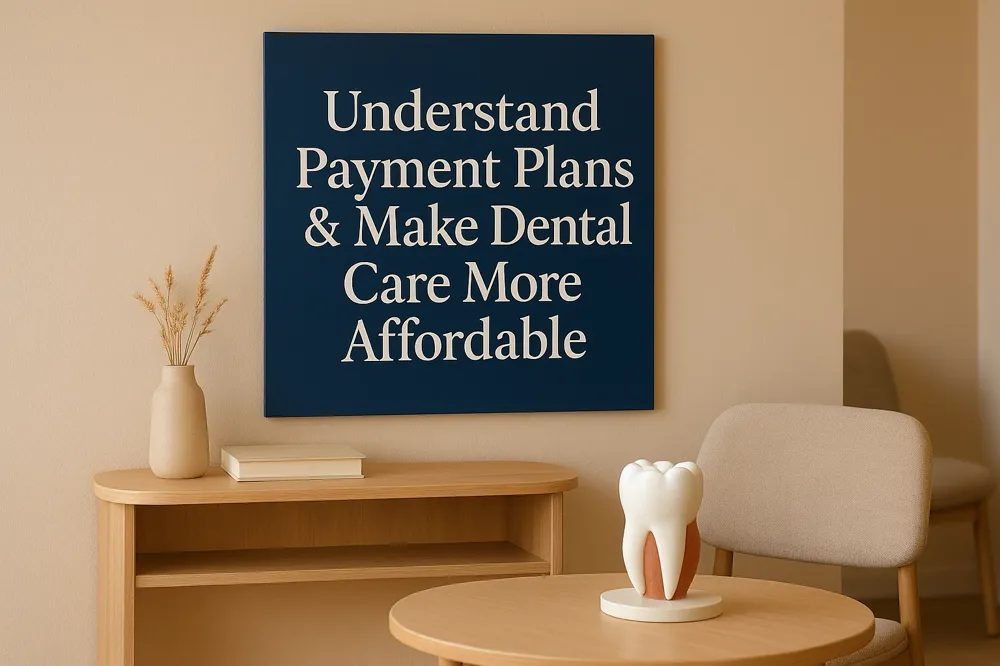
Payment plans break down the total cost of dental care into smaller, manageable monthly payments. This helps patients afford necessary treatment without the stress of paying everything upfront. Options include third-party financing providers such as CareCredit Financing for Dental Work and LendingClub, which offer quick approvals and flexible terms. Some dental offices offer in-house financing, allowing patients to pay over time directly with the clinic, often at lower or no interest rates. Dental Savings Plan provide discount programs without credit checks, making care accessible. Additionally, using tax-advantaged accounts like Health Savings Accounts (HSAs) and Flexible Spending Accounts (FSAs) can reduce out-of-pocket costs by letting patients pay with pre-tax dollars. These plans help patients maintain good oral health by enabling regular visits and timely treatments.
What types of payment plans do dentists usually offer?
Dentists typically provide several payment options:
- In-house financing: Personalized plans with monthly installments that might be interest-free or low-interest, directly through the dental office.
- Third-party financing: Partnerships with lenders like CareCredit Financing for Dental Work or GreenSky, often providing fast approval, sometimes without a credit check.
- Dental savings plans: Discount programs with annual fees that reduce treatment costs for members without requiring credit.
- Tax-advantaged accounts: Patients may use HSAs and FSAs to pay for dental expenses using pre-tax money.
With these varied options, dental practices ensure care is affordable and accessible, helping patients avoid delaying essential treatments due to financial concerns.
Dental Offices and Payment Plans: What to Expect
Can dental offices provide payment plans for dental treatments?
Yes, most dental offices, including family-run practices like ours in Somerville, MA, provide Dental Associates of Lodi PPO Insurance Plans to help patients manage the cost of dental care. These plans allow patients to spread out payments for various treatments—such as cosmetic dentistry, orthodontics, or implants—making care more affordable and accessible.
Customization and flexibility of plans
Payment plans are customizable and tailored to the patient's specific treatment and financial situation. Patients can expect clear terms with no hidden fees, and the duration and monthly repayment amounts can be adjusted to fit their budget. This flexibility helps reduce financial stress and encourages timely continuation of care.
Interest-free and low-interest options
Many dental offices offer Flexible Dental Financing for certain loan amounts and repayment periods. Some clinics partner with third-party lenders to provide competitive interest rates and longer payment terms if needed. Interest-free options allow patients to start treatment immediately without worrying about extra costs.
Process of enrollment and repayment methods
Enrollment in a payment plan typically involves a simple application process. Once approved, patients often repay via direct debit or other convenient payment methods. Our family practice emphasizes transparency and ease throughout this process, ensuring patients fully understand their obligations.
Support from family-run clinics for stress-free payment experience
Family-run clinics focus on a patient-centered approach, offering personalized support. Staff assist with Accepted Dental Insurance Providers, explain financing options clearly, and work with patients to develop payment plans that ease anxiety related to dental costs. This compassionate support fosters trust and helps patients feel comfortable accessing needed treatments.
| Feature | Description | Benefit to Patients |
|---|---|---|
| Flexible Payment Plans | Customizable plans tailored to treatments | Manageable monthly payments |
| Interest-Free Financing | No interest for select loan amounts | Cost savings and immediate treatment access |
| Convenient Repayment Methods | Direct debit and credit card options | Easy and reliable payment process |
| Compassionate Support | Personalized guidance from family-run clinic | Reduced patient stress and improved experience |
Maximizing Insurance Benefits and Financing for a Smooth Visit
Understanding Dental Insurance Coverage Tiers and Limits
Dental insurance typically divides coverage into three tiers: Preventive dental services coverage, Basic dental services coverage, and Major dental services coverage. Preventive care, including cleanings and exams, is often covered at 100%, while basic treatments like fillings may see 50% to 80% coverage. Major services such as crowns usually have lower reimbursement rates, sometimes 50% or less. Keep in mind, Annual maximum benefits in dental insurance cap the total coverage each year, and unused benefits usually do not roll over.
Importance of Using In-Network Providers
Choosing In-network dental providers and benefits, like Beyond Dental Health partnered with insurers such as Delta Dental and Cigna, can lead to negotiated discounts and lower out-of-pocket costs. Staying within your insurance network helps maximize your benefits and minimizes unexpected expenses.
Assistance with Insurance Claims and Verification
Many dental practices, including Beyond Dental Health and Gentle Dental, offer help with insurance verification and claims processing. This support ensures your benefits are used correctly and efficiently, reducing stress and confusion during billing.
Financing Options for Uninsured Patients
For those without insurance, Flexible dental financing, through third-party lenders like CareCredit or in-house plans can make dental care affordable. These options allow patients to pay over time without upfront costs, and nearly all dental procedures qualify for financing—from routine care to implants.
Importance of Scheduling Preventive Care to Maximize Benefits
Regular preventive visits not only protect oral health but also optimize insurance benefits since they are usually fully covered. Scheduling cleanings and exams early in the benefit year helps ensure you use your annual maximum benefits in dental insurance and potentially avoid costly future treatments.
Easing Dental Anxiety Through Financial and Emotional Support
How can someone get over the fear of going to the dentist?
Overcoming dental fear involves taking gradual steps, such as starting with simple visits like consultations or preventive cleanings to build comfort and trust.
Open communication with your dental team about your anxiety helps them personalize your care and provide reassurance.
Many dental practices offer sedation options tailored to patient needs, which can significantly reduce anxiety during procedures. See Managing dental anxiety.
Addressing dental anxiety and stress
Dental anxiety is common and can stem from fears of pain, past experiences, or uncertainty about treatments.
Dental clinics create calming environments with soothing music and visuals to help patients relax. For more on mindfulness techniques in dentistry, visit this resource.
Communication and trust-building with dental staff
Building a personal connection with your dentist and staff fosters trust, making it easier to express fears or concerns.
Kindness and empathy from dental professionals improve the overall dental experience. Learn more about improving dentist-patient communication.
Relaxation techniques during visits
Patients can use deep breathing exercises, mindfulness practices, or bring headphones to listen to music during appointments to reduce stress. Additional techniques include deep breathing exercises for dentists and listening to music during dental procedures.
Offering sedation options
Oral conscious sedation is available at many clinics to help anxious patients relax comfortably and safely during dental procedures. For details on Sedation for dental anxiety, see the linked resource.
How flexible payment options reduce financial stress and contribute to patient comfort
Financial worries often increase anxiety about dental care.
Flexible payment plans and financing options allow patients to spread out costs, making timely treatment more accessible. Explore Flexible Dental Financing and Dental care payment plans.
Many patients qualify for financing programs with low or no interest, removing financial barriers to care. These include CareCredit Financing for Dental Work and No Credit Check In-House Payment Plans.
These options help patients focus on their oral health without added financial strain. See more about Flexible Payment Options.
By combining compassionate care, relaxation strategies, and affordable payment solutions, dental practices can create a welcoming atmosphere where patients feel supported emotionally and financially.
Empowering Your Dental Journey with Clarity and Confidence
Navigating Payment Options for Peace of Mind
Understanding your payment options—from dental insurance plans covering preventive care to flexible financing for major treatments—can ease financial worries and empower timely care. Dental practices often work with popular insurers and offer in-house plans or third-party financing to fit diverse budgets.
The Importance of Open Communication
Discuss your concerns and ask questions about coverage, costs, and payment plans with your dental provider. Transparent conversations build trust and help tailor treatment plans that align with both your health needs and financial comfort.
Prioritizing Stress-Free, Proactive Dental Care
Scheduling regular checkups and preventive treatments keeps your smile healthy and can avoid costly emergencies. Combining early care with thoughtful financial planning ensures a positive, stress-free dental experience for you and your family.