Welcome to Your First Visit
First impressions set the tone for a lasting relationship. When you arrive, a warm greeting, clear signage and a tidy, comfortable reception area let you know you’re welcome and that your time matters. Our practice embraces digital convenience: you can book appointments 24/7 through our website or patient portal, receive instant confirmation and choose reminder method (text, email, or call). This reduces wait times and fits busy family schedules. Our core values—compassion, transparency, and community focus—guide every interaction. We listen to your concerns, explain procedures in plain language, and tailor treatment plans to your goals and budget. By combining a front‑desk experience, seamless online scheduling, and a philosophy, we aim to make each visit feel personal, efficient, and truly trustworthy.
Scheduling and Arrival
 Making your first dental appointment at Dr. Parrella’s Somerville office is simple. You can call the clinic at (617) xxx‑xxxx or use the online booking portal on the practice website. When you call, say: "Hi, my name is [Your Name] and I’d like to schedule a new‑patient exam and cleaning. I’m hoping for an opening next week, preferably on [day] around [time]. My dental insurance is with [Provider] and I can provide my member ID. Could you let me know if there’s any pre‑appointment paperwork I should complete beforehand?" The staff will verify your insurance, note any co‑pay, and ask about dental anxiety or special needs so they can arrange comfort measures. Before you arrive, complete the electronic new‑patient forms and medical intake to save time at check‑in. Arrive 10‑15 minutes early to confirm details, provide your insurance card, and receive a welcome packet with oral‑care tips and a toothbrush. Prompt check‑in and a warm greeting set the tone for a compassionate, stress‑free visit.
Reception, Paperwork, and Insurance
 When you walk into the practice, a Patient Coordinator greets you by name, offers a warm handshake, and guides you to the reception area. The first few minutes are spent completing new‑patient forms—either on a tablet or paper—where you provide your dental and medical history, current medications, allergies, and any specific concerns. At the same time the coordinator verifies your insurance, confirms coverage, and explains any out‑of‑pocket costs or financing options such as CareCredit or the Essential Dental discount plan.
A typical new‑patient appointment runs 60‑90 minutes. After registration, the dental hygienist performs a professional cleaning, while the dentist conducts a comprehensive oral exam, takes low‑radiation digital X‑rays if needed, and screens for gum disease and oral cancer. Findings are discussed in plain language, and a personalized treatment plan is outlined along with home‑care recommendations. Finally, the coordinator schedules follow‑up visits, provides a welcome packet with a toothbrush, floss, and toothpaste, and sets up text or email reminders to keep your smile on track.
Clinical Examination and Imaging
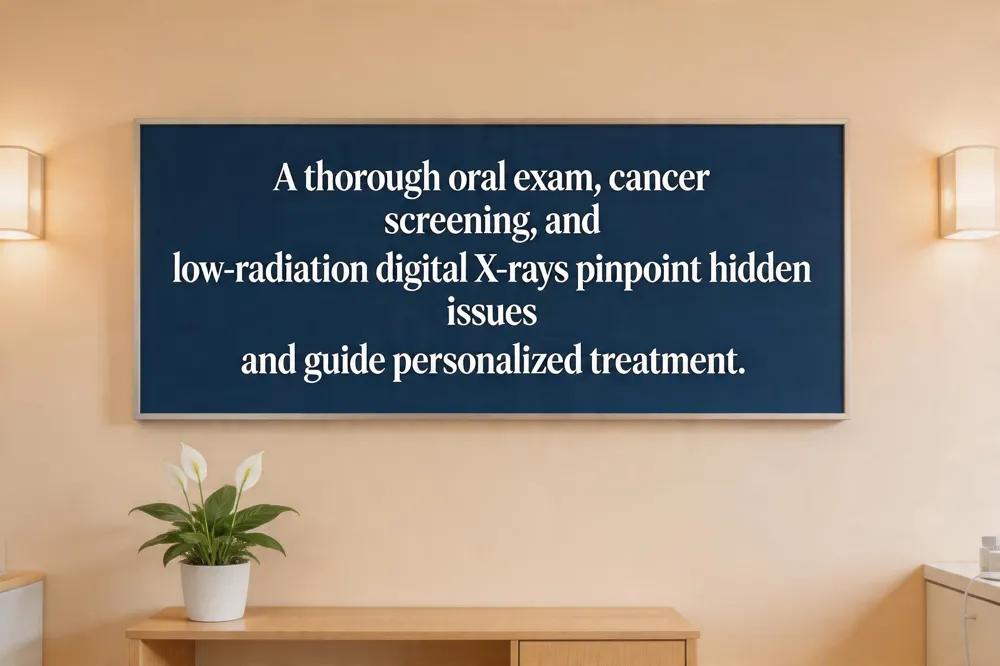 When you arrive for your first dental visit, you’ll complete a brief health and dental‑history questionnaire and share any concerns or goals for your smile. After a quick check‑in, the dentist or hygienist conducts a comprehensive oral exam, visually inspecting each tooth, gum line, bite, tongue and soft tissues. The exam also includes an oral cancer screening, where the clinician looks for abnormal lesions, discolorations, or persistent sores in the mouth, throat, and neck. If warranted, digital X‑rays are taken—these emit a fraction of the radiation of traditional film and provide instant, high‑resolution images that reveal hidden decay, bone loss, or other issues beneath the surface. A professional cleaning follows, removing plaque and tartar, polishing the teeth, and applying a fluoride treatment to strengthen enamel. The dentist then reviews the findings, explains any cavities, gum disease, or other concerns, and outlines a personalized treatment plan with preventive recommendations.
Can a dentist detect lymphoma? Yes. During the routine exam the dentist palpates oral tissues and surrounding lymph nodes, spotting unexplained swelling, lumps, or lesions that could signal lymphoma. Any suspicious finding triggers an immediate referral for a biopsy, allowing early detection and better outcomes.
Cleaning, Fluoride, and Pediatric Care
 What to expect at first dentist appointment for toddler
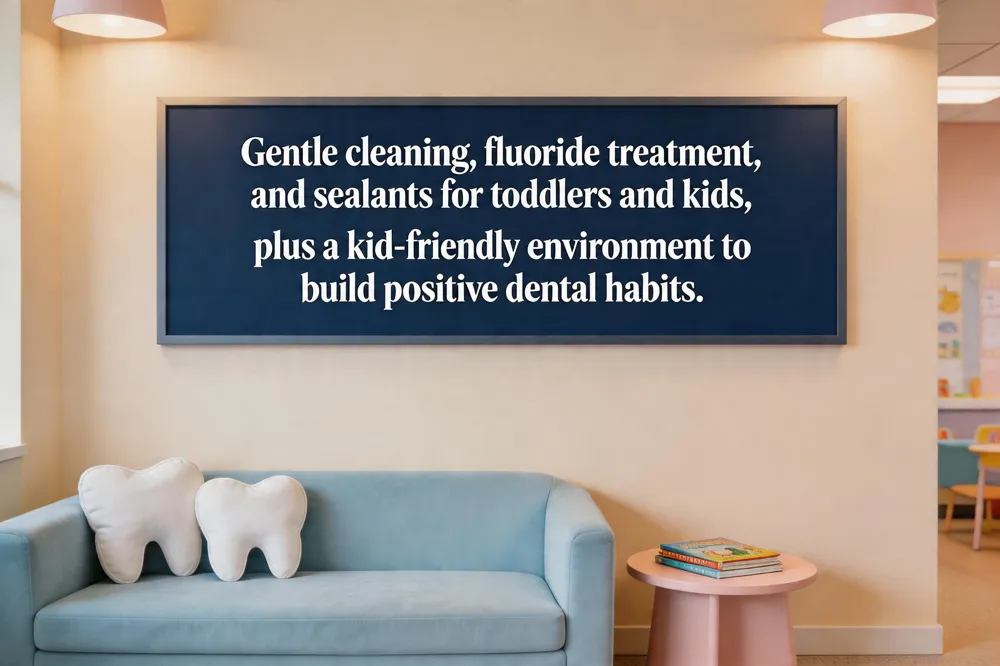
During your toddler’s first visit at Dr. Parrella’s office, the team takes a brief medical and dental history, then performs a gentle oral exam to assess baby teeth, bite alignment, and early decay. A pediatric‑trained hygienist cleans the teeth with a soft brush, applies a professional fluoride treatment, and may place sealants on back molars if needed. The office features a kid‑friendly, calming environment—colorful décor, toys, and a welcoming staff—to help your child feel safe and create a positive association with dental care. Parents receive clear, age‑appropriate guidance on brushing techniques, diet, and habits such as thumb‑sucking.
What to expect at first dentist appointment for toddler
During your toddler’s first visit at Dr. Parrella’s office, the team takes a brief medical and dental history, then performs a gentle oral exam to assess baby teeth, bite alignment, and early decay. A pediatric‑trained hygienist cleans the teeth with a soft brush, applies a professional fluoride treatment, and may place sealants on back molars if needed. The office features a kid‑friendly, calming environment—colorful décor, toys, and a welcoming staff—to help your child feel safe and create a positive association with dental care. Parents receive clear, age‑appropriate guidance on brushing techniques, diet, and habits such as thumb‑sucking.
First dental visit age 1 The American Academy of Pediatric Dentistry recommends a first appointment by the first birthday. The dentist conducts a gentle visual exam, checks for early decay, and evaluates gum development. Parents learn how to clean the infant’s gums and emerging teeth and receive a professional fluoride treatment to strengthen enamel and prevent early childhood caries.
First dental visit age 2 By age 2, the dentist takes a health history, performs a visual exam, cleans the teeth, and applies topical fluoride. Guidance is given on brushing routines, toothpaste amount, and caries prevention while monitoring bite development.
First dental visit age 3 At three years, a comprehensive exam checks bite development, decay, and gum health. A professional cleaning and fluoride treatment are applied; sealants may be discussed for back teeth. Parents receive advice on habits, brushing technique, and fluoride toothpaste quantity.
What to expect first dentist appointment baby The first visit (by the first birthday) includes a brief visual exam of gums and erupted teeth, feeding‑habit counseling, and a professional fluoride application. Parents are educated on infant oral‑care techniques and a schedule for regular check‑ups is established to ensure a healthy, positive dental experience.
Treatment Planning, Follow‑up, and Special Offers
 When you walk into Dr. Anthony P. Parrella’s family‑run practice in Somerville, MA, the first step is a comprehensive new‑patient dental exam. Our team conducts a visual oral exam, oral‑cancer screening, periodontal probing, and digital impressions, plus any needed X‑rays. The findings are used to create a personalized treatment plan that addresses cavities, gum disease, bite issues, and long‑term preventive care.
Scheduling follow‑up is built into the plan: after the exam we book the next cleaning, any necessary restorative work, and a review visit before you leave, and automated reminders keep you on track.
New patient specials make the start easy. For $99 you receive the full exam, digital X‑rays, a professional cleaning, oral‑cancer screening, and a personalized plan. Children get a complimentary fluoride treatment, and the first visit includes a free whitening kit. Seasonal offers such as discounted Invisalign consultations are posted online.
Rule of 7: Children should receive a comprehensive orthodontic evaluation around age 7, when the jaw is still growing, to catch bite problems early.
3‑3‑3 rule: For post‑procedure pain, take three 200 mg ibuprofen tablets every three hours, never exceeding three doses in 24 hours, and stop after three days unless your dentist advises otherwise. Persistent pain warrants a follow‑up appointment.
Ongoing Patient Journey and Experience
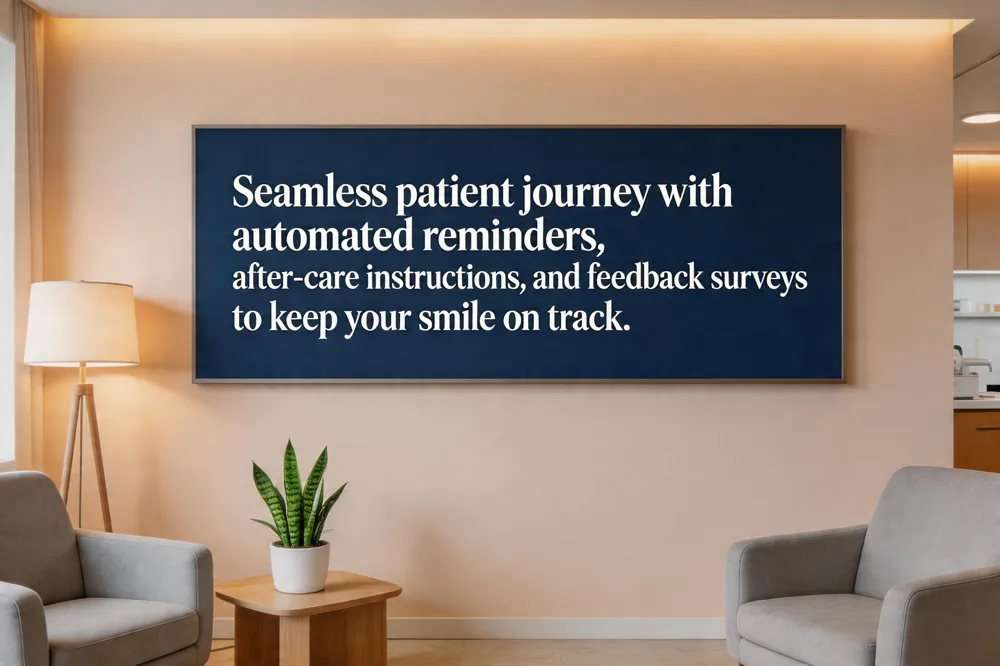 Effective patient journey mapping lets a dental practice visualize every touchpoint—from online search and scheduling to the post‑visit follow‑up—so pain points become clear and can be fixed. The "moments of truth" such as check‑in, the first cleaning, or delivery of X‑ray results, are the critical interactions where stress peaks; training staff to offer warm greetings, clear explanations, and compassionate reassurance turns these moments into trust‑building opportunities. After treatment, timely communication—automated SMS/email reminders, digital after‑care instructions, and a quick check‑in call—keeps patients informed and reduces anxiety. Closing the loop with short surveys or Net‑Promoter Score questions captures feedback, enabling continuous improvement and reinforcing a patient‑centered, long‑term relationship.
Continuing the Care
After the initial visit, keeping teeth healthy relies on regular recall appointments, a community‑focused approach, and a long‑term oral‑health plan. Recall visits every six months let the dental team remove plaque, polish teeth, and spot early signs of decay or gum disease before they become costly problems. Our practice roots itself in the local community, offering educational workshops, school outreach, and flexible hours that fit busy family schedules. By staying connected, we can tailor preventive advice to each patient’s lifestyle and cultural preferences, reinforcing good habits at home. Over time, this partnership builds a foundation for lasting oral health, reduces the need for extensive restorative work, and fosters trust that keeps families returning for generations and bright, confident smiles daily.