Why Gum Health Matters
Nearly half of U.S. adults will experience gum disease, and the prevalence climbs to over 70 % after age 65. The inflammation that begins as gingivitis can progress to periodontitis, where bacteria destroy the supporting bone and can lead to tooth loss. More importantly, gum disease is linked to systemic conditions such as heart disease, stroke, diabetes, respiratory infections, pregnancy complications, certain cancers, and even Alzheimer’s disease. Because plaque is the root cause, diligent preventive care—brushing twice daily with a soft‑bristled brush, daily flossing, using an antimicrobial mouthwash, and visiting the dentist for cleanings at least twice a year—can halt disease before it harms both your mouth and your overall health. In this guide you will learn the science behind gum disease, practical daily‑care habits, lifestyle changes that lower risk, and when to seek professional help.
Choosing the Right Tools and Products
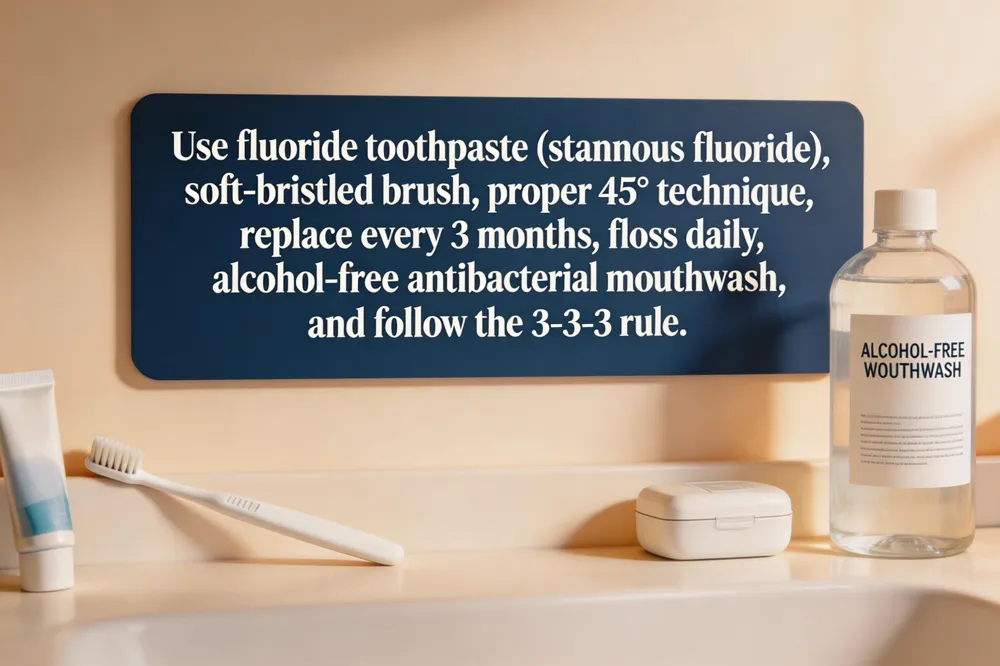 Effective toothpaste ingredients – The most protective toothpastes contain therapeutic fluoride, especially stannous fluoride, which forms a protective layer on teeth and gums while killing plaque bacteria. Products such as Crest Pro‑Health Gum Detoxify or Parodontax Complete Protection also add essential‑oil agents (tea‑tree, clove) for anti‑inflammatory benefit.
Proper brushing technique and toothbrush selection – Use a soft‑bristled brush (manual or electric) and angle the bristles 45° toward the gum line. Brush for at least two minutes, covering all quadrants with gentle circular motions. Replace the brush or head every three months, or sooner if theistles fray.
Flossing and interdental cleaning – Daily floss (or interdental brushes/water flossers) removes plaque from between teeth and just below the gum line where a brush cannot reach. This step is essential to prevent gingivitis from progressing to periodontitis.
Mouthwash options – Antibacterial mouthwashes (chlorhexidine, essential‑oil blends, or cetylpyridinium chloride) used twice daily can cut plaque and gingivitis by up to four‑fold when combined with brushing and flossing. Choose alcohol‑free formulas for sensitive gums.
The 3‑3‑3 rule and adult oral‑health tips – Brush three times a day, three minutes each session, and replace your brush every three months. Complement this with daily flossing, a balanced diet rich in vitamin C and calcium, limited sugary snacks, regular dental check‑ups at least twice a year, and quitting tobacco. These habits together create a strong defense against gum disease and support overall health.
Understanding Gum Disease and Its Stages
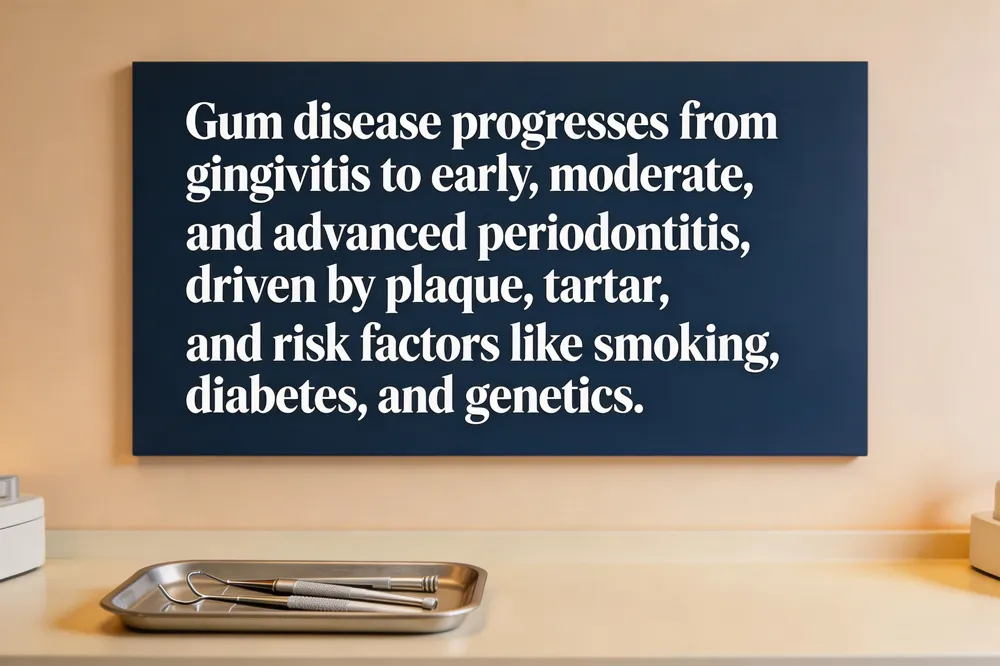 Gum disease starts when dental plaque, a sticky film of bacteria, builds up on teeth and isn’t removed by regular brushing and flossing. If plaque hardens into tartar, it irritates the gums and can lead to inflammation, infection, and tissue loss. The earliest stage is gingivitis, where gums become red, swollen, and may bleed. If untreated, it can progress to early (or slight) periodontitis, marked by shallow gum pockets and initial bone loss. Moderate periodontitis follows, with deeper pockets (4‑6 mm), more bone loss, and possible gum recession. In the advanced (severe) periodontitis stage, significant bone and tissue destruction occur, causing tooth mobility and a high risk of tooth loss.
Risk factors include smoking (the strongest), diabetes, hormonal changes (pregnancy, puberty, menopause), certain medications, genetics, chronic stress, poor nutrition, obesity, and habits like teeth‑grinding. People with Ehlers‑Danlos syndromes (especially hypermobile, classical, and periodontal types) have fragile gum tissue that is prone to early‑onset periodontitis, rapid recession, and tooth loss, requiring meticulous oral hygiene and regular periodontic monitoring.
The five P’s of periodontics—Predictive, Preventive, Personalized, Participatory, and Proactive—guide clinicians in identifying risk, reducing it, tailoring care, involving patients, and maintaining continuous monitoring to keep gums healthy.
Early Signs, Symptoms, and When to Seek Help
 Common gum disease symptoms include gums that bleed easily while brushing or flossing, red or swollen gums, persistent bad breath, gum recession, loose or shifting teeth, and pain while chewing. Early-stage gingivitis often shows no pain, so regular dental check‑ups are vital. Gum disease is not contagious like a cold, but the bacterial plaque that causes it can be transferred through saliva—sharing utensils, kissing, or using another person’s toothbrush may spread the germs. Good oral hygiene and professional cleanings are the primary defenses. If left untreated, gingivitis can progress to early periodontitis within months and to advanced periodontitis over several years, eventually causing bone loss and tooth loss. The fastest way to resolve a gum infection is to see a dentist promptly for a deep cleaning (scaling and root planing) and, if needed, a prescribed antibiotic; warm salt‑water rinses and antibacterial mouthwash can help in the meantime. Free, evidence‑based PDFs on gum‑disease prevention are available from the American Dental Association (https://www.ada.org/en/member-center/oral-health-topics/gum-disease) and the American Academy of Periodontology (https://www.perio.org/education/periodontal-disease-prevention). Quick improvements in gum health come from brushing twice daily with a soft‑bristled brush and fluoride toothpaste, daily flossing or interdental cleaning, antibacterial mouthwash, limiting sugary foods, quitting tobacco, and scheduling a professional cleaning as soon as possible.
Home Care Strategies and Lifestyle Changes
 Managing gingivitis at home starts with diligent plaque removal: brush twice daily with a soft‑bristled toothbrush using gentle circular motions and floss daily. Rinse with an antimicrobial mouthwash or a warm salt‑water solution (½ tsp salt in a cup of water) 2–3 times a day to reduce swelling. A few times a week a diluted hydrogen‑peroxide rinse or oil‑pulling with coconut oil can further lower bacterial load.
For pets, daily tooth brushing with a pet‑specific toothpaste, dental diets or VOHC‑certified kibble, and regular veterinary cleanings keep plaque from hardening into tartar.
Diet, hydration, and smoking cessation are powerful lifestyle tools. Limit sugary snacks, stay well‑hydrated to promote saliva flow, and tobacco use, which is the single most significant risk factor for gum disease and hampers healing.
Natural adjuncts such as aloe‑vera gel, turmeric‑curcumin paste, or green‑tea‑and‑honey rinses can soothe inflamed gums and add antimicrobial benefits, but they complement—not replace—professional care.
Can I cure gum disease without a dentist? Mild gingivitis can be controlled with the home measures above, yet once plaque calcifies or periodontitis develops, professional scaling, deep cleaning, and possibly antibiotics are required.
How can I prevent periodontal disease in cats? Brush daily with cat‑safe toothpaste, feed a veterinary dental diet or VOHC‑certified kibble, provide dental treats, and schedule yearly veterinary cleanings.
How can I prevent periodontal disease in dogs? Daily brushing with dog‑safe toothpaste, dental chews, a low‑carb diet, and annual veterinary cleanings under anesthesia are essential.
How to treat gum disease at home? Maintain excellent oral hygiene, use salt‑water or hydrogen‑peroxide rinses, apply natural anti‑inflammatory agents, and seek professional evaluation if bleeding or pain persists.
Professional Care and Treatment Options
 Effective gum‑disease care starts with scaling and root planing – a deep, nonsurgical cleaning that removes plaque and tartar both above and below the gum line, then smooths the root surfaces so the gums can re‑attach. This procedure, sometimes called a periodontal cleaning, is usually done in one or two visits and may cause mild soreness that resolves with gentle home care.
When disease has progressed, surgical interventions and grafts become necessary. Flap (pocket‑reduction) surgery provides access for thorough cleaning, while bone grafts rebuild lost supporting bone and soft‑tissue grafts cover exposed roots. Advanced options such as guided tissue regeneration or laser procedures can also aid healing.
Cost considerations vary: a routine cleaning $50‑$200, deep cleaning $140‑$800 per quadrant, and surgical grafts $250‑$2,000+ per tooth. Most insurance plans cover preventive cleanings and scaling; many offices offer financing for higher‑cost procedures.
Long‑term periodontal maintenance follows the five P’s of periodontics – Predictive, Preventive, Personalized, Participatory, and Proactive – ensuring regular check‑ups, tailored hygiene plans, and active patient involvement.
Finally, untreated gum disease is linked to systemic health issues such as heart disease, stroke, and diabetes complications. By treating periodontal disease early, patients protect not only their smiles but also their overall well‑being.
Putting It All Together: A Practical Prevention Plan
 PowerPoint outline: 1) What is gum disease? 2) Daily oral‑hygiene steps – soft‑bristled brush, fluoride toothpaste, 2‑minute brush, floss or interdental cleaners, antimicrobial mouthwash. 3) Professional care – dental exams & cleanings twice a year, periodontal maintenance every 3‑4 months if needed. 4) Risk‑factor management – quit smoking, control diabetes, limit added sugars, stay hydrated, balanced diet rich in vitamin C and calcium. 5) Early‑warning signs and when to seek help. 6) Lifestyle tips – stress reduction, regular exercise, avoid alcohol abuse.
How can I prevent periodontal disease? (PowerPoint) – Keep plaque under control with diligent brushing, flossing, and antimicrobial mouthwash; see the dentist regularly; quit smoking; manage systemic conditions; watch for bleeding or swollen gums and act promptly.
How to prevent disease from getting worse? – Maintain rigorous oral hygiene, quit smoking, keep blood‑sugar stable, attend cleanings every six months (or per dentist), follow prescribed deep‑cleanings or medications, and eat a low‑sugar, nutrient‑dense diet.
Your Path to Healthy Gums Starts Today
Keeping your gums healthy starts with habits and care. Brush twice a day with a soft‑bristled fluoride toothpaste, using gentle circular motions at a 45° angle, and floss every night to remove plaque from between teeth and along the gum line. Finish with an antimicrobial mouthwash to reach hidden areas. Avoid tobacco, limit sugary foods, stay hydrated, and manage systemic conditions such as diabetes. Schedule a dental check‑up and cleaning at least twice a year, or more often if you have risk factors. Call Dr. Parrella’s Somerville office today to set up your appointment and protect your smile for life.