Understanding the Foundation of Gum Health
Definition and Impact of Periodontal Disease on Oral Health
Periodontal disease, commonly known as gum disease, affects the gums and supporting structures of teeth. It begins with plaque and bacteria buildup leading to inflammation (gingivitis) and can progress to periodontitis, where the infection damages tissues and bone supporting teeth. Left untreated, periodontal disease may result in gum recession, tooth loss, and bone deterioration, severely impacting oral health.
Prevalence and Significance of Gum Disease Among Adults
Nearly half of American adults aged 30 and older experience some form of gum disease. This widespread condition is a leading cause of adult tooth loss. Due to its prevalence, maintaining gum health is critical in preventing long-term dental problems and preserving a confident smile.
Importance of Early Detection and Regular Dental Care
Early signs of gum disease often go unnoticed but include red, swollen, or bleeding gums. Regular dental checkups and periodontal evaluations enable prompt detection and treatment, often reversing early gum inflammation. Consistent professional cleanings and daily oral hygiene play a vital role in preventing disease progression, ensuring healthy gums and overall oral wellness.
What is Periodontal Disease and Why Early Intervention Matters?

What is periodontal disease and how does it affect oral health?
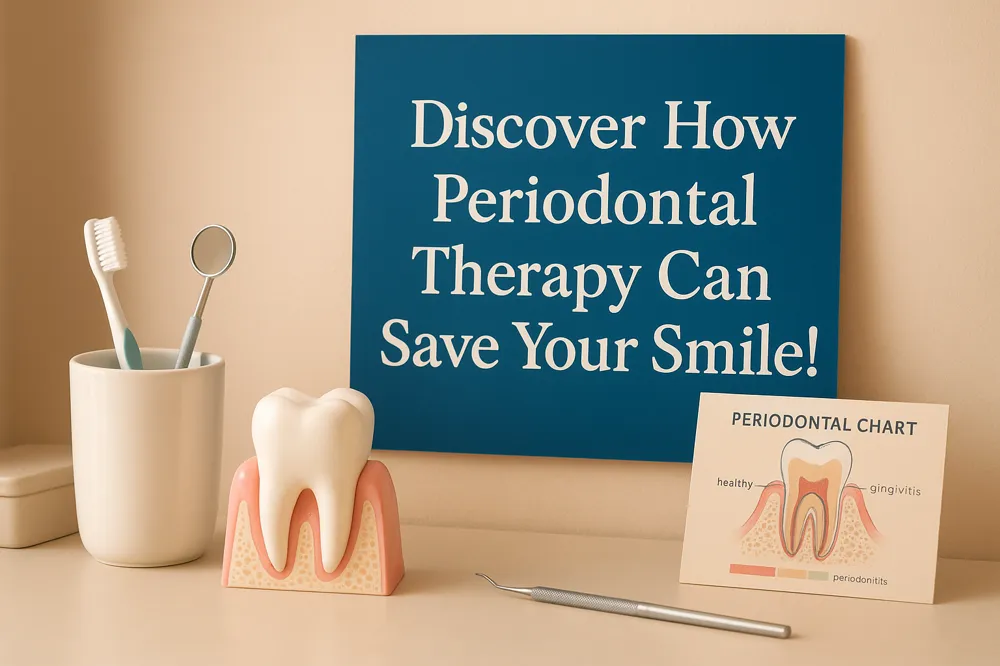
Periodontal disease is a common condition that affects the gums and the supporting structures of the teeth. It begins as gingivitis, an inflammation caused by bacterial plaque buildup along the gum line, leading to redness, swelling, and bleeding gums. At this stage, the disease is still reversible with good oral hygiene and timely professional care.
If untreated, gingivitis can progress to periodontitis, where the infection spreads deeper causing gum recession, formation of periodontal pockets, bone loss, and weakening of the tooth’s support. This can ultimately result in tooth loss, which is a leading cause of adult tooth loss in the US.
Symptoms and early signs to watch for
Early signs often include gum bleeding during brushing or flossing, swollen or tender gums, persistent bad breath, and gum recession. These symptoms indicate that the gums are inflamed and infected.
The importance of early intervention
Left unmanaged, periodontal disease not only threatens oral health but is linked to systemic conditions such as heart disease and diabetes due to ongoing inflammation. Early detection through regular dental checkups enables timely treatment like scaling and root planing (deep cleaning) which removes plaque and tartar beneath the gum line, halting disease progression.
The role of periodontal therapy
Periodontal therapy plays a crucial role in stopping the disease. It reduces gum inflammation, helps gums heal, and stabilizes teeth by preserving the supporting bone and tissues. This comprehensive approach safeguards your smile and supports overall health.
By recognizing symptoms early and seeking professional care, patients can maintain healthy gums, prevent tooth loss, and reduce the risk of related health complications, ensuring a better quality of life.
The Comprehensive Benefits of Periodontal Therapy
What Are the Benefits of Periodontal Therapy?
Periodontal therapy plays a vital role in maintaining and restoring gum health. Procedures like scaling and root planing effectively remove plaque and tartar beneath the gum line, significantly reducing harmful bacteria and inflammation. This deep cleaning helps prevent the progression of gum disease from early-stage gingivitis to more destructive periodontitis.
How Does Periodontal Therapy Prevent Tooth Loss and Support Tissue Regeneration?
By controlling infection and reducing inflammation, periodontal therapy helps stabilize teeth that might otherwise become loose due to gum and bone deterioration. In some cases, treatment can even promote regeneration of lost gum tissue and bone, supporting stronger dental structures and preventing tooth loss.
Can Periodontal Therapy Improve Systemic Health?
Scientific studies demonstrate a connection between periodontal health and systemic diseases like heart disease and diabetes. By reducing gum inflammation, therapy may lower systemic inflammation, which can positively influence overall health. While periodontal treatment is not a cure for systemic conditions, it supports better management of these diseases.
How Does Periodontal Therapy Enhance Quality of Life?
Beyond health benefits, effective periodontal care improves daily comfort. Patients often experience fresher breath, less bleeding and swelling of gums, and easier eating and speaking. This enhances confidence and quality of life, encouraging patients to maintain a healthy, attractive smile.
Regular periodontal therapy combined with good oral hygiene is essential for long-term oral stability and overall wellness, making it a cornerstone of preventive dental care.
Periodontal Treatment Timeline and Insurance Coverage Insights

How long does periodontal treatment usually take to show results?
The time it takes to notice improvements from Periodontal Treatment depends on the severity of your gum disease. For early-stage gum issues like gingivitis, patients often see visible improvements within 2 to 3 weeks following professional cleaning and improved Proper oral hygiene techniques at home. More advanced gum disease, such as periodontitis, requires longer treatment involving multiple deep cleanings (Scaling and Root Planing), possibly antibiotics, and enhanced follow-up care over several months. Regular dental visits are crucial as your dentist will monitor healing, adjust treatments, and guide you on maintaining oral hygiene for the best outcome.
What are the typical stages of periodontal treatment for mild versus advanced disease?
Treatment varies by disease severity:
- Mild Disease (Gingivitis): Focus on professional cleanings, daily brushing and flossing, and lifestyle changes.
- Moderate to Advanced Periodontitis: Requires Scaling and Root Planing Deep Cleaning, possible antibiotic therapy, and in some cases Surgical Treatments for Gum Disease.
Each stage is supported by ongoing maintenance visits to prevent recurrence and protect oral health.
Why are follow-up visits and oral hygiene adherence important?
Consistent follow-up appointments allow your dentist to track progress and catch any issues early. Strict adherence to at-home oral care—Brushing teeth twice daily, flossing, and using mouthwash—helps control plaque and bacteria, essential to healing and preventing disease recurrence.
Is periodontal treatment covered by dental insurance?
Many dental insurance plans cover Benefits of Regular Periodontal Therapy, particularly for medically necessary procedures like scaling and root planing and subsequent maintenance. However, coverage specifics vary by provider and plan. Co-pays, deductibles, and annual limits may apply.
How can family dental practices help with insurance matters?
Family dental clinics often assist patients in navigating insurance benefits for Periodontal Therapy Benefits. They provide clear explanations of coverage, help with paperwork, and guide families on maximizing their benefits to maintain healthy gums affordably.
| Aspect | Mild Disease | Advanced Disease | Insurance Coverage |
|---|---|---|---|
| Treatment Duration | Weeks | Several months | Varies, often covered |
| Procedures | Professional cleaning, hygiene | Scaling/root planing, antibiotics | Deep cleaning often covered |
| Follow-up Importance | Regular check-ups | Frequent monitoring | Helps maintain coverage |
| Patient Role | Daily brushing/flossing | Strict hygiene and appointments | Understanding policy essential |
Maintaining Routine Periodontal Care Benefits with your trusted local dental practice, along with awareness of your insurance benefits, empowers you to protect gum health effectively with manageable costs.
Daily Practices and Nutritional Support for Healthy Gums

What is the recommended order for an effective oral hygiene routine?
Maintaining healthy gums begins with a thorough daily oral hygiene routine. Start by brushing your teeth at least twice a day using a soft-bristled toothbrush and fluoride toothpaste. Focus on cleaning all tooth surfaces and gently brushing your tongue for at least two minutes to remove bacteria.
Next, floss your teeth or use interdental brushes to clean between the teeth and under the gum line, where toothbrushes can’t reach. Use approximately 18 inches of floss, moving in a gentle ‘C’ shape motion along each tooth. This helps remove plaque and food debris that can cause gum inflammation.
Following flossing, rinse your mouth with an alcohol-free antimicrobial mouthwash to reduce bacteria, freshen breath, and provide extra protection against plaque buildup. For those with dental appliances like braces, water flossers can be especially helpful in cleaning hard-to-reach areas.
Finally, schedule regular dental visits every six months. Professional cleanings remove stubborn tartar and allow Early Detection of Gum Disease, enhancing your overall Periodontal Health Importance.
What dietary habits promote healthy gums?
Nutrition plays an important role in gum health. Eating a balanced diet that includes fiber-rich fruits and vegetables such as apples, carrots, and leafy greens like spinach supports teeth and gums by stimulating saliva and providing essential nutrients.
Dairy products like milk, cheese, and yogurt are great sources of calcium and casein, which strengthen tooth enamel and neutralize harmful acids in the mouth. Nuts — for example, almonds and cashews — also provide calcium and phosphorus for strong teeth.
Vitamin A-rich foods such as pumpkins help maintain healthy gum tissue, while drinking plenty of water supports saliva production, our mouth’s natural cleanser.
Limiting sugary and acidic foods and beverages is crucial to reduce the risk of Preventing Gum Disease.
Which supplements can support gum health?
Certain supplements can support and enhance gum tissue health by improving immune function and reducing inflammation. Vitamin C is essential for collagen production, helping gums stay strong and repair themselves. Vitamin D helps regulate the immune response and promotes overall oral health.
Coenzyme Q10 (CoQ10) is known to reduce inflammation and improve gum cell energy. Omega-3 fatty acids provide anti-inflammatory benefits that may decrease gum swelling and bleeding.
Additionally, zinc supports immune defense against oral infections, and probiotics can help balance harmful oral bacteria.
Incorporating these supplements alongside a solid oral care routine and healthy diet can help prevent Gum Disease Overview and support lasting Periodontal Therapy Benefits.
Quick Strategies to Improve Gum Health and Maintain Long-term Wellness

How can gum health be improved quickly?
Improving gum health begins with a strong commitment to Proper oral hygiene techniques. Brushing your teeth at least twice a day with fluoride toothpaste using gentle, proper technique helps remove plaque—a sticky film of bacteria that leads to gum inflammation. Daily flossing importance is equally important, as it reaches plaque buildup beneath the gumline where brushes cannot reach.
Professional dental cleanings, especially Periodontal Treatment, play a critical role in quickly improving gum health by removing hardened tartar that home care cannot eliminate. A balanced diet rich in calcium and vitamins supports gum tissue and jawbone health, while limiting sugary foods reduces bacterial growth. Avoiding tobacco for oral health is crucial since tobacco weakens the immune system and impedes healing, and managing systemic conditions like diabetes lowers gum inflammation and enhances treatment success.
Regular dental visits allow Early Detection of Gum Disease, preventing progression to more severe periodontitis and protecting your natural teeth.
What is the importance of maintaining good oral hygiene daily?
Daily oral hygiene is fundamental to both oral and overall health. Benefits of good oral hygiene prevent the buildup of plaque and tartar, reducing the risk of gum disease, tooth decay, and persistent bad breath. Beyond oral benefits, good hygiene helps lower the risk of systemic conditions linked to gum disease, such as heart disease, diabetes complications, respiratory infections, and adverse pregnancy outcomes.
Maintaining healthy gums enables comfortable eating, clear speech, and a confident smile, all of which contribute to an improved quality of life. Effective daily care also saves time and money by minimizing the need for complex dental treatments like root canals, extractions, or implants.
The role of professional cleaning and periodontal maintenance
Alongside at-home care, Professional Cleanings for Gum Health and periodontal maintenance are vital. Scaling and Root Planing remove plaque and tartar below the gumline, decreasing inflammation and preventing disease progression. Periodontal maintenance visits every three to six months help monitor gum health, remove new deposits, and keep periodontal disease under control.
Benefits of managing lifestyle factors such as smoking and diabetes
Smoking cessation and gum disease dramatically improves gum healing and lowers your risk for gum disease. Meanwhile, good diabetes management reduces systemic inflammation that worsens gum disease, making Benefits of Regular Periodontal Therapy more effective.
Long-term goals of periodontal maintenance to prevent recurrence
Long-term Periodontal Therapy focuses on maintaining a healthy gum environment, preventing recurrence of infection, and preserving supporting bone and tissues to avoid tooth loss.
Importance of community-focused, personalized care in dental practices
Dental practices dedicated to personalized, community-centered care foster trust and education. They provide tailored treatments and encourage routine visits, ensuring patients stay proactive about their Periodontal Therapy and overall oral health.
Your Path to Healthy Gums and Overall Wellness
Understanding the Benefits of Periodontal Therapy
Periodontal therapy is essential in managing and preventing gum disease, which affects nearly half of American adults. Treatments like deep cleanings (scaling and root planing), maintenance care, and when needed, surgical options, help reduce inflammation, remove harmful bacteria, and stabilize teeth. Healthy gums provide a strong foundation to protect teeth, support jawbone integrity, and improve overall oral health.
Committing to Regular Care and Good Habits
Early gum disease is often reversible with consistent dental visits and diligent home care. Daily brushing and flossing, using a soft toothbrush, flossing properly, and avoiding tobacco products make a significant difference. Regular professional cleanings and early detection prevent progression to more severe disease stages, saving the cost and discomfort of more invasive procedures.
Personalized Support for Lasting Gum Health
Your trusted local dental team focuses on personalized care, using advanced technology and compassionate communication. They guide you through treatment tailored to your needs, supporting both your gum and systemic health. By maintaining regular dental checkups and embracing healthy habits, you pave the way for a confident smile and improved overall wellness.