The Foundation of Effective Home Oral Care
Importance of Consistent Home Oral Care
Consistent home oral care is crucial for preventing dental problems like cavities and gum disease. Regularly removing plaque and bacteria helps maintain healthy teeth and gums, reducing the need for costly treatments in the future.
Basic Recommended Routine Including Brushing and Flossing
Brushing your teeth twice a day for two minutes each session is recommended. Use gentle circular motions and brush at a 45-degree angle toward the gumline to effectively clean all surfaces. Daily flossing is equally important, as it removes plaque and food particles from between teeth where toothbrushes cannot reach, helping to prevent gum inflammation and cavities.
Role of Fluoride Toothpaste and Soft-Bristled Toothbrushes
Fluoride toothpaste strengthens tooth enamel, helping to prevent decay and reduce cavities. Choosing a soft-bristled toothbrush protects gums from damage while thoroughly cleaning teeth. Replacing your toothbrush every three to four months ensures effective brushing and hygiene.
The Essential 2-2-2 Rule and Its Role in Maintaining Healthy Teeth
What is the 2-2-2 rule for teeth?
The 2-2-2 rule is a simple, effective guideline designed to maintain healthy teeth and gums. It means brushing twice a day, spending at least two minutes each time, and visiting the dentist twice a year for check-ups and professional cleanings.
Why brush twice daily for two minutes with fluoride toothpaste?
Brushing twice daily with fluoride toothpaste removes plaque—the sticky film of bacteria that causes cavities and gum disease. Scientific research shows that brushing for two full minutes ensures all tooth surfaces get cleaned thoroughly, reducing the risk of decay and gum problems. Using fluoride toothpaste strengthens tooth enamel and helps prevent tooth decay, making this an essential part of the 2-2-2 rule.
How should you brush for the best results?
Brushing technique matters! Use a soft-bristled toothbrush held at a 45-degree angle toward the gumline. Use gentle, circular motions to clean every side of each tooth and don’t forget to brush your tongue to remove bacteria that cause bad breath. Timers, music, or smartphone apps can help make sure you brush for the full two minutes.
Why schedule dental visits twice a year?
Regular dental visits every six months allow your dentist to spot and treat problems early, like cavities or gum disease. Professional cleanings remove hardened plaque (tartar) that brushing and flossing can't reach. These visits complement your daily oral care and help maintain a healthy smile long term.
What are the benefits of following the 2-2-2 rule?
Following this routine reduces your risk of cavities and periodontal disease, lowers the chance of requiring extensive dental work, and supports your overall health. Good oral hygiene may also reduce risks for systemic health issues like heart disease and diabetes. At our family practice in Somerville, MA, we encourage families to embrace the 2-2-2 rule for lasting dental health and confident smiles.
Daily Practices Beyond Brushing: Flossing, Tongue Care, and Mouthwash
Importance and Methods of Daily Flossing or Interdental Cleaning
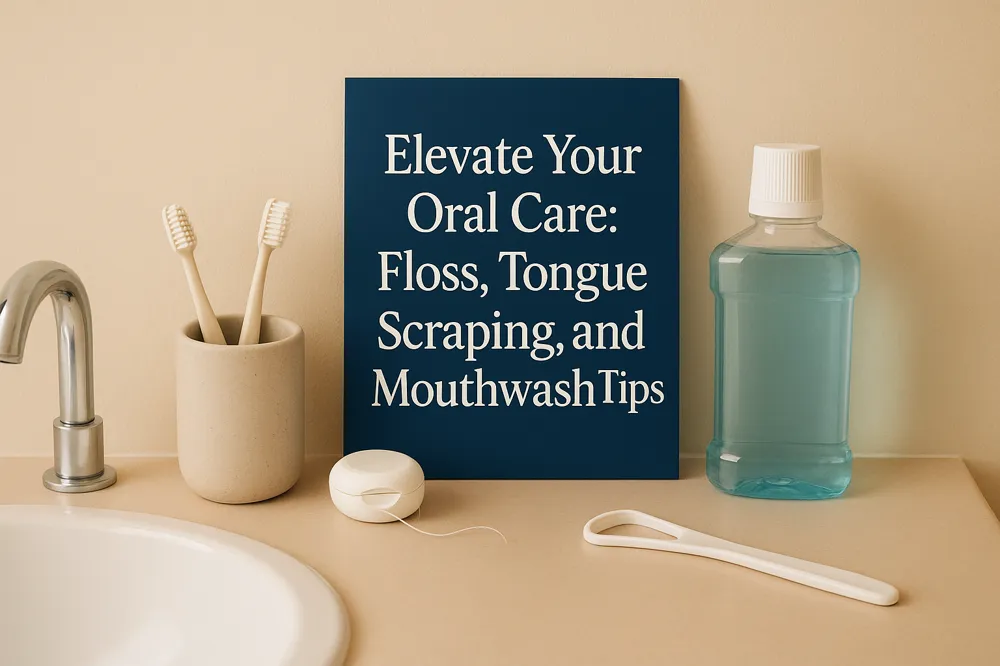
Daily flossing is a crucial step in maintaining oral health. It removes plaque and food debris from between teeth and below the gum line—areas that brushing alone cannot reach. Using about 18 inches of floss wrapped around your fingers, curve it into a "C" shape around each tooth, gently moving it up and down to clean effectively. Alternatives like interdental brushes, oral irrigators, or woodsticks can be used depending on personal preference and dental needs, especially for people with braces, implants, or sensitive gums.
Role of Tongue Brushing or Scraping in Controlling Bacteria and Bad Breath
Besides cleaning teeth, the tongue harbors bacteria responsible for bad breath (halitosis). Brushing or scraping the tongue daily helps reduce the bacterial load, preventing foul odors and improving overall oral hygiene. Using a tongue scraper or the back of a toothbrush to gently clean the tongue surface can effectively remove bacteria and food debris.
Selecting an Effective Mouthwash
Mouthwash acts as an adjunct to brushing and flossing. Alcohol-free mouthwashes containing antimicrobial agents like essential oils, cetylpyridinium chloride, or fluoride can decrease plaque, gingivitis, and cavity risk. Fluoride-containing rinses are especially beneficial for children at high risk of decay and help strengthen enamel. Choosing mouthwashes with the American Dental Association (ADA) Seal of Acceptance ensures safety and effectiveness.
How These Practices Contribute to Reducing Plaque, Gingivitis, and Cavities
Incorporating flossing, tongue care, and mouthwash into your routine complements twice-daily brushing, enhancing plaque removal significantly. Flossing disrupts plaque accumulation between teeth, reducing gingivitis risk and preventing cavities from forming in hard-to-clean areas. Tongue cleaning controls bacteria that contribute to gum inflammation and bad breath. Mouthwash helps reduce bacterial levels and provides fluoride protection, boosting enamel strength. These combined efforts maintain a healthy oral environment, lowering chances of periodontal disease, tooth decay, and promoting fresh breath.
What is the best dental hygiene practice at home?
The best practice involves brushing twice daily for about two minutes with fluoride toothpaste, flossing daily using proper technique, cleaning the tongue regularly, and using a suitable mouthwash. Limiting sugar intake and avoiding tobacco further support oral health. Regular dental visits every six months allow customized prevention and early treatment, ensuring lifelong healthy teeth and gums.
Optimizing Home Care Through Diet and Healthy Lifestyle Choices

Impact of Sugar and Acidic Foods on Tooth Decay
Consuming high amounts of sugary and acidic foods or drinks significantly increases the risk of tooth decay. Sugar fuels plaque-forming bacteria, which produce acids that erode tooth enamel, leading to cavities. Foods and drinks with high acid content further weaken enamel, creating an environment prone to dental caries.
Benefits of a Balanced Diet Rich in Fruits, Vegetables, and Calcium
A balanced diet filled with crunchy fruits and vegetables supports oral health by naturally cleaning teeth and stimulating saliva production, which neutralizes harmful acids. Calcium-rich foods such as dairy products strengthen tooth enamel, helping to prevent decay and surface stains. These nutrients help maintain a healthy oral environment essential for long-lasting dental health.
Importance of Hydration and Avoiding Tobacco Products
Staying well-hydrated with water helps wash away food particles, reduces acid levels, and promotes saliva flow, which protects teeth and gums. On the contrary, tobacco use, including smoking and smokeless products, adversely affects oral health by increasing risks of gum disease, tooth staining, oral cancer, and delayed healing.
How Lifestyle Choices Affect Oral and Systemic Health
Good oral hygiene supported by a healthy lifestyle lowers the risk of oral diseases such as cavities, gum disease, and oral cancers. These benefits extend beyond the mouth, reducing risks of systemic conditions like heart disease, diabetes, and stroke. Conversely, neglecting oral care and adopting harmful habits can lead to severe dental and overall health complications. See more about oral health and overall health.
How can I drastically improve my oral hygiene?
To drastically improve your oral hygiene, commit to brushing twice daily with fluoride toothpaste for a full two minutes using appropriate technique. Floss daily to clean areas unreachable by brushes, maintain a diet low in sugars, stay hydrated, avoid tobacco, and attend regular dental visits every six months. These steps collectively enhance oral and systemic health, preventing costly and painful dental problems.
Tools and Techniques to Enhance Your Oral Care Routine
How can I maintain oral hygiene at home?
Maintaining good oral health and overall health at home is foundational to preventing dental problems and ensuring a healthy smile. This includes brushing teeth twice a day for two minutes each time, using a soft-bristled toothbrush with fluoride toothpaste benefits. Remember to gently brush all surfaces of your teeth, including the gum line and tongue, to remove plaque and bacteria effectively.
Benefits of Powered Toothbrushes
Powered toothbrush efficacy offers advantages, particularly for individuals with limited manual dexterity or special needs. They provide consistent brushing motions and can improve plaque removal compared to manual brushes. Features like built-in timers and pressure sensors help ensure you brush long enough and avoid damaging your gums.
Interdental Cleaning Devices
Daily interdental cleaning benefits since toothbrushes cannot reach all areas between teeth. Options include traditional daily flossing techniques, interdental brushes, oral irrigators, and woodsticks. Selecting the right device depends on personal preference, comfort, and dental condition. Consistent use of these tools helps reduce the risk of gum disease and cavities.
Using Timers and Apps
Brushing for the optimal brushing duration can be aided by using timers for brushing, smartphone apps, or electric toothbrush features that signal when you have brushed sufficiently. These tools encourage thorough cleaning of every quadrant in your mouth and promote good habits.
Toothbrush Replacement and Tool Care
To maintain effective cleaning, replace your toothbrush regularly every three to four months or sooner if bristles become frayed. Proper storage, such as keeping brushes upright and dry, minimizes bacterial growth. Regularly cleaning or sanitizing oral hygiene tools further supports oral health.
Supporting Habits
Combining these tools with a healthy diet for dental health low in sugar, avoiding tobacco for oral health, and scheduling routine dental exams and cleanings every six months provides a comprehensive approach to maintaining excellent oral health at home.
Early and Personalized Care: The Rule of 7 and Professional Support

What is the "rule of 7" in dentistry?
The "Rule of 7" in dentistry highlights the importance of children visiting a dentist by the age of 7. By this time, all primary teeth are usually present, which allows dental professionals to monitor oral development thoroughly. Early dental visits at this age set the foundation for a lifetime of healthy habits.
How do pediatric dentists support early dental care?
Pediatric dental specialists are trained to make dental visits comfortable and positive for children. They use child-friendly communication and environments to reduce fear and anxiety. These experts focus on education, teaching children and parents about proper Brushing twice daily with fluoride toothpaste, Daily flossing techniques, and Impact of diet on dental health. They also provide preventive treatments such as fluoride applications and dental sealants and Choosing safe oral health products to protect young teeth.
What role do regular and personalized dental visits play?
Routine dental exams and cleanings allow for tailored prevention strategies based on each child's unique oral health risk. These personalized visits help detect issues early, from cavity formation to misaligned teeth. Dental professionals provide individualized care plans that might include special fluoride treatments, hygiene instructions, or referrals to specialists when necessary.
Why avoid DIY orthodontics and oral piercings?
DIY orthodontic treatments and oral piercings carry significant risks including tooth damage, gum recession, and infections. The American Dental Association Home Oral Care strongly discourages these practices because they lack professional oversight and can cause long-lasting harm. Families are urged to seek guidance and treatment exclusively from licensed dental professionals to ensure safety and preserve oral health.