Introduction
Flexibility is the cornerstone of small, family‑run dental offices. Because they have fewer administrative layers, clinicians can adjust appointment times, treatment plans, and communication on the fly. This operational agility translates into faster diagnosis, quicker decision‑making, and reduced waiting periods for patients, which in turn improves satisfaction, adherence, and overall oral health outcomes. In this article we explore how a small practice’s ability to schedule same‑day visits, use a single electronic record, and empower the entire team to make routine decisions creates a smoother, more responsive care pathway. By linking these practical advantages to better patient experiences, we aim to show why choosing a flexible, community‑focused dental office can lead to healthier smiles and stronger trust between families and their dental team. These benefits are supported by research showing that psychological flexibility and rapid scheduling cut treatment cycle time by up to 20%, reinforcing the value of a nimble practice model.
Psychological Flexibility Fuels Clinical Speed
Research shows that individuals who can shift between different coping strategies as needed—rather than rigidly applying a single strategy—experience better outcomes and make quicker adjustments to new information (Bonanno et al., 2004; Cheng, 2001).
In dental settings, this translates into clinicians who can reinterpret diagnostic data on the spot, adjust treatment plans in real time, and communicate changes without waiting for multi‑layer approvals.
A meta‑analysis of 32 studies using the Acceptance and Action Questionnaire found that higher psychological flexibility correlated .42 with improved performance on tasks such as problem solving, goal pursuit, and job performance (Hayes et al., 2006).
Because small, family‑run offices like Family‑run dental practice in Somerville, Massachusetts have fewer administrative layers, clinicians can act on flexible insights instantly, leading to quicker scheduling, same‑day appointments, and higher patient satisfaction.
In short, psychological flexibility equips dental teams with the mental agility to respond promptly to evolving clinical cues, thereby accelerating the path from diagnosis to definitive care.
Scheduling Agility: The Real‑World Advantage of Small Offices
 Small dental offices thrive because they have few administrative layers, allowing clinicians to modify appointments in real time. When a patient calls with an urgent issue, the dentist can open a same‑day slot without waiting for multi‑level approvals, a flexibility that cuts typical wait times from 10‑14 days to 2‑3 days. Online self‑scheduling platforms further speed the process—40% of bookings are for the next day, and patient commitment rates rise by 9 % because patients feel in control of their schedule. Real‑time digital tools also let the office instantly verify insurance, share radiographs, and confirm treatment costs, eliminating paperwork bottlenecks. A concrete example is Dr. Anthony P. Parrella’s family‑run practice in Somerville, MA. By using a single electronic health record and a streamlined intake system, the practice reduced initial‑consult wait times from 10 days to 3 days and offered extended weekend hours for busy families. Patients report higher satisfaction, quicker acceptance of treatment plans, and fewer missed appointments. In short, the scheduling agility of small offices translates into faster clinical decisions, smoother workflows, and a more patient‑centered dental experience.
The 3‑3‑3 Rule for Teeth
 The 3‑3‑3 rule is a simple mnemonic that encourages three core oral‑hygiene habits each day. It calls for brushing three times a day—usually after breakfast, after lunch, and before bed—for a full three minutes per session to ensure thorough plaque removal. Many dentists also add a third “three” by either replacing your toothbrush (or brush head) every three months or by avoiding any food or drink for the three hours leading up to bedtime. The rule is often paired with a three‑step routine of brushing, flossing (or another interdental cleaning), and using a fluoride rinse when recommended.
Evidence from psychological‑flexibility research shows that structured, repeatable habits improve adherence, especially for high‑risk patients. Meta‑analyses link consistent three‑minute brushing with a .42‑size improvement in problem‑solving and health outcomes, translating into lower cavity rates and better gum health for those prone to decay. Rapid, visual treatment plans in flexible small practices can incorporate the 3‑3‑3 routine during patient education, allowing clinicians to demonstrate the habit in real time and adjust appointments on the spot. This aligns with the practice’s ability to schedule extended hygiene slots and provide immediate feedback, accelerating case acceptance and reinforcing long‑term oral health.
What is the 3‑3‑3 rule for teeth? The 3‑3‑3 rule is a simple mnemonic that encourages three core oral‑hygiene habits each day. It calls for brushing three times a day—usually after breakfast, after lunch, and before bed—for a full three minutes per session to ensure thorough plaque removal. Many dentists also add a third “three” by either replacing your toothbrush (or brush head) every three months or by avoiding any food or drink for the three hours leading up to bedtime. The rule is often paired with a three‑step routine of brushing, flossing (or another interdental cleaning), and using a fluoride rinse when recommended. While the American Dental Association’s minimum recommendation is twice‑daily brushing for two minutes, the 3‑3‑3 guideline offers an extra‑cautious approach for those at higher risk of cavities or gum disease.
The 80/20 Rule in Dentistry
 What is the 80/20 rule in dentistry?
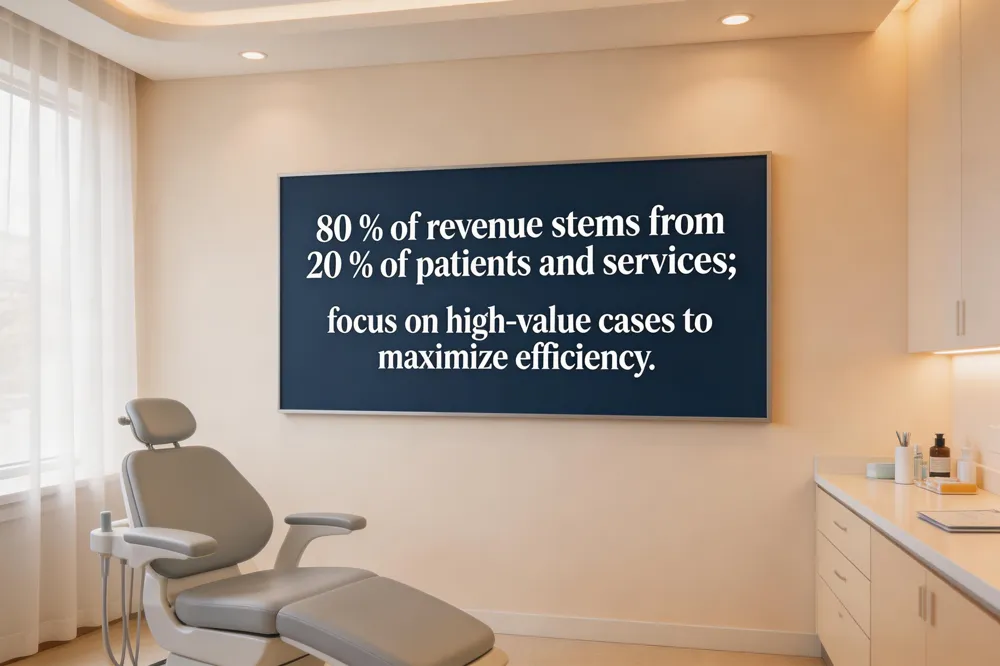
In dentistry the 80/20 rule—also called the Pareto Principle—observes that roughly 80 % of a practice’s results come from just 20 % of its patients, services, or referrals. This means a small portion of high‑value procedures, loyal patients, or “A” referring doctors generate the bulk of revenue and treatment acceptance. It also shows that about 20 % of patients cause 80 % of broken appointments, while the other 20 % of cases drive most of a practice’s success. By recognizing this pattern, a dental team can focus on delivering consistent, high‑quality care to all patients while using targeted strategies (like better communication, scheduling policies, and engagement of key referrers) to improve overall productivity and patient satisfaction.
What is the 80/20 rule in dentistry?
In dentistry the 80/20 rule—also called the Pareto Principle—observes that roughly 80 % of a practice’s results come from just 20 % of its patients, services, or referrals. This means a small portion of high‑value procedures, loyal patients, or “A” referring doctors generate the bulk of revenue and treatment acceptance. It also shows that about 20 % of patients cause 80 % of broken appointments, while the other 20 % of cases drive most of a practice’s success. By recognizing this pattern, a dental team can focus on delivering consistent, high‑quality care to all patients while using targeted strategies (like better communication, scheduling policies, and engagement of key referrers) to improve overall productivity and patient satisfaction.
Pareto Principle applied to dental revenue and appointments
A practice audit often reveals that preventive cleanings, cosmetic bonding, and implant placements account for the majority of income, while a handful of complex restorative cases dominate chair time. Meanwhile, a small group of patients fills the schedule reliably, whereas occasional walk‑ins generate cancellations. Mapping revenue and appointment trends lets the office allocate resources where they matter most.
Identifying high‑value patients and services
High‑value patients are those who schedule regularly, refer friends, and opt for premium services. Using a single electronic health record, the team can flag these patients, track their treatment history, and tailor reminders that encourage timely follow‑ups.
Strategic use of flexibility to improve acceptance
Small, Family‑run dental practice in Somerville, Massachusetts can adjust appointment lengths on the fly, offer same‑day consults, and present visual treatment plans instantly. This real‑time flexibility reduces wait times, builds trust, and boosts case acceptance, especially for the 20 % of cases that drive most revenue.
Flexible Partial Dentures: Worth the Investment?
 Flexible partial dentures are made from thin, lightweight, metal‑free thermoplastic materials that can be molded to the exact contour of a patient’s gums. This design eliminates the need for visible metal clasps and often removes the requirement for adhesives, giving a more natural appearance and greater comfort than traditional acrylic or metal‑based partials. Because the material is thin and flexible, it adapts easily to changes in the oral environment, which can improve fit and reduce irritation.
Cost‑benefit considerations – The upfront cost of flexible partials is usually higher than that of conventional acrylic dentures, and the material may be less durable over the long term. Adjustments or repairs can be more complex if additional teeth need to be added. However, many patients find the aesthetic and comfort benefits outweigh the extra expense, especially when metal allergies or a desire for a discreet look are factors. The reduced need for adhesives and fewer clinic visits for adjustments can also translate into indirect savings.
Patient selection criteria – Ideal candidates are individuals who prioritize comfort and aesthetics, have mild to moderate tooth loss, and do not require extensive load‑bearing support. Patients with metal sensitivities, a strong preference for a metal‑free solution, and those who value a lightweight, thin prosthesis are excellent fits. For cases requiring high strength or extensive prosthetic coverage, a traditional metal framework may be more appropriate.
Answer to the key question – Flexible partial dentures can be a worthwhile choice for many patients because they are thin, lightweight, and metal‑free, providing a natural appearance and increased comfort compared with traditional acrylic or metal‑based partials. They adapt well to the gum contour, often eliminating the need for visible metal clasps or adhesives, which many patients find aesthetically pleasing and less irritating. However, they are typically more expensive, may not be as durable as metal frameworks, and can be harder to adjust or repair if additional teeth need to be added. For individuals with metal allergies, a strong desire for a discreet look, and who prioritize comfort over long‑term durability, the benefits usually outweigh the drawbacks. Ultimately, a consultation with Dr. Parrella can determine if the specific oral health situation makes flexible partials the best investment.
Post‑Drainage Care and the Role of Dr. Parrella
 After a dental abscess is drained, keeping the site clean is essential. Avoid touching it with your fingers or tongue and rinse gently with a salt‑water solution or the antiseptic mouthwash your dentist prescribes. Take the full course of antibiotics exactly as directed, and use over‑the‑counter pain relievers such as ibuprofen or acetaminophen, reserving any prescribed medication for breakthrough pain. For the first 24–48 hours, stick to a soft, cool diet, stay well‑hydrated, and steer clear of hot foods, alcohol, and smoking. If bleeding persists, apply firm pressure with gauze or a moistened tea bag, and use ice packs for 20‑minute intervals on the first day to reduce swelling—avoid heat for the first 72 hours. Schedule and attend the follow‑up appointment for drain removal and healing verification.
A small, family‑run office like Dr. Anthony P. Parrella’s practice in Somerville, MA streamlines this follow‑up. With fewer administrative layers, the dentist can directly adjust appointment slots in real time, often seeing patients within 48 hours of the procedure. The practice uses a single electronic dental record, allowing instant access to imaging and notes, so the post‑procedure check can be completed during the same visit when possible.
Dr. Parrella, DMD leads the Parrella Dental Practice at 102 College Avenue. He offers personalized preventive, restorative, and cosmetic care, emphasizing gentle communication and community involvement. Patients benefit from his hands‑on approach, rapid scheduling, and clear after‑care instructions that promote swift recovery.
Conclusion
Flexibility in scheduling, communication, and treatment planning lets small, family‑run offices like Dr. Anthony P. Parrella’s practice move from diagnosis to decision in hours rather than days. Patients benefit from faster pain relief, clearer explanations, and personalized financial options, while clinicians enjoy streamlined workflows and higher case‑acceptance rates. When the dental team can adjust appointments on short notice, share real‑time images, and discuss options in plain language, treatment plans are accepted more quickly and outcomes improve. Experience the advantage of a responsive, patient‑focused practice—schedule your next visit with Dr. Parrella today and start your path to a healthier smile.