Understanding Your Oral Health Needs
The American Dental Association (ADA) recommends brushing twice a day for two minutes each session with a soft‑bristled toothbrush and fluoride toothpaste. Proper technique means holding the brush at a 45‑degree angle to the gum line, using gentle short back‑and‑forth or circular motions, and tilting the brush vertically for the inner surfaces of front teeth. A small, tapered head reaches back molars and the gum line more easily, while an ergonomic, non‑slip handle improves control, especially for those with limited dexterity. Both manual and powered brushes can remove plaque effectively, but electric models often include timers and pressure sensors that help users maintain the recommended duration and avoid excessive force that can cause gum recession. Replacing the brush every three to four months—or sooner if bristles are frayed—ensures optimal cleaning efficiency and reduces bacterial buildup. Selecting the right brush, therefore, directly supports the ADA’s brushing guidelines and protects enamel and gum health.
Choosing the Right Brush for General Use
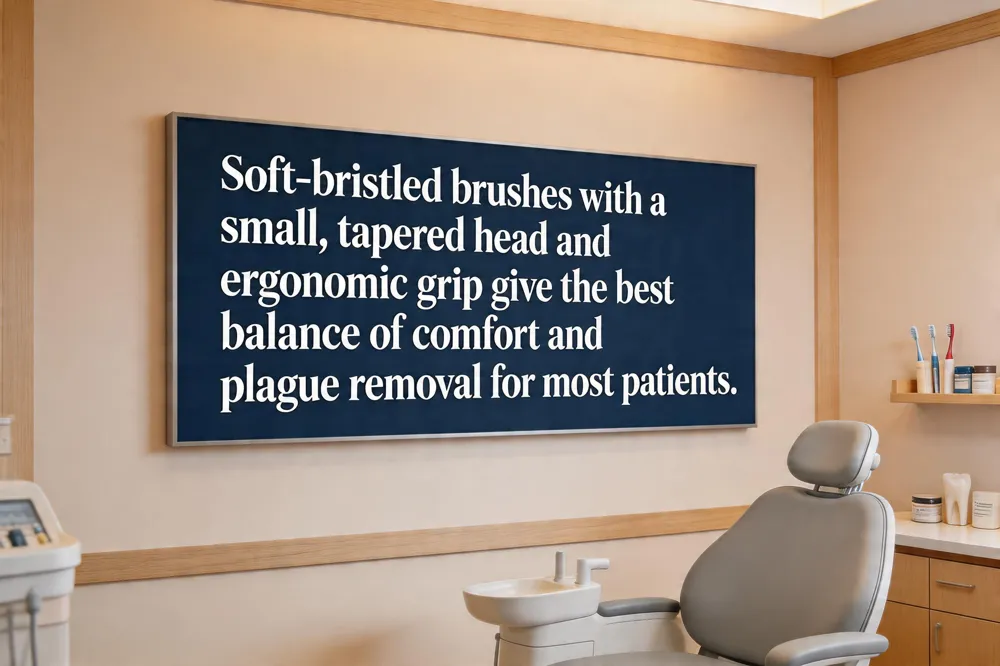 The American Dental Association (ADA) advises soft‑bristled toothbrushes for most patients because they clean effectively while protecting enamel and gums. Soft bristles are gentle enough for children, people with sensitive teeth, receding gums, or recent dental work. Medium‑bristled brushes can be used when gums are healthy and the user applies light pressure, but they require careful technique to avoid abrasion. Hard bristles are generally discouraged for natural teeth as they can wear enamel and irritate gum tissue; they may be limited to special cases such as denture cleaning. In practice, a soft‑bristled brush—preferably with a small, tapered head and an ergonomic, non‑slip grip—offers the safest balance of comfort and plaque removal. For those who tend to brush hard, soft bristles protect against gum recession and enamel wear, while a medium brush may feel more vigorous if used gently. Always consult your dentist for a personalized recommendation.
Electric vs Manual: Which Is Best for You?
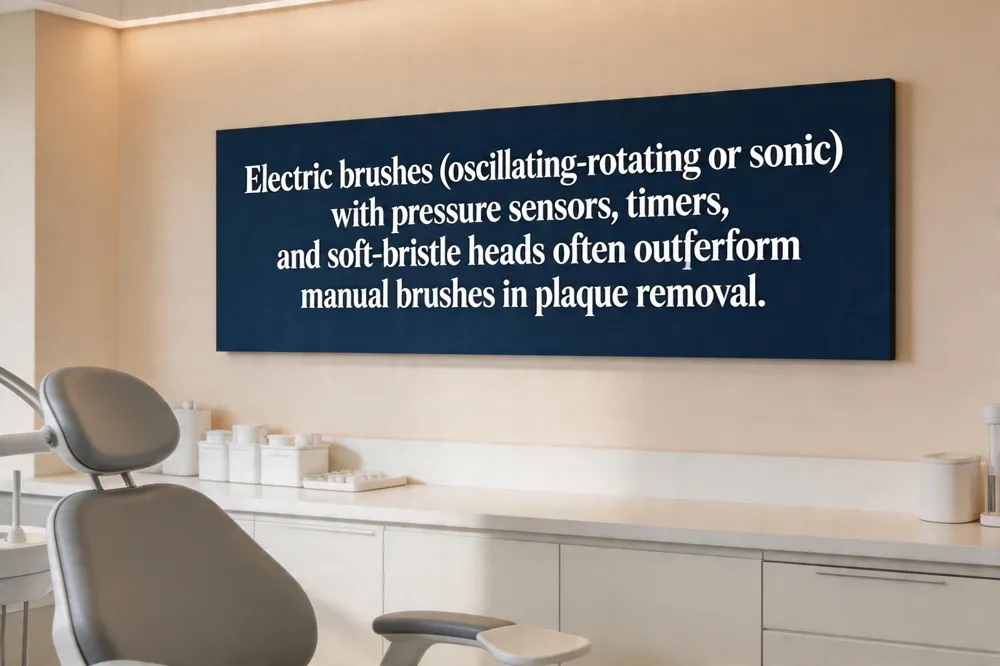 The American Dental Association (ADA) backs both manual and powered brushes, but electric models often edge out manual ones in plaque removal because of built‑in timers, pressure sensors, and high‑frequency motions.
Best ADA‑approved electric toothbrush – The Oral‑B iO Series 5 is widely regarded as the top ADA‑approved electric brush. It features a 3‑D oscillating‑rotating action, a pressure sensor, a four‑quadrant timer, and five cleaning modes, all meeting the ADA’s safety and efficacy standards.
What toothbrush do most dentists recommend? – Dentists favor electric brushes with soft‑bristle heads, pressure sensors, and timers (e.g., Oral‑B iO/Pro series, Philips Sonicare). If you prefer manual, choose a soft‑bristle, small‑head brush and replace it every 3‑4 months.
Dentist‑recommended electric types – Oscillating‑rotating (Oral‑B) and sonic (Philips Sonicare) brushes are both ADA‑approved; look for automatic 2‑minute timers, pressure feedback, and affordable replacement heads.
How to choose the right electric brush – Decide between oscillating or sonic motion, ensure a built‑in timer with quadrant alerts, pick a model with a pressure sensor, and consider handle ergonomics and battery life.
Best for receding gums – Oral‑B Genius X Limited offers soft bristles, a pressure‑sensor, Gentle mode, and Bluetooth coaching to protect delicate gum tissue.
Best for sensitive gums – Oral‑B Pro 3000 Series or Philips Sonicare ProtectiveClean provide soft‑touch heads, pressure sensors, and a dedicated Sensitive/Gum‑Care mode for gentle, effective cleaning.
Special Populations and Needs
 Children’s oral‑care: pediatric dentists advise a small‑head, ultra‑soft brush that fits a child’s mouth and protects delicate gums. For infants (0‑3 years) a silicone finger brush or a tiny manual brush such as the Oral‑B 0‑3 Winnie‑the‑Pooh works well; after age 3 a child‑size manual brush with a fun character or a gentle electric brush with a timer (e.g., Oral‑B 6+) encourages consistent use. Replace every three months or sooner if bristles fray.
Chemo patients: chemotherapy can cause mucositis and heightened sensitivity, so a supersoft, narrow‑head brush (Biotene® Supersoft, Sensodyne® Extra‑Soft, Colgate® 360 Sensitive Compact) minimizes trauma while cleaning all surfaces. Change the brush every 3–4 months, or sooner if worn, and pair with fluoride toothpaste for added decay protection.
Special‑needs considerations: the Collis Curve Toothbrush, with a flexible, curved head and soft bristles assists individuals with limited dexterity or gag reflexes, allowing easier plaque removal for users or caregivers.
Aluminum‑handle brushes: The Colgate Keep Manual Toothbrush features a lightweight aluminum handle for durability and a non‑slip grip, combined with soft bristles that clean gently while resisting wear.
General hygiene: Replace any brush after a norovirus episode to prevent re‑infection, and limit deep kissing while gingivitis is active to reduce bacterial transmission.
Targeted Solutions for Gum and Sensitive Issues
 Best manual toothbrush for receding gums
The Curaprox CS 5460 is widely regarded as the top manual brush for receding gums. Its ultra‑soft, high‑quality bristles and tiny, rounded tips clean gently without irritating delicate tissue, while the ergonomic handle promotes proper pressure.
Best toothbrush guide for sensitive gums
Choose soft or extra‑soft, tapered, end‑rounded bristles. Look for built‑in pressure sensors or “Sensitive/Gum Care” modes that alert you to excessive force. A compact, ergonomic head improves access to back molars. Electric options such as Oral‑B Genius X Limited, Philips Sonicare ProtectiveClean, or BURST Pro Sonic combine power with gentle‑focused features, timers, and quadrant pacers.
Best manual toothbrush for sensitive gums
The Radius Source (vegetable‑nylon, ultra‑soft bristles) offers a massaging head that distributes pressure evenly. It meets ADA safety standards and is recommended for bleeding or receding gums. Replace every three months.
Best manual toothbrush for gingivitis
Colgate 360 Advanced Floss Tip combines ultra‑soft bristles with floss‑like edges to clean interproximal areas, effectively reducing plaque and gingivitis. Use a small head and replace quarterly.
Best toothbrush guide for sensitive gums adults
Adults should select ultra‑soft brushes (e.g., Colgate Gum Expert Ultra Soft) or electric models with pressure sensors and a dedicated “Sensitive” mode. Maintain a 45‑degree angle, gentle circular motions, and a two‑minute timer for optimal gum health.
Maintaining Your Brush and Oral Hygiene Routine
 A healthy oral‑care routine starts with a proper replacement schedule: swap your brush every three to four months, or sooner if the bristles look frayed or matted. When storing, keep the brush upright and let it air‑dry; a moist, closed container encourages bacterial growth. For an extra clean brush, soak it once a week in 3% hydrogen peroxide or an FDA‑cleared mouthwash—studies show this can cut bacterial load by about 85%.
Self‑assessment quizzes help you match a brush to your needs. Answer questions about mouth size, brushing pressure, and any sensitivities; the quiz will suggest head size, bristle softness (soft, medium‑soft, or extra‑soft), and whether a manual or electric model with pressure sensors fits your lifestyle.
Additional steps: floss daily, use a fluoride toothpaste, and consider a gentle gum‑care mode on electric brushes for sensitive gums.
What toothbrush do dentists use during cleaning? Dentists recommend a soft‑bristled, ADA‑approved brush for home use, but during professional cleanings they employ ultrasonic scalers, curettes, and polishing cups, not a regular toothbrush.
Toothbrush for gums, no teeth? Use a soft‑bristled gum brush or denture brush with dual heads—wide for sweeping gums and narrow for palate access. Ultra‑soft electric heads work well too.
How to choose the right toothbrush quiz? Answer a few questions about mouth size, brushing force, and sensitivities; the quiz suggests head size, bristle softness, and manual vs. electric options.
How do I know if my toothbrush has soft bristles? Check the packaging label (soft, extra‑soft). Soft bristles bend easily, feel flexible, and glide without a scratching sensation.
What is the 3‑3‑3 rule for brushing teeth? Brush three times a day, within three minutes after meals, for at least three minutes each session.
Can I kiss my boyfriend with gingivitis? Deep kissing can transfer harmful bacteria; active gum disease may increase infection risk for the partner.
Putting It All Together: Choosing Your Perfect Brush
 The American Dental Association (ADA) Seal of Acceptance guarantees that a toothbrush meets strict safety and efficacy standards; popular ADA‑approved electric models include the Oral‑B iO Series 5 and Series 2, while manual favorites are the Oral‑B Vivid Whitening and Colgate Extra Clean Soft‑Bristle brushes. Consumer Reports’ 2026 review highlights the Philips Sonicare DiamondClean Smart 9300 for overall cleaning power, the Oral‑B iO Series 2 for pressure‑sensor protection of sensitive gums, and the budget‑friendly AquaSonic Black Series SCTB. The Colgate Keep Deep Clean manual brush adds a lightweight aluminum handle, Floss‑Tip bristles that reach four times deeper, and a replaceable head that cuts plastic waste by 80 %. For a brighter smile, the Colgate Max White toothbrush uses polishing‑star bristles that lift surface stains while remaining soft on gums. Dentists consistently recommend manual brushes with soft or extra‑soft bristles, a small ergonomic head, and regular replacement every three months—top clinician picks include the Radius Source vegetable‑nylon brush, Oral‑B Cross Action, and Colgate Extra Clean. Pair any of these brushes with gentle 45‑degree‑angle strokes, a two‑minute timer, and fluoride toothpaste for optimal oral health.
Your Path to Better Oral Health
Choosing the right brush starts with three facts: soft bristles protect gums and enamel, a small head reaches tooth surface, and replacing the brush every three to four months preserves cleaning power. Whether you prefer a manual brush with an ergonomic grip or an electric model with a timer and pressure sensor, the ADA Seal of Acceptance guarantees safety and efficacy. At Dr. Parrella’s office, the team reviews your oral‑health history, assesses dexterity and orthodontic appliances, and suggests a brush style and head size that fits your mouth. Test a few options, consider color or handle comfort, and pick the brush that feels best for you. Personalizing habit can dramatically improve plaque control, gum health, and confidence in smiling.