Understanding the Importance of Gum Health
Benefits of Maintaining Good Oral Hygiene
Healthy gums are pink, firm, and fit snugly around the teeth, providing a strong foundation for oral health. Maintaining good oral hygiene prevents plaque buildup which can lead to gum disease such as gingivitis and periodontitis, conditions that cause gum inflammation, bleeding, and even tooth loss if left untreated.
Good gum health also supports overall wellness by reducing risks of systemic conditions like heart disease, diabetes, and respiratory infections. It aids in enjoying nutritious foods comfortably and helps preserve natural teeth as we age.
Why Oral Hygiene is Important in Daily Life
Daily practices like brushing twice a day with fluoride toothpaste and using a soft-bristled toothbrush help remove harmful bacteria and plaque. Flossing daily cleans areas between teeth that brushing can't reach, preventing inflammation and infection along the gum line.
Regular dental checkups every six months ensure early detection and treatment of gum problems, helping to maintain a healthy smile and avoid costly treatments. Avoiding tobacco and managing diet by limiting sugary snacks also supports gum health.
Proper oral hygiene is essential not only for a bright smile but for overall health and quality of life.
Building a Natural Defense: Daily Habits for Healthy Gums

What daily habits protect and promote healthy gums?
Maintaining healthy gums starts with a consistent Best practices for oral hygiene. Brushing gently twice a day for at least two minutes using a Using a soft-bristle toothbrush helps remove plaque without damaging the gum tissue. Proper brushing involves angling the brush at 45 degrees toward the gumline and using gentle circular motions to clean all tooth surfaces and the gums.
Daily Flossing daily is essential to clear away plaque and food particles from between the teeth and just below the gumline, areas a toothbrush cannot reach. This helps prevent bacterial buildup that leads to gum inflammation and gum disease.
Using an Choosing antibacterial mouthwashes, particularly those with ingredients like chlorhexidine or essential oils, can further reduce harmful bacteria and support gum health, especially in those showing early signs of gingivitis.
How to keep teeth and gums healthy naturally?
Natural methods also contribute significantly to gum health. Drinking plenty of water keeps the mouth hydrated and aids saliva flow, which helps neutralize harmful acids and wash away food particles.
Eating a balanced diet rich in Consuming a healthy diet rich in vitamin C and calcium and antioxidants strengthens the gums and supports healing. Foods such as leafy greens, dairy products, fruits, and vegetables nourish gum tissue and help reduce inflammation.
Avoiding smoking and tobacco products and managing stress positively impacts gum health since smoking increases the risk of gum disease and delays healing, while stress impairs immune function.
Daily habits that protect and promote healthy gums
- Brush twice daily with a Using a soft-bristle toothbrush using gentle circular motions
- Flossing daily to clean between teeth and below the gumline
- Rinse with an Choosing antibacterial mouthwashes as recommended
- Stay hydrated to maintain saliva flow
- Eat a nutrient-rich diet with Consuming a healthy diet rich in vitamin C and calcium
- Avoid Avoiding smoking and tobacco products and reduce stress
- Visit the dentist regularly every six months for professional cleanings and early detection
These daily habits form a natural defense that preserves the foundation of your smile by keeping gums healthy, firm, and free from disease.
Recognizing and Responding to Signs of Poor Oral Hygiene
What are signs of poor oral hygiene?
Signs of poor oral hygiene include persistent bad breath, visible plaque buildup, swollen or bleeding gums, and tooth decay. You might also notice gums that bleed during brushing or flossing, gums that have receded away from the teeth, or even loose teeth. Mouth sores or constant discomfort when eating or brushing can also signal oral health issues.
These signs not only reflect problems in your mouth but can affect your overall well-being since gum disease and its stages has links to heart disease, diabetes, and other health concerns.
Early symptoms of gum disease
Gum disease begins with plaque buildup and gum inflammation, known as gingivitis. Early symptoms include red, tender, and swollen gums that may bleed easily during brushing or flossing. If left untreated, it can progress to periodontitis, a more serious condition leading to gum recession, loose teeth, and even tooth loss.
Importance of early intervention
Recognizing these early symptoms and acting quickly is crucial. Maintaining a routine of brushing twice daily with a soft-bristled toothbrush, flossing daily, choosing antibacterial mouthwashes, and regular dental checkups can reverse early gum disease and prevent progression. Early intervention helps preserve your natural teeth, supports healthier gums, and protects your overall health.
Staying alert to changes in your oral health and seeking advice from dental professionals ensures you maintain a healthy smile and reduce risks for systemic diseases associated with poor oral hygiene.
Optimizing Your Oral Hygiene Routine for Maximum Gum Health

What is the proper order for an effective oral hygiene routine?
An effective oral hygiene routine follows a clear sequence to maximize Maintaining Gum Health. Start by rinsing your mouth with an Using an antibacterial mouthwash daily to reduce harmful bacteria and freshen breath. This initial step helps prepare your mouth by lowering bacterial load.
Next, brush your teeth for at least two minutes using a Using a soft-bristled toothbrush and fluoride toothpaste. Use gentle circular motions and angle the brush at about 45 degrees towards the gum line to remove plaque effectively without injuring your gums. Don't forget to Brushing the tongue for oral health to eliminate bacteria that cause bad breath and contribute to oral health problems.
After brushing, Flossing once daily to clean between teeth and just below the gum line. Use about 18 inches of floss, winding it around your fingers and curving it around each tooth in a "C" shape to gently slide beneath the gum line. For those with braces, implants, or bridges, water flossers offer an excellent alternative to reach difficult areas.
Finally, chewing sugar-free gum containing xylitol can stimulate saliva production, which helps neutralize acids and wash away food debris between brushing sessions.
Following this organized oral care routine helps maintain firm, pink gums free from swelling or bleeding, supporting your overall oral and systemic health.
Diet and Lifestyle: Enhancing Gum Health and Overall Oral Wellness
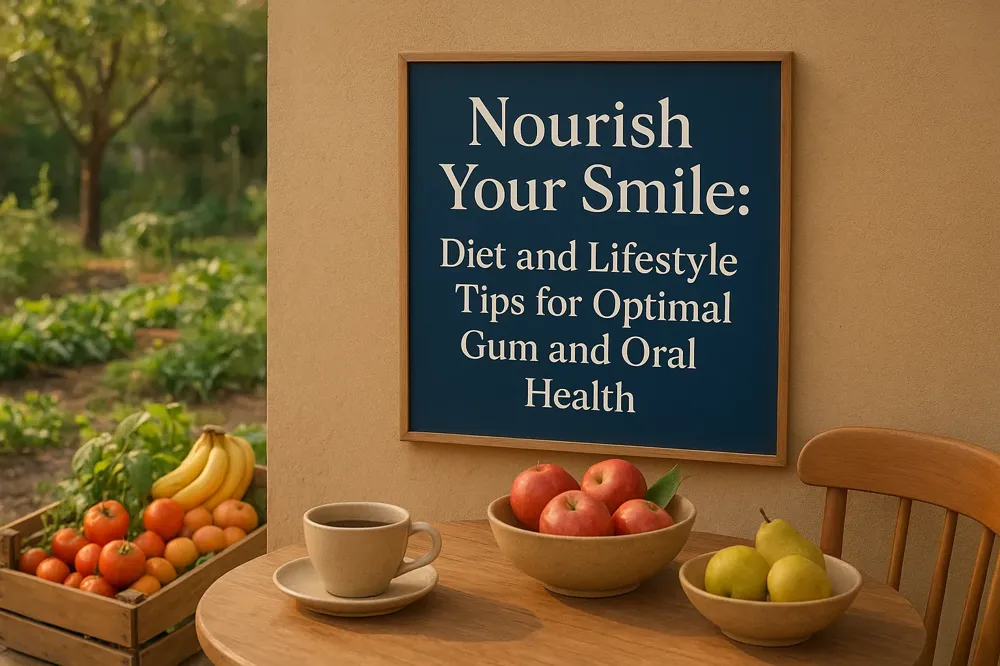
How can I keep my teeth and gums healthy naturally?
To naturally maintain healthy teeth and gums, it's important to follow a comprehensive oral hygiene and cavity prevention alongside mindful dietary and lifestyle choices.
Dietary influences on gum health
A balanced diet rich in Vitamin C and calcium, and antioxidants significantly supports gum strength and healing. Foods like dark leafy greens, dairy products such as milk and cheese, nuts, and crunchy fruits and vegetables promote strong teeth and healthy gums by supplying essential nutrients. Limiting sugary and acidic foods curbs plaque formation and reduces the risk of decay and gum inflammation.
Avoiding tobacco and harmful habits
Tobacco use is a major risk factor for gum disease, reducing blood flow to gum tissue and increasing vulnerability to infection. Quitting smoking and avoiding tobacco products for oral hygiene greatly improves gum health and overall oral healing. Likewise, moderating alcohol intake and avoiding excessive consumption of sodas and energy drinks supports a healthier oral environment.
Role of hydration and stress management
Staying well-hydrated by drinking fluoridated water helps wash away food particles and bacteria, protecting teeth and gums naturally. Managing stress is also vital, as high stress levels can impair immune response and worsen gum disease. Techniques like meditation, exercise, journaling, or yoga can promote better oral and systemic health.
Together, these natural habits — Regular dental exams and cleanings, Brushing twice daily with fluoride toothpaste, Flossing once daily, Using an antibacterial mouthwash daily, Avoiding tobacco products for oral hygiene — nutrient-rich diet, avoidance of tobacco, proper hydration, and stress control — form a foundation for lasting gum health and a bright, confident smile.
Brightening Your Smile Through Gum Care and Professional Support

What are effective ways to improve and brighten my smile?
Maintaining a bright smile starts with Healthy gums and tooth stability. Brushing twice daily with fluoride toothpaste and Flossing once daily are foundational steps to remove plaque and prevent gum disease, which keeps your gums pink and your teeth bright. Regular drinking of water also helps rinse away food particles and bacteria that can dull your smile.
Avoiding foods and drinks that stain, such as coffee, tea, red wine, and dark berries, supports Tips to maintain a bright white smile. If stains or discoloration persist, professional teeth whitening treatments available from your dentist can provide significant improvement. These include Professional in-office whitening treatments or dentist-supervised at-home kits, both safe and effective when approved by dental professionals.
Cosmetic dental options like dental bonding, crowns, or porcelain veneers offer solutions for teeth that are deeply stained, misshaped, or damaged, restoring a smooth and uniform appearance. Orthodontic treatments, including braces or clear aligners, can straighten teeth, enhancing smile aesthetics and gum health.
Why are regular dental visits important?
Regular dental checkups, ideally twice a year, are crucial for maintaining gum health and a bright smile. Dentists can remove tartar buildup that regular brushing misses, detect early signs of gum disease, and provide cleanings that reduce surface stains. They also monitor oral health to recommend whitening or restorative procedures when needed. These visits enable early intervention, preventing more extensive problems and keeping your smile healthy and radiant.
What professional whitening and cosmetic treatments are available?
Professional teeth whitening treatments administered by your dentist can brighten teeth by several shades safely. Options include in-office bleaching procedures that offer immediate results and customized take-home kits for convenience.
For deeper or uneven discoloration, dental bonding involves applying a tooth-colored resin to cover stains and improve tooth shape. Porcelain veneers are polished, stain-resistant shells that cover the front surface of teeth, offering a long-lasting solution for a uniformly white smile.
Your dentist can help determine the best treatment based on your desired results, oral health, and lifestyle. In all cases, regular oral hygiene and gum care remain essential to maintaining the benefits of these treatments.
Commit to Lifelong Gum Health for a Radiant Smile
The Benefits of Caring for Your Gums
Healthy gums are the foundation of a beautiful, strong smile. They protect your teeth by forming a tight seal that blocks bacteria, reducing risks of gum disease and tooth loss. Maintaining good gum health also supports overall wellness, lowering the chance of heart disease, diabetes, and other health issues linked to gum infections.
Stay Consistent with Oral Hygiene and Dental Care
Brushing gently twice a day with a soft-bristled toothbrush and fluoride toothpaste, combined with daily flossing, helps keep plaque at bay. Regular dental checkups every six months allow for early detection and treatment of any issues, ensuring your gums stay pink, firm, and healthy for life. This simple yet consistent care preserves your smile’s beauty and benefits your entire body’s health.