Welcome to Your First Visit: Setting the Stage for a Positive Dental Experience
Creating a welcoming and comfortable environment
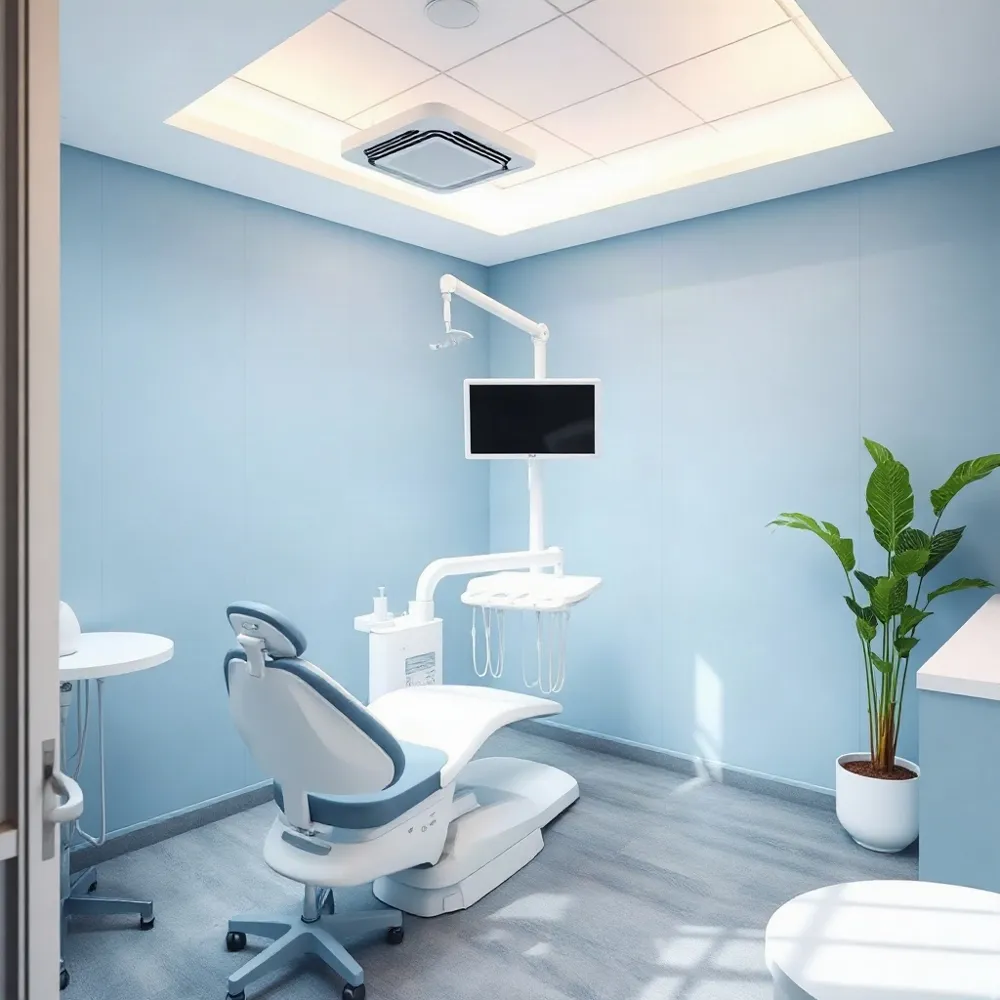
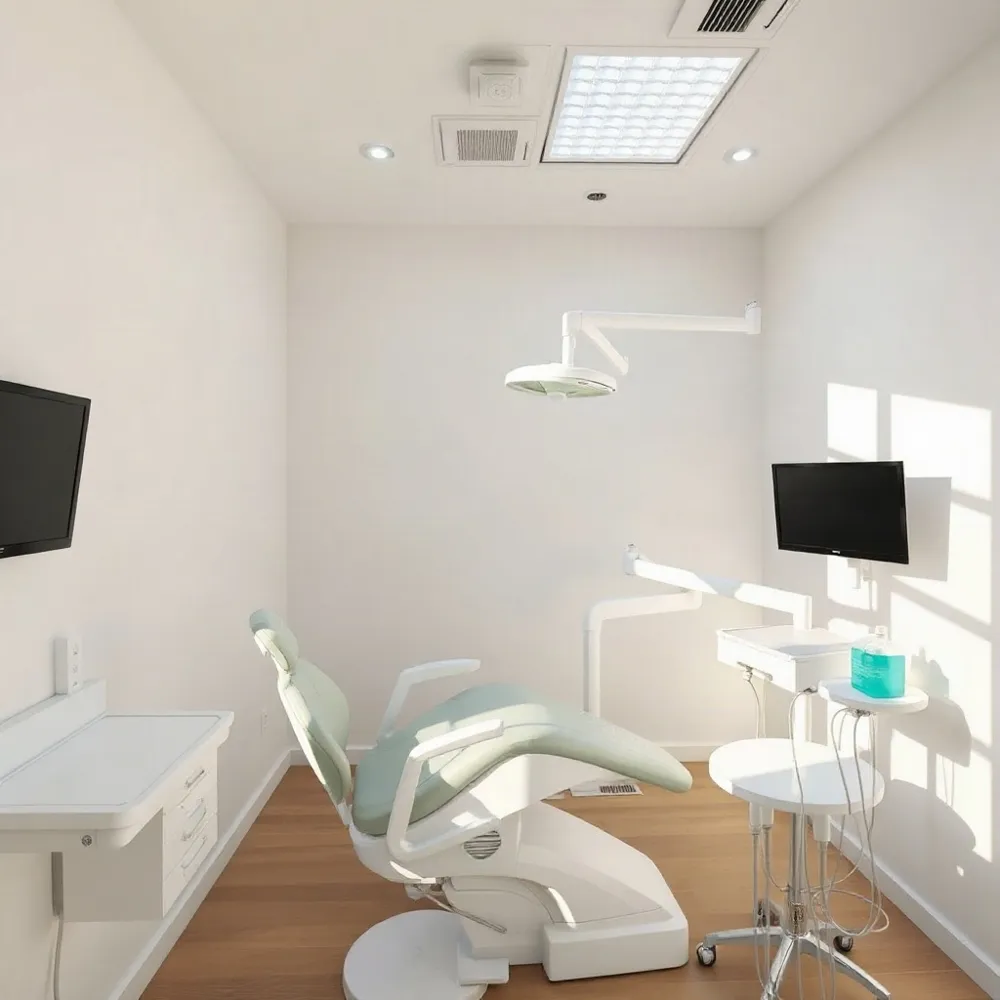
Your first dental appointment will begin with a warm welcome from a friendly team member who will greet you by name. This personal approach helps set a positive tone and reduces any anxiety you might feel. Many dental offices aim to create a calm, inviting space for you and your family, often offering amenities such as refreshments and digital communication tools to ease the experience.
Personalized care in a family-run dental practice
Family-run dental offices take special care to know your unique dental and medical history. By reviewing this information thoroughly before your exam, the dental team can tailor treatments and advice to meet your individual needs. This personalized approach ensures your care is safe, effective, and focused on your smile goals. You’ll also receive guidance on preventive care to maintain your oral health between visits.
The importance of building a long-term patient-dentist relationship
Establishing trust and communication during your first visit is essential for ongoing oral health. Your dental team is here to listen to your concerns, answer questions, and partner with you on your dental journey. Regular checkups and personalized treatment plans help detect issues early, making it easier to protect your smile and wellbeing for years to come. Building this relationship encourages confidence and comfort during every appointment.
Preparing for Your First Appointment: What You Need to Know
How do I prepare for my first dentist appointment?
Preparing for your first dental appointment can be simple and stress-free with a few helpful steps. It’s recommended to complete new patient forms online if possible, or arrive early to fill out paperwork comfortably. Bringing your dental insurance card, along with a complete dental and medical history, helps the dental team tailor your care.
What documents and information should I bring?
Bring any recent dental records if available and a comprehensive list of your current medications, including supplements. This information supports safe and effective dental treatment planning. Also, prepare a list of questions or concerns to discuss with your dentist to make the most of your visit.
How can I prepare my oral health for the visit?
Practicing good oral hygiene by brushing and flossing before your appointment ensures the dentist can clearly evaluate your mouth. Avoid skipping your regular brushing routine on the day of the appointment.
What helps reduce appointment stress?
Arriving 10 to 15 minutes early reduces stress by allowing time for paperwork and getting settled. If you experience managing dental anxiety, try calming techniques such as deep breathing, listening to soothing music, or bringing a supportive companion. Communicating your anxiety with the dental staff can also help them provide a comforting experience.
These preparations foster a smooth, confident first dental visit focused on building a lasting, trusting relationship with your dental care team.
What to Expect During Your First Dental Visit
What happens during a dental appointment?
Your first visit at our family-run dental practice in Somerville, MA begins with a warm greeting and thorough review of your providing dental and medical history to personalize your care safely. We check your blood pressure and conduct an oral cancer screening importance, important steps recommended for all patients.
Comprehensive Oral Examination Procedures
The dentist performs a comprehensive dental exams assessing your teeth, gums, bite, jaw alignment, and previous dental work. This helps identify decay, gum disease, bite issues, or other concerns early.
Digital X-rays and Their Benefits
We use advanced digital dental X-rays that emit very low radiation, far less than traditional films. These include panoramic and bitewing X-rays to uncover hidden problems like cavities between teeth, bone loss, or impacted teeth.
Professional Teeth Cleaning and Polishing
A skilled hygienist gently removes plaque and tartar removal using specialized tools, followed by polishing to leave your teeth smooth and bright. The professional teeth cleaning process also includes flossing and rinsing and typically lasts about 30 to 60 minutes.
Patient Education on Home Care and Prevention
We provide tailored advice on home dental care tips, brushing, flossing, fluoride use, and diet to prevent future dental issues. You'll learn techniques to maintain a healthy smile at home.
Discussion of Treatment Options and Costs
After your exam, the dentist discusses findings with you, presenting dental treatment planning options and explaining discussing dental costs and options clearly so you can make informed decisions.
Scheduling Follow-Up Visits and Appointment Reminders
We assist in scheduling dental follow-up visits and routine hygiene visits. To help you stay on schedule, we offer appointment reminders via email or digital communication in dentistry.
This comprehensive approach ensures not only early detection and treatment but also fosters a trusting, patient-centered relationship focused on your lifelong oral health.
Understanding Routine Dental Check-Ups and Their Importance
What does a routine dental check-up consist of?
A routine dental check-up typically begins with patients providing their providing dental and medical history through questionnaires. During the visit, trained hygienists or certified dental assistants perform professional teeth cleaning, which includes plaque and tartar removal that regular brushing cannot eliminate. This cleaning also involves polishing teeth to remove stains and improve appearance.
What steps are involved in the exam and cleaning process?
- Review of Health history review at dental visit
- oral cavity assessment
- Professional dental cleaning process
- Taking digital dental X-rays if needed to detect cavities or bone issues
- Oral cancer screening importance as part of the examination
digital dental X-rays emit minimal radiation and help reveal hidden problems like decay, impacted teeth, or bone loss. The dentist carefully examines the gums and other soft tissues to identify any signs of disease.
How do dental offices manage insurance and follow-up care?
Alongside the clinical examination, the dental office reviews your providing dental insurance information to verify benefits and estimate costs. Based on findings, the dentist will discuss any necessary treatments or preventive measures and recommend scheduling dental follow-up visits. Regular visits every six months or as advised help maintain oral health and prevent serious conditions.
Why are routine check-ups important?
Routine dental check-ups allow early detection and management of dental issues such as cavities, gum disease, and oral abnormalities. These annual dental checkups are vital for fostering lifelong oral health and enhancing overall well-being.
| Step | Description | Purpose |
|---|---|---|
| Patient History | Review of Preparing Your Dental History | Personalized care planning |
| Professional Cleaning | Removal of plaque and tartar, polishing | Prevent disease and restore shine |
| X-rays | digital dental X-rays | Detect hidden issues |
| Clinical Exam | Inspection of teeth, gums, soft tissues | Early identification of problems |
| Insurance Review & Scheduling | Verify benefits and plan scheduling dental follow-up visits | Ensure affordability and continuity |
Special Considerations for Children’s First Dental Visits
When Should a Child Have Their First Dental Appointment?
Children should visit the dentist within 6 months after the appearance of their first tooth or by their first birthday at the latest. Early dental visits help prevent tooth decay and set the foundation for lifelong oral health. For detailed information, see "Child's first dental visit".
How Can Parents Prepare Children to Reduce Anxiety?
Parents can ease children's dental fears by discussing the visit positively and describing what will happen. Role-playing the visit at home and reading storybooks about dental care familiarizes children with the experience. Scheduling appointments in the morning when children are rested, encouraging them to bring a favorite toy, and maintaining a calm, confident attitude can make the visit more comfortable. Learn more about "How to prepare your child for their first dental visit".
What Happens During a Pediatric Dental Exam?
Most first visits last 30 to 45 minutes and include a gentle exam of teeth, jaws, gums, and oral tissues. If needed, a cleaning will be done using child-friendly techniques. X-rays may be taken if necessary, focusing on minimizing radiation exposure. The dentist will assess development and offer guidance for home oral care. Refer to "First dental visit for baby" for more details.
What Preventive Care Is Recommended for Infants and Young Children?
Before teeth emerge, cleaning gums with a damp cloth helps maintain oral health. Once the first tooth appears, use a soft-bristled toothbrush with a small smear of fluoride toothpaste. After age 3, a pea-sized amount of fluoride toothpaste is appropriate. Regular dental checkups every six months are advised to monitor oral health. See recommendations on "Preventive dental care for infants".
What Dietary and Oral Hygiene Tips Promote Healthy Teeth?
Avoid giving children bottles filled with milk, juice, or sweetened liquids at bedtime to prevent baby bottle tooth decay. Limit sugary and sticky treats like candies and fruit leather. Instead, offer whole fruits rather than juices. Parents should assist children with brushing until about age 7 or 8, demonstrating proper techniques. Explore more on "Brushing techniques for young children".
How Do Dental Practices Create a Positive Environment for Children?
Dental offices focus on warm, welcoming atmospheres tailored to children. Friendly staff, a child-friendly decor, and gentle communication help children feel safe and relaxed. Addressing behavioral tendencies and providing a comforting environment contribute to positive dental experiences and long-term oral health habits. For strategies, see "Creating a welcoming environment for children".
Optimizing Your Dental Care: The 80/20 Rule in Dentistry and Beyond
What is the 80/20 rule in dentistry?
The 80/20 rule in dentistry means that 80% of positive results often stem from just 20% of focused efforts. This concept helps dental practices prioritize the most effective treatments and preventive measures to achieve the best outcomes efficiently (preventive dental care measures).
Explanation of the 80/20 rule in dental practice efficiency
By identifying key procedures and patient education moments that yield the greatest health benefits, dental offices streamline care. This approach reduces unnecessary treatments while emphasizing impactful habits like routine dental cleanings and preventive dental care measures.
Focusing on critical preventive care and patient education
Preventive care, such as professional teeth cleaning, fluoride applications, and patient guidance on home dental care tips, forms the core 20% efforts that maintain 80% of oral health. Educating families about diet, brushing techniques, and early detection empowers lasting dental wellness (first dental visit timing).
Importance of routine visits and early detection
Regular dental visits every six months allow early diagnosis of issues like cavities and gum disease, preventing complex problems later (Visiting the dentist every six months). Early detection and personalized dental treatment planning reduce the need for extensive procedures, supporting the 80/20 efficiency model (early detection in dental health).
Balancing treatment and patient comfort
A family-run practice often prioritizes thoughtful communication and gentle care strategies. By addressing managing dental anxiety and building trusting relationships, they ensure patients feel comfortable and engaged, which improves adherence to preventive routines (sedation options for dental patients, calming techniques in dentistry.
How a family-run practice embodies personalized care for better outcomes
Smaller, local practices can tailor scheduling dental follow-up visits, follow-ups, and education to individual family needs. This personalized approach aligns with the 80/20 rule by focusing on meaningful interactions that sustain long-term oral health for the whole family (Providing child's health history to dentist.
Building a Lifelong Partnership for Your Oral Health
Preparation and Expectations
Before your visit, complete any new patient forms and gather dental insurance and medical history to ensure personalized care. Arrive early to relax and ask any questions you have about your oral health goals. Expect a welcoming and thorough first exam including digital X-rays, a professional cleaning, and discussion of treatment options.
Routine Care and Early Detection
Regular dental visits every six months help detect issues early like cavities and gum disease, preventing bigger problems. Scheduling follow-up appointments and maintaining good home care are vital parts of this ongoing process.
Open Communication and Trust
Honest dialogue about fears, treatment preferences, and oral hygiene helps build trust and creates a comfortable environment. Our team listens attentively and tailors care to your needs.
Community Focus
We strive to create a family-friendly practice that supports the local community by promoting healthy smiles for all ages through education, gentle care, and accessible services.