Eliminating Guesswork with Crystal-Clear Digital Imaging
A Safer, Smarter Diagnostic Tool
At Dr. Parrella’s family-run practice in Somerville, digital X‑rays replace traditional film with electronic sensors. This modern technique captures crystal‑clear images of teeth, gums, and bone in seconds—eliminating the wait for film development and exposing patients to up to 90% less radiation.
Patient‑Centered Precision
These high‑resolution images can be instantly enlarged and adjusted on a screen, allowing Dr. Parrella to spot tiny cavities, hidden infections, or early bone loss that might otherwise go unnoticed. The immediate availability of results means faster, more accurate diagnoses and a clearer conversation about your oral health—no guesswork, just compassionate care.
How Digital X-Rays Work and What They Reveal
How are dental digital X-rays performed?
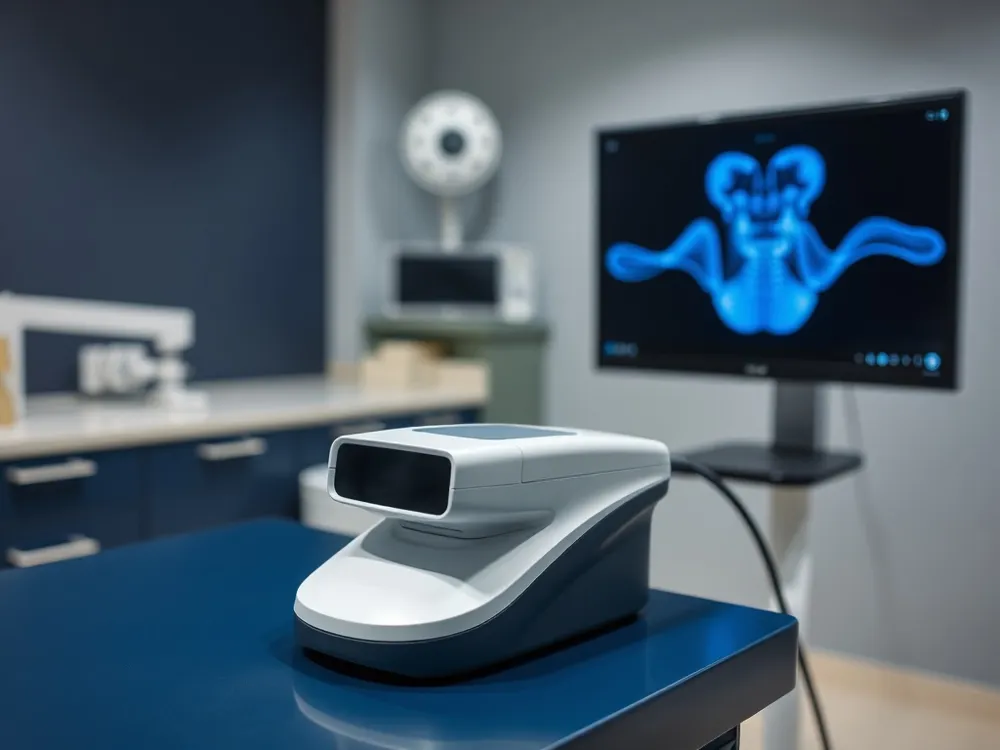
The process is quick and comfortable. A small, flexible sensor is placed inside your mouth. You may be asked to bite gently on a tab to hold it in place. The x-ray machine is activated for a fraction of a second. The image appears on a computer screen almost instantly, eliminating the wait for film development.
What does a digital X-ray show?
Digital X-rays provide a high-resolution view of your teeth, jawbone, and surrounding soft tissues. The enhanced detail allows Dr. Parrella Parrella to spot issues that are invisible during a visual exam alone.
Common findings include:
- Cavities between teeth or under existing fillings
- Bone loss from gum disease (periodontitis)
- Impacted teeth, abscesses, and infections at the infections at the root
- Cysts, tumors, and other hidden abnormalities
Which types are used?
Different views serve specific purposes:
- Bitewing X-rayswing X-rays check for decay between back teeth and monitor bone levels.
- Periapical X-rays capture the entire tooth from crown to root, ideal for detecting infections or abscesses.
- Panoramic X-rays provide a broad view of the whole mouth, jaws, and sinuses, useful for planning implants or assessing impacted wisdom teeth.
Early detection means simpler treatment
By revealing problems early—when they are small and less complex—digital X-rays allow for conservative, often less invasive care. This helps preserve more of your natural tooth structure and reduces the need for extensive procedures.
Safety First: Minimal Radiation with Maximum Protection
Understanding Dental X-Ray Radiation
X-rays are a form of high-energy electromagnetic radiation classified as ionizing. While this might sound concerning, dental doses are exceptionally low and carefully controlled. A standard set of four bitewing X-rays delivers only about 0.005 millisieverts (mSv), and a panoramic X-ray is roughly 0.01 mSv. For perspective, you receive about 0.01 mSv from natural background radiation every single day, totaling about 3.2 mSv per year. The radiation from a dental X-ray is roughly equivalent to what you absorb from a one-day exposure to the natural environment.
How Digital Technology Enhances Safety
Digital X-rays reduce radiation exposure by up to 90% compared to traditional film X-rays. This significant reduction aligns with the ALARA principle (As Low As Reasonably Achievable), which guides dentists to use the smallest dose necessary for clear diagnostic images. There is no strict monthly limit for safe dental X-rays because each exposure is so minimal. Your dentist determines frequency based on your individual oral health needs, following guidelines from the FDA and ADA.
Addressing Common Patient Concerns
Some patients avoid X-rays due to pregnancy or fear of cancer risks. For pregnant patients, single X-rays with proper shielding (leaded apron and thyroid collar) are considered safe for both mother and fetus when needed for immediate dental treatment. Modern digital sensors and protective measures make dental X-rays safe for children and adults alike, with negligible risk. Beyond safety, digital technology offers an environmental bonus: it eliminates chemical processing waste, making these clean images as eco-friendly as they are informative. This comprehensive safety approach lets you benefit from crystal-clear diagnostics without guesswork or worry.
Digital vs. Traditional: Why Modern Imaging Wins
What is the difference between conventional and digital radiography?
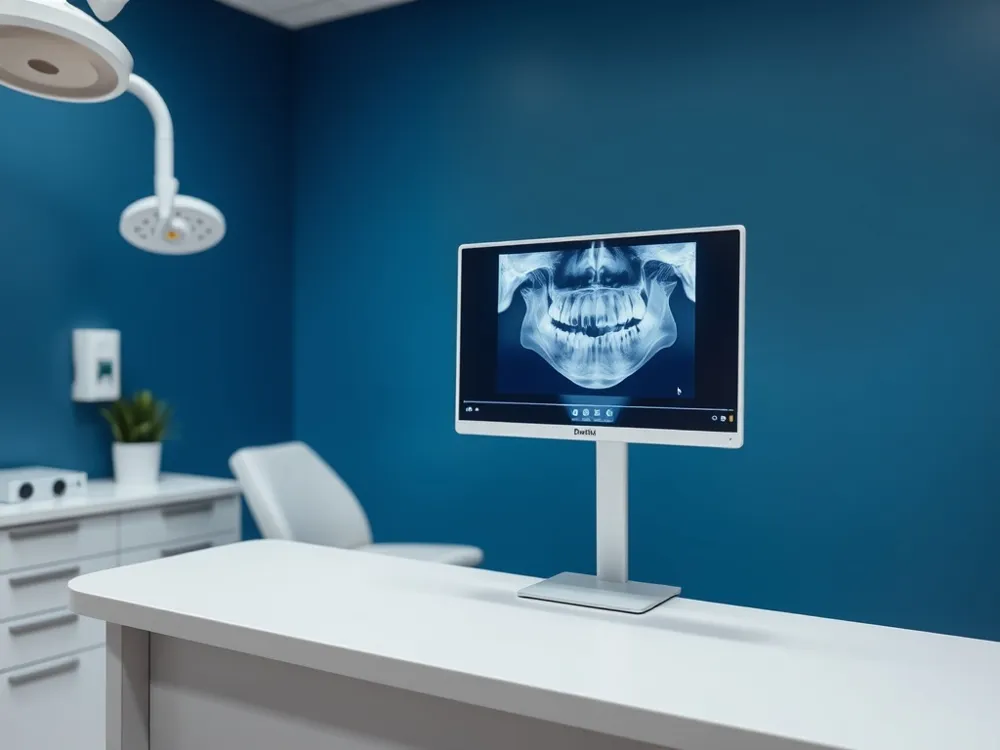
Conventional (film) X‑rays require chemical development in a darkroom, exposing patients to higher radiation and taking several minutes to process. Digital radiography uses electronic sensors to capture images instantly—ready for review within seconds on a computer screen. Radiation exposure drops by 70–90% with digital, as sensors are far more sensitive than film. Unlike fixed film images, digital files can be enlarged, contrast-adjusted, and stored indefinitely without quality loss. Although digital equipment has a higher upfront cost, it eliminates ongoing spending on film and chemicals, making it cost-effective. Traditional film degrades over time and is cumbersome to store and share, whereas digital images are easily archived, retrieved, and transferred electronically to support efficient, connected patient care.
Are digital X‑rays better than traditional film X‑rays?
Yes. Digital X‑rays are safer and diagnostically superior. They expose patients to up to 90% less radiation, a critical benefit for anyone needing frequent imaging—especially children and expectant mothers. Instant image availability means no waiting for film development; dentists can evaluate results immediately during the same appointment. Image quality is markedly higher, capturing 256 shades of grey versus about 25 for film, which helps detect early cavities, fractures, and bone loss. Dentists can zoom and enhance specific areas for precise diagnosis. Digital files also eliminate chemical processing waste and are simple to share with specialists or insurance. For all these reasons, digital radiography has become the modern standard of care.
What are the advantages and disadvantages of dental digital X‑rays?
Advantages dominate of 70–90%, instant images, superior clarity, zoom and enhancement capabilities, easy electronic storage and sharing, and an environmentally friendly, chemical-free process. The main disadvantage is higher initial investment in sensors, computers, and software. There is also a reliance on technology; a system failure can temporarily disrupt imaging. Some practices may need additional training for staff. However, these drawbacks are far outweighed by the diagnostic precision, safety, workflow efficiency, and patient education benefits. Digital X‑rays support earlier, less invasive treatment and give both dentist and patient a clearer, more collaborative path to oral health. They are the clear choice for family-centered care.
A Crystal-Clear View for Smarter, Softer Care
Early Detection with No Guesswork
Digital X‑rays use electronic sensors to capture high‑resolution images instantly, revealing cavities between teeth, bone loss, infections, and other hidden problems far earlier than a visual exam alone. This technology exposes patients to up to 90% less radiation than traditional film, making it safer—especially for children and those needing frequent monitoring. With a crystal‑clear view, Dr. Parrella can diagnose issues when they are smallest, often allowing simpler, less invasive treatment.
Precision Planning for Crowns, Implants, and More
When planning restorative or orthodontic care, digital X‑rays provide precise measurements of tooth roots, bone density, and jaw structure. Whether for a crown, implant, root canal, or braces, the enhanced image quality eliminates guesswork and reduces the chance of surprises during procedures. This means fewer appointments, shorter chair time, and more predictable outcomes.
Seeing Is Understanding
Digital images appear on a screen in seconds, allowing Dr. Parrella to show you exactly what is happening. By zooming in and adjusting contrast, he can explain your oral health clearly, helping you make informed decisions. Patients often feel more confident and engaged when they can see their own X‑rays.
Personalized Care for Somerville Families
Dr. Parrella’s family‑run practice has served the Somerville community for over 50 years. By adopting advanced digital X‑ray technology, the team combines experience with modern diagnostics to deliver safe, personalized care. Every image is taken only when needed, following ALARA safety principles, and stored securely for easy access across visits.
Experience the Difference
From the comfort of a smaller sensor to the speed of instant results, digital X‑rays make your visit smoother and smarter. Trust Dr. Parrella and his staff to use this technology for your best oral health—no guesswork, only clear, compassionate care.
No More Guesswork – Just Clear, Confident Care
Safety, Clarity, and Speed
Digital X‑rays at Dr. Parrella’s practice deliver up to 90% less radiation, instant images, and remarkable clarity. This technology spots hidden cavities, bone loss, and infections early—so treatment is simpler and less invasive.
Dr. Parrella is committed to providing Somerville families with the safest, most precise diagnostic tools available. Experience the difference. Schedule your visit today and see how digital X‑rays eliminate guesswork, giving you clear, confident care.