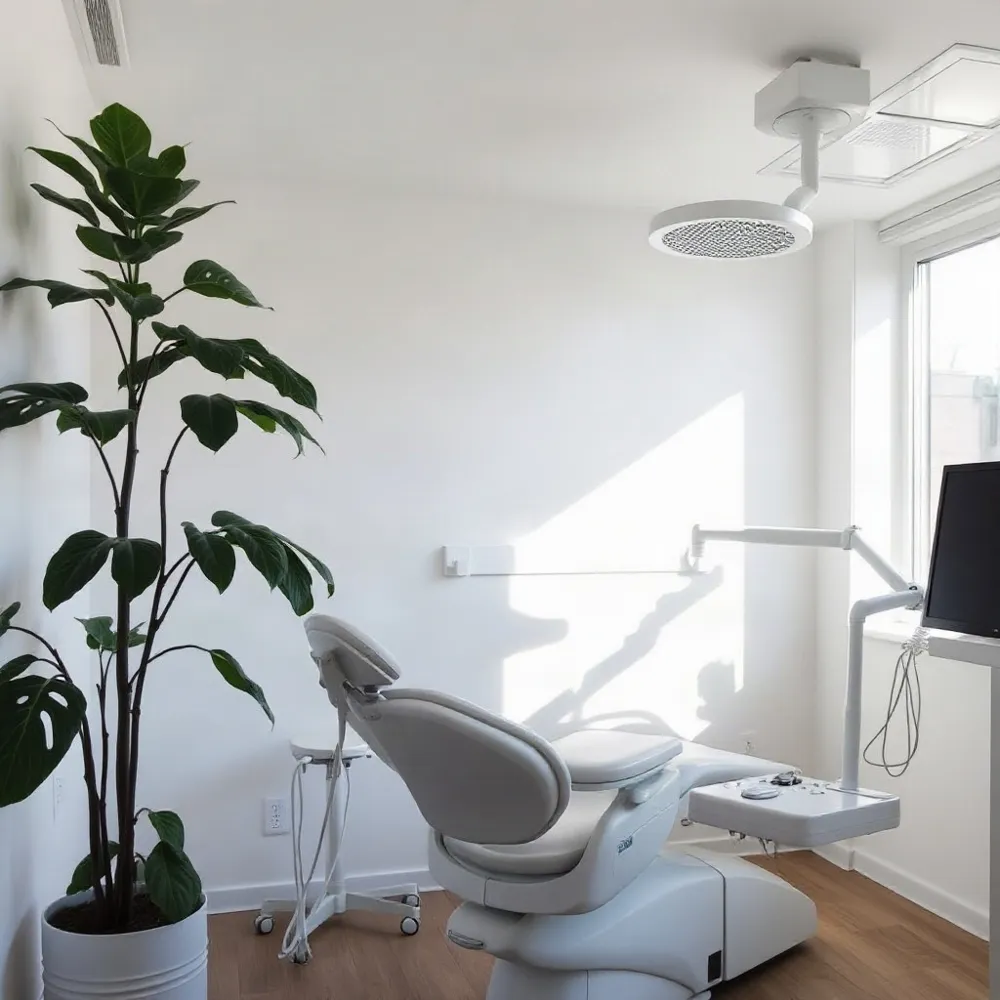
Understanding Dental Anxiety and Its Impact
Prevalence and Causes of Dental Anxiety
Dental anxiety affects a significant portion of the population, with estimates showing that between 50 to 80 percent of adults experience some level of fear related to dental visits. Factors contributing to this anxiety include previous painful experiences, fear of needles or instruments, and the sensation of losing control in a clinical environment.
Biological and Psychological Responses
Dental anxiety triggers the body's natural "fight or flight" response, causing physical symptoms like increased heart rate and muscle tension. This reaction can amplify feelings of fear, making patients more apprehensive about procedures. Psychological elements, such as anticipation of pain and negative past experiences, also heighten discomfort.
Importance of Addressing Dental Anxiety for Regular Care
Addressing dental anxiety is essential to encourage regular visits, which are crucial for preventing oral diseases such as cavities and gum disease. Avoiding dental care due to fear often leads to worsening conditions that require more invasive treatments. Open communication with dental professionals and tailored strategies can help patients feel at ease and maintain consistent oral health maintenance.
Creating a Comfortable and Relaxing Dental Environment
Calming physical environment design
Creating a welcoming and soothing dental environment is essential for helping patients feel relaxed and at ease. Dental practices can design their spaces with calming elements such as soft lighting and uncluttered layouts that reduce feelings of stress and anxiety.
Use of soothing colors and comfortable seating
Colors like soft blues, greens, or pastel tones promote tranquility and comfort. Comfortable seating, including ergonomic dental chairs with adjustable positions and plush cushions, adds to a relaxed atmosphere. Patients often appreciate additional touches like warm blankets or neck pillows that help them settle in during treatment.
Amenities like music, videos, pillows, and aromatherapy
Playing quiet, calming music or allowing patients to listen to music at the dentist through headphones can distract from dental procedure noises. Many clinics provide TVs or videos for distraction. Offering comfort items such as pillows or using aromatherapy with familiar, soothing scents creates a multisensory sense of calm that benefits anxious visitors.
Importance of hygiene and safety protocols
A clean, hygienic environment reassures patients that their health and safety are priorities. Dental offices adhere to strict sterilization, disinfecting surfaces, and protocol compliance, especially critical during times like the COVID-19 pandemic. Knowing these steps are in place helps patients feel confident and comfortable during their visits.
Dr. Anthony P. Parrella plays a central role in his family-run dental practice benefits in Somerville, MA, guiding the delivery of compassionate care within this carefully crafted environment. His emphasis on personalized dental care and patient education enhances the calming experience, encouraging patients to maintain regular dental visits and prioritize their oral health.
Communication and Personalized Care: Keys to Reducing Anxiety
Benefits of Open Communication with Dental Staff
Clear and open conversations with your dentist and dental team are vital for relieving anxiety. When patients openly share their fears, dentists can tailor treatments and provide reassurance throughout the visit. This talking openly with your dentist about anxiety transparency helps build trust, making patients feel heard and respected, which decreases apprehension significantly.
Tailoring Treatments to Patient Fears and Sensitivities
Dentists trained in anxiety management adjust their approach based on individual patient sensitivities, such as fear of needles or discomfort from sounds. They might offer sedation options for dental visits, suggest distraction methods during dental procedures, or use gentle procedures to ease nerves. Personalized care ensures patients feel in control and more comfortable.
Using Clear Explanations and Patient Education
Explaining each step of dental procedures in simple terms alleviates the fear of the unknown. Educating patients about oral health and treatment options empowers them to make informed decisions and reduces feelings of loss of control during appointments. See more about Preparing for a dental appointment.
Implementing Patient Comfort Protocols and Signals for Breaks
Many dental teams encourage patients to use hand signals to indicate discomfort or request breaks. This practice respects patient boundaries and helps manage anxiety during longer treatments by allowing pauses to relax or reset. Learn about using agreed signals to manage anxiety and effective communication with dental team.
What are the Benefits of Personalized Dental Care from a Family-Run Practice?
Choosing a family-run dental practice offers personalized treatment plans tailored to unique needs. These practices emphasize long-term relationships, providing care continuity from trusted providers. Their deep community involvement fosters trust and loyalty, creating a welcoming environment that reduces anxiety for patients of all ages. Moreover, they often offer scheduling flexibility and attentive, compassionate care. Supporting a family-run dental practice benefits like drparrella.com ensures high-quality, individualized dental care while positively impacting the local community.
Effective Relaxation and Distraction Techniques During Dental Visits

How can breathing exercises like the 3-4-5 technique help during dental visits?
Breathing exercises for dental anxiety activate the parasympathetic nervous system to calm nerves. This method involves inhaling for 3 seconds, holding the breath for 4 seconds, and exhaling slowly for 5 seconds. Deep, belly breathing helps reduce anxiety levels before and during dental procedures, allowing patients to feel more in control and relaxed.
What role do guided visualization and meditation play in managing dental anxiety?
Guided visualization during dental visits involves imagining peaceful and calming scenes, which distracts from dental discomfort and creates a soothing mental environment. Combined with meditation, these techniques promote relaxation and reduce stress, helping patients focus away from the dental procedure and prevent anxiety from escalating.
How does listening to music, audiobooks, or watching videos aid dental patients?
Listening to music at the dentist provides a valuable distraction, diverting attention from sounds and sensations that may trigger anxiety. Many dental offices accommodate these preferences by allowing patients to use headphones or providing screens, enhancing comfort and making visits more bearable.
How can stress balls or hand signals be used to communicate discomfort?
Squeezing stress balls can physically release tension and provide a coping outlet during dental visits. Using agreed signals to manage anxiety offers a clear way for patients to communicate discomfort or the need for a break without interrupting the procedure verbally. These tools empower patients to actively participate in managing their comfort.
Why might bringing a support person be beneficial?
Having a trusted friend or family member attend the appointment can provide emotional reassurance and reduce feelings of isolation or fear. A support person can offer comfort through conversation, assist in recalling instructions, and help patients feel more secure during potentially stressful moments. Bringing support to dental appointments improves managing dental anxiety and patient comfort.
These practical relaxation and distraction methods, when combined, make dental experiences significantly more comfortable, encouraging regular visits and better oral health outcomes.
Modern Dental Technologies and Sedation Options to Enhance Comfort
What Sedation Dentistry Options Are Available?
Sedation dentistry provides various ways to ease anxiety and discomfort during dental procedures. Common options include:
- Nitrous oxide (laughing gas): A mild sedative inhaled through a mask, helping patients relax while remaining conscious.
- Oral sedation: Pills taken before the appointment to calm nerves.
- IV sedation: Administered intravenously for deeper relaxation while allowing patients to stay awake but less aware.
- General anesthesia: Used in rare, complex cases for full unconsciousness.
These options are tailored to individual needs based on anxiety levels, procedure complexity, and medical history. For more details, see Sedation dentistry options and Sedation Dentistry Options.
How Do Modern Technologies Minimize Discomfort?
Advances in dental tools significantly reduce pain and stress:
- Laser dentistry offers precise treatment with less tissue trauma, reducing bleeding and speeding healing.
- DentalVibe uses gentle vibrations to distract nerves during injections, making numbing more comfortable.
- Other innovations like digital impressions eliminate uncomfortable molds.
Learn more about DentalVibe technology and Laser dentistry benefits.
How Do These Advancements Decrease Pain and Anxiety?
By minimizing physical discomfort, dental fear often linked to pain is reduced. Patients experience shorter, less invasive procedures, which helps lessen stress. Combining technology with sedation creates a calming environment where patients feel in control. For related information, visit Reducing dental anxiety and How dentists manage patient anxiety.
Are Sedation Options Safe and Customized?
Dentists carefully assess each patient's overall health and dental needs. Safety protocols ensure sedation is administered effectively and monitored throughout. Open communication allows customization, with patients able to express preferences and concerns for a comfortable experience. See Communicating fears with your dentist and communicating comfort needs with your dentist.
Together, these modern approaches transform dental visits into more positive, pain-free experiences, encouraging regular care and improved oral health.
Comprehensive Dental Care and Community Focus for Improved Experience
How does comprehensive dental care improve oral health outcomes?
Comprehensive dental care means looking after every part of your oral health, from preventing problems to treating them and helping you maintain a healthy smile long-term. Regular dental exams and cleanings help catch issues like cavities or gum disease early, often before they cause pain or become costly. Preventive treatments such as fluoride applications and dental sealants protect teeth, especially for children.
When restorative or cosmetic treatments are needed, comprehensive care ensures your teeth not only function well but look good too, boosting your confidence. Dentists also educate patients about proper brushing, flossing, and diet to support oral health daily. Importantly, early detection of oral signs linked to overall health problems allows timely action, improving your general well-being. This all-around approach leads to healthier smiles, fewer emergencies, and better quality of life.
Why is a strong community focus important for dental practices?
Dental practices that engage deeply with their community build trust and stronger connections with their patients. This helps patients feel more comfortable, supported, and valued, encouraging them to keep up regular visits. Practices may participate in community events, offer free screenings, or support local sports teams, which raises awareness about oral health and demonstrates genuine care for the neighborhood.
Such involvement also fosters team spirit among the dental staff, improving the quality of care patients receive. Over time, these community bonds grow, creating loyal relationships and contributing to better oral health across the community. Patients benefit not only from professional dental care but also from knowing their dentist is a caring part of their local support network and the family-run dental practice benefits.
Benefits of consistent care from a trusted family practice like drparrella.com
Choosing a family dental practice like drparrella.com means receiving care that’s familiar, personalized, and reliable. Regular visits to the same trusted team help dentists understand your and your family’s unique needs and dental history. This continuity allows for early treatment of problems and tailored preventive advice.
Family practices often offer a welcoming environment designed to reduce anxiety for all ages, making dental visits easier and more pleasant. They focus on building lasting relationships based on trust and clear communication, which encourages patients to stay proactive with their dental health. In addition, they often provide comprehensive services under one roof, simplifying care for busy families.
Together, comprehensive care and strong community ties foster positive experiences that lead to healthier, happier smiles for people of all ages.
Embracing Comfort and Care for a Positive Dental Experience
Practical Tips to Ease Dental Anxiety
Many patients feel anxious about dental visits, but simple strategies can create a more relaxed experience. Techniques like deep breathing, listening to calming music, and open communication with your dentist help reduce stress. Bringing a trusted companion or choosing appointment times when you feel most calm also supports a positive visit.
Choosing a Trusted Local Family Dental Practice
Selecting a community-focused dental practice that emphasizes patient comfort is essential. Such practices offer gentle care, friendly staff, and an environment designed to put families at ease. A compassionate dental team encourages questions and respects your comfort needs.
Benefits of Clear Communication and Modern Technologies
Ongoing dialogue with your dentist helps tailor treatments to your unique concerns, building trust over time. Advances like digital X-rays, laser dentistry, and sedation options minimize discomfort and anxiety. Together, these approaches ensure safer, gentler care that supports your oral health journey.