The Importance of Preventive Dentistry in Cavity Control
Understanding the Widespread Impact of Cavities
Cavities, or tooth decay, are one of the most common health issues in the United States, second only to the common cold. Statistics show that one in four adults and over half of teenagers experience cavities, highlighting the pervasive nature of this dental challenge.
Assessing Your Individual Cavity Risk
Preventive dentistry emphasizes the importance of personalized care. At routine dental exams, professionals assess the patient's specific risk level for cavities using methods like the Caries Management by Risk Assessment (CAMBRA). This tailored approach ensures that dental care and preventive measures meet individual needs, optimizing cavity prevention.
How Preventive Dentistry Protects Your Smile
Preventive dentistry focuses on maintaining oral health through consistent habits such as brushing with fluoride toothpaste, flossing, and drinking fluoridated water. It also includes regular dental visits for professional cleanings and early detection of decay. These efforts not only reduce cavity formation but also promote long-term dental health, preserving your smile and minimizing the need for extensive restorative treatments.
Effective Brushing Techniques and Routine Care
How often and when should you brush your teeth?
Brushing teeth twice daily — preferably in the morning and before bedtime — is essential. This routine helps remove plaque and bacteria accumulated throughout the day and during sleep, significantly reducing the risk of cavities and gum disease.
What is the correct method of brushing?
Use a soft-bristled toothbrush angled at 45 degrees toward the gums. Employ gentle, short strokes to clean all tooth surfaces thoroughly. Avoid harsh scrubbing to protect enamel and gums. Brushing the tongue benefits is also important as it helps reduce bacteria that cause bad breath.
Why is fluoride toothpaste important?
Fluoride toothpaste strengthens tooth enamel by fluoride prevents mineral loss and aiding in the remineralization process. It disrupts bacteria’s ability to produce cavity-causing acids. For children under six, just a pea-sized amount should be used under supervision to avoid swallowing.
When should you replace your toothbrush?
Replace your toothbrush every three to four months or sooner if the bristles become frayed. A fresh brush cleans more effectively and reduces bacterial buildup.
Should you brush after meals?
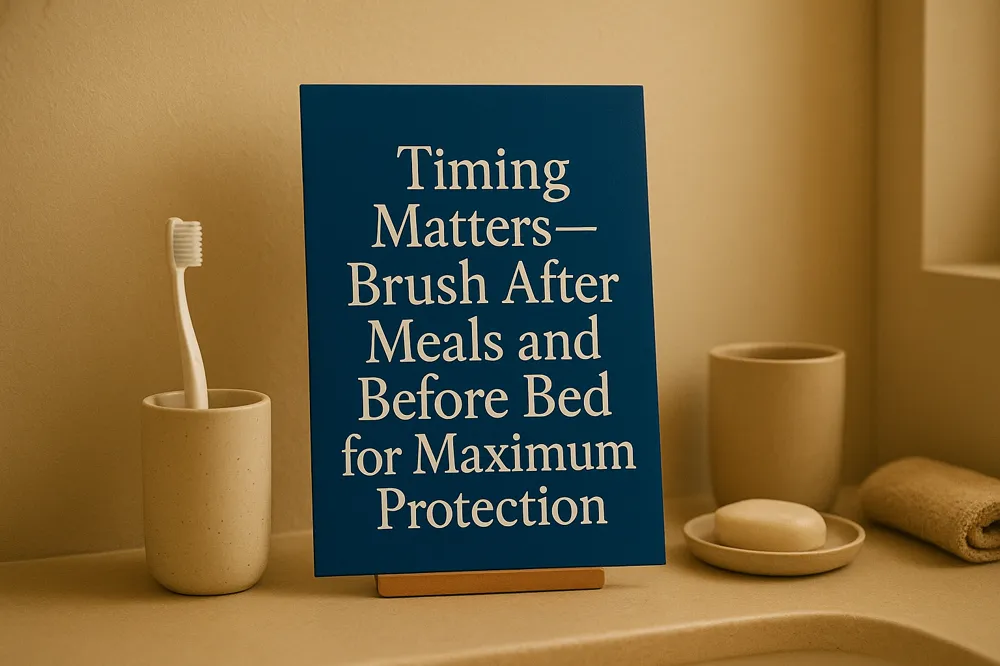
Brushing after meals and before bed is vital for removing food debris and plaque that bacteria feed on to produce acids. Brushing before bed clears the mouth of plaque formed during the day, preventing acid attacks overnight.
Maintaining these brushing habits, along with routine dental exams and cleanings and good oral hygiene practices, fosters healthier teeth and gums for all ages.
The Crucial Role of Flossing and Mouthwash
Daily flossing for interdental cleaning
Flossing daily is essential because toothbrushes cannot reach the tight spaces between teeth where plaque and food particles accumulate. By removing this buildup, flossing helps prevent cavities and gum disease in these vulnerable areas.
Proper flossing technique and frequency
Using about 18 inches of floss, wrap it gently around each tooth in a C-shape and slide it beneath the gumline with a clean section for each tooth. Consistent daily flossing, ideally once per day, maximizes its protective effects.
Benefits of antimicrobial and fluoride mouthwash
Antimicrobial mouthwashes reduce harmful bacteria that brushing and flossing might miss, lowering plaque and acid production that cause decay. Fluoride mouthwashes strengthen enamel by promoting remineralization and help reverse early enamel damage, providing added cavity protection.
Plaque removal beyond brushing
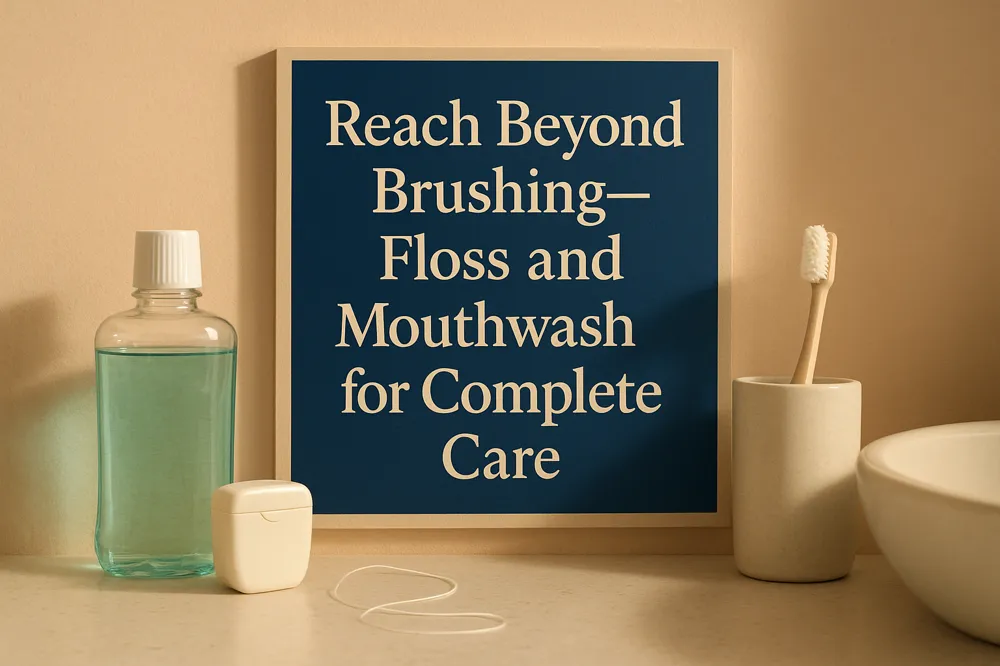
While brushing removes plaque from visible surfaces, flossing and mouthwash reach interdental spaces and the entire oral cavity. Together they offer comprehensive plaque control, reduce bacterial acid production, and contribute to fresher breath and healthier gums.
Dietary Habits and Their Impact on Cavity Prevention
How does limiting sugary and acidic foods and drinks help prevent cavities?
Limiting the intake of sugary and acidic foods and beverages reduces the amount of substrate available for bacteria in the mouth. These bacteria feed on sugars and produce acids that erode tooth enamel, leading to cavities. Thus, reducing sugary snacks, sticky candies, sodas, and acidic drinks significantly lowers the risk of enamel erosion and tooth decay. For more, see Limiting sugary and acidic drinks.
Why is timing sugar consumption during meals important?
Consuming sugary foods and drinks primarily during mealtimes rather than between meals is beneficial since saliva flow increases during eating. Saliva helps neutralize acids and wash away food particles, protecting teeth from prolonged acid attacks. Frequent snacking or sipping sugary beverages exposes teeth to extended acid production, increasing cavity risk. Learn more about Reducing sugary snacks and drinks.
What are the benefits of rinsing with water after consuming sugary drinks?
Rinsing the mouth with water after sugary or acidic drinks helps flush away sugars and acids, reducing their contact time with teeth. This simple step aids in neutralizing acids and washing away food debris, thereby preventing enamel demineralization and reducing cavity formation. For details, see Rinsing with water.
How does fluoridated tap water benefit dental health?
Drinking fluoridated water provides continuous exposure to fluoride, a mineral that strengthens tooth enamel by promoting remineralization and inhibiting the ability of bacteria to produce harmful acids. Approximately 63% of Americans have access to fluoridated water, which is one of the easiest and most effective cavity prevention measures. More information on the benefits of fluoridated water and fluoride benefits for teeth is available.
Why is hydration important for oral health?
Staying well-hydrated supports saliva production, which is essential for maintaining a healthy oral environment. Saliva helps neutralize acids, wash away food particles, and contains cavity-fighting compounds that protect enamel. Drinking plenty of water, especially fluoridated tap water, promotes these protective effects and helps prevent dry mouth, a condition that increases cavity risk. Learn about Hydration for oral health and Benefits of drinking fluoridated water.
Professional Preventive Measures and Regular Dental Visits
Why Are Regular Dental Check-Ups and Cleanings Important?
Regular dental visits, recommended twice a year, play a crucial role in Preventing cavities and maintaining oral health. Professional cleanings remove plaque and tartar buildup that cannot be eliminated by brushing and flossing alone. These appointments also allow dentists to detect early signs of decay or other dental problems before they worsen.
What Is the CAMBRA Approach?
The CAMBRA approach is an evidence-based strategy tailored to individual patient needs. It helps dental professionals assess a patient's risk for cavities and implement personalized preventive and treatment plans. This method ensures targeted care that effectively reduces cavity development.
How Do Fluoride Treatments Help?
Fluoride treatments at the dentist strengthen tooth enamel and can reverse early enamel mineral loss caused by acid attacks from bacteria. These treatments are often applied during dental visits using gels, varnishes, or rinses, providing an extra layer of protection especially beneficial for high-risk patients.
What Role Do Dental Sealants Play in Preventing Cavities?
Dental sealants for molars are thin plastic coatings applied to the chewing surfaces of molars, particularly in children and teenagers. They act as physical barriers, protecting grooves and pits from food particles and bacteria that cause decay. Sealants can significantly reduce the risk of cavities in these hard-to-clean areas.
How Does Early Detection Enhance Cavity Prevention?
Digital X-rays and thorough comprehensive dental exams enable early identification of cavities, sometimes before symptoms appear. Early detection allows for less invasive treatments and may prevent the progression of decay, preserving natural teeth and reducing the need for restorative procedures.
Regular professional preventive care combined with personalized strategies like CAMBRA, fluoride applications, and sealants form a comprehensive approach to cavity prevention, empowering patients to maintain healthy teeth and gums.
Lifestyle Choices Influencing Oral Health
How Does Quitting Smoking Benefit Dental Health?
Smoking greatly harms oral tissues, increasing risks of gum disease, tooth loss, and oral cancer. Quitting smoking for oral health improves gum health by reducing inflammation and bacterial buildup, helping prevent serious dental problems. It also boosts healing after dental procedures and lowers staining, contributing to fresher breath and a healthier smile.
What Habits Should Be Avoided to Protect Teeth?
Some behaviors, like nail-biting and using teeth to open packages, can physically damage enamel and cause chips or cracks. Avoiding these habits helps maintain tooth integrity and prevents cavity development due to exposed tooth layers.
How Do Dental Appliances Support Oral Health?
Using protective devices such as night guards guards against damage from teeth grinding (bruxism), which wears down enamel and increases cavity risk. Mouthguards shield teeth during sports, preventing trauma. These appliances help maintain enamel strength and overall dental health.
What Is the Link Between Oral Health and Overall Systemic Health?
Good oral hygiene reduces bacteria and inflammation, which lowers risks for conditions like cardiovascular disease, stroke, respiratory infections, and complications in pregnancy. Maintaining oral health and overall wellness protects not only teeth and gums but also contributes positively to overall systemic wellness.
Maintaining a Healthy Smile Through Consistent Preventive Practices
Essential Tips for Preventing Cavities
Good oral hygiene starts with brushing your teeth twice daily using fluoride toothpaste and a soft-bristled toothbrush. Brushing at a 45-degree angle to the gums and focusing on proper technique helps remove harmful plaque and bacteria.
Daily flossing is equally important as it cleans the spaces between teeth where a toothbrush cannot reach, reducing the risk of cavities. Additionally, using an antimicrobial or fluoride mouthwash can further reduce bacteria and strengthen enamel.
Limiting sugary and acidic foods and drinks prevents acid attacks on your teeth. Drinking fluoridated water regularly supports enamel remineralization and helps protect against decay.
Personalized Care Makes a Difference
Regular dental exams, ideally every six months, allow your dentist to assess your cavity risk and tailor preventive strategies accordingly. Approaches like CAMBRA (Caries Management by Risk Assessment) help provide customized care focused on your unique needs. Treatments such as dental sealants and fluoride applications protect vulnerable teeth, especially molars.
Empowering Lifelong Dental Health
Building healthy habits early, including proper brushing and flossing for children, encourages lifelong cavity prevention. Staying hydrated, avoiding tobacco, and maintaining open communication with your dental team foster oral health awareness and confidence. By adhering to consistent, personalized preventive care, you can enjoy a bright, healthy smile for life.