Introducing Preventive Dentistry
Preventive dentistry is the approach that aims to stop dental problems before they appear. By educating patients, applying professional care and promoting healthy habits, it seeks to preserve natural teeth, reduce costly treatments, and support overall health. A preventive routine includes brushing twice daily with fluoride toothpaste, flossing or interdental cleaning, dental exams and cleanings every six months, fluoride applications, sealants for molars, and dietary counseling. Detection through X‑rays and visual screening catches hidden decay, gum inflammation or oral cancer at treatable stages, dramatically lowering the need for invasive procedures.
Building a Strong Foundation: Oral Health and Daily Habits
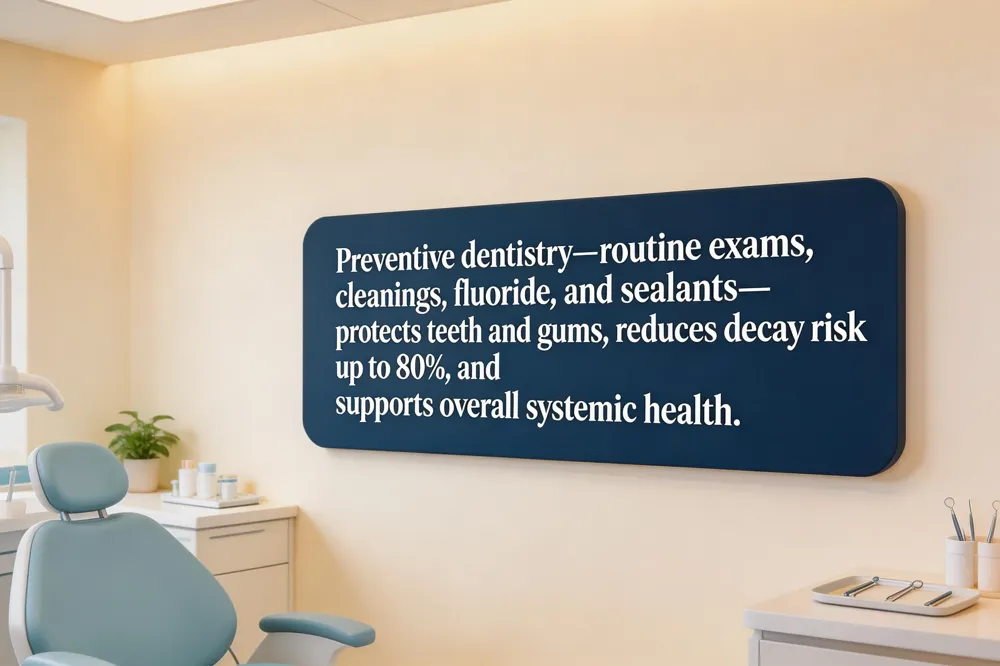 Preventive dentistry is the cornerstone of good oral health and a key factor in overall systemic wellbeing. Core preventive services—routine exams, professional cleanings, and digital X‑rays—allow dentists to detect early decay, gum inflammation, and even oral cancer before they become costly problems. In‑office fluoride treatments and dental sealants act as a chemical and physical shield, reducing cavity risk by up to 80% on molars, while personalized patient education empowers families to adopt proper brushing, flossing, nutrition, and tobacco‑cessation habits.
Can tooth decay be prevented? Absolutely. Brushing twice daily with fluoride toothpaste, flossing each day, limiting sugary snacks and acidic drinks, and drinking fluoridated water all curb the acid attacks that erode enamel. Professional fluoride varnish and sealants give extra protection, and regular six‑month check‑ups catch early lesions when they are still reversible.
Best things for dental health: 1) Brush twice a day with a soft‑bristled brush at a 45‑degree angle; 2) Floss or use interdental brushes daily; 3) Use a fluoride or antimicrobial mouth‑wash if advised; 4) Follow a low‑sugar, calcium‑rich diet and stay hydrated with fluoridated water; 5) Schedule professional cleanings and exams at least twice a year. Together, these measures protect teeth, gums, and contribute to lower risks of heart disease, diabetes complications, and other systemic conditions.
Preventive Care Across the Lifespan
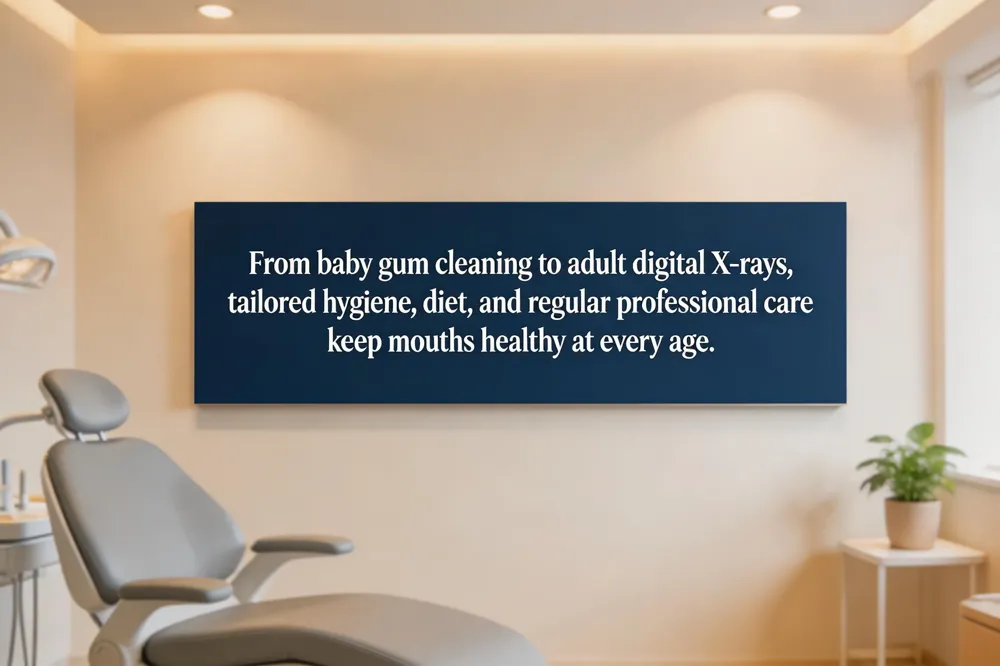 Early childhood oral hygiene sets the foundation for a lifetime of healthy smiles. Begin cleaning your baby’s gums with a soft, damp cloth after each feeding; when the first tooth erupts, use a pea‑size amount of fluoride toothpaste and brush gently twice a day. Avoid bedtime bottles of milk, formula, or juice, transition to a sippy cup by 12 months, and limit sugary snacks. Schedule the first dental visit by age one to receive professional fluoride varnish and age‑appropriate sealants.
Teen and adult preventive strategies build on these habits. Brush twice daily with fluoride toothpaste, floss or use interdental brushes every day, and consider an electric brush for superior plaque removal. Reduce frequent sugar exposure, drink fluoridated water and chew sugar‑free gum to boost saliva. Regular professional cleanings and digital X‑rays every six months catch hidden decay early.
Tailored risk assessment guides sealant placement and fluoride use. A dentist evaluates dietary habits, saliva flow, and previous cavities to decide if sealants on molar pits or in‑office fluoride treatments are needed, especially for high‑risk individuals.
How to prevent tooth decay in babies: clean gums with a cloth, switch to a tiny smear of fluoride toothpaste at the first tooth, avoid bedtime bottles, wean to a sippy cup by 12 months, limit sugary foods, rinse with water after snacks, and schedule a dental visit by the first birthday for professional fluoride.
How to prevent tooth decay in adults: Brush twice daily with fluoride toothpaste, floss daily, limit sugary and starchy foods, drink fluoridated water, attend bi‑annual cleanings at Dr. Parrella’s office, discuss personal risk for sealants or fluoride varnish, and maintain a balanced diet rich in calcium and vitamins.
Stopping Gum Disease Before It Starts
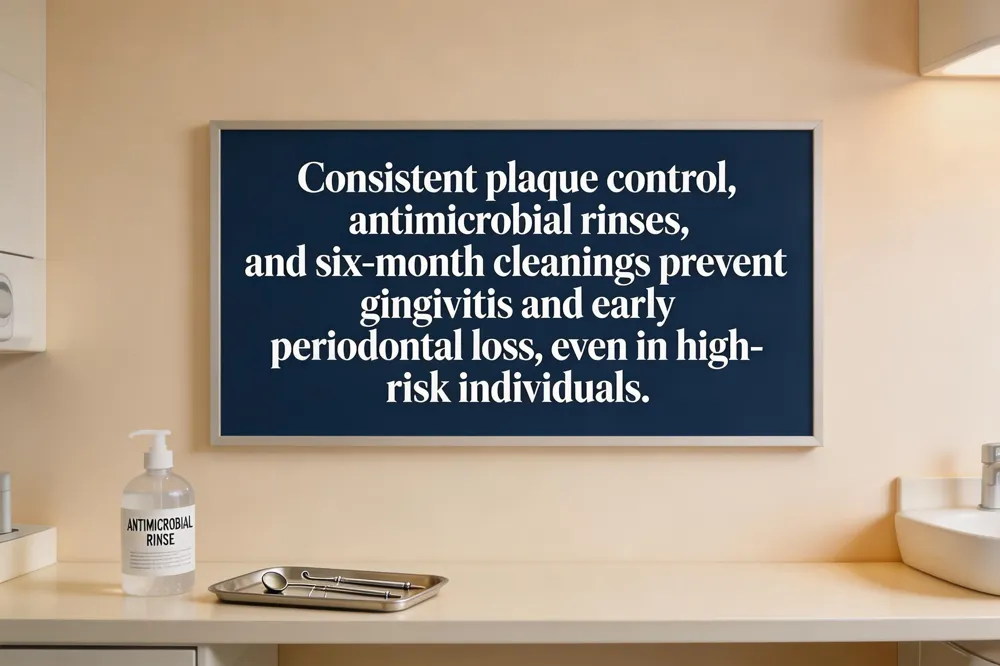 Keeping your gums healthy starts with mastering plaque control. Brushing twice daily with a soft‑bristled brush at a 45° angle, using fluoride toothpaste, and flossing or using interdental brushes each day removes the bacterial film that causes gingivitis. An antimicrobial mouth rinse adds an extra shield, while professional cleanings every six months eliminate hardened tartar that home care can’t reach. Early detection is critical: regular dental exams, periodontal probing, and digital X‑rays spot inflammation or bone loss before it becomes irreversible. Risk factors such as tobacco use, uncontrolled diabetes, hormonal changes, stress, and genetics increase vulnerability, so managing these through quitting smoking, a balanced diet low in sugary snacks, adequate hydration, and regular medical care can dramatically lower the odds of disease. Lifestyle choices that protect gums include chewing sugar‑free gum to boost saliva, limiting acidic beverages, and choosing orthodontic solutions that make teeth easier to clean.
Can gum disease be prevented? Yes—most gum disease is preventable with diligent oral hygiene, professional care, and healthy habits.
What is the best protection against tooth decay and gum disease? A consistent daily oral‑care routine paired with routine dental visits, sealants, and fluoride treatments offers the strongest defense.
At what age do gums start to recede? Early signs often appear in the teens, becoming more noticeable after age 40, especially with aggressive brushing, tobacco use, or untreated gum inflammation.
Home Remedies, Nutrition, and Lifestyle Choices
 Keeping your smile healthy starts with habits that limit the acid attacks that erode enamel. Foods high in sugars and refined carbs feed plaque‑bacterial metabolism, producing acid that drops the mouth pH below the safe threshold; instead, choose fresh fruits, vegetables, cheese, and nuts that provide calcium, phosphate, and fiber while keeping the pH neutral. Chewing sugar‑free gum—especially varieties sweetened with xylitol—stimulates saliva flow, which buffers acids, supplies minerals, and helps repair early demineralization. A piece of xylitol gum after meals can cut the frequency of acid bursts by up to 30 %. Safe natural adjuncts include rinses made from diluted green‑tea extract or a few drops of clove oil, both of which have antibacterial properties without damaging enamel. A mouthwash of diluted oregano oil or licorice‑root extract can further reduce bacterial load, but these should complement—not replace—regular fluoride toothpaste and professional care. Finally, limit sipping acidic drinks, use a straw when you do, and avoid brushing immediately after exposure to protect softened enamel. Care Dr. Parrella’s office gives you protection against cavities.
Your Somerville Dental Home: Dr. Parrella’s Practice
 Dr. Anthony P. Parrella’s family‑run office at 102 College Avenue sits just a short walk from Davis Square, making it a convenient neighborhood dental home. The practice emphasizes a compassionate, community‑focused approach, offering flexible hours and a welcoming environment for families, seniors, and busy professionals. Comprehensive preventive services include routine exams and cleanings, professional fluoride treatments, dental sealants for children’s molars, digital X‑rays for early detection of decay, bone loss, and oral cancer, as well as periodontal maintenance to keep gums healthy. State‑of‑the‑art technology—digital imaging, intra‑oral cameras, and a comfortable cleaning protocol—ensures precise, minimally invasive care. Patients consistently praise Dr. Parrella’s clear communication, thorough education, and individualized treatment plans, earning the practice high ratings and strong word‑of‑mouth referrals. For anyone seeking a trusted, high‑quality dental home in Somerville, Dr. Parrella’s office provides the expertise, convenience, and patient‑centered care that make preventive dentistry both effective and affordable.
Putting Prevention First for a Lifetime of Smiles
Preventive dentistry is the foundation of a healthy smile that lasts a lifetime. Brush twice daily with fluoride toothpaste, floss or use interdental brushes each day, and replace your toothbrush every three to four months. Professional cleanings and exams every six months remove tartar, detect early decay, and allow sealants or fluoride treatments to protect vulnerable surfaces. A diet low in sugary and acidic foods, regular hydration, and sugar‑free gum support saliva’s natural remineralizing power. By staying on top of these habits, you reduce the risk of cavities, gum disease, and costly restorative work, while also lowering the odds of systemic health issues linked to oral inflammation. Schedule your next preventive visit at Dr. Parrella’s office today and give your teeth the proactive care they deserve.