Welcome to Simple Oral Hygiene Habits
Good oral care is the foundation of overall health. Plaque that builds up daily can lead to cavities, gum disease, and even systemic issues such as heart disease or diabetes complications. By establishing a consistent routine, you protect your teeth, freshen your breath, and reduce future dental costs. This guide will walk you through the essential steps: brushing twice a day with fluoride toothpaste, flossing or using interdental cleaners, cleaning the tongue, choosing the right mouthwash, and supporting your routine with regular dental visits and a balanced diet. Follow these simple habits to keep your smile healthy and confident.
Building a Solid Daily Routine
 How to improve oral hygiene at home?
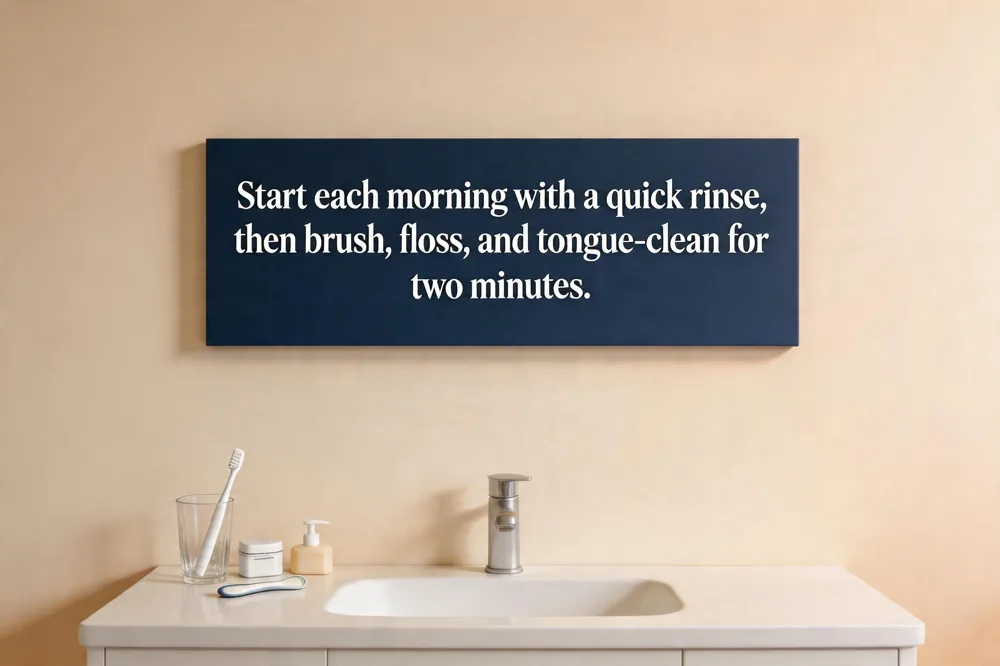
Start each morning by rinsing with water to clear overnight bacteria. Brush twice a day for a full two minutes with a soft‑bristled toothbrush and fluoride toothpaste, holding the brush at a 45‑degree angle toward the gum line. Flush out food debris and plaque by flossing daily using about 18 inches of floss in a gentle C‑shaped motion around each tooth and below the gumline. Scrape the tongue or brush it to cut down bacterial load and freshen breath. Rinse with an alcohol‑free antimicrobial or fluoride mouthwash for 30 seconds, and consider a disclosing tablet once a week to spot missed spots. Limit sugary snacks and drinks, chew raw crunchy vegetables or sugar‑free gum to boost saliva, and stay well‑hydrated. Schedule professional cleanings every six months to reinforce habits and catch problems early.
How to improve oral hygiene at home?
Start each morning by rinsing with water to clear overnight bacteria. Brush twice a day for a full two minutes with a soft‑bristled toothbrush and fluoride toothpaste, holding the brush at a 45‑degree angle toward the gum line. Flush out food debris and plaque by flossing daily using about 18 inches of floss in a gentle C‑shaped motion around each tooth and below the gumline. Scrape the tongue or brush it to cut down bacterial load and freshen breath. Rinse with an alcohol‑free antimicrobial or fluoride mouthwash for 30 seconds, and consider a disclosing tablet once a week to spot missed spots. Limit sugary snacks and drinks, chew raw crunchy vegetables or sugar‑free gum to boost saliva, and stay well‑hydrated. Schedule professional cleanings every six months to reinforce habits and catch problems early.
Oral hygiene steps
- Rinse with water upon waking.\n2. Brush for two minutes, covering each quadrant (30 seconds each) with a soft brush at a 45‑degree angle.\n3. Floss using a C‑shape around each tooth, making 10 up‑and‑down strokes.\n4. Clean the tongue with a scraper or brush.\n5. Finish with an alcohol‑free therapeutic mouthwash.\n6. After meals, rinse or chew sugar‑free gum to stimulate saliva.
Importance of oral hygiene in daily life Consistent oral care removes plaque that fuels cavities, gingivitis, and periodontitis, thereby protecting the teeth and supporting a bright smile. Beyond the mouth, untreated plaque can enter the bloodstream, increasing risks of cardiovascular disease, stroke, diabetes complications, and adverse pregnancy outcomes. Healthy gums enable proper chewing, nutrition, and overall well‑being. By integrating the simple steps above into a daily routine and visiting the dentist regularly, families safeguard both dental health and systemic health.
The Ideal Sequence of Actions
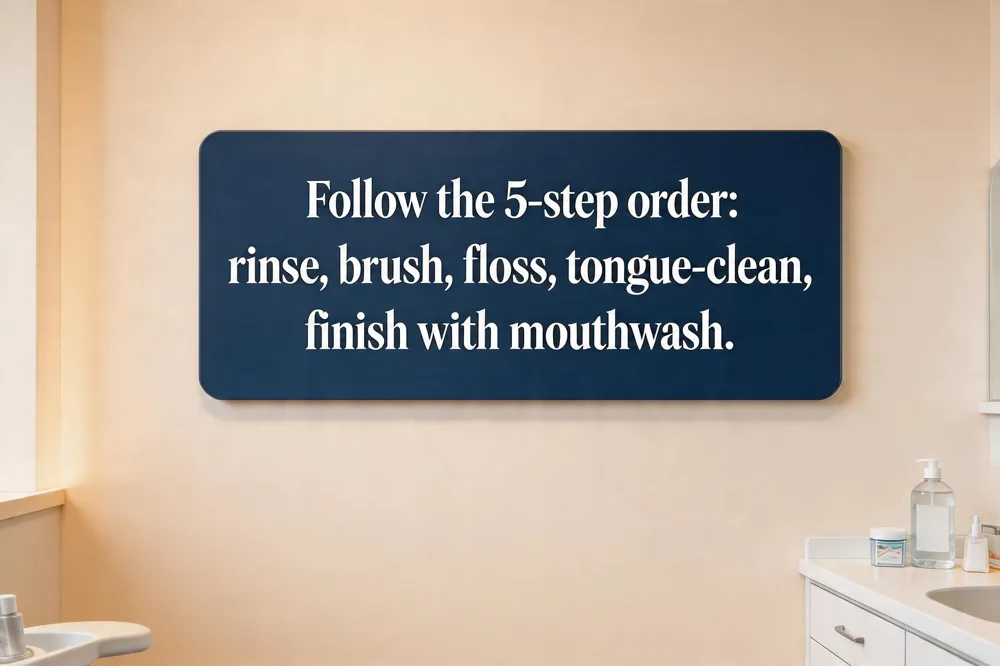 A well‑structured oral‑hygiene routine begins with a quick rinse of water or an alcohol‑free therapeutic mouthwash to loosen debris and reduce bacteria. Next, floss or use interdental brushes to clean between teeth and under the gum line before brushing. After flossing, brush all tooth surfaces for two minutes with a soft‑bristled brush and fluoride toothpaste, using gentle circular motions at a 45° angle to the gum line. Follow brushing with a tongue scraper or the back of your toothbrush to remove biofilm and freshen breath. Finish the routine with a final fluoride‑rich mouthwash or a short water rinse to seal protection and leave your mouth feeling clean.
What are the 5 proper steps for oral care?
- Quick rinse to loosen debris. 2. Brush all surfaces for two minutes with fluoride toothpaste. 3. Floss or use an interdental cleaner. 4. Clean the tongue with a scraper or brush. 5. Final antimicrobial or fluoride mouthwash rinse.
Oral hygiene routine order with oil pulling Start the morning with a 10‑15‑minute oil‑pulling session (coconut or sesame oil) on an empty stomach, then rinse. Perform a quick tongue scrape, followed by flossing or interdental brushing. Brush thoroughly with fluoride toothpaste, and finish with a fluoride mouth rinse if desired. This sequence maximizes bacterial removal, protects gums, and prepares the mouth for optimal cleaning.
Choosing Effective Tools and Products
 Best oral hygiene products
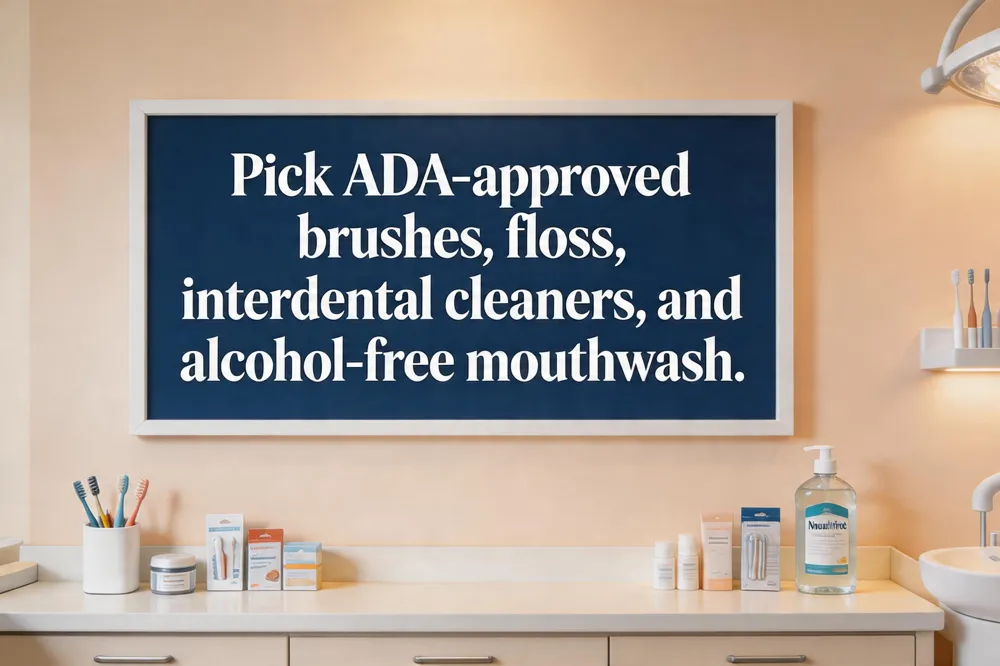
Daily flossing (about 18 inches) or interdental brushes removes plaque from between teeth, while a water flosser can reach deeper gum pockets. Finish with an alcohol‑free antimicrobial or fluoride mouthwash to cut bacterial load and freshen breath without drying the mouth. A silicone tongue scraper helps eliminate bacterial buildup on the tongue, further improving breath and overall cleanliness.
Types of oral hygiene
- Mechanical – brushing, flossing, interdental cleaning, tongue scraping.
- Chemical – fluoride or antimicrobial mouthwashes and rinses.
- Professional – routine cleanings, sealants, fluoride varnish applied by a dentist or hygienist.
Signs of poor oral hygiene
Watch for persistent bad breath, bleeding or swollen gums, visible plaque/tartar, tooth sensitivity, receding gums, loose teeth, or non‑healing mouth sores. These indicate plaque and bacteria are not being cleared effectively and warrant a prompt dental visit.
Choosing products that bear the ADA Seal of Acceptance ensures they have met safety and efficacy standards, giving families confidence in their daily oral‑care regimen.
Nutrition, Hydration, and Simple Home Hacks
 Saliva and hydration are key defenders. Drinking plain water throughout the day maintains a steady flow of saliva, the mouth’s natural mouthwash, which supplies calcium and phosphate for remineralization. Chewing sugar‑free gum after meals further boosts saliva production and helps neutralize lingering acids.
Teeth care tips at home: Brush twice daily for two minutes with a soft‑bristle brush and fluoride toothpaste and replace the brush every three to four months, and floss (or use an interdental cleaner) each evening. Finish with an Alcohol‑free antibacterial mouthwash to lower bacterial load without drying the mouth.
10 ways to keep your teeth healthy: (1) Brush twice a day with fluoride toothpaste (2) replace brush regularly, (3) floss daily, (4) use a mouthwash, (5) limit sugary/acidic foods, (6) eat calcium‑rich and crunchy vegetables, (7) stay well‑hydrated, (8) chew sugar‑free gum, (9) avoid tobacco and excess alcohol, (10) see your dentist at least twice a year for professional cleanings and early detection of problems.
How to take care of teeth naturally: Incorporate oil‑pulling or a gentle green‑tea rinse, maintain a diet rich in fibrous veggies, and keep your tongue clean with a scraper to reduce bacterial load.
Oral health tips for adults: Follow the brushing and flossing routine, limit sugars, stay hydrated, use fluoride mouthwash if at risk, avoid tobacco, consider HPV vaccination, wear a mouthguard during sports, and schedule regular dental exams.
By combining smart nutrition, adequate hydration, and simple home‑care habits, you can protect your smile and support overall health.
Professional Resources and Printable Guides
 Oral care Nursing Procedure pdf – The protocol starts by reviewing the patient’s chart for physical limitations and confirming identity. Required supplies (soft‑bristled brush, fluoride toothpaste, basin, gloves, mouthwash, floss, lip moisturizer, mirror) and hand hygiene are emphasized. After positioning the patient, the nurse removes dentures, brushes teeth and gums with a pea‑sized amount of toothpaste using gentle circular motions, flosses interdental spaces, moisturizes dry mucosa, applies any prescribed fluoride or therapeutic agents, inspects for lesions or bleeding, and documents findings.
Oral hygiene PDF – Our free printable guide walks you through proper brushing, flossing, and dietary habits for a healthy smile. It includes step‑by‑step instructions, a two‑minute timer suggestion, tips for choosing fluoride toothpaste, and a brief overview of common problems like cavities and gum disease. Download it from the Resources page and keep it handy at home.
How to take care of your teeth without going to the dentist – Brush twice daily with a soft‑bristled brush and fluoride toothpaste, using gentle circular motions and cleaning the tongue. Floss or water‑floss each night, rinse with an alcohol‑free antimicrobial or mouthwash, stay hydrated with fluoridated water, and chew sugar‑free gum after meals to boost saliva. Limit sugary snacks, acidic drinks, tobacco, and excess alcohol. While these steps greatly reduce disease risk, schedule a professional exam at least once a year for early detection and preventive care.
Answering Common Questions
 What is the 3‑3‑3 rule in dentistry?
The 3‑3‑3 rule is a simple pain‑control regimen: take three 200 mg ibuprofen tablets every three hours, for no more than three days. This schedule targets inflammation, which is the primary driver of most dental pain, and helps keep discomfort manageable while you await professional care.
Can I kiss my boyfriend if he has cavities?
Cavities themselves are not contagious, but the plaque organisms that cause them can be passed through saliva. If both partners practice good oral hygiene—brushing twice a day with fluoride toothpaste, flossing daily, and using a tongue scraper—the risk of transferring harmful bacteria is greatly reduced. Maintaining these habits protects both of you from future decay and keeps fresh breath intact.
Self‑Care When Dental Visits Are Limited
 Even when you can’t see a dentist often, a solid home routine can keep your smile healthy. Brush twice a day with a soft‑bristled brush and fluoride toothpaste, using gentle circular motions at a 45° angle to the gum line and cleaning the tongue each time. In the evening, floss or run a water‑flosser between teeth to remove plaque that a brush misses, then rinse with an alcohol‑free antimicrobial or fluoride mouthwash. Stay hydrated with fluoridated water and chew sugar‑free gum after meals to boost saliva, which naturally neutralizes acids. Limit sugary and acidic foods, avoid tobacco and excess alcohol, and consider natural adjuncts like oil‑pulling if desired. To reinforce these habits, set visual reminders (e.g., a sticky note on the bathroom mirror) and use a timer or smartphone app to track brushing for the full two minutes. Consistent tracking helps turn these steps into lasting routines, reducing cavities and gum disease until your next professional cleaning.
Putting It All Together
Your oral‑care routine is the foundation for a healthy smile. Brush twice a day for two minutes with a soft‑bristled, fluoride‑cremed brush, angling it 45° toward the gum line, and finish each session with a tongue scrape. Floss each evening to remove plaque between teeth, and use a water flosser if traditional floss is difficult. Rinse with an alcohol‑free antibacterial mouthwash, and replace your toothbrush or head every three months. Finally, schedule a dental check‑up and cleaning twice a year—or more often if you have a history of cavities or gum disease—to catch problems early and keep your mouth healthy.