Why a Good Night’s Sleep Starts with Your Teeth
Nighttime: A Critical Time for Your Oral Health
While you sleep, your mouth’s natural defenses wind down. Saliva production slows dramatically, cutting off the steady flow that normally washes away food particles, neutralizes acids, and keeps bacteria in check. This dry, undisturbed environment becomes an ideal breeding ground for oral bacteria.
Left to multiply, bacteria feast on any leftover sugars from your day. They release acids that attack tooth enamel, leading to cavities, gum irritation, and bad breath. This is why nighttime is the most vulnerable period for your teeth—and why what you do before bed matters so much.
The Hidden Consequences of Skipping Your Nighttime Routine
Many people believe they can skip brushing or flossing “just this once,” but the consequences can build up quickly. The American Dental Association notes that over 70% of dentists have observed a rise in teeth grinding, but even more common are the preventable issues caused by poor nighttime habits.
Common problems linked to inadequate nighttime care include:
- Cavities: Especially in hard-to-reach areas where plaque accumulates overnight.
- Gum disease (gingivitis): Bacteria and plaque along the gumline cause inflammation and bleeding.
- Enamel erosion: Acid attacks from bacteria weaken enamel, leading to sensitivity.
- Chronic bad breath (halitosis): Bacteria produce sulfur compounds that cause morning breath.
- Tartar buildup: Plaque that isn’t removed hardens into tartar, which requires professional cleaning.
Consistently skipping your nighttime routine can lead to more invasive and costly treatments later.
The Single Most Important Homecare Habit
A consistent nighttime oral care routine is the single most important homecare habit for preventing dental issues. It is the foundation of a healthy smile that supports everything your dentist does during check-ups.
Brush Thoroughly Before Bed
- Use a soft-bristled toothbrush and fluoride toothpaste.
- Brush for a full two minutes using gentle, circular motions. Aggressive scrubbing can damage enamel.
- Focus on the gumline and back molars, where plaque tends to hide.
- Don’t forget your tongue—it harbors bacteria that cause bad breath.
Floss Every Night
Flossing removes plaque and food particles from between teeth, where a toothbrush cannot reach. This is especially critical at night because food debris left between teeth stays there for hours, feeding bacteria.
- Use about 18 inches of floss, curving it around each tooth in a “C” shape.
- Avoid snapping the floss against gums.
- Floss before brushing to allow fluoride to reach all surfaces.
Use Mouthwash Wisely
An alcohol-free mouthwash with fluoride can strengthen enamel and reduce bacteria without causing dryness. However, wait at least 20–30 minutes after brushing before rinsing to let the fluoride from toothpaste remain on your teeth longer.
What to Avoid Before Bed
Late-night snacking on sugary, starchy, or acidic foods fuels bacteria and weakens enamel. If you must eat, choose tooth-friendly options like raw vegetables or cheese, and brush again before bed.
Avoid sugary drinks like soda, juice, or sports drinks before sleep, as they significantly increase cavity risk. Water is the safest beverage at night.
Brush again if you eat after brushing, or at least rinse your mouth with water.
Protect Your Teeth from Grinding (Bruxism)
Many people unknowingly grind their teeth at night, causing worn enamel, jaw pain, headaches, and cracked teeth. Signs include waking with a sore jaw, tension in the face or neck, or noticing chipped teeth.
- A custom night guard from your dentist provides the best protection. It creates a barrier between teeth, cushioning the force of clenching.
- Boil-and-bite guards are an affordable option but often fit poorly and may be uncomfortable.
- Mail-in custom guards offer a good balance of cost and fit, but a dentist-fitted guard is most effective.
Stay Hydrated and Replace Your Tools
Drink water before bed to help maintain moisture in your mouth, reducing cavity risk. Keeping a glass of water nearby can help with dry mouth.
Replace your toothbrush every three to four months, or sooner if bristles are frayed. A worn brush is less effective at removing plaque and may reintroduce bacteria.
The Bottom Line
A consistent nighttime routine—brushing, flossing, mindful eating, and protecting your teeth—prevents cavities, gum disease, and many other issues. Small, daily actions add up to a healthier smile and fewer dental emergencies. Your dentist can help you personalize this routine for your specific needs.
1. Build a Simple, Step-by-Step Nightly Dental Routine
 A consistent routine is your best defense against cavities, gum disease, and other oral health issues. As you sleep, saliva production slows, creating an environment where bacteria can thrive if food particles and plaque are left behind. A simple, step-by-step process can make a major difference.
What is a good nightly routine for teeth, and how do I take care of my teeth before bed?
Begin the routine with brushing your teeth. Use a soft-bristled toothbrush and a fluoride toothpaste for a full two minutes. Cover all surfaces of your teeth: the fronts, backs, and chewing surfaces. Pay careful attention to the gumline and your back molars. Replace your toothbrush every three to four months or sooner if bristles become frayed to ensure effective cleaning.
Your brushing technique is just as important as the time spent. Hold your toothbrush at a 45-degree angle to your gums. Use gentle circular motions rather than aggressive scrubbing, as aggressive scrubbing can damage tooth enamel and irritate gums. This method is more effective at removing plaque buildup without causing harm. Don't forget to brush your tongue to remove bacteria that can cause bad breath.
Flossing is a vital step that removes plaque and food particles from between your teeth where a toothbrush cannot reach. Use about 18 inches of dental floss, winding most of it around your middle fingers. Gently slide the floss between your teeth, curving it around each tooth in a "C" shape and moving it up and down along the side of the tooth, just below the gumline. Avoid snapping the floss into your gums to prevent injury. Consistency in flossing daily, especially at night, dramatically improves gum health by preventing cavities in these hard-to-clean areas.
Using a therapeutic mouthwash after brushing and flossing can help reduce plaque, fight bacteria, and strengthen enamel. Choose an alcohol-free rinse with fluoride to avoid drying out your mouth. Swish the mouthwash for 30 to 60 seconds, following product instructions. For maximum effectiveness, avoid eating or drinking for at least 30 minutes after rinsing to let the fluoride work on your teeth. Do not rinse your mouth with water after using mouthwash.
Finish your routine by avoiding late-night snacking on sugary or starchy foods and acidic drinks, as they fuel bacteria that produce enamel-weakening acids. If you eat after brushing, brush your teeth again before bed. Water is the safest nighttime beverage to keep your mouth hydrated.
By following this simple nightly routine—brushing with proper technique, flossing daily, and using a fluoride mouthwash—you are taking a proactive approach to prevent dental problems and maintain a healthy smile. A consistent routine supports professional dental care and reduces the risk of needing more extensive treatment later. For additional protection, avoid snacking after your oral care routine, as food particles left overnight can lead to plaque buildup and decay. Remember, consistent habits are key to long-term oral health, helping you avoid tooth sensitivity, gum disease, and other common issues. A healthy smile starts with good nightly habits that you can practice every day. Regular dental visits will help personalize this routine to meet your specific needs and ensure you are effectively caring for your teeth and gums. By following these evidence-based steps, you can protect your dental health for years to come. A predictable, nightly ritual supports a healthier mouth and more comfortable dental checkups. Small daily actions, such as these, add up over time to prevent issues that would require more invasive treatment later. Prevention begins at home with a strong nightly routine that complements professional care. By prioritizing these steps, you are investing in your overall well-being, as oral health is linked to systemic health. A structured routine shapes oral health more than any single dental appointment can, empowering you to take control between visits. For best results, adhere to this routine consistently, even when traveling, to maintain optimal oral hygiene and prevent disruptions to your health. Your nightly dental routine is a powerful tool for a lifetime of healthy smiles.
2. Don't Forget: Smart Snacking and Hydration Before Bed
What you eat and drink before bed can sabotage your oral health
As your body winds down for sleep, your mouth does too. Saliva production slows, leaving your teeth less protected against the acids that cause decay. That's why what you consume in the hour before you lay your head down matters more than you might think. Sugary, starchy, or acidic snacks and drinks are particularly harmful. Leftover food particles become a feast for oral bacteria, which then release acids that attack enamel, potentially leading to cavities, gum irritation, and bad breath.
Starchy snacks like chips, crackers, and bread can be just as damaging. These foods break down into simple sugars, which bacteria happily feed on. Acidic drinks like soda, juice, and sports drinks are a double threat—they both fuel bacteria and directly soften enamel. The best rule is simple: if you need a snack or drink, choose wisely, or better yet, stick to water.
Only water: the best late-night beverage for your smile
Water is the safest and most beneficial drink to have before bed. Unlike other beverages, it doesn't contain sugars or acids that harm enamel. In fact, water helps rinse away lingering food particles and dilutes the acids produced by bacteria in your mouth. This simple step provides a natural, protective rinse as you fall asleep.
Sipping a glass of water before bed offers additional advantages. It helps maintain moisture levels in your mouth, which is crucial because a dry mouth allows bacteria to multiply unchecked. Stay away from sipping sugary or acidic beverages like soda, juice, or sports drinks before sleep, as they significantly increase your risk of cavities and enamel erosion. Milk is a better choice than many other drinks, but it still contains natural sugars (lactose). Therefore, water remains the safest and most recommended choice for a nighttime beverage.
Should you brush again after a late-night snack?
If you have already brushed your teeth for the night but then eat a snack or drink something other than water, the answer is yes—you should brush again before bed. Skipping this step allows sugar and acid to linger on your teeth for hours, giving bacteria a prolonged opportunity to cause damage. To keep your routine consistent, try to plan your evening so that you have no more food or drink (except water) after your final brushing.
It's important to handle one specific situation with care. After consuming anything highly acidic, such as a citrus fruit or soda, wait about 30 minutes before brushing. Acid temporarily softens your tooth enamel, and brushing too soon can scrub away minerals. Give your saliva time to neutralize the acid naturally, then brush to fully remove all lingering residue. The same principle applies to taking liquid medications; syrups or chewables often contain sugar or are acidic, so rinse your mouth with water after taking them and wait before brushing.
Fight dry mouth with a pre-bedtime drink
A dry mouth at night is prime territory for cavity-causing bacteria. When your mouth lacks moisture, it loses its ability to neutralize acids and wash away food debris effectively. This makes drinking water before bed a powerfully simple defense. Keep a glass of water on your nightstand and take a sip whenever your mouth feels dry.
Common causes of nighttime dry mouth include mouth breathing, snoring, or sleep apnea. Certain medications can also significantly reduce saliva production. If you frequently wake up with a dry mouth, staying hydrated throughout the day can help. Rinsing with a non-alcohol-based, hydrating mouthwash before bed may also provide relief. If the problem persists, discussing it with your dentist is a smart step, as they can recommend specific products or treatments, such as moisturizing gels or rinses, to protect your teeth overnight.
Quick reference: bedtime snack and drink choices
| Food/Drink Choice | Impact on Oral Health | Better Alternative |
|---|---|---|
| Sugary snacks (candy, cookies) | Feed bacteria, cause acid attacks, and promote cavities. | A small piece of cheese or a few raw vegetables. |
| Starchy snacks (chips, crackers) | Break down into sugars that fuel decay. | A handful of almonds or an apple slice. |
| Acidic drinks (soda, juice, sports drinks) | Soften enamel and increase cavity risk. | A glass of water. |
| Milk | Contains lactose (sugar); better than soda but still a risk. | Best mixed with water or avoided right before bed. |
| Pure water | Neutral pH, rinses away debris, and combats dry mouth. | The best and safest option for a late-night beverage. |
3. Protect Against Grinding: The Best Night Guard for Bruxism and Sleep Apnea
Why Do I Clench or Grind My Teeth While Sleeping, and Can High Cortisol Cause Teeth Grinding?
Many people are unaware they grind their teeth at night, a condition called bruxism. The primary culprit is often high cortisol, the stress hormone. Clenching and grinding can be a physical release of daily tension. Other common causes include sleep disorders like obstructive sleep apnea, a misaligned bite, and certain medications. Lifestyle factors such as smoking, and high consumption of caffeine or alcohol, particularly in the evening, are also major triggers.
What is the Best Night Guard or Mouth Guard for Teeth Grinding and Sleep Apnea?
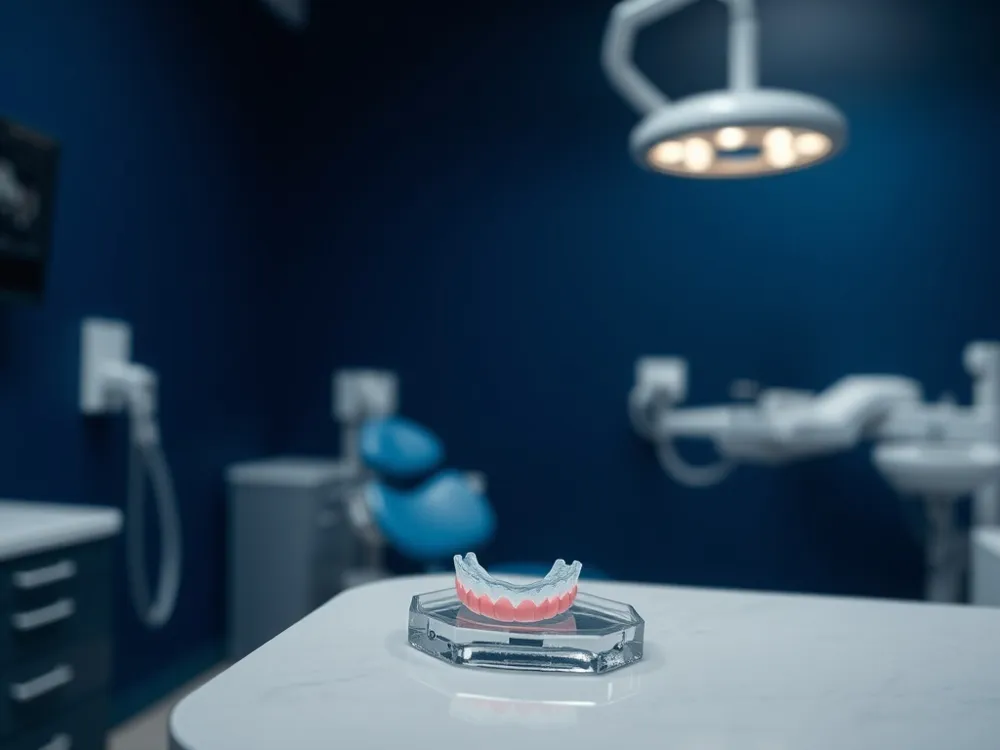
The most effective solution for protecting your teeth from grinding is a custom-fitted night guard made by your dentist. These guards, also known as bite splints, are crafted from a precise mold of your teeth. They create a perfect barrier that absorbs the force of clenching and grinding, preventing enamel wear, jaw pain, and cracked teeth.
Over-the-counter guards, like "boil-and-bite" options, are less effective. They are often bulky, uncomfortable, and can force your jaw into an unnatural position, potentially worsening jaw pain and TMJ issues. Because they don't fit precisely, they can also pop out during sleep, offering little protection.
A custom guard is also safer. Ill-fitting guards can pose risks like jaw pain, bite misalignment, or even become a choking hazard. Your dentist can monitor the fit and make adjustments to avoid these side effects.
For sleep apnea, a CPAP machine is the standard treatment. However, for mild cases, a custom oral appliance that repositions your jaw or tongue can help keep your airway open. If you grind your teeth and suspect sleep apnea, your dentist can evaluate the link and recommend the right device, sometimes a combined approach is best.
How Can I Protect My Teeth from Grinding While Sleeping?
Protecting your teeth involves a multi-pronged approach. A custom night guard is the frontline defense, but addressing the root causes is crucial. Since stress and anxiety are major drivers, incorporating daily relaxation techniques is vital. Practices like meditation, yoga, gentle exercise, and a calming bedtime routine can significantly reduce grinding episodes.
It is also important to avoid triggers. Cut back on caffeine, alcohol, and tobacco, especially in the hours leading up to bedtime. A warm bath or listening to soothing music can help your body unwind.
If daytime clenching is an issue, practice proper jaw positioning. Keep your lips together but your teeth slightly apart. Jaw relaxation exercises can also help break the habit. For severe cases, your dentist or doctor may explore options like muscle relaxants, Botox injections to ease muscle tension, or a sleep study to rule out underlying sleep disorders.
| Issue | Recommended Solution | Key Consideration |
|---|---|---|
| Teeth Grinding (Bruxism) | Custom-fitted night guard from your dentist | Prevents tooth damage; over-the-counter guards can cause jaw pain. |
| Sleep Apnea | CPAP machine or custom oral appliance | CPAP is standard; an oral appliance may help mild cases. |
| Stress-Induced Grinding | Relaxation techniques, exercise, meditation | Reduces cortisol levels, a primary cause of bruxism. |
| Lifestyle Triggers | Reduce caffeine, alcohol, & tobacco, especially at night | These substances can worsen clenching and grinding. |
| Ill-Fitting Mouth Guard | Discontinue use and consult a dentist | Can lead to bite issues, TMJ pain, and gum irritation. |
4. The 50-40-30 Rule: A Quick Look at Smile Aesthetics
What is the 50-40-30 rule in dentistry, and how does it relate to smile aesthetics?
The 50-40-30 rule is a foundational concept in cosmetic dentistry used to evaluate and design a balanced, harmonious smile. When a dentist examines your upper front teeth from a frontal view, the rule describes the ideal width-to-length proportions: each central incisor should be about 50% as wide as it is long, the lateral incisors should be 40% as wide as they are long, and the canines should be 30% as wide as they are long.
While these numbers are not absolute laws, they provide a reliable starting point for planning procedures like porcelain veneers, dental crowns, or tooth reshaping. The rule helps dentists assess the visual balance of your smile and identify areas that might benefit from minor adjustments.
Used as a guideline in cosmetic dentistry for a balanced smile.
For many patients seeking cosmetic improvements, the goal is a smile that looks natural and pleasing. The 50-40-30 rule offers a simple, repeatable framework for achieving that harmony. When a smile follows these proportions, it often appears more symmetrical and aesthetically appealing because the central teeth are the most prominent, with the adjacent teeth smoothly decreasing in width.
During a cosmetic consultation, a dentist might use the rule to explain why certain teeth appear larger or smaller than ideal and to discuss treatment options. For example, if your central incisors appear too square or your lateral incisors seem narrow, adjusting their shape and size according to the rule can create a more balanced and attractive smile.
Not a strict formula—many beautiful smiles naturally vary.
It is important to understand that the 50-40-30 rule is a guideline, not a strict prescription. Many natural and beautiful smiles deviate from these exact proportions. Factors like your facial shape, lip line, jaw structure, and personal preferences all play a significant role in what looks best for you.
Dentists take a patient-centered approach, considering your unique features and aesthetic goals. The rule serves as a valuable diagnostic tool, but the final design is always tailored to complement your individual smile. A skilled cosmetic dentist will use the rule as one of many tools to craft a result that looks natural, functional, and enhances your confidence. Ultimately, the best smile is one that is healthy, functional, and suits your unique personality and facial structure. The 50-40-30 rule is simply a helpful map, not the destination.
| Tooth Type | Ideal Width-to-Length Ratio (Rule) | Purpose in Smile Design | Adjustment Examples Using the Rule |
|---|---|---|---|
| Central Incisors | 50% | Key teeth in smile; set the tone for shape and prominence. | Lengthening or narrowing to achieve a more balanced, rectangular appearance. |
| Lateral Incisors | 40% | Transition teeth; create a gradual, elegant narrowing of the smile. | Widening if too narrow or reducing if slightly overlapped for better flow. |
| Canines | 30% | Corner teeth; add stability and anchor the smile's lateral curves. | Softening prominent tips or aligning the width to support the adjacent teeth. |
5. Extra Tips: Replace Your Toothbrush and Visit Your Dentist Regularly
Why You Need to Replace Your Toothbrush Every 3–4 Months
Even the best brushing technique is only as good as your tool. Using an old, frayed toothbrush can significantly reduce your ability to remove plaque and may even reintroduce bacteria into your mouth. Dental professionals advise swapping out your toothbrush or electric toothbrush head every three to four months, or sooner if you notice the bristles are bent or worn.
Worn bristles are less effective at cleaning along the gumline and in the crevices of your back molars. They simply cannot reach where plaque hides. By making this small change part of your nighttime routine, you ensure your cleaning efforts remain effective night after night. This is one of the easiest ways to maintain a strong oral health foundation between dental visits.
How Regular Dental Visits Catch Problems Early
While a solid home routine is your first line of defense, it is not a substitute for professional care. You might brush and floss perfectly, but your dentist is trained to spot subtle signs of trouble that you would likely miss. A bi-annual checkup allows your dental team to catch issues like early cavities, gum inflammation, and enamel wear before they become painful or expensive to treat.
One of the most common problems dentists detect during a routine exam is teeth grinding, or bruxism. Many people grind their teeth unconsciously during sleep and only learn about it when a dentist notices worn enamel, chipped teeth, or a sore jaw. A 2021 survey from the American Dental Association found that over 70% of dentists observed signs of teeth grinding in their patients—a nearly 10% increase from the year before. If your dentist identifies grinding, they can recommend a custom-fitted night guard to protect your teeth from further damage. This type of guard is far more comfortable and effective than a boil-and-bite option from a drugstore.
Professional cleanings also remove tartar, a hardened form of plaque that you cannot remove at home. Tartar builds up over time and can lead to gum disease if left unchecked. By keeping your regular appointments, you are taking proactive steps to ensure your smile stays healthy for life.
Why Consistency Is Key for Long-Term Oral Health
The true power of a nighttime oral care routine lies in its consistency. Small actions, when repeated daily, build up over weeks, months, and years to prevent serious problems down the road. Brushing, flossing, and avoiding late-night snacks are not just one-time tasks; they are habits that protect your teeth and gums far more effectively than any single dental procedure.
Consistency also helps you maintain a strong partnership with your dentist. Patients who follow a good nighttime routine often have healthier gums, fewer cavities, and more comfortable visits. Your regular checkups become less about fixing damage and more about maintaining a beautiful, healthy smile.
Setting a reminder or incorporating your oral care into a relaxing bedtime ritual can make these habits stick. When you make oral hygiene a non-negotiable part of your evening, you are investing in your overall health. A healthy smile supports your ability to eat, speak, and feel confident every day.
| Aspect | Key Action | Why It Matters |
|---|---|---|
| Toothbrush | Replace every 3–4 months or when bristles fray | Worn bristles remove less plaque and can harbor bacteria |
| Dental Visit | Schedule checkups every 6 months | Professional exams catch early decay, gum disease, and grinding |
| Night Guard | Use a custom guard if you grind | Custom guards protect enamel better than boil-and-bite options |
| Consistency | Follow your routine every night | Small daily actions prevent large dental problems year after year |
| Prevention | Combine home care with professional cleanings | Tartar removal and expert guidance keep your smile healthy |
Key Takeaways for a Healthier Smile Tonight
Creating a dependable nighttime routine is one of the most powerful steps you can take to protect your teeth and gums. During sleep, your mouth produces less saliva. This natural defense slows down, allowing bacteria to thrive and acids to attack your enamel for hours. A few simple, consistent habits each evening can dramatically reduce your risk of cavities, gum disease, and other common dental problems, setting the stage for a healthier, more comfortable smile.
Brush, floss, rinse – every night, even when you're tired.
Your nightly routine should be non-negotiable, even when you feel exhausted. Start by brushing for a full two minutes with a soft-bristled toothbrush and fluoride toothpaste. Use gentle, circular motions and hold the brush at a 45-degree angle to your gums. This approach is far more effective than aggressive scrubbing, which can damage delicate enamel and irritate gum tissue. Make sure you reach all surfaces—front, back, and the chewing tops of your teeth—as well as your tongue, which harbors bacteria.
After brushing, it is crucial to floss. Flossing removes plaque and food particles from the tight spaces between your teeth, areas your brush simply cannot reach. This step is vital because these hidden spots are where cavities and gum inflammation often begin. If flossing once a day is your goal, bedtime is the most important time to do it. For a final cleanse, consider using an alcohol-free, fluoride mouthwash. It strengthens enamel and reduces bacteria without causing dryness. A helpful tip: wait at least 20 to 30 minutes after brushing before rinsing, so the fluoride from your toothpaste has time to work its magic undisturbed.
Water is your best friend at bedtime.
What you drink—or don't drink—before bed plays a major role in your oral health. Water is the safest and smartest choice. Drinking a glass of water before you sleep helps combat dry mouth, reduces cavity risk, and washes away lingering food particles.
Conversely, late-night consumption of sugary, starchy, or acidic beverages like soda, juice, or sports drinks is a primary driver of tooth decay. These drinks provide fuel for harmful bacteria and directly weaken your enamel. If you must snack before bed, choose tooth-friendly options like a piece of cheese or raw vegetables, and brush again afterward. The simple rule is: water is your ally, and sugary drinks are your teeth's enemy during the quiet hours of sleep.
If you grind, get a custom night guard from your dentist.
Many people grind or clench their teeth during sleep without realizing it. This condition, known as bruxism, can cause significant damage over time, including worn-down enamel, jaw pain, headaches, and even cracked teeth at your next dental visit. If you wake up with a sore jaw or a dull headache, you might be grinding your teeth at night.
While over-the-counter mouthguards are available, a custom night guard made by your dentist offers the best protection. A custom guard is precisely fitted to your teeth, providing unmatched comfort and effectiveness. It creates a protective barrier that absorbs the force of clenching and grinding, safeguarding your teeth and reducing strain on your jaw muscles. Investing in a custom night guard can prevent costly dental repairs down the road.
Your dentist (Dr. Parrella's team) is always here to help you maintain a bright, healthy smile.
A strong at-home routine works hand-in-hand with professional care. No single appointment can replace the daily benefits of consistent brushing, flossing, and mindful choices, but your dental team provides the expert support you cannot get at home. During regular check-ups, your dentist can detect early signs of trouble—such as wear from grinding or the first stages of gum disease—and offer personalized advice and treatment.
You are not alone in your journey to a healthier smile. Our team is dedicated to helping you understand your unique oral health needs and empowering you with the best tools and techniques. From choosing the right toothbrush to creating a custom oral care plan, we are here to guide you. Prevention begins at home, but your dentist is your partner for life, ensuring you enjoy a bright, healthy smile for years to come.
| Nighttime Habit | Action to Take | Why It Matters |
|---|---|---|
| Brushing | Use soft-bristle brush, fluoride toothpaste, gentle circles for 2 minutes | Removes plaque, strengthens enamel, prevents cavities |
| Flossing | Gently clean between each tooth and under the gumline once daily at night | Removes debris and plaque from unreachable areas, preventing gum disease |
| Mouthwash | Use alcohol-free, fluoride rinse; wait 20-30 minutes after brushing | Strengthens enamel, reduces bacteria, and fights bad breath without drying |
| Hydration | Drink water before bed; avoid sugary/acidic drinks | Maintains saliva flow, washes away particles, reduces cavity risk |
| Bruxism Care | Use a custom night guard from your dentist | Protects enamel from grinding, prevents jaw pain and tooth fractures |
| Professional Help | Visit your dentist every six months for check-ups and cleanings | Catches problems early, provides personalized care and guidance |