Introduction
Preventive dentistry is the cornerstone of lifelong oral health because it stops problems before they become costly, painful, or threatening to overall well‑being. Regular brushing, flossing, fluoride use, and professional cleanings keep plaque and tartar at bay, reducing the risk of cavities, gum disease, and even systemic conditions such as heart disease and diabetes. A step‑by‑step approach makes this routine easy for families: 1) Brush twice daily with a soft bristle brush and fluoride toothpaste, using a 45‑degree angle and gentle circular motions for two minutes. 2) Floss or use interdental cleaners each day to clear the spaces a brush can’t reach. 3) Schedule a dental check‑up and cleaning every six months for early detection and professional plaque removal. 4) Follow a tooth‑friendly diet rich in calcium, water, and fresh produce while limiting sugary and acidic foods. 5) Add preventive treatments like sealants and professional fluoride applications when recommended. This systematic plan protects smiles and supports overall health.
Understanding Oral Health and Preventive Dentistry
 Oral health is the foundation of overall well‑being, influencing everything from nutrition and speech to cardiovascular and diabetic health. Preventive dentistry—regular exams, professional cleanings, X‑rays, fluoride treatments, and personalized hygiene instruction—helps catch problems before they cause pain or require costly procedures. By visiting Dr. Anthony P. Parrella’s family‑run practice in Somerville every six months, patients receive early detection of cavities, gum disease, and oral‑cancer signs, allowing simple, minimally invasive care. Consistent brushing twice daily with a soft‑bristled toothbrush and fluoride toothpaste, daily flossing, and a balanced, low‑sugar diet support enamel strength and gum health at home. Adding a custom mouthguard for sports or nighttime grinding further protects teeth. Together, these proactive steps keep smiles healthy, confident, and linked to a healthier body for life.
Daily Oral Hygiene Practices
 A solid daily routine starts with a quick water rinse, then brush twice a day for two minutes using a soft‑bristled brush at a 45‑degree angle with fluoride toothpaste, covering all surfaces and the tongue. Replace the brush every 3‑4 months. Follow brushing with floss (or a water flosser) to clean between teeth and under the gum line, using a C‑shaped motion. Finish with an antibacterial mouthwash to reduce bacteria and freshen breath.
10 ways to care for your teeth: brush twice daily, floss daily, use mouthwash, limit sugary/acidic foods, drink fluoridated water, chew sugar‑free gum, stay hydrated, visit the dentist at least twice a year, avoid tobacco, and wear a mouthguard when needed.
Pediatric guidance: wipe infant gums with a damp cloth, then brush a tooth with a smear of fluoride paste, supervise until age six, schedule the first dental visit by age one, and use fluoride varnish or sealants as advised.
Maintaining oral health: follow the brushing‑floss‑mouthwash order, keep a balanced diet, stay hydrated, and keep up with regular professional cleanings at Dr. Parrella’s office.
Professional Preventive Care
 Dental check‑ups – Visiting your dentist at least every six months lets the team spot early cavities, gum inflammation, and oral‑cancer signs before they become serious.
Professional cleanings – A hygienist removes plaque and tartar that brushing misses, lowering gum‑disease risk and keeping breath fresh.
Fluoride treatments – In‑office varnish or gel supplies a high concentration of fluoride, remineralizing enamel and protecting against decay for months.
Sealants – Thin, protective coatings on molar pits prevent bacteria from lodging in grooves, cutting childhood cavity rates by up to 80 %.
X‑rays – Low‑dose digital images reveal hidden decay, bone loss, and developing problems that visual exams cannot see.
My dental Somerville
Located at 128 Broadway, Somerville, MA 02145, (617) 764‑3032, the practice offers family dentistry, preventive cleanings, exams, whitening, and implants with modern digital radiography.
Great Hill Dental Somerville
20 Holland St, Suite 400, Somerville, MA 02144‑2705, (617) 764‑3440. Multi‑specialty services include preventive care, implants, orthodontics, and a “whole health” approach.
Gentle Dental Somerville
14 McGrath Hwy, Somerville, MA. (617) 623‑4500. Provides cleanings, low‑radiation X‑rays, $79 new‑patient exam, and a full range of restorative and cosmetic options.
Somerville dentist Davis Square
396 Highland Ave, Davis Square, MA. Dr. Anthony P. Parrella’s team delivers preventive, restorative, cosmetic, and Invisalign care with extended hours.
Best dentist Somerville MA
Dr. Anthony P. Parrella’s family‑run office is praised for personalized, comprehensive services, state‑of‑the‑art tech, and a welcoming community focus.
Somerville Family Dental
Led by Dr. Parrella, this practice emphasizes exams, cleanings, fluoride, oral‑cancer screening, crowns, bridges, implants, and cosmetic whitening.
West Somerville Dental
124 College Ave, Somerville, MA. Offers cleanings, exams, X‑rays, same‑day crowns, orthodontics, and a $99 starter package.
Health promotion wellness disease prevention oral care
Daily brushing with fluoride toothpaste, flossing, and regular professional care remove plaque, reduce systemic inflammation, and lower heart‑disease, diabetes, and pneumonia risks.
Benefits of oral hygiene
Good oral hygiene preserves gums, prevents tooth loss, and protects against serious systemic conditions such as cardiovascular disease, stroke, and complications during pregnancy.
Special Populations and Targeted Guidance
 Children: Dr. Parrella’s office offers a free printable PDF that guides parents on protecting teeth from birth through age 5, covering gum cleaning, first‑tooth timing, healthy drinks, fluoride use and nutrition. Cavities are prevented by brushing twice daily with fluoride toothpaste (pea‑size for ages 3‑6, smear for younger children), daily flossing once teeth touch, water as the primary drink, limiting sugary snacks, and applying fluoride varnish and sealants early. A child‑friendly dentist provides gentle cleanings, sealants, orthodontic evaluations and education to build lifelong habits.
Pregnant women: Oral health impacts pregnancy outcomes; maintain twice‑daily brushing with fluoride, floss, and regular check‑ups to control plaque and inflammation.
Elderly: Age‑related dry mouth and gum recession increase decay risk; stay hydrated, use fluoride mouthwash, and schedule six‑month cleanings to remove tartar and monitor bone loss.
Systemic conditions: Diabetes, heart disease and immune disorders worsen gum disease; rigorous oral hygiene, fluoride treatments, and coordinated medical‑dental care are essential.
Adults: Brush twice a day with a soft‑bristled brush at a 45° angle, floss daily, limit sugar, stay hydrated with fluoridated water, avoid tobacco and moderate alcohol. Use antimicrobial mouthwash and sugar‑free gum to boost saliva.
Practice note: Great Hill Dental Somerville (20 Holland St., Suite 400, Somerville, MA) offers comprehensive preventive services, digital imaging and a “whole health” approach.
AAPD guidelines: AAPD guidelines introduce fluoride toothpaste at first tooth eruption (smear), increase to pea‑size by age 3‑6, supervise brushing and consider supplementation if water isn’t fluoridated.
Oral health matters: The mouth is a gateway to the body; untreated disease can contribute to heart disease, diabetes, pneumonia and pregnancy complications, while systemic illnesses can aggravate oral problems.
Health promotion: Daily brushing, flossing, professional cleanings, water fluoridation and sealants protect against cavities and systemic inflammation.
Best dental health tips: Use a soft‑bristled toothbrush, gentle circular motions, clean the tongue, replace brushes every 3‑4 months, and maintain regular dental visits for early detection and personalized care.
Nursing and Caregiver Oral Care Protocols
 A consistent oral‑care routine is a cornerstone of preventive dentistry and essential for patients in nursing settings. The Oral Care Nursing Procedure PDF provides a step‑by‑step protocol that begins with reviewing the patient’s chart for activity limitations, gathering supplies (soft‑bristle toothbrush, fluoride toothpaste, gloves, basin, water), and performing hand hygiene and PPE donning. The patient is positioned safely—often upright at a 45° angle—while the caregiver brushes all teeth using gentle circular motions, cleans the tongue, and inspects gums for inflammation, bleeding, or infection. After rinsing, the mouth is assessed for hydration and tissue integrity, and equipment is properly cleaned or disposed of. The documented steps of oral care in nursing are: 1) gather supplies and sanitize hands; 2) introduce yourself, ensure privacy, and position the resident; 3) brush teeth, gums, and tongue with a soft‑bristle brush and fluoride toothpaste; 4) assist with rinsing, clean the basin, and dispose of waste; 5) perform post‑procedure hand hygiene, check comfort, and document findings. This compassionate, systematic approach supports oral health, reduces infection risk, and aligns with broader preventive dental recommendations.
Tools, Products, and Lifestyle Choices
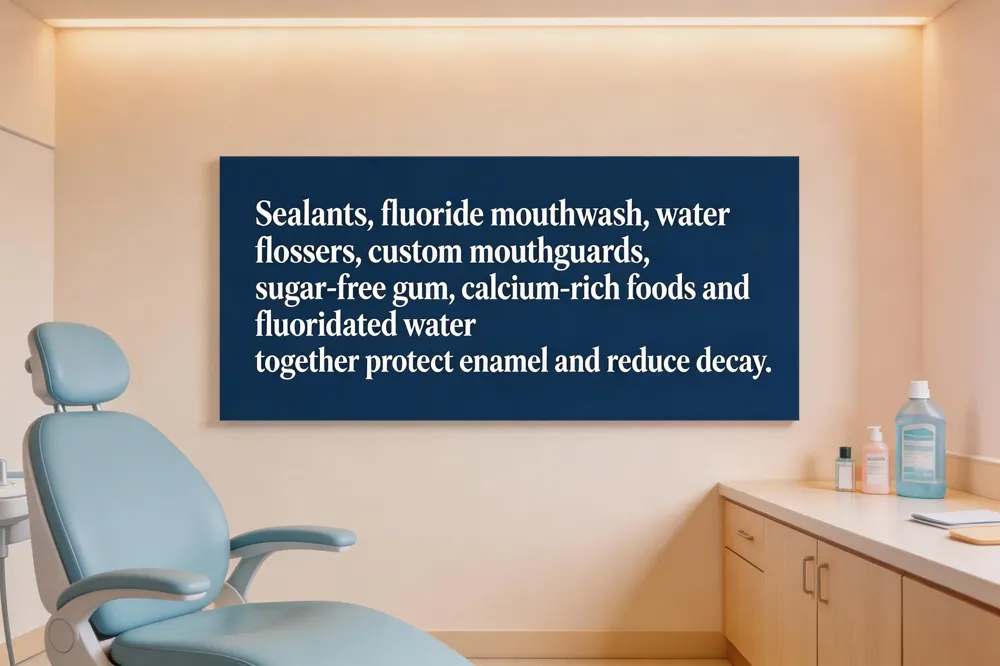 Dental sealants act as a protective coating on molar pits, cutting cavity risk by up to 80 %. Pair them with daily fluoride mouthwash to reinforce enamel after brushing. For hard‑to‑reach areas, water flossers efficiently disrupt plaque without the dexterity demands of traditional floss. Custom‑fitted mouthguards guard against night‑time grinding and sports injuries, while sugar‑free gum stimulates saliva, neutralizing acids and clearing debris. A diet rich in calcium‑dense dairy, crunchy vegetables, and fluoridated water supports strong enamel; limiting sugary or acidic foods prevents demineralization.
Oral hygiene PDF – Dr. Parrella’s team offers a free downloadable guide that walks patients through proper brushing, flossing, and denture care, emphasizing fluoride’s role in cavity prevention.
Wellness daily tips for teeth – Begin with a two‑minute soft‑bristle brush, follow with gentle floss, rinse with alcohol‑free fluoride mouthwash, stay hydrated, choose crunchy, calcium‑rich foods, and keep up semi‑annual check‑ups.
Benefits of oral hygiene – Consistent plaque removal protects gums, reduces heart, stroke, and diabetes risks, and lowers the chance of oral cancers and pregnancy complications.
Best things for dental health – Brush twice daily with fluoride toothpaste, floss daily, use a fluoride mouthwash, eat a balanced low‑sugar diet, stay hydrated, and avoid tobacco.
Conclusion
Maintaining a healthy smile is achievable when you combine daily home care with regular professional support. Brush twice a day for two minutes using a soft‑bristled brush and fluoride toothpaste, floss once daily, and consider an antimicrobial mouthwash for extra protection. Choose a tooth‑friendly diet rich in calcium, water, and crunchy fruits while limiting sugary or acidic drinks. Replace your toothbrush every three to four months and schedule professional cleanings, fluoride treatments, and sealant applications at least twice a year. These simple, evidence‑based steps dramatically lower the risk of cavities, gum disease, and oral cancer while also supporting overall health. Take the next step toward lasting oral wellness—call your local dental practice today to book a preventive exam and keep your smile bright for years to come.