The Silent Threat of Hidden Dental Problems
Many dental issues develop silently. Cavities can grow between teeth for months without causing any pain. Gum disease advances quietly beneath the gumline. By the time you notice a symptom, treatment often becomes more invasive and more expensive.
Conventional methods miss up to 50 percent of early cavities. In contrast, laser-based detection now achieves rates exceeding 90 percent for incipient lesions. This advanced technology catches decay at its earliest stage, often before any structural damage is visible.
The 90-second scan combines intraoral scanning and cone‑beam CT (CBCT). This quick, radiation‑safe process creates a detailed 3D view of your entire mouth. It reveals hidden infections, fractures, or decay that standard X‑rays may overlook. The result is immediate diagnosis and the option of conservative, tooth‑preserving treatment.
At Dr. Parrella’s family‑run Somerville practice, this cutting‑edge tool is part of a personalized, comprehensive approach. The team focuses on catching problems early, preserving natural tooth structure, and keeping care less invasive and more affordable for you.
The Technology Behind the Scan: Intraoral Scanners and Laser Detection
What is an Intraoral Scanner and How Does It Improve Dental Care?
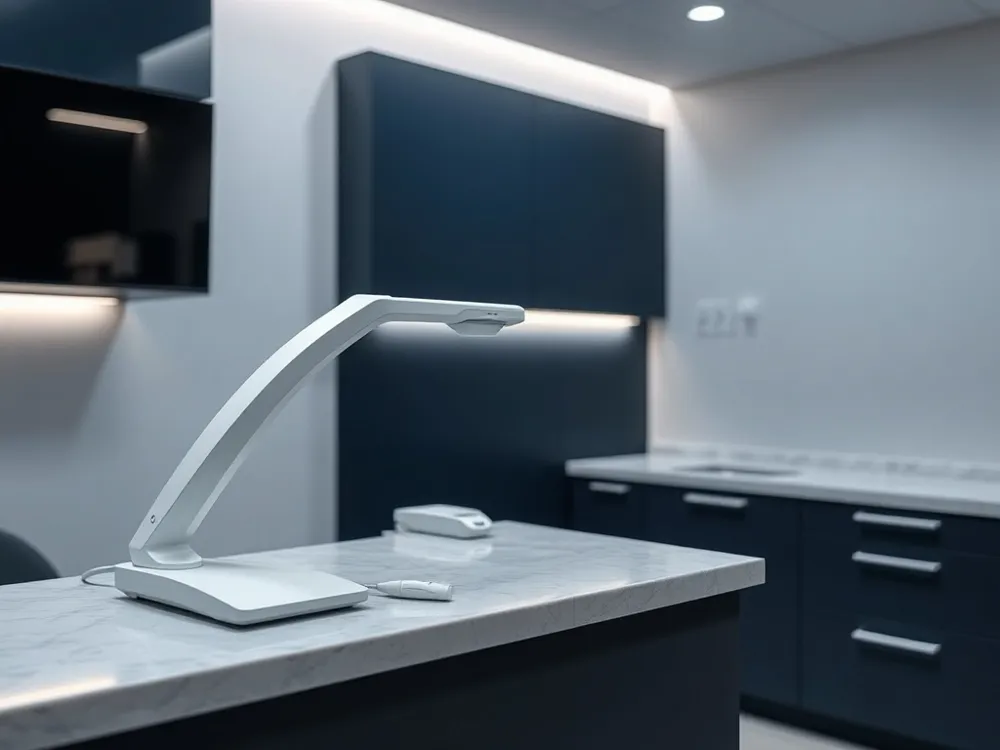
An intraoral scanner is a small, handheld wand that uses a light source and optical sensors to capture thousands of detailed 3D images of your teeth and gums in seconds. It replaces traditional putty impressions, eliminating the gagging, messy materials, and unpleasant taste. This digital approach provides far greater accuracy, allowing your dentist to detect hidden decay, wear, or fractures earlier and plan treatments with precision.
Is Using an iTero Scanner Painful or Uncomfortable?
No, the iTero scanner is completely painless and non-intrusive. Patients feel only a light pressure as the wand glides over their teeth. There is no gagging, discomfort, or bulky trays—just a quick, gentle scan. This makes it especially comfortable for anxious patients and children, ensuring a stress-free experience.
What is the Difference Between the iTero Element 2, Element 5D, and Lumina?
The iTero family offers distinct capabilities. The Element 2 is ideal for general restorative and orthodontic work. The Element 5D adds near-infrared imaging (NIRI), allowing dentists to see below the surface to detect cavities between teeth. The Lumina features an open wand for even faster, more comfortable full-arch scans. All provide high-resolution 3D models for accurate diagnosis.
Another rapid tool is the DIAGNOdent laser, which measures fluorescence in pits and fissures to reveal decay before it is visible, giving a numerical reading. Together, these technologies can scan your entire mouth in under 90 seconds, instantly uncovering hidden problems and enabling conservative, less invasive treatment.
3D Imaging That Sees More: CBCT vs. Traditional X‑Rays
What is the difference between a CBCT scan and a traditional dental X-ray?
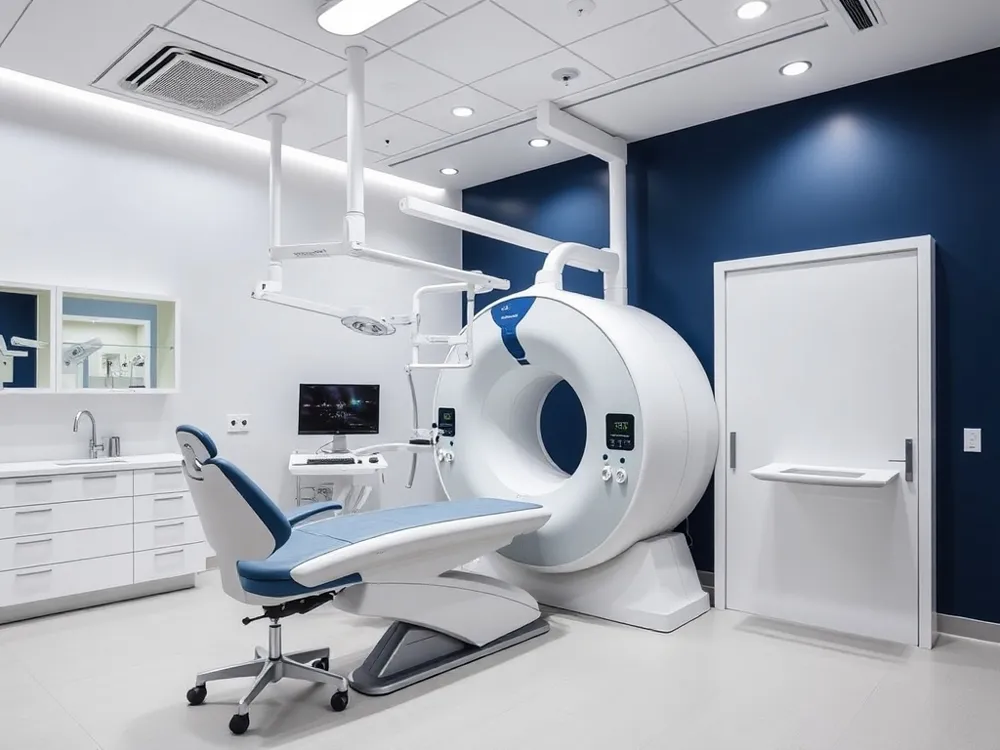
A cone-beam computed tomography (CBCT) scan is a three-dimensional imaging tool that rotates around your head, capturing hundreds of detailed slices. This creates a comprehensive model of your teeth, jawbone, nerves, and sinuses. In contrast, traditional 2D X-rays provide flat images that primarily show hard structures like teeth and bone. Because CBCT reveals cross-sectional views, it detects hidden issues—such as early decay, cysts, or infections—that standard X-rays can miss. The scan takes only about 90 seconds, is painless, and exposes you to less radiation than a mammogram. For complex procedures like implant placement or evaluating impacted wisdom teeth, CBCT offers unmatched precision while routine checkups may still rely on 2D films.
Are 3D dental scans safe and are they covered by insurance?
Yes, 3D scans are very safe. The radiation dose is minimal—lower than a medical CT scan and often less than a mammogram. FDA-approved technology makes CBCT appropriate for most patients, including pregnant women when necessary. Coverage varies by plan. Many dental insurers will cover a CBCT scan if deemed medically necessary for procedures like implant planning, root canal evaluation, or suspected pathology. Some plans require a copay or prior authorization. Always check with your dentist and insurance provider to understand your benefits. In some cases, medical insurance may also apply for TMJ or sleep apnea evaluations.
What are the hidden signs of a dental infection and how can a 3D scan help find it?
Hidden infections often present subtle clues: lingering sensitivity to hot, cold, or sweets; a dull ache; dark spots between teeth; persistent bad breath; or food catching in the same spot. Swollen gums near a particular area or fraying floss can also signal decay beneath the surface. A CBCT scan sees through these barriers, detecting problems like abscesses, bone loss, or cysts that are invisible to the naked eye or even standard X-rays. By providing a detailed 3D view, the scan allows your dentist to diagnose and treat these issues early—often with a simple filling instead of more invasive care.
Early Detection Saves Teeth and Money
Early Detection Saves Teeth and Money
Digital intraoral scans, like the 90‑second scan, are often included in the procedure fee at our Somerville practice. Traditional impressions carry hidden costs for materials, plaster models, and shipping to labs. Digital impressions reduce these overheads, which can lead to fewer appointments and lower overall costs.
Catching decay early with this scan allows for conservative treatments such as small fillings, remineralization therapy, or sealants. Waiting until a cavity hurts often means needing a crown, root canal, or extraction — more invasive and expensive procedures.
Most dental insurance plans cover diagnostic scans as part of routine exams. Investing in early detection saves money downstream. As research shows, catching problems early results in less invasive treatment, lower cost, and better long-term outcomes.
Simple Rules for a Healthy Smile: The 2‑2‑2 and 3‑3‑3 Guidelines
What is the 2-2-2 rule for maintaining good oral hygiene?
The 2-2-2 rule is a simple, dentist-approved guideline that forms the foundation of good oral hygiene. It means brushing your teeth twice a day, for two full minutes each time, and visiting your dentist for a checkup twice a year. Brushing twice daily removes plaque that builds up overnight and throughout the day, while the full two minutes ensures every tooth surface is thoroughly cleaned. Regular biannual dental visits allow for professional cleanings to remove hardened tartar and for early detection of problems like cavities or gum disease. Following this consistent routine helps prevent common dental issues and supports a healthy smile for life.
These regular checkups are the perfect opportunity for a 90‑second scan – a quick, painless laser or intraoral scan that can catch hidden decay, fractures, or gum problems long before they cause trouble. Combining the 2‑2‑2 rule with advanced diagnostics means you stay ahead of dental issues, often avoiding the need for more complex treatments.
What is the 3-3-3 rule for managing tooth pain, and when should I see a dentist?
The 3-3-3 rule is a short-term strategy to manage tooth pain by taking 600 mg of ibuprofen (three 200 mg tablets) three times a day for no more than three days to reduce inflammation. This approach helps control discomfort caused by swelling, but it is not a cure for the underlying dental issue. You should see a dentist if your pain persists after three days, as this indicates a deeper problem like a cavity, infection, or abscess. Additionally, seek immediate professional care if you experience warning signs such as facial swelling, fever, difficulty swallowing, or visible signs of infection. Remember, the 3-3-3 rule is only a temporary measure, and a dental evaluation is essential for lasting relief.
With the 90‑second scan, many hidden problems can be detected before they ever cause pain – making the 3‑3‑3 rule rarely needed. If pain does occur, the scan can instantly pinpoint the exact location and extent of the issue, allowing for minimally invasive treatment that saves tooth structure and reduces recovery time.
Uncovering Hidden Gum Infections: Periodontal Disease and the 90‑Second Scan
Periodontal disease is often a silent infection. Its earliest stage, gingivitis, may produce only subtle signs—mild swelling or occasional bleeding during brushing—but typically no pain. This lack of symptoms allows the condition to progress unnoticed into periodontitis, where inflammation and infection affect the supporting bone around your teeth.
How the 90‑Second Scan Reveals Hidden Damage
A cone beam CT (CBCT) scan, completed in about 90 seconds, detects bone loss that traditional X-rays may miss. It provides three-dimensional views of the jawbone, showing early deterioration around tooth roots. Intraoral scanners add another layer of insight by capturing detailed soft‑tissue contours and measuring pocket depths, helping your dentist assess gum health comprehensively.
Treatments Tailored to Severity
When caught early, periodontitis can be managed conservatively:
- Non‑surgical deep cleaning (scaling and root planing) removes plaque and tartar below the gumline.
- Laser therapy targets infected tissue with minimal discomfort.
- Surgical pocket reduction may be needed for advanced cases to restore tissue health.
Advanced Screening at Dr. Parrella’s Practice
Dr. Parrella’s practice goes further by using a phase‑microscope bacterial screening. A small plaque sample is examined to identify gram‑negative anaerobic bacteria—key drivers of periodontitis that have also been linked to heart disease and Alzheimer’s. This targeted approach allows treatment that addresses the underlying infection.
The Value of Early Detection
Identifying hidden gum disease through scans enables less invasive treatments, preserving natural teeth and reducing the risk of systemic health complications. Regular, quick scans are a cornerstone of maintaining both oral and overall health.
The Future of Dental Diagnostics: AI and Robotic Precision
AI-Powered Imaging Flags Hidden Pathology
Modern 3D imaging platforms like Overjet use FDA-cleared AI to automatically detect cavities, bone loss, and other hidden issues. This reduces diagnostic variability and helps dentists catch problems earlier than the naked eye allows. The result: more consistent, confident diagnoses.
Robotic Precision for Same-Day Crowns
The Perceptive Dental robot combines optical coherence tomography (OCT) with a robotic arm to capture detailed sub‑gingival images and automate procedures. It can complete a crown in about 15 minutes—a single visit instead of two—improving accuracy and patient comfort.
Facial Scanners for Cosmetic Planning
Desktop and handheld face scanners now capture 3D facial models in seconds, aiding smile design and treatment planning. These tools are becoming standard for cosmetic and restorative cases, helping patients visualize outcomes before treatment begins.
Human Touch Remains Central
While these technologies are transformative, Dr. Parrella’s team integrates them to enhance—not replace—personalized care. The 90‑second scan is one example of how modern diagnostics make dentistry faster, safer, and more effective, always with a compassionate touch.
Take Control of Your Oral Health Today
Take Control of Your Oral Health Today
A quick, painless 90‑second scan can uncover hidden dental problems long before they cause pain or require costly treatment. By detecting decay, infections, and other issues at their earliest stages, this advanced technology allows for more conservative care that preserves your natural teeth and saves you time and money.
At our family‑run Somerville practice, Dr. Parrella and the team are dedicated to providing personalized, comprehensive dentistry using the latest diagnostic tools. We believe that catching problems early is the key to lasting oral health and peace of mind.
Take the next step toward a healthier smile. Call us at (617) 625-3022 to schedule an exam, or visit our website to learn more about how this 90‑second scan can help you stay ahead of hidden dental issues.