Overview of the Diabetes‑Gum Relationship
People with diabetes are up to three times more likely to develop gum (periodontal) disease, and the reverse is also true: severe gum inflammation can make blood‑sugar control harder. High blood‑glucose levels feed harmful oral bacteria, thickening plaque and promoting gingivitis that can progress to periodontitis. The resulting chronic inflammation releases cytokines and other inflammatory markers into the bloodstream, raising systemic inflammation and worsening insulin resistance. At the same time, the oral microbiome of a diabetic mouth shifts toward more pathogenic species, further fueling gum tissue breakdown. When gum disease is untreated, the heightened inflammatory load can elevate HbA1c values by 0.3‑0.5 %, a change comparable to adding a second diabetes medication. Conversely, effective periodontal therapy—professional cleanings, scaling, root planing, and diligent home care—has been shown to lower HbA1c and improve overall glycemic control. Maintaining tight blood‑sugar targets, practicing rigorous oral hygiene, and scheduling regular dental visits create a positive feedback loop that protects both gums and metabolic health.
The Science Behind the Two‑Way Connection
 Diabetes and oral health pdf
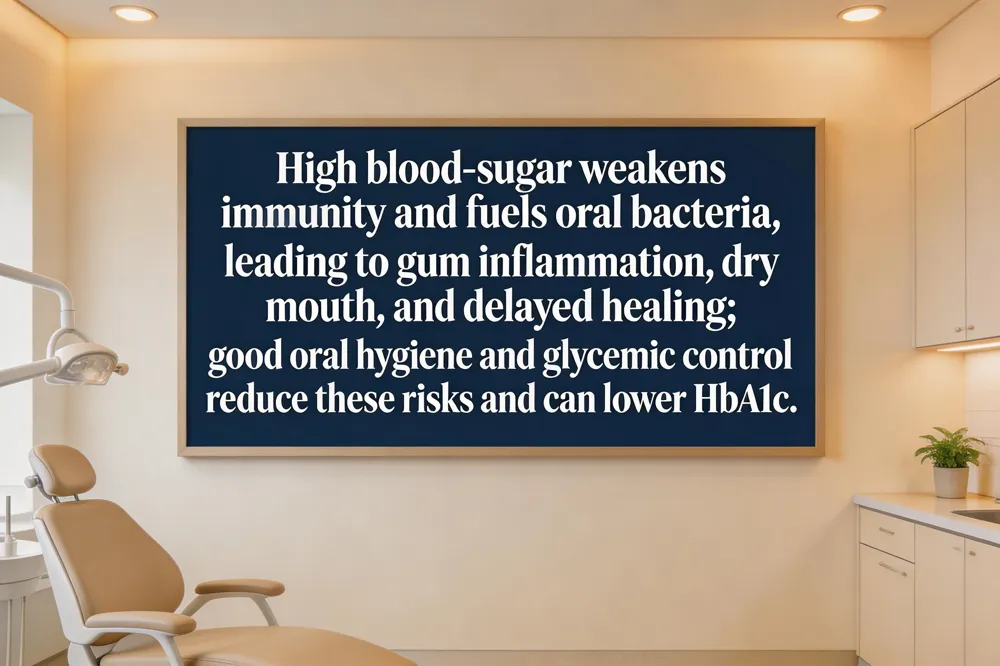
High blood‑sugar levels weaken immune defenses and increase glucose in saliva, fostering bacterial growth and plaque. This leads to gingivitis, periodontal disease, dry mouth, thrush, and delayed healing. Early warning signs—bleeding gums, persistent bad breath, receding gums, loose teeth, or mouth sores—should prompt a dental visit. Maintaining target glucose, brushing twice daily with fluoride toothpaste, flossing, staying hydrated, and seeing a dentist regularly help protect both oral and overall health.
Diabetes and periodontal disease pdf
Key clinical PDFs (e.g., ADA’s “Diabetes and Periodontal Disease: An Update,” JADA’s “Periodontal disease and diabetes: A two‑way street”) detail the bidirectional link: hyperglycemia worsens periodontal inflammation, while periodontal inflammation raises systemic markers that impair insulin sensitivity. Treatment of periodontitis can lower HbA1c by 0.3‑0.5 %.
CDC diabetes and oral health
The CDC notes that adults with diabetes are ~40 % more likely to have untreated cavities and periodontitis. Dry mouth, inflamed gums, and slower healing are common. Regular dental check‑ups, twice‑daily brushing, and daily flossing are essential to prevent complications and support glycemic control.
Diabetes and oral health articles
Research consistently shows a two‑way relationship: poor glucose control fuels gum disease, and untreated gum disease raises HbA1c. Effective periodontal therapy improves glycemic outcomes, while good oral hygiene and frequent dental visits reduce infection risk. Collaborative care between dentists and medical providers enhances detection of undiagnosed diabetes and improves overall health.
Recognizing Early Oral Warning Signs
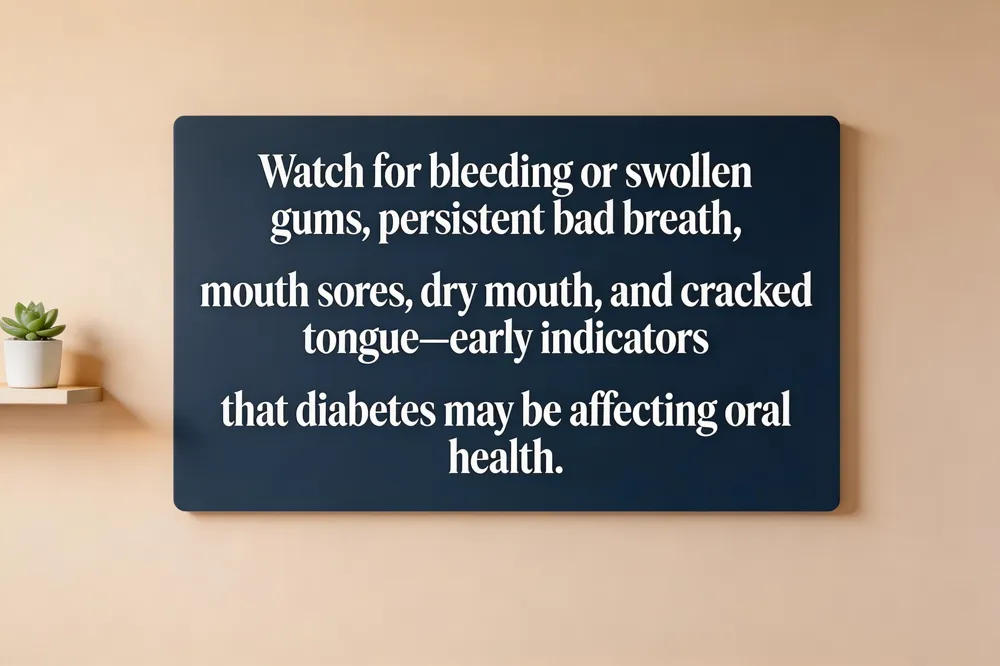 People with diabetes often notice subtle changes in their mouth that can signal gum disease or other oral problems.
Bleeding and swollen gums – High blood‑sugar levels promote inflammation and weaken the immune response, so gums may become red, puffy, and bleed easily when you brush or floss. This is one of the earliest signs of gingivitis that can quickly progress to periodontitis if left untreated.
Persistent bad breath – Elevated glucose in saliva feeds harmful bacteria, leading to plaque buildup and a foul odor that does not improve with regular brushing. Bad breath can also signal an ongoing infection beneath the gum line.
Mouth sores and thrush – Diabetes can cause oral thrush, appearing as creamy‑white patches that can be wiped away, sometimes leaving a raw, painful surface. Other ulcers, such as canthous sores, may appear as red, painful lesions with a yellow‑gray center. Because healing is slower in diabetics, these sores often linger.
Dry mouth and cracked tongue – Xerostomia (dry mouth) is common in diabetes, making the tongue feel sticky, cracked, and uncomfortable. Reduced saliva also diminishes the mouth’s natural cleansing action, increasing plaque, cavity risk, and gum irritation.
Key questions to ask yourself
- Diabetes mouth symptoms: Are you experiencing dry, cracked tongue, persistent bad taste, or frequent cavities? These may indicate poorly controlled blood sugar.
- Diabetes gum disease symptoms: Do your gums bleed, swell, or recede without pain? Persistent bad breath? These early warning signs merit a dental visit.
- Diabetes mouth sores pictures: Do you see white‑gray patches or red ulcers that won’t heal? This could be thrush or aphthous ulcers requiring professional care.
- Diabetes and teeth breaking: While diabetes doesn’t cause a crack directly, untreated decay and gum disease weaken teeth, making fractures more likely.
What to do next – Schedule a dental check‑up (ideally every 3–4 months for high‑risk patients) and keep your medical provider informed about any oral changes. Maintaining tight blood‑glucose control, brushing twice daily with fluoride toothpaste, flossing daily, staying hydrated, and quitting tobacco dramatically reduce the risk of gum disease and its impact on diabetes management.
Pre‑diabetes, Myths, and Core Diabetes Management
 Prediabetes and gum disease – Even before a diabetes diagnosis, elevated blood‑sugar fuels oral bacteria and intensifies gum inflammation. This makes people with prediabetes more prone to gingivitis and early periodontitis, and chronic gum inflammation can in turn raise glucose levels, nudging a prediabetic toward full‑blown type‑2 diabetes. Regular dental check‑ups help catch early gum changes and give dentists a chance to suggest a glucose screen.
Does baking soda help insulin resistance? – Current research shows that bicarbonate (baking‑soda) supplementation does not improve insulin sensitivity or glucose control in non‑diabetic older adults. It should not be marketed as a remedy for insulin resistance.
What are the 5 C’s of diabetes care? – Effective management focuses on Control (blood‑sugar targets), Compliance (adherence to medication, diet, and exercise), Complications (monitoring for oral, ocular, renal, and cardiovascular issues), Counseling/Concerns (addressing patient questions and emotional health), and Customization (tailoring the plan to each individual’s lifestyle and preferences).
Diabetes and oral health PPT – High glucose in saliva promotes plaque, leading to dry mouth, cavities, gingivitis, and periodontitis. Good oral hygiene—brushing twice daily with fluoride toothpaste, daily flossing, and professional cleanings—breaks this cycle and can even improve HbA1c levels. Dentists should look for delayed healing, infection, and taste changes, and coordinate with medical providers to support overall diabetes control.
Effective Treatment and Access to Care
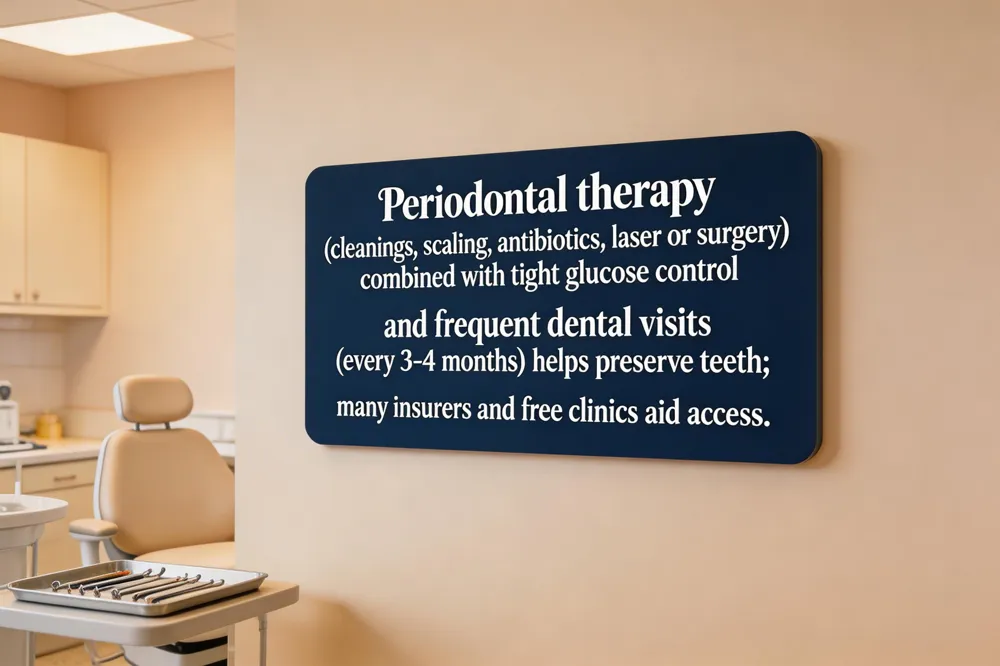 People with diabetes face a three‑fold higher chance of gum disease, but targeted care can break this cycle. • Periodontal therapy options: First, improve blood‑sugar control, then professional cleanings (scaling and root planing) remove plaque above and below the gum line. For moderate‑to‑severe periodontitis, periodontists may add localized antibiotics, laser treatment, or surgical pocket reduction to restore bone support. • Cleaning frequency for diabetics: Because inflammation progresses faster, most experts recommend dental cleanings every 3‑4 months, rather than the usual six‑month schedule, with quarterly check‑ups to monitor pocket depths. • Insurance coverage and free clinics: Many dental plans cover 80‑100 % of preventive visits; state and local health departments list sliding‑scale or charitable clinics—especially in the Greater Boston area—where high‑risk diabetic patients receive low‑cost or free care. • Tooth health preservation: Maintaining tight glucose control, quitting smoking, staying hydrated, and practicing twice‑daily brushing with fluoride toothpaste plus daily flossing protect teeth and gums, reducing cavities, dry mouth, and tooth loss. Coordinating care between your dentist and diabetes team ensures the best outcomes.
Coordinated Care for Long‑Term Success
 Effective long‑term gum health for people with diabetes hinges on seamless teamwork between the dentist and the patient’s physician. Together they review blood‑glucose logs, HbA1c results, and medication changes to schedule appropriate dental cleanings—often every three to four months for high‑risk patients. Patients are empowered to monitor oral signs (bleeding, swelling, bad breath) and to record daily oral‑hygiene habits, sharing this information at each visit. Regular follow‑up appointments allow early detection of gingivitis or periodontitis, timely adjustments to treatment plans, and reinforcement of self‑care, creating a reciprocal loop where better gum health supports improved glycemic control and vice‑versa.
Takeaway and Next Steps
Brush twice daily with a soft‑bristled fluoride toothpaste and floss (or use an interdental brush) each day to clear plaque from the gum line and between teeth. See your dentist for a professional cleaning and exam at least every three months, or more often if you have signs of gum disease. Keep blood‑sugar numbers in target range and record recent HbA1c; tell both your dentist and medical provider about any medication changes or hypoglycemia episodes. This teamwork helps reduce gum inflammation, improves glycemic control, and protects your smile. Ask about antimicrobial rinses or extra fluoride treatments for added protection.