A New Era in Dental Imaging
Digital X‑ray technology replaces traditional film with electronic sensors that capture images instantly on a computer screen. The sensors are highly sensitive, so a fraction of the radiation—often 70‑90 % less—produces a high‑resolution picture that can be zoomed, brightened, or contrasted in real time. For patients this means a faster, more comfortable visit: the tiny sensor fits easily in the mouth, the exposure is brief, and the dentist can discuss findings during the same appointment. Reduced radiation is especially valuable for children, orthodontic patients, and anyone needing frequent scans. Because no film or chemicals are used, digital radiography eliminates hazardous waste, cuts storage needs, and supports greener, more sustainable dental practices.
Radiation Safety and Patient Comfort
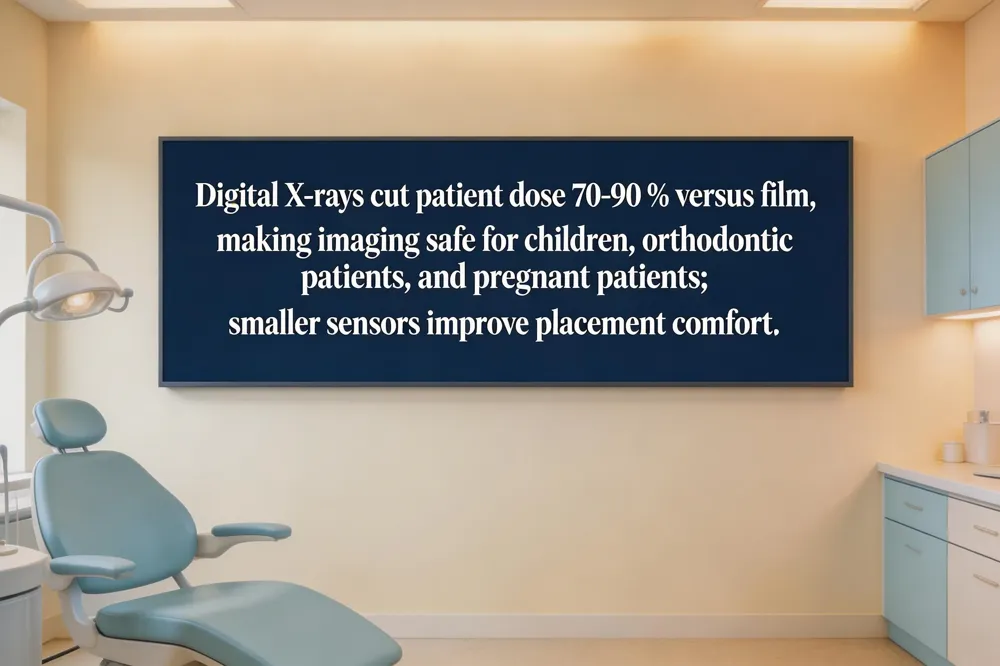 Digital dental X‑rays dramatically cut patient radiation dose—studies show a 70‑90 % reduction versus traditional film, with a typical bitewing delivering only about 0.005 mSv, far less than everyday background radiation. This low dose is especially important for children, orthodontic patients, and anyone needing frequent images, allowing safe, repeated monitoring. The can sensors used in digital radiography are smaller, thinner and more early than film plates, which eases placement, reduces gag reflexes, and improves overall comfort during the scan.
Special populations receive extra protection. During pregnancy, a lead‑filled apron and thyroid collar keep exposure well below harmful levels, and essential X‑rays can be performed safely at any trimester. For children, the reduced dose and quick capture time minimize discomfort and radiation risk.
What is the main disadvantage of using digital imaging in dentistry? The biggest drawback is the high upfront cost of sensors and software, and some intra‑oral sensors can be bulkier than film, causing occasional discomfort.
Are dental X‑rays safe during pregnancy? Yes—when proper shielding is used, the dose is negligible and well within safety guidelines.
How does dental X‑ray radiation compare to cell‑phone radiation? A single digital X‑ray (≈0.005 mSv) is about 20 times lower than the dose from one hour of typical cell‑phone use (≈0.1 mSv).
Do dental X‑rays cause cancer? The radiation dose is extremely low; large studies have not shown a consistent link to cancer, and the benefits of early disease detection far outweigh any minimal risk.
Diagnostic Power: From Bitewings to 3‑D Scans
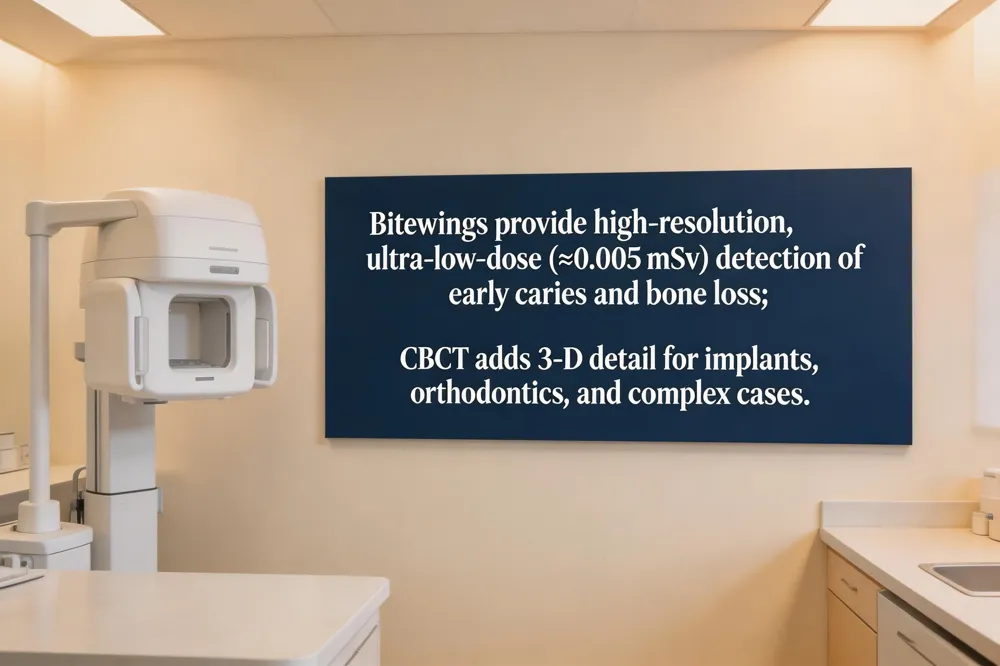 Digital dental imaging starts with bitewing X‑rays, small intra‑oral sensors that capture the crowns of posterior teeth and the surrounding bone in a single view. Bitewings are the workhorse for early caries detection and monitoring periodontal bone loss, exposing patients to a very low radiation dose—often less than 0.005 mSv per image. Because the images are high‑resolution and instantly available, dentists can zoom, adjust contrast, and spot tiny lesions that film would miss, allowing preventive treatment before a cavity becomes invasive.
When a three‑dimensional view is needed, cone‑beam computed tomography (CBCT) provides volumetric scans of teeth, jaws, nerves, and sinuses. CBCT is indicated for implant planning, complex root anatomy, impacted teeth, jaw tumors, and detailed orthodontic or surgical cases. Although the dose is higher than a bitewing, it is justified only when the extra detail changes the treatment plan.
Digital imaging uses electronic sensors and a dental X‑ray unit—an X‑ray generator, control panel, and sensor holder—to produce instant, high‑resolution radiographs without film or chemicals. This workflow follows the ALARA principle, reduces waste, and integrates with electronic health records for easy sharing.
Routine radiographic frequency follows risk‑based guidelines: low‑risk adults receive bitewings every 1–2 years, high‑risk patients annually, and children every 6–24 months. Full‑mouth or panoramic series are reserved for specific diagnostic needs.
Finally, the 50‑40‑30 aesthetic rule helps dentists sculpt harmonious smiles: the incisal edge of the maxillary central incisor occupies about 50 % of the crown length, the lateral incisor 40 %, and the canine 30 %, guiding restorative and cosmetic work.
Workflow Efficiency and Environmental Benefits
 Digital X‑ray sensors capture the image in seconds, so the dentist can view and enhance it on a monitor during the same visit. This instant availability eliminates film processing delays, allowing real‑time diagnosis and immediate discussion of treatment options with the patient. The images are stored electronically in the practice’s health‑record system, making retrieval as and secure sharing with specialists simple and HIPAA‑compliant. Because no silver‑oxide film or developing chemicals are used, hazardous waste is removed from the office, supporting a greener practice. Over time, the reduction in film, chemicals, and storage space lowers operational costs, which can be passed on to families as more affordable, preventive dental care.
Integrating Digital Imaging with Modern Practice
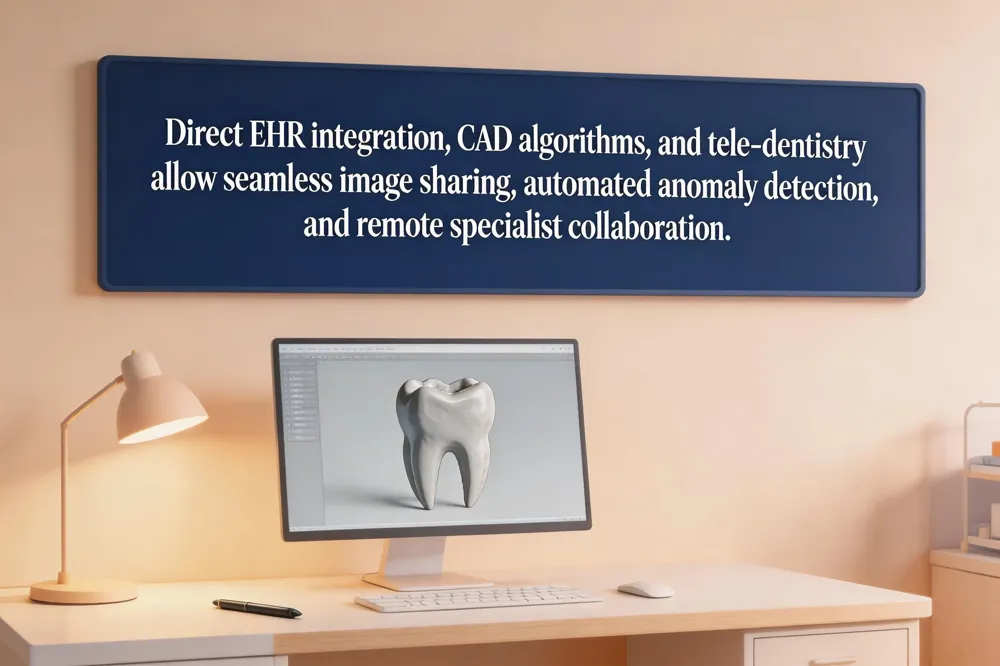 Digital X‑ray systems now plug directly into a practice’s electronic health‑record (EHR) platform, storing each high‑resolution image in a secure, HIPAA‑compliant archive that can be retrieved in a click. This seamless integration eliminates bulky film cabinets and lets clinicians compare current and historic scans side‑by‑side, supporting the “As Low As Reasonably Achievable” dosing principle. Advanced computer‑aided detection (CAD) algorithms analyze every radiograph in real time, flagging early caries, bone loss or root fractures and sending alerts to the dentist’s dashboard. When paired with tele‑dentistry, the same digital file can be shared instantly with specialists, speeding referrals for implants, orthodontics or oral surgery. In‑office, patients can view their own X‑ray on a monitor, watch the dentist highlight problem areas, and understand the proposed treatment plan before leaving the chair.
Future Trends: From Sensors to AI
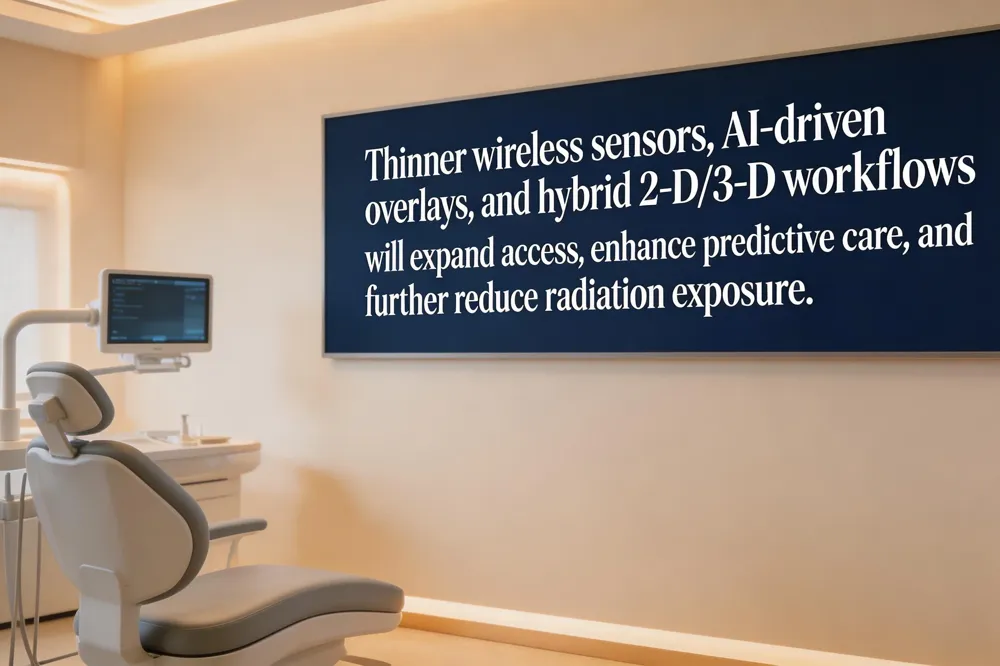 The next wave of digital dental imaging will see sensors become thinner, wireless, and ergonomically designed for greater patient comfort, especially for children and gag‑sensitive individuals. AI‑enhanced overlays will automatically highlight early caries, bone loss, and root fractures, providing predictive analytics that guide preventive care and treatment planning. Integration of high‑resolution 3‑D cone‑beam CT with intra‑oral digital radiographs will create hybrid workflows, allowing clinicians to switch seamlessly between 2‑D and 3‑D views for implant placement, orthodontic assessment, and complex endodontics. As sensor costs fall and cloud‑based storage becomes standard, smaller community practices will adopt these technologies, expanding access to fast, low‑dose, and environmentally friendly imaging for families across the country.
Embracing Safer, Smarter Dental Care
Digital dental X‑rays cut patient radiation exposure by 70‑90 % compared with traditional film, delivering high‑resolution images instantly on a screen. The immediate, electronic view lets dentists zoom, adjust contrast and detect tiny cavities or early bone loss that film might miss, while eliminating hazardous chemicals and reducing waste. Because the images appear in real time, we can discuss findings with you during the same visit, showing the exact area of concern and explaining treatment options in clear, visual language. At our practice we have invested in the latest low‑dose sensors and secure cloud‑based storage, ensuring every X‑ray is safe, environmentally friendly and instantly shareable with specialists. This commitment to cutting‑edge, low‑radiation diagnostics empowers families to stay informed, make confident decisions and enjoy a healthier smile.