Why Preventive Dental Care Matters
The Financial Logic of Preventive Care
A routine dental cleaning typically costs between $75 and $200. In contrast, a single root canal can exceed $1,200, and a dental implant may run $3,000 to $5,000. Studies consistently show that for every $1 spent on preventive care, patients save between $3 and $50 in future restorative and emergency treatments. Patients who receive biannual cleanings also incur 30% to 45% lower total oral-health expenditures over a decade compared with those who skip appointments.
Health Advantages Beyond the Mouth
Regular exams do more than protect teeth. Untreated gum disease has been linked to a higher risk of cardiovascular disease, complications in diabetes, and adverse pregnancy outcomes. Professional cleanings reduce chronic inflammation and oral bacterial load, supporting overall health. Dentists also screen for oral cancer during routine visits, catching early signs when the five-year survival rate exceeds 80%.
Costs and Coverage at a Glance
Most dental insurance plans cover two preventive cleanings and exams per year at no out-of-pocket cost. For uninsured patients, dental savings plans (often $49 to $149 annually) can reduce cleaning fees by 20% to 30%. Community health centers and dental schools also offer low-cost options. Investing in regular preventive care avoids the far higher costs of emergency procedures and preserves long-term oral and systemic health.| Service | Average Cost Without Insurance | Typical Cost With Insurance or Savings Plan | Long-Term Savings Benefit | |-------------|------------------------------------|------------------------------------------------|--------------------------------| | Routine cleaning & exam | $75 – $200 | Often $0 (insurance) or $60 – $80 (savings plan) | Avoids $1,200+ root canals and crowns | | Deep cleaning (Deep cleaning scaling/root planing/root planing, per quadrant) | $150 – $300 | $100 – $200 after discount | Prevents $3,000 – $5,000 periodontal surgery | | (Filling, composite) | $150 – $300 | $100 – $250 after discount | Prevents $1,000+ crown or extraction | | (Oral cancer screening) | Included in exam | Included in exam | 80%+ survival rate if caught early vs. 40% late stage |
Financial Benefits of Routine Exams and Cleanings
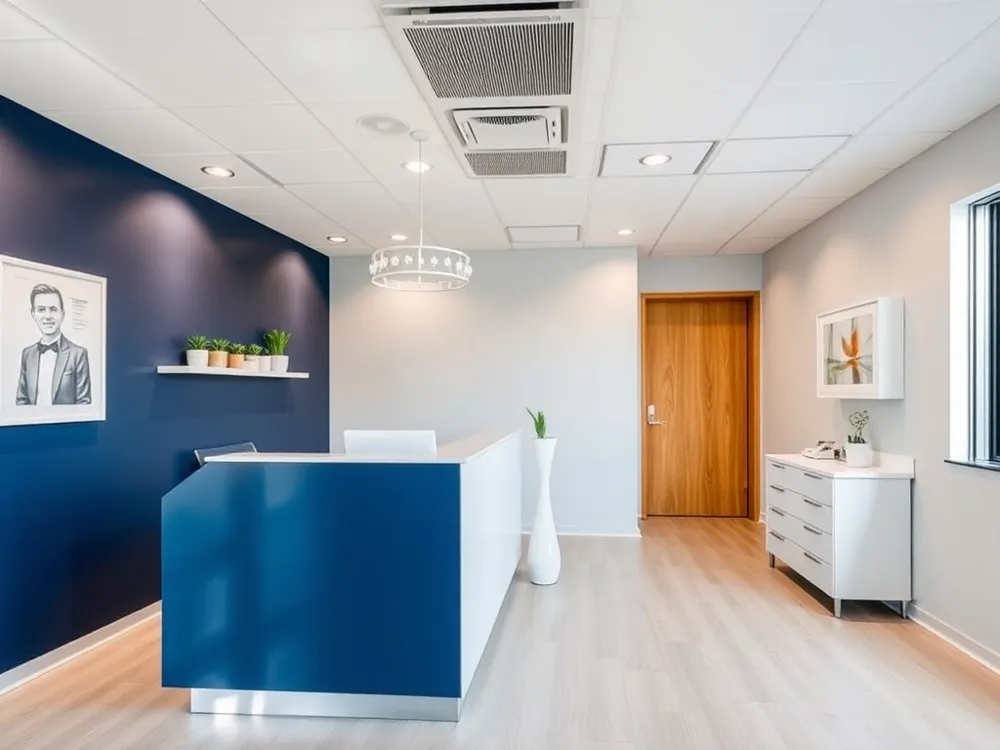
Investing in prevention: How routine visits protect your wallet
A routine dental cleaning in Somerville costs $100–$150, while a single root canal can exceed $1,200. The American Dental Association reports twice‑yearly cleanings reduce cavity risk by up to 40% and gum disease risk by 50%. Skipping preventive care often leads to costly procedures such as crowns ($800–$3,000) or implants ($3,000–$7,000). A 2022 study found patients attending regular cleanings spent 30% less on oral health over ten years.
Coverage options: Insurance and discount plans make care affordable
Most dental insurance plans cover two preventive visits annually at 100%, eliminating your out‑of‑pocket expense for exams and cleanings. For the 40 million Americans without insurance, membership plans offer a low‑cost alternative: Aspen Dental’s plan costs $49/year and provides free exams and X‑rays plus 30% off cleanings. Typical savings from these plans range from 10%–60% on preventive services.
Local transparency: What you’ll pay at a Somerville practice
At Dr. Parrella’s office, a comprehensive exam runs $70–$90, and a full set of digital X‑rays costs $30–$50. Together with a cleaning, your total is $130–$200—lower than the national average of $203. For insured patients, these services often cost $0. The CDC estimates every $1 spent on prevention saves up to $50 in future treatment, making routine care your smartest dental investment.
Health Impact Beyond the Mouth

Is Professional Teeth Cleaning Good or Bad?
Yes – overwhelmingly good. Professional teeth cleaning removes plaque and tartar that brushing alone can’t reach, preventing cavities and gum disease. But the benefits don’t stop at your mouth. Research shows that cleaning your teeth twice a year reduces systemic inflammation, a key driver of heart disease, diabetes complications, and adverse pregnancy outcomes. Some patients experience mild sensitivity after a deep cleaning, but this fades quickly, and the long‑term protection for your whole body is well worth it.
How Do Cleanings Reduce Systemic Inflammation?
Gum disease (periodontitis) triggers chronic inflammation throughout the body. This inflammation is linked to a higher risk of heart attacks, strokes, and poorly controlled diabetes. Professional cleanings lower the bacterial load in your mouth, calming that inflammation. For pregnant women, untreated gum disease raises the risk of preterm birth and low‑birth‑weight infants. Regular cleanings help keep mom and baby safer.
What Special Considerations Apply to Diabetic Patients?
If you have diabetes, you have a greater chance of developing gum disease, and gum disease can make blood‑sugar control even harder. Professional cleanings every six months (or more often if recommended) reduce periodontal infection, which in turn helps stabilize blood‑sugar levels. Our team works with your medical provider to tailor a cleaning schedule that protects both your smile and your overall health.
Understanding Dental Cleaning Procedures
What a Standard Cleaning Includes
Cleaning Includes A routine prophylaxis involves scaling to remove plaque and tartar, polishing to smooth tooth surfaces, and a fluoride treatment to strengthen enamel. The procedure takes about 45–60 minutes and targets hard-to-reach areas above the gum line.
How Often Should Teeth Be Cleaned Each Year?
The American Dental Association recommends most adults receive professional cleanings twice yearly. Patients with gum disease, smoking, diabetes, or frequent cavities may need visits every three to four months. Those with excellent oral hygiene may be cleared for annual cleanings after a dentist’s evaluation.
What Is the Cost of a Gingivitis Cleaning?
A standard prophylaxis for gingivitis costs between $75 and $200 (average $104). If inflammation has progressed to periodontitis, deep cleaning (scaling and root planing) becomes necessary, typically $150–$350 per quadrant.
Why Does Dental Cleaning Sometimes Hurt?
Discomfort arises from heavy plaque buildup below the gum line or inflamed, bleeding gums. Regular at-home hygiene reduces tartar and inflammation, making future cleanings more comfortable. Temporary sensitivity or mild irritation is normal and resolves quickly.
Possible Discomfort and How to Manage It
Disadvantages are minimal: temporary tooth sensitivity, mild gum irritation, or brief bleeding. For deeper cleanings, slight pain may persist a few days. Using desensitizing toothpaste, taking over-the-counter pain relievers before appointments, and maintaining good oral hygiene can ease discomfort. The preventive benefits far outweigh these minor risks.
Insurance, Discount Plans, and Payment Options
How Insurance Covers Preventive Services
Most dental insurance plans cover preventive services—exams, cleanings, X‑rays, and sometimes fluoride or sealants—at 100% with no copay Preventive services often covered 100% by insurance. This typically includes two cleanings per year ADA recommends dental exam and cleaning twice a year. Using these benefits fully prevents decay and gum disease, avoiding costlier restorative work later Regular dental check‑ups and professional cleanings can prevent cavities and gum disease.
Membership Plans: Aspen Dental and Mutual of Omaha
For uninsured patients, membership plans offer predictable savings. The Aspen Dental Savings Plan costs $49/year (primary member) and covers exams and X‑rays at 100%, plus 30% off cleanings Low annual fee: $49 for primary member, 100% off exams and X‑rays for members, 30% off preventative hygiene cleanings. The Mutual of Omaha Dental Discount Card provides 5–60% off a wide range of procedures, with no waiting periods or annual maximums Mutual of Omaha dental savings plan offers 5%‑60% discounts on routine exams, unlimited cleanings, and major work. Both plans allow immediate use and eliminate deductibles No waiting periods, annual maximums, or deductibles.
Cash‑Price Discounts and Financing Options
Many dental practices offer cash‑pay discounts (10–15%) or in‑house payment plans for uninsured patients Upfront cash payment may earn a 10-15% discount. Third‑party financing like CareCredit provides interest‑free promotional periods. Health Savings Accounts (HSAs) and Flexible Spending Accounts (FSAs) let you pay with pre‑tax dollars HSAs let you spend pre-tax dollars on qualified dental expenses. Dental school clinics and community health centers also offer reduced‑cost cleanings (30–50% less) Community resources such as dental schools, health centers, and public health departments often offer low‑cost dental services for uninsured patients.
Advantages and Disadvantages of Teeth Cleaning
Professional cleanings remove plaque and tartar, preventing cavities and gum disease, enabling early oral cancer detection, and supporting overall health Regular dental check‑ups and professional cleanings can cut cavity risk by up to 40%, prevent gum disease, enable early oral cancer detection, and are linked to lower overall healthcare costs. Minor, temporary gum irritation or tooth sensitivity may occur but resolves quickly The procedure can be unpleasant, may cause bleeding, and patients on blood‑thinning medication should inform the dentist. The substantial long‑term savings and health benefits far outweigh these short‑lived effects Preventive cleanings reduce cavities by up to 40% and gum disease by up to 50%, save an average of $1,200 per year in restorative procedures, and every $1 spent on prevention saves $3‑$4 in future dental treatment.
Practical Tips for Maintaining Oral Health
Daily Brushing, Flossing, and Fluoride Use
Brushing twice a day with fluoride toothpaste, flossing daily, and using fluoride mouthwash form the foundation of at‑home care. Fluoride strengthens enamel and can reduce cavities by up to 25 %. These habits, combined with regular professional cleanings, remove plaque that can harden into tartar (which only a hygienist can scale away).
What Are the Benefits of Teeth Cleaning Every Six Months?
Six‑month cleanings keep tartar under control, lower the risk of cavities and gum disease by 40‑50 %, and allow early detection of decay, broken restorations, and oral cancer. Early intervention can save thousands of dollars in restorative work. For patients with conditions like diabetes, more frequent visits may be recommended to manage gum inflammation and improve blood‑sugar control.
Budgeting for Preventive Care and Using Savings Plans
What is the average cost of dental cleaning near me? In Somerville, a routine cleaning without insurance runs $100‑$150, below the national average of $104‑$203. Dental savings plans (e.g., $49‑$79/year) can cut that cost by 30 % and often include free exams and X‑rays. Many insurance plans cover two cleanings per year at 100 %.
Why does dental cleaning sometimes hurt? Pain usually stems from heavy tartar deposits or inflamed gums. Regular preventive care reduces buildup, making cleanings easier over time.
Sealants and Regular X‑Rays for Early Detection
Dental sealants prevent up to 80 % of cavities in molars for children, costing $30‑$60 per tooth. Routine X‑rays (annual or biannual) detect hidden decay and bone loss, enabling minimally invasive treatments.
Lifestyle Factors That Impact Oral Health
Limiting sugary snacks, avoiding tobacco, and managing stress reduce the risk of cavities and gum disease. Poor oral health is linked to heart disease, diabetes complications, and adverse pregnancy outcomes. Regular preventive care supports both oral and overall health, lowering long‑term medical expenses.
Your Path to Savings and Health
Your Path to Savings and Health
Regular cleanings and exams reduce your risk of cavities by up to 40% and can save $8–$50 in future treatment for every dollar spent on prevention. Patients with chronic conditions like diabetes or heart disease who receive yearly preventive dental care save an average of $549–$866 in overall healthcare costs. Early detection of gum disease, oral cancer, and hidden decay stops small issues from becoming expensive emergencies.
Investing in twice‑yearly cleanings now protects your smile, your health, and your budget. Dr. Anthony P. Parrella’s family‑run practice in Somerville, MA offers personalized preventive care tailored to your needs. Schedule your visit today to start saving.