
Small Habits Make a Difference
Brushing is an everyday task, but small choices can shape how well it cleans. A steady routine, gentle technique, and a toothbrush that feels comfortable are more useful than forceful scrubbing. The American Dental Association recommends brushing twice a day with a soft-bristled toothbrush and fluoride toothpaste, using short, gentle strokes along the teeth and gumline. Its brushing guidance offers a practical starting point.
These general recommendations suit many people, but comfort, dexterity, dental work, and oral-health needs can differ. At drparrella.com, care is provided by a longstanding, family-run Somerville practice focused on personalized, comprehensive dental care. Ask your dentist or hygienist to check your technique and suggest adjustments that fit your needs. A dental professional can also help you choose a toothbrush and other home-care tools you can use consistently.
The Two Minute Daily Routine
 A practical routine is to brush twice a day for two minutes with fluoride toothpaste and a soft-bristled brush. Divide your mouth into four areas and spend about 30 seconds on each, covering the outer, inner, and chewing surfaces with gentle strokes. A timer can help you keep track. The American Dental Association’s home-care guidance explains this general recommendation.
Brushing loosens plaque, the sticky film of bacteria that can contribute to cavities and gum disease. Fluoride helps protect and strengthen tooth enamel. Gentle, thorough brushing is more useful than pressing hard, which can irritate the gums. If you have questions about your technique or products, a dental team such as drparrella.com can offer guidance suited to your needs.
Brushing is only one part of caring for your mouth. Clean between your teeth daily, choose a balanced diet that limits sugary drinks and snacks, and keep up with dental visits. How often you need an appointment depends on your oral health, risk factors, and treatment needs, rather than one schedule that fits everyone. Your dentist can help set an appropriate interval.
Angle the Brush Along the Gumline
 The right brushing motion is not simply vertical or horizontal. The American Dental Association’s brushing guidance recommends placing soft bristles at about a 45-degree angle toward the gumline, then moving the brush gently in short strokes.
Work across the outer, inner, and chewing surfaces, moving through each area methodically so the back teeth and gumline are not skipped. Small, controlled circular motions can clean along the gums; short back-and-forth strokes suit the chewing surfaces. For the inside of the front teeth, hold the brush vertically and make several gentle up-and-down strokes. Brush the tongue lightly, too.
Avoid prolonged, forceful side-to-side scrubbing. Pressing hard can irritate the gums, while a measured approach gives you more control. The ADA’s toothbrush guidance describes gentle pressure and soft bristles as part of a suitable technique.
If you are unsure whether your technique is working, ask a dental professional to demonstrate it during a visit. A family-run practice such as drparrella.com can discuss your brushing routine in the context of your individual needs, including dental work or areas that are difficult to reach.
Choose Tools You Can Use Comfortably
A brush that feels comfortable is easier to use consistently. Choose soft bristles and a head that fits your mouth, so you can reach the back teeth and other areas without straining. The American Dental Association’s toothbrush guidance notes that both manual and powered brushes can remove plaque when used appropriately.
Neither type is automatically better. A powered brush may be easier to grip or maneuver if you have limited hand mobility, and a built-in timer can help you brush for the recommended duration. Whichever you choose, use gentle pressure and focus on thorough coverage. At drparrella.com, product advice can be discussed as part of personalized dental care.
Pair your brush with fluoride toothpaste. The ADA Seal of Acceptance identifies products evaluated against the association’s criteria for safety and effectiveness. Replace a manual brush or powered-brush head every three to four months, or sooner if the bristles become frayed, matted, or worn. If you are unsure which tools suit your needs, ask your dentist for guidance.
For practical tips on choosing a comfortable brush, see this guide to toothbrush size, shape, and handle choices.
Make Brushing Easier for Children
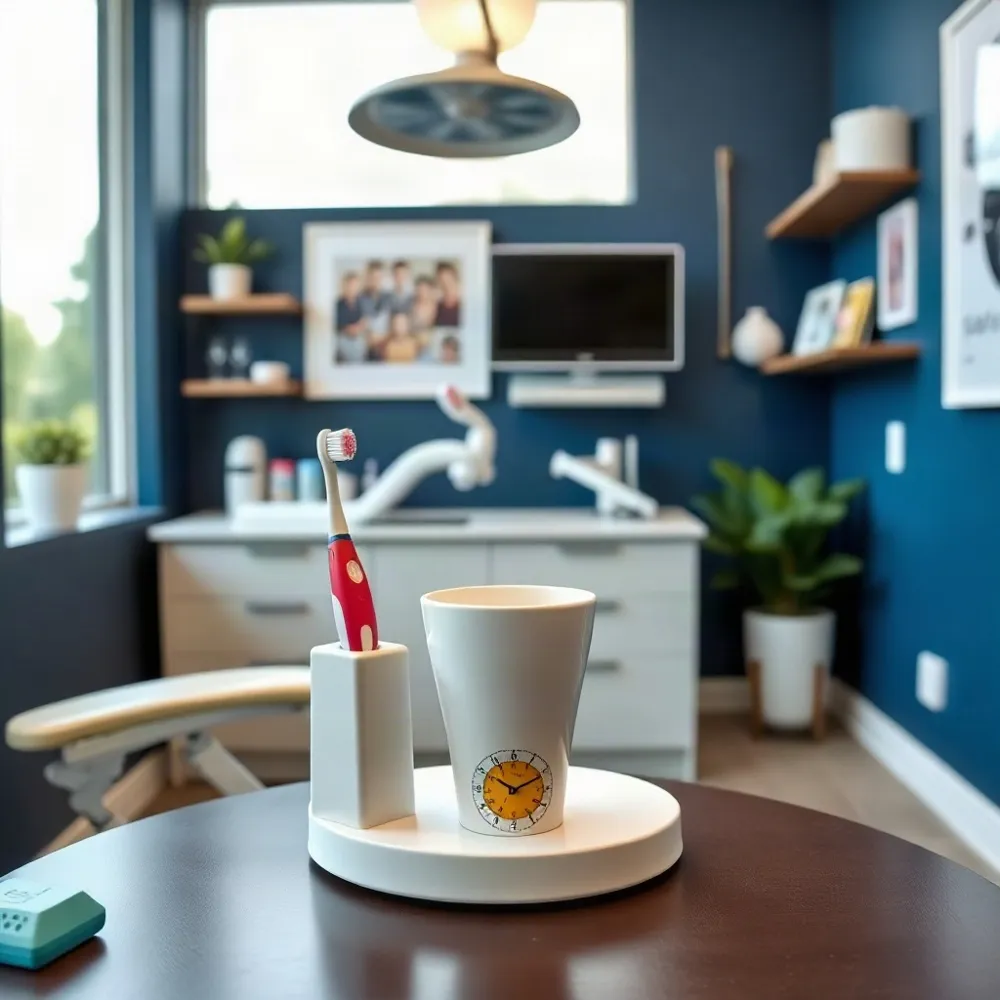 Children can start brushing as soon as the first primary tooth appears. Choose a child-sized, soft-bristled toothbrush, and use a smear of fluoride toothpaste about the size of a grain of rice for children younger than three. From age three onward, use a pea-sized amount, following American Dental Association guidance on toothbrushes and children’s oral care.
Caregivers should brush a young child’s teeth or assist and supervise as skills develop. Keep an eye on whether the brush reaches the front, back, and chewing surfaces, and help the child spit out excess toothpaste. Supervision can continue until the child can clean thoroughly and spit reliably. For more practical ideas, see ways to help children build healthy brushing habits.
Two minutes can feel long to a young child, so make it part of a shared routine. Brush together, play a song, or use a timer to give the child a friendly cue without making brushing a contest. The goal is a calm, thorough habit rather than perfect cooperation every time.
A manual or powered toothbrush can work; comfort and the child’s ability to guide the brush matter most. If a particular brush makes brushing easier to manage, it may help the routine feel more consistent. Families can ask their dental team to check the child’s technique and suggest adjustments suited to their needs.
Treat Brushing Rules as Helpful Reminders
Rules such as “2-2-2” and “3-3-3” can help people remember oral-care habits, but they are informal memory aids, not official standards, and their meanings vary. The American Dental Association’s home-care guidance supports a general routine of brushing twice daily for two minutes with fluoride toothpaste.
Bedtime is one sensible time to brush, paired with another time that fits your day. The important point is to follow a routine you can maintain, rather than treating three daily brushings or three minutes each session as universal requirements.
The same flexibility applies to dental visits. A twice-yearly schedule may suit some people, but visit frequency should reflect a person’s oral-health risks and needs. At drparrella.com, the family-run practice provides personalized dental care, so patients can raise questions about their brushing habits and discuss guidance suited to their circumstances.
Know When to Ask for Guidance
Know When to Ask for Guidance
Brushing questions are common, and a dental visit is a good time to ask a dentist or hygienist to watch your technique. They can suggest small adjustments and help you choose toothbrushes, toothpaste, or a method for cleaning between teeth that suits your needs. At drparrella.com, patient guidance is part of the personalized care offered by the family-run Somerville practice.
Plaque can be difficult to see, so a mouth that looks clean may still have areas that need attention. The National Institute of Dental and Craniofacial Research’s oral hygiene guidance identifies red, swollen, or easily bleeding gums as signs of gingivitis. If these changes persist, contact a dental professional rather than trying to solve the problem by brushing harder.
A toothbrush can remove plaque, but it cannot remove hardened tartar, also called calculus. Tartar may need to be removed during a professional cleaning. If your gums bleed or feel sore, mention it at your appointment so the dental team can assess your gums and discuss an approach suited to you.
Build a Routine That Fits You
A practical routine does not need to be complicated: brush twice daily for two minutes with fluoride toothpaste, using gentle pressure and covering the outer, inner, and chewing surfaces of every tooth. The American Dental Association’s home-care guidance also recommends cleaning between teeth daily.
Brushing needs can vary with your teeth, gums, health, and dexterity, so ask your dental team to tailor advice to you instead of scrubbing harder or relying on informal rules. At drparrella.com, care is provided by a longstanding, family-run Somerville practice focused on personalized dental care. A conversation with your dental team can help you choose a routine and tools you can maintain comfortably.