A Restful Night Starts With a Healthy Mouth
Good oral health is a cornerstone of restorative sleep. Inflammation, pain, and dry mouth from untreated cavities, gum disease, or misaligned jaws can trigger nighttime awakenings, snoring, and breathing interruptions. Common sleep‑related oral conditions include obstructive sleep apnea (linked to a recessed jaw or enlarged tongue), bruxism (teeth grinding that causes jaw pain and micro‑awakenings), and periodontal disease, which raises systemic inflammation and disrupts sleep cycles. Dentists play a pivotal role: routine exams identify signs of airway obstruction, gum inflammation, and enamel wear; night guards or mandibular advancement devices protect teeth and keep the airway open; and professional cleanings with oral‑hygiene counseling reduce bacterial load and inflammation. Together, dental care and sleep hygiene create a healthier mouth and a night.
Sleep and Dental Caries
 Sleep duration and cavity risk
Research shows that insufficient or poor‑quality sleep is linked to a higher risk of dental caries, especially in children and adolescents. Short sleep disrupts the body’s circadian rhythm, leading to reduced saliva flow during the night and creating a more acidic oral environment where cariogenic bacteria thrive. Moreover, sleep‑deprived individuals are more likely to indulge in late‑night snacking, providing extra fuel for plaque‑forming microbes.
Saliva production changes during sleep
Saliva is the mouth’s natural defense, neutralizing acids and washing away food particles. During deep sleep, saliva production naturally slows, but inadequate sleep amplifies this reduction, resulting in xerostomia (dry mouth). A dry mouth diminishes the protective buffer, allowing bacteria to proliferate and increase the risk of cavities.
Nighttime snacking and sugar exposure
When sleep is compromised, cravings for sugary or acidic foods often rise, especially late at night. Consuming these foods without the benefit of saliva’s cleansing action leads to prolonged acid exposure on tooth enamel, accelerating decay.
Clinical guidance
At Dr. Parrella’s practice, we emphasize that a regular sleep schedule of 7‑9 hours per night supports optimal saliva flow and reduces nighttime sugar cravings. Coupled with twice‑daily brushing, daily flossing, and routine dental check‑ups, good sleep hygiene is a key component of a comprehensive caries‑prevention strategy.
Mouth Breathing and Sleep Quality
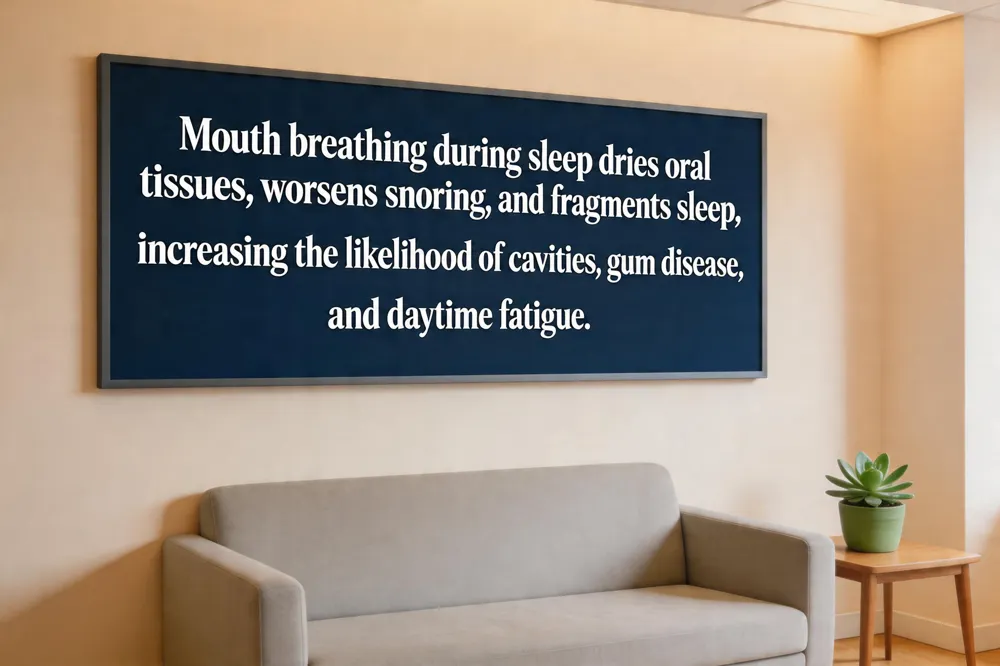 Mouth breathing during sleep is a common yet often overlooked problem that can dramatically reduce sleep quality. When the airway is forced open through the mouth, it often becomes partially obstructed, leading to snoring, dry oral tissues, and frequent micro‑awakenings that fragment both REM and non‑REM sleep cycles.
Impact of chronic mouth breathing on the airway Chronic mouth breathing is frequently triggered by nasal congestion from allergies, sinus infections, or structural issues such as a deviated septum or enlarged adenoids. The open‑mouth posture narrows the airway space, making it easier for the tongue and soft palate to collapse during sleep, which can precipitate obstructive sleep apnea episodes.
Dry mouth, snoring, and sleep fragmentation Breathing through the mouth bypasses the natural humidification and filtration provided by the nose, resulting in xerostomia (dry mouth). Reduced saliva flow diminishes its protective antibacterial action, increasing the risk of cavities, gum disease, and bad breath—all of which can cause discomfort that wakes you at night. Dry mouth also contributes to louder snoring, which further disrupts sleep for both the patient and a partner.
Strategies to promote nasal breathing
- Allergy and sinus management – Use saline rinses, antihistamines, or prescription nasal sprays to keep passages clear.
- Nasal dilators or strips – Simple over‑the‑counter devices can gently expand the nasal valve during sleep.
- Address structural problems – Orthodontic or surgical interventions (e.g., septoplasty) may be recommended after a dental‑sleep evaluation.
- Mouth‑taping – Under professional guidance, gentle taping can encourage nasal breathing for people without severe obstruction.
- Humidified environment – A bedroom humidifier keeps airway tissues moist, reducing irritation.
If you notice you wake up with a dry mouth, sore throat, or frequent snoring, schedule a dental appointment. We can assess your airway, check for signs of sleep‑related breathing disorders, and recommend personalized treatments—ranging from oral appliances to referrals for sleep‑medicine specialists—to help you breathe better and enjoy more restorative sleep.
Understanding Sleep Apnea and Dental Care
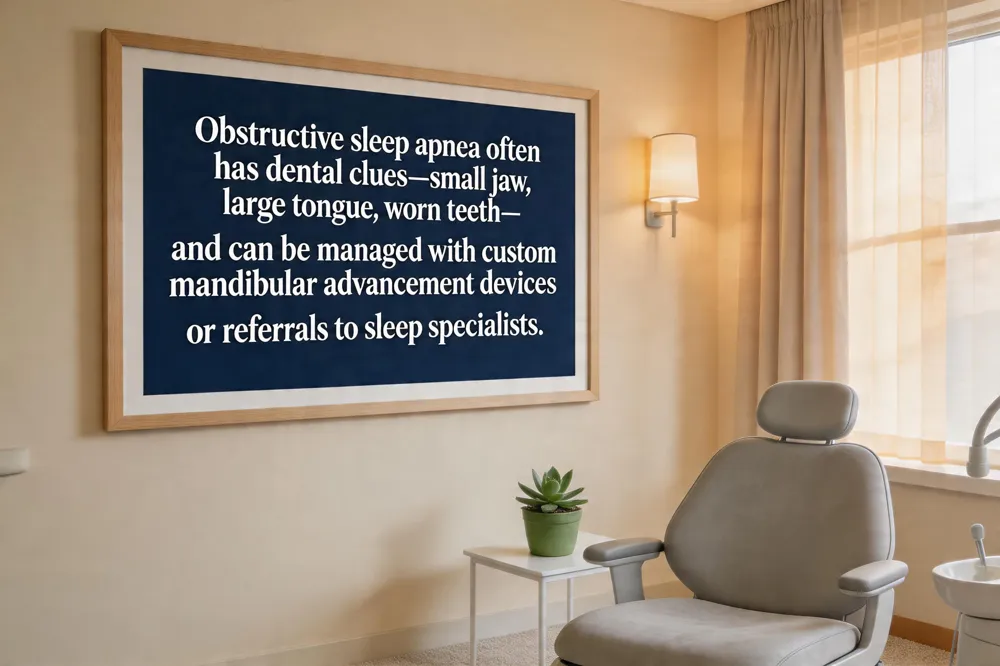 Sleep apnea is a sleep‑related breathing disorder in which the airway becomes partially or completely blocked, causing pauses in breathing throughout the night. The most common form, obstructive sleep apnea (OSA), occurs when throat muscles relax and collapse the airway, while central sleep apnea stems from a lack of proper brain signals to the breathing muscles. Typical signs include loud snoring, gasping or choking during sleep, morning headaches, and excessive daytime sleepiness that can affect mood and concentration. If left untreated, sleep apnea raises the risk of hypertension, heart disease, diabetes, and daytime accidents.
Obstructive vs. Central Sleep Apnea Obstructive apnea is driven by anatomical factors—enlarged tongue, recessed jaw, or a high, narrow palate—that dentists can often spot during routine exams. Central apnea, by contrast, is neurologic and usually requires a sleep‑medicine specialist for diagnosis.
Dental Signs of Airway Obstruction Dentists look for a small lower jaw (micrognathia), a large tongue, worn tooth surfaces from bruxism, and scalloped or swollen gums. These clues may indicate a narrowed airway that contributes to OSA.
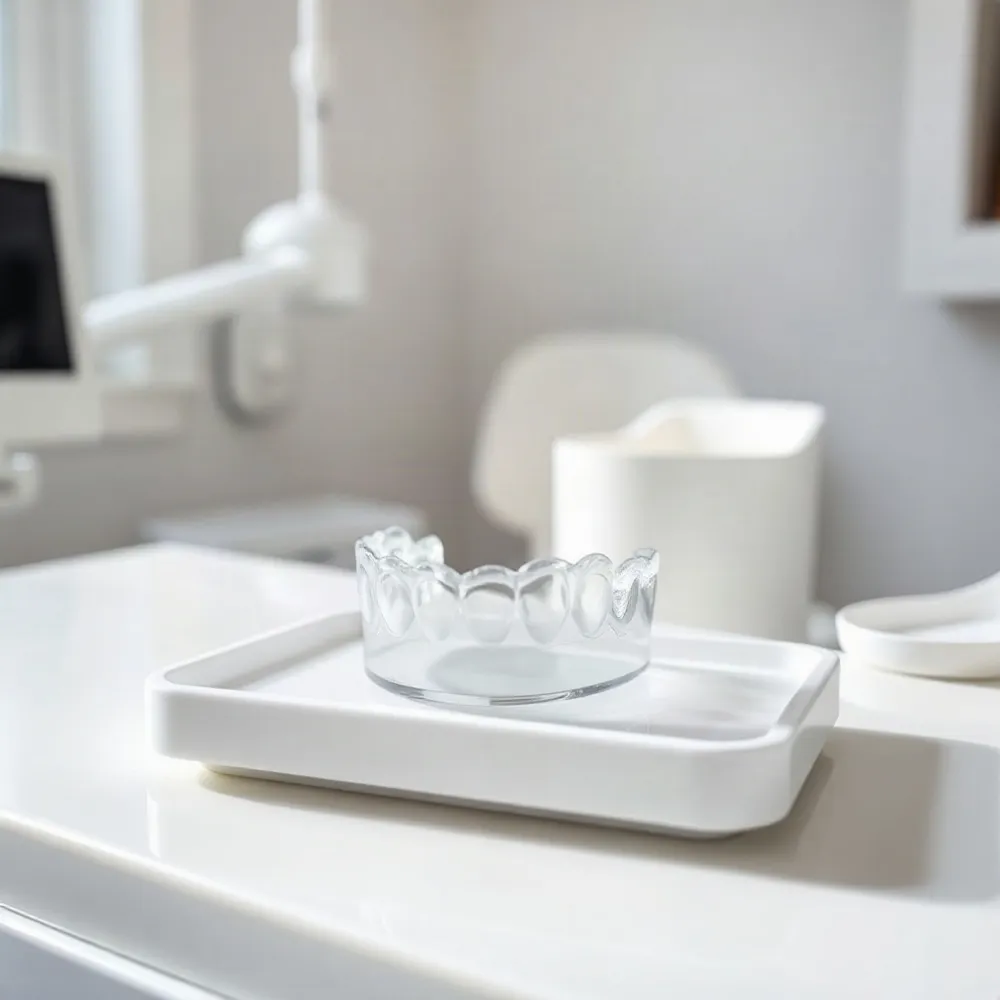
Custom Oral Appliances as a Treatment Option FDA‑cleared mandibular advancement devices (MADs) and tongue‑retaining appliances are fabricated to reposition the jaw or tongue, keeping the airway open during sleep. They are especially useful for mild‑to‑moderate OSA and can reduce snoring, improve oxygenation, and lessen nighttime awakenings. Your dentist can evaluate whether a custom oral appliance is right for you, complementing medical treatments such as CPAP or lifestyle changes.
Broad Effects of Sleep on Oral Health

How Does Sleep affect oral health?
Adequate, restorative sleep supports normal saliva flow, which neutralizes acids, washes away food debris, and curbs bacterial growth. When sleep is short or fragmented, saliva production drops, creating a dry environment that promotes plaque, cavities, and bad breath. Poor sleep also heightens systemic inflammation and weakens the immune response, making gums more vulnerable to gingivitis and periodontitis and increasing the likelihood of post‑procedure infections. Sleep‑related conditions such as obstructive sleep apnea and bruxism further disrupt oral health by causing mouth breathing, tooth grinding, and jaw strain that wear enamel, trigger jaw pain, and fragment deep sleep stages.
Effect of sleep on oral health – a scoping review
A 2024 scoping review of 14 observational studies linked insufficient or low‑quality sleep to poorer oral outcomes. In children, short sleep was tied to higher dental caries rates, likely due to reduced motivation for brushing. Among adults, short sleep increased the risk of periodontitis, with sleep‑induced inflammation and immune dysregulation accelerating tissue breakdown. The review also noted that sleep disturbances can lead to neglect of oral‑hygiene routines and heightened oxidative stress, fostering ulcer formation. These findings underscore sleep as an essential, yet often overlooked, component of comprehensive dental care.
Practical steps for better sleep‑oral health synergy
- Maintain a consistent sleep schedule (7‑9 hours for adults). n- Practice nightly oral hygiene: brush twice with fluoride toothpaste, floss, and use alcohol‑free mouthwash 30 minutes before bed.
- Stay hydrated during the day to support saliva production at night.
- Manage stress through relaxation techniques to reduce bruxism.
- Discuss any signs of sleep apnea (snoring, dry mouth) with your dentist; custom oral appliances can improve airway patency and protect teeth.
- Schedule regular dental check‑ups (at least twice a year) for early detection of gum disease, tooth wear, or airway concerns. By integrating good sleep habits with diligent oral care, families can protect their smiles and enjoy more restorative, energetic days.
Managing Common Oral Health Issues Linked to Sleep
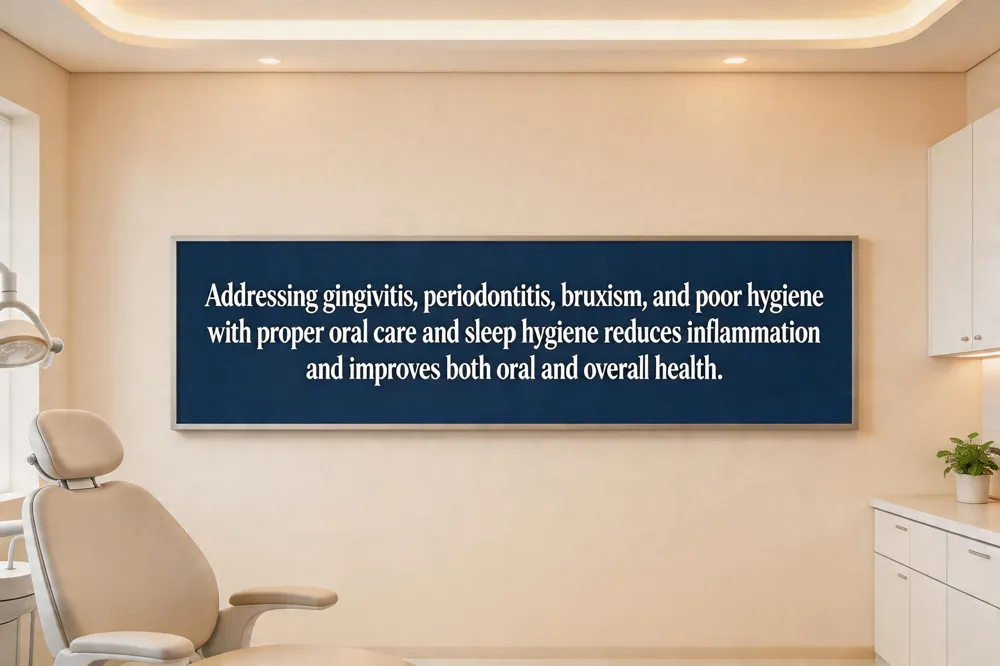 Sleep and oral health are tightly linked, and addressing common dental problems can improve both your rest and your smile.
Gingivitis and early gum disease – Plaque that isn’t removed best turns into tartar, irritating the gingiva. Bright‑red, swollen gums that bleed when you brush or floss are classic signs. A professional cleaning plus twice‑daily brushing, daily flossing, and alcohol‑free mouthwash can reverse gingivitis before it progresses.
Periodontal disease and systemic impact – When gingivitis is left untreated it can become periodontitis, an infection of the supporting bone. Studies show a 40 % higher risk of sleep disorders in people with severe gum disease. Scaling, root planing and and routine check‑ups help halt bone loss and lower systemic inflammation that disrupts sleep.
Bruxism, night guards, and stress management – Teeth grinding affects up to 10 % of U.S. adults and often spikes with stress or poor sleep. Custom night guards protect teeth, while relaxation techniques, reduced caffeine, and proper sleep hygiene curb the grinding.
Reversing years of poor oral hygiene – Even long‑standing neglect can be repaired. Consistent brushing with fluoride, daily flossing, professional cleanings, and minimally invasive treatments (fluoride varnish, bonding) restore enamel and gum health.
Toothache triggers from sleep loss – Lack of sleep raises inflammatory hormones and stress, increasing gum inflammation and bruxism‑related jaw pain, both of which can cause toothache.
The 3‑3‑3 brushing rule – Brush three times a day, within three minutes after meals, for at least three minutes each session to keep plaque at bay.
Putting It All Together: Sleep, Oral Health, and Your Overall Well‑Being
Key take‑aways: Poor sleep fuels inflammation, dry mouth, and bruxism, while gum disease and misaligned jaws can trigger sleep apnea and nighttime awakenings. Robust oral hygiene—brushing twice daily, flossing, alcohol‑free mouthwash—reduces bacterial load and supports restorative sleep. Regular dental visits catch early signs of gum disease, TMJ strain, or airway obstruction before they disturb rest.
How Dr. Parrella’s team can help: Comprehensive exams, personalized hygiene coaching, custom night guards, mandibular advancement devices, and periodontal therapy all aim to break the sleep‑oral health cycle.
Prioritize both sleep and oral care for brighter smiles, better energy, and lasting well‑being.