Introduction
The purpose of this guide is to give families a clear overview of the habits that keep mouths healthy and help prevent cavities, gum disease, and systemic problems. The key components of a solid oral‑health routine are brushing twice a day with a soft‑bristled toothbrush and fluoride toothpaste, flossing (or using an interdental cleaner) once each day, cleaning the tongue, rinsing with an alcohol‑free antibacterial mouthwash, and visiting the dentist for exams and cleanings at least every six months. Dr. Parrella integrates these recommendations into a personalized plan that considers each patient’s age, medical history, risk factors, and lifestyle, ensuring the advice is safe and tailored to achieve oral health.
Fundamentals of Daily Oral Care
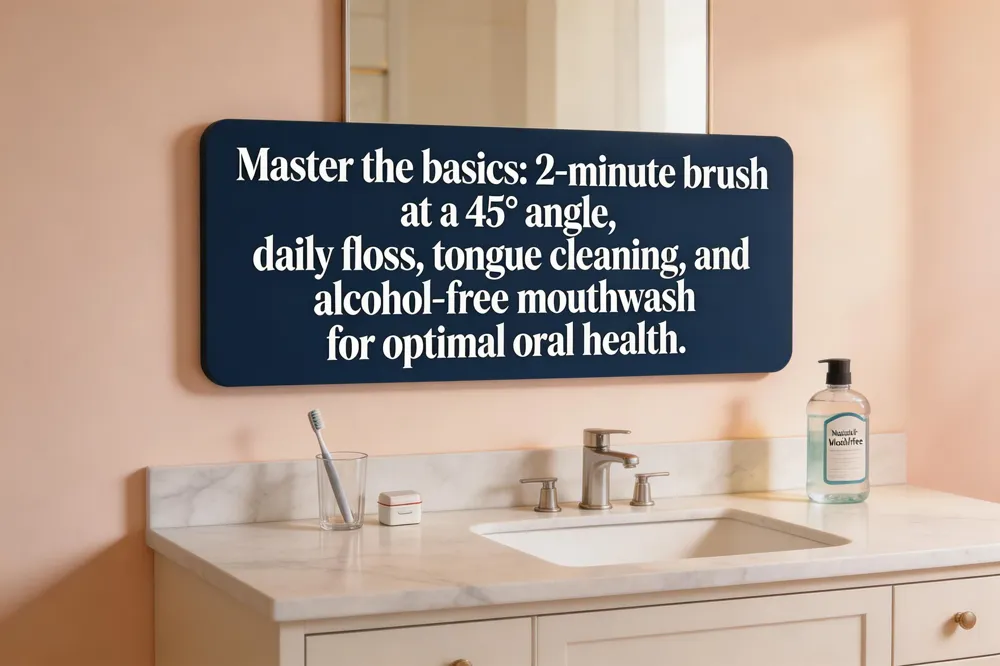 Brushing technique and timing: Use a soft‑bristled brush, angle bristles 45° to the gum line, and make strokes for two minutes (≈30 seconds per quadrant). Flossing and interdental cleaning: Floss or interdental brushes, using a C‑shaped motion around each tooth. Mouthwash selection: Choose an alcohol‑free antibacterial or fluoride rinse; apply after brushing to reduce bacteria without drying the mouth. Tongue and palate cleaning: Scrub the tongue and roof of the mouth with a scraper each time you brush to freshen breath.
Dental Tips and Tricks: Brush with fluoride toothpaste, floss, limit sugary foods, wait 30 minutes after meals before brushing, avoid tobacco, and see Dr. Parrella for yearly cleaning.
Steps of Oral Hygiene: Rinse, brush for minutes at 45° angle, floss, clean tongue, then rinse again. Repeat and visit dentist.
Oral Hygiene Routine Order with Tongue Scraper: Floss first, then brush without rinsing, scrape tongue, finish with an alcohol‑free mouthwash. This order maximizes fluoride contact and leaves a mouth.
Evidence‑Based Guidelines and Common Myths
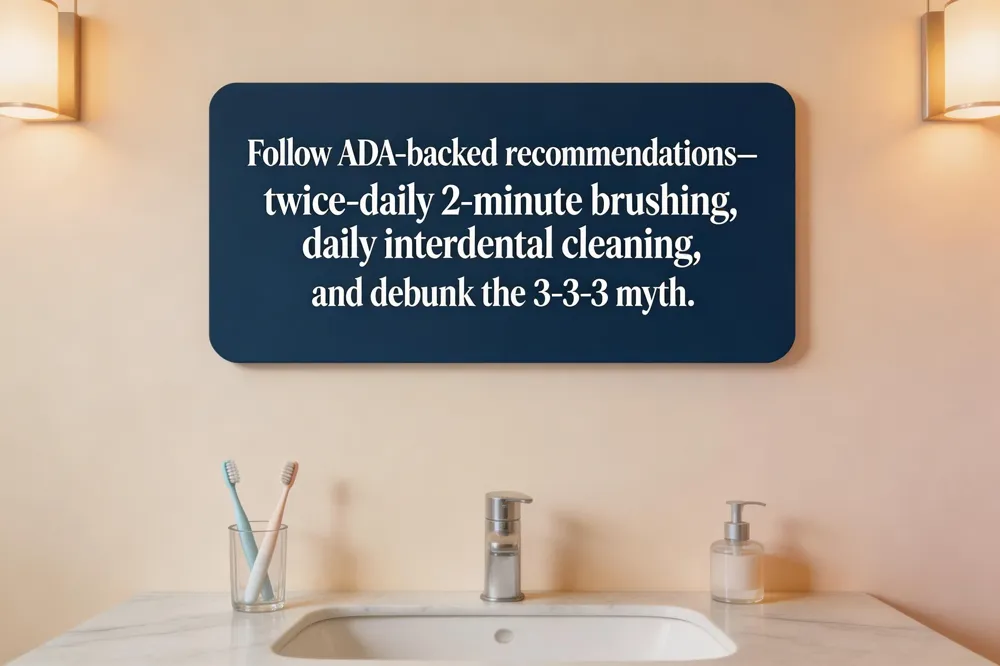 ADA recommendations for brushing and flossing call for twice‑daily brushing with a soft‑bristled toothbrush at a 45° angle using fluoride toothpaste for at least two minutes and daily interdental cleaning (floss, interdental brushes, or water flossers). Fluoride toothpaste (1,000‑1,500 ppm) reduces caries by 16‑31 % compared with non‑fluoride paste; higher‑strength formulas help high‑risk patients.
What is the 3‑3‑3 rule for teeth? It suggests brushing three times a day, three minutes each, and waiting three hours after eating before bedtime. This is not ADA‑endorsed; evidence supports twice‑daily, two‑minute brushing with a short (30‑60 minute) wait after acidic meals to protect enamel.
What is the 2‑2‑2 rule for oral hygiene? Brush twice a day for two minutes, and see a dentist twice a year for exams and cleanings—an easy, evidence‑based habit that keeps plaque and disease at bay.
Oral Hygiene Definition – the routine removal of plaque and food debris through brushing, flossing, and professional care to prevent cavities, gum disease, and systemic health risks.**Oral Health Definition PDF – a state of complete physical, mental, and social well‑being of the mouth and supporting structures, enabling pain‑free speaking, chewing, and smiling while influencing overall health.
Comprehensive Home Strategies for Strong Teeth
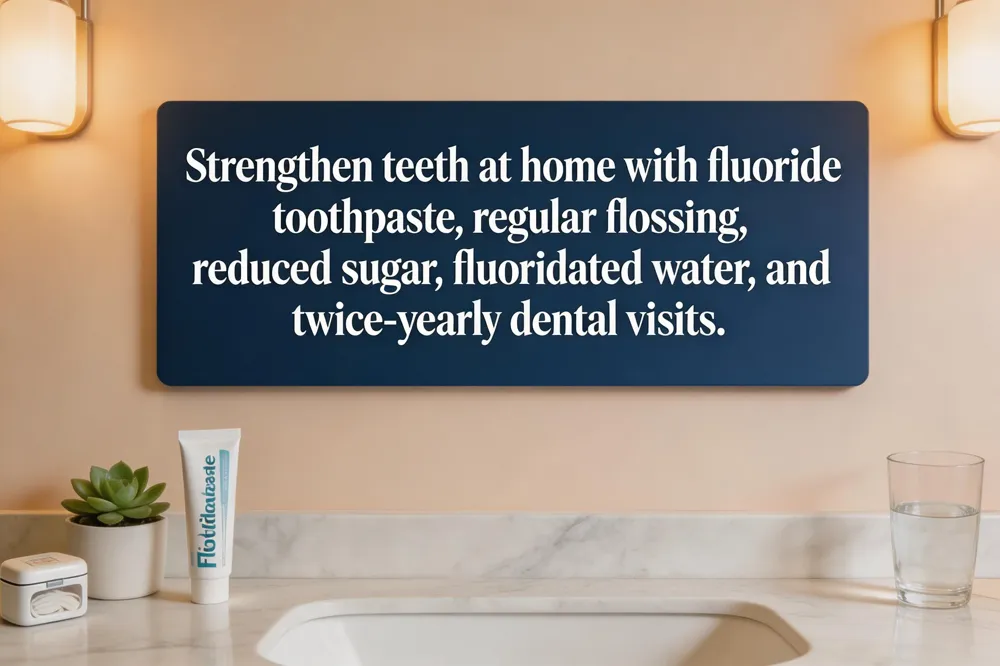 Maintaining oral health at home is simple when you follow evidence‑based habits. Brush twice daily with a soft‑bristled toothbrush and fluoride toothpaste, holding the bristles at a 45‑degree angle and using gentle circular motions for a full two minutes. Replace the brush every three to four months. Floss or use an interdental cleaner each day, shaping the floss in a C‑motion around every tooth to disrupt plaque below the gum line. Rinse with an alcohol‑free antimicrobial or fluoride mouthwash after brushing and flossing, waiting 30 minutes before eating to let fluoride act. Limit sugary and acidic foods, drink fluoridated water, and chew sugar‑free gum to stimulate saliva. Avoid tobacco, alcohol in moderation, and wear a mouthguard during sports. Schedule professional cleanings and exams at least twice a year to catch problems early.
10 Ways to Keep Your Teeth Healthy Brush, floss, limit sugar, drink fluoridated water, avoid tobacco, see Dr. Parrella regularly, use a mouthguard, manage systemic health, moderate alcohol, and stay hydrated.
6 Ways to Take Care of Your Teeth Brush twice, floss daily, fluoride mouthwash, limit sugar & acid, regular dental visits, avoid tobacco and wear mouthguard.
5 Ways to Take Care of Your Teeth Brush, floss, fluoride mouthwash, balanced low‑sugar diet, professional check‑ups.
Teeth Care Tips at Home Consistent brushing and flossing, sugar control, hydration, tobacco avoidance, mouthguard use, yearly dental exams.
Tailored Care for Different Life Stages
 10 Ways to Take Care of Your Teeth for Kids
Brush twice daily with a pea‑sized fluoride toothpaste on a soft‑bristle brush, using gentle circular motions for two minutes and cleaning the tongue. Floss (or use child‑friendly flossers) daily and limit sugary snacks and drinks, especially at bedtime, and encourage fluoridated water and tooth‑friendly snacks like cheese and veggies. Apply fluoride varnish or sealants when recommended and keep regular six‑month dental visits. Model good habits and make brushing fun.
Oral Health Tips for Adults
Brush twice a day with fluoride toothpaste and floss daily, limit sugar, stay hydrated with fluoridated water, and chew sugar‑free gum to boost saliva. Avoid tobacco and drink alcohol in moderation. Schedule professional exams at least annually (more often if diabetic, pregnant, or high‑risk). Use a mouthguard for sports and report any new symptoms promptly.
Importance of Oral Hygiene in Daily Life
Consistent brushing and flossing remove plaque, preventing cavities, gum disease, and systemic inflammation that can affect heart, diabetes, and pregnancy outcomes. A clean mouth supports nutrition, confidence, and overall well‑being.
How can I improve my teeth health at home?
Brush with a 45‑degree angle, use gentle circular strokes, floss or use interdental brushes daily, rinse with an alcohol‑free fluoride mouthwash, limit sugary/acidic foods, drink plenty of water, and see the dentist regularly for cleanings and early detection.
Natural and Adjunctive Home Remedies
 Natural and Adjunctive Home Remedies
Teeth Cleaning at Home Remedies Oil‑pulling with coconut or sesame oil for 10‑15 minutes can reduce bacteria before brushing. Mix a pinch of baking soda with a few drops of hydrogen peroxide for a paste; use once or twice weekly to polish teeth, avoiding over‑application to protect enamel. Crunchy fruits and vegetables such as apples, carrots, and celery act as scrubs that help dislodge food debris, while chewing sugar‑free xylitol gum stimulates saliva to neutralize acids. Herbal mouth rinses with sage or chamomile can soothe gums and provide antimicrobial effects.
How to Keep Teeth Healthy Naturally Maintain the core routine: brush twice daily with a soft‑bristled toothbrush and fluoride toothpaste, floss or use a water flosser each day, and finish with an alcohol‑free antibacterial mouthwash. Support remineralisation with calcium‑rich foods (cheese, yogurt, leafy greens) and limit sugary or acidic snacks. Stay hydrated, avoid tobacco, and schedule professional cleanings every six months to catch problems early.
Professional Support and Resources
 In the outerville area, Dr. Anthony P. Parrella’s family practice offers in‑home dental services for seniors, patients with mobility challenges, or anyone who prefers treatment at home. A qualified dentist brings portable equipment to perform exams, cleanings, fillings, denture repairs, and emergency care while maintaining clinic‑level standards. To schedule a house call, call the office or use the online request form on drparrella.com.
For families and caregivers seeking quick reference, the practice provides a printable "Oral Hygiene PDF" that outlines brushing twice daily for two minutes, daily flossing, fluoride use, and tips such as avoiding immediate water rinsing and replacing brushes every three months. The guide can be downloaded directly from the website.
Nursing staff can follow the detailed "Oral Care Nursing Procedure PDF," which lists supplies, PPE, positioning, and step‑by‑step techniques for cleaning teeth and dentures, documenting inflammation, and preventing systemic complications like pneumonia.
Finally, the "Oral Health Definition PDF" explains oral health as a comprehensive state of physical, mental, and social well‑being, emphasizing its link to overall health and the importance of regular preventive care.
Recognizing Problems and When to Seek Help
 Signs of Poor Oral Hygiene – Persistent bad breath, bleeding or swollen gums, visible plaque or tartar, tooth sensitivity, receding gum lines, discoloration, loose teeth, and non‑healing mouth sores are red flags. These indicate plaque buildup, enamel erosion, cavities, or gum disease and should prompt a dental visit.
How to Take Care of Your Teeth Without Going to the Dentist – Brush twice daily with a soft‑bristle brush and fluoride toothpaste, using gentle circular motions at a 45‑degree angle to the gum line and cleaning the tongue. Floss or use a water flosser each day to disrupt biofilm, then rinse with an alcohol‑free antibacterial or fluoride mouthwash. Limit sugary foods and drinks. Stay hydrated with fluoridated water. Chew sugar‑free gum. Avoid tobacco and excess alcohol. Wear a mouthguard during sports. Perform a quick visual check for bleeding, decay, or recession and seek professional care if any issue appears.
Types of Oral Hygiene – Mechanical hygiene (brushing, flossing, interdental brushes) removes plaque; chemical hygiene (antimicrobial or fluoride rinses) reduces bacteria and strengthens enamel; professional hygiene (regular cleanings and exams) eliminates tartar and detects problems early; adjunctive tools (water flossers, tongue scrapers) reach difficult areas, especially for seniors, children, or orthodontic patients.
Conclusion
Taking care of your smile at home is easy when you follow a few proven steps. Brush twice a day with a soft‑bristled brush and fluoride toothpaste, positioning the bristles at a 45‑degree angle and brushing for two minutes. Floss once a day using a gentle C‑shaped motion to clean between teeth and below gum line. Rinse with an alcohol‑free antibacterial mouthwash to lower plaque and freshen breath. Replace your toothbrush regularly every three to four months, and stay hydrated with water throughout the day. To get an exam, call our office to schedule a visit with Dr. Parrella. Download printable oral‑care checklist from website to keep these habits on track.