Introduction to Your First Dental Appointment
Why Dental Visits Matter for Your Overall Health
Regular dental visits play an important role in maintaining not only your oral health but also your overall well-being. Checking your teeth and gums can help detect problems like cavities, gum disease, or oral cancer early — before they become serious or painful. Good oral hygiene combined with regular dental care supports clear speech, chewing, and even boosts confidence with a healthy smile.
What Happens During Your First Visit?
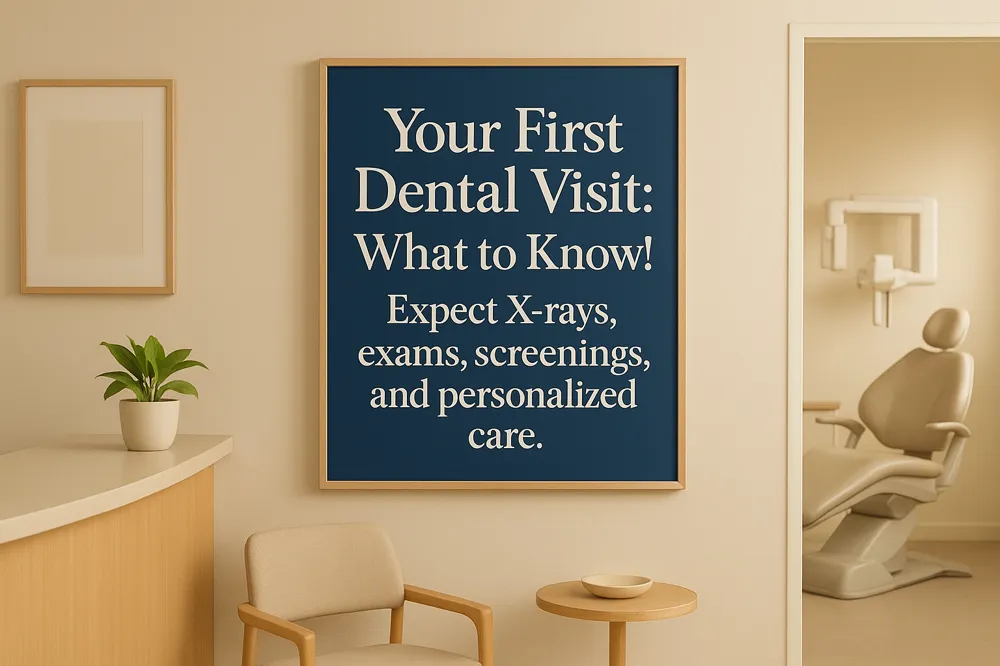
Your first dental appointment generally involves a few important steps. You'll start by filling out any required paperwork, often about your medical and dental history. Then, the dentist or hygienist will review your information, take low-radiation digital X-rays, and perform a comprehensive oral examination. This thorough check includes looking at your teeth, gums, bite, jaw function, and screening for oral cancer.
The dentist may discuss your current health, any dental concerns you have, and answer your questions. Together, you will develop a personalized treatment plan based on the exam findings.
How Long and Comfortable Is the Appointment?
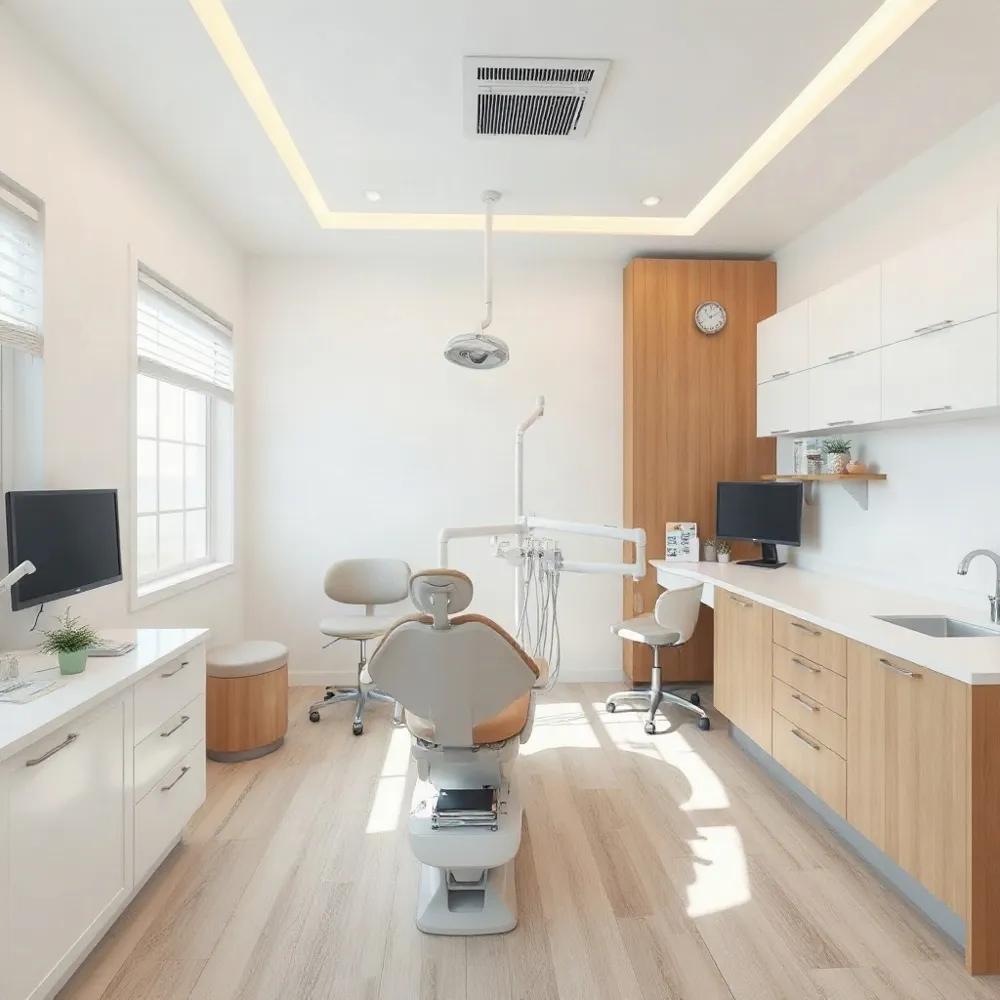
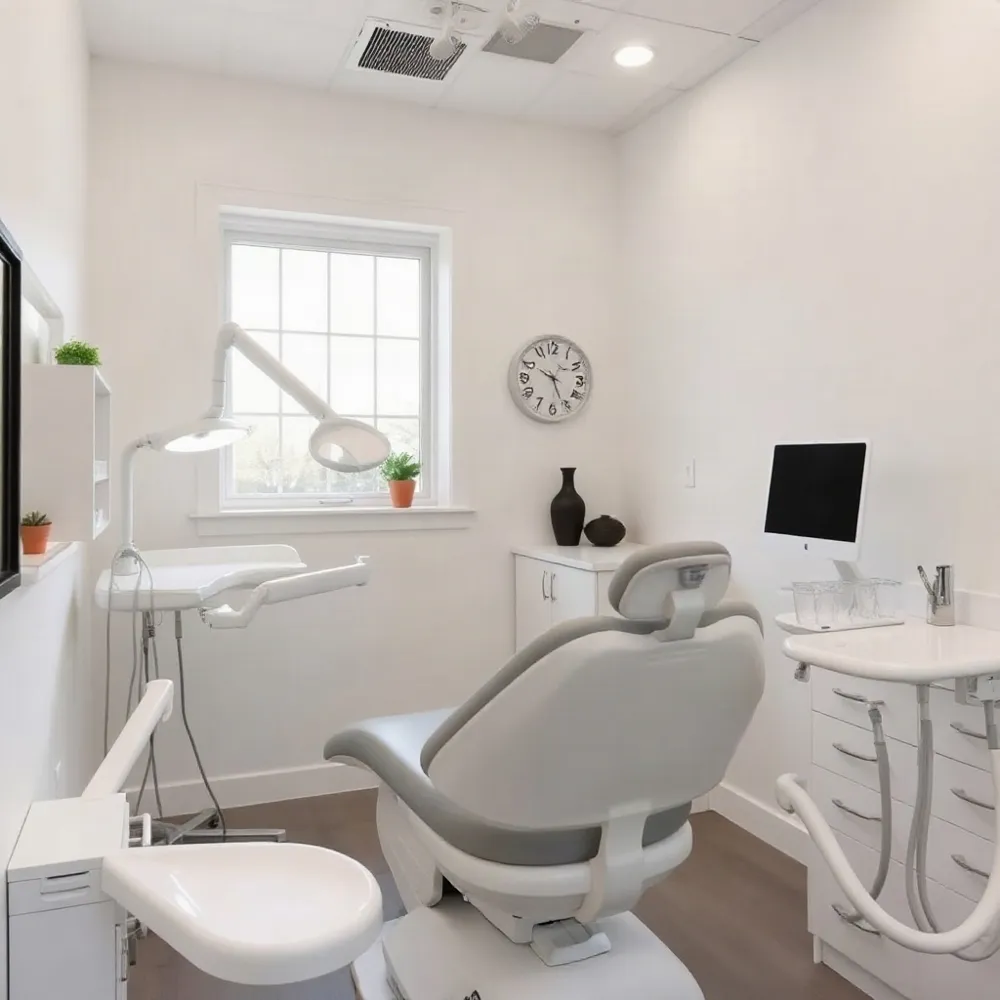
Typically, the initial dental exam lasts about one hour, giving the dental team sufficient time to provide a gentle and complete evaluation. Many dental offices strive to create a welcoming and calming atmosphere for patients of all ages, especially for families. Your comfort and understanding throughout the visit are priorities.
After your first visit, you'll usually be scheduled for a follow-up dental cleaning and hygiene session to maintain and improve your oral health. It's helpful to plan for regular visits every six months to keep your smile healthy well into the future.
How to Prepare for Your First Dentist Appointment
How do I prepare for my first dentist appointment?
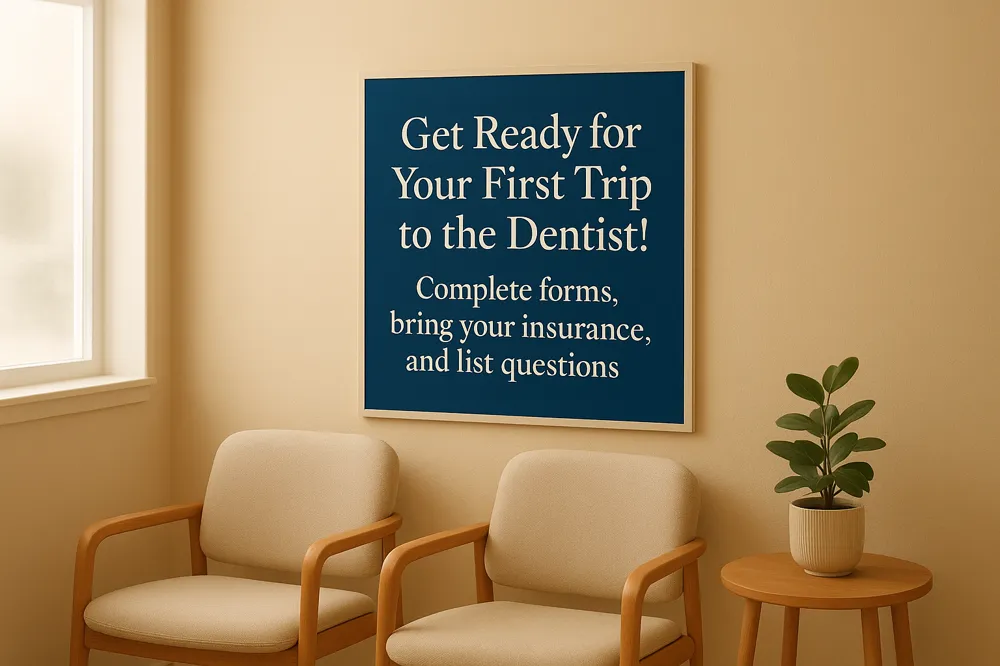
Preparing for your first dental appointment sets the stage for a smooth and comfortable visit. Start by completing any new patient forms before your appointment. These forms usually ask about your dental health history review, allergies, current medications, and overall health.
Bring your dental insurance card and a list of your medical history to help your dentist understand your health background fully. Making a list of questions or smile goals to discuss can ensure you don’t forget important concerns during your visit.
Confirm your appointment ahead of time to ease any nerves and plan to arrive a few minutes early for what to expect at your dental visit.
At the appointment, expect an initial dental check-in and paperwork followed by assessments that may include digital x-rays in dentistry, which expose you to very low radiation, and a gum health evaluation performed by a hygienist. The dentist will then perform a comprehensive dental exam covering your teeth, gums, bite, and oral tissues.
Feel free to ask about preventive dental care treatments like fluoride applications or dental sealants, and inquire about payment options or insurance coverage if needed. Being informed and prepared helps build trust with your dental team and promotes long-term maintaining oral health.
What to Expect During Your First Dental Appointment
Review of Medical and Dental History
Your first dental appointment begins with a review of your medical and dental history. This helps the dentist understand your overall health, any past dental issues, and any medications or conditions that might affect your dental care. Bringing updated health records and being ready to discuss any concerns ensures personalized and safe treatment.
Digital X-rays and Their Safety
Digital X-rays in dentistry are commonly taken during the first visit to provide detailed images of your teeth and jaw. They emit very low radiation — much less than traditional X-rays — making them a safe diagnostic tool. These images help detect hidden problems like cavities or periodontal gum disease that may not be visible during a regular exam.
Comprehensive Oral Examination
The dentist conducts a thorough comprehensive dental exam of your teeth, gums, bite, jaw, and other oral tissues. This includes checking for cavities, gum health, bite alignment, and any abnormalities. This comprehensive exam forms the basis of your personalized dental treatment plan.
Oral Cancer Screening
An important part of the first appointment is an oral cancer screening. The dentist will examine your tongue, jaw, neck, and mouth tissues to detect any early signs of oral cancer. Early detection through screening can greatly improve treatment outcomes.
Development of Personalized Treatment Plans
Based on your exam and X-rays, the dentist will discuss their findings and work with you to develop a personalized dental treatment plan tailored to your specific needs. This plan might involve preventive dental care, cleanings, restorative treatments, or referrals if necessary.
Duration of the First Visit
The initial appointment typically lasts about an hour. This time includes paperwork, the comprehensive dental exam, X-rays, oral cancer screening, and the treatment plan discussion.
Scheduling Hygiene Visits and Follow-ups
Often, a separate dental hygiene cleaning visit for cleaning and polishing is scheduled after the initial exam. These follow-ups help maintain your preventive dental care with regular cleanings and ongoing monitoring. Scheduling future appointments before you leave helps keep your dental care on track.
What Should I Expect at My First Dental Appointment After Several Years?
If it has been several years since your last dental visit, expect a detailed assessment including digital X-rays and low radiation and a full comprehensive dental exam during first visit. The dentist will evaluate your current oral health and discuss any necessary treatments such as cleanings, fillings, or more advanced care. This visit is a crucial step towards restoring and maintaining your oral health, preventing future problems and ensuring overall well-being. Don't hesitate to ask questions and express any concerns to ensure you understand your dental health history review and treatment options.
Understanding Pediatric First Dental Visits

What is the recommended age for a child's first dental visit?
The recommended age for a child's first dental visit is by their first birthday or within six months of their first tooth erupting, whichever comes first. Early dental visits are important for monitoring the development of the child's teeth, jaws, bite, gums, and oral tissues. For detailed information, refer to the "Child's First Dental Visit".
Why are early visits important for monitoring development and preventing decay?
Early dental visits help dentists detect issues such as baby bottle tooth decay and allow for early guidance on proper oral hygiene habits. Monitoring growth and oral health from an early age supports prevention of cavities and ensures timely interventions. Learn more about Baby's First Dental Visit and the importance of early dental care.
What happens during a child's first dental appointment?
The first visit typically lasts 30 to 45 minutes and includes a comprehensive dental exam of the mouth, teeth, gums, and bite. X-rays are generally not taken unless necessary to diagnose decay or assess the impact on adult teeth. The dentist may perform a gentle cleaning, check for mouth injuries, and offer oral care tips to parents. For more details, see First dental visit guide.
Why are regular six-month checkups important?
Children should have dental check-ups every six months to ensure ongoing monitoring of their oral health and to prevent or treat cavities and other issues early. Some children may require more frequent visits based on individual needs. Regular checkups and their importance are covered in the preventive dental care and routine dental checkups resources.
How can parents prepare and reduce their child's anxiety for the dental visit?
Parents are encouraged to prepare their child by explaining the visit in simple terms and practicing opening their mouth. Scheduling appointments when the child is well-rested and after a light meal can improve cooperation. Patience and reassurance during the visit help make it a positive experience, promoting lifelong dental health habits. Helpful tips on preparing for your first dental visit and dental anxiety management can be found in these resources.
The Role of Preventive Care and Patient Education in Dentistry
Why Are Preventive Dental Treatments Important?
Preventive care is essential in dentistry to protect teeth and gums before problems arise. Treatments like fluoride treatment benefits and dental sealants strengthen tooth enamel and shield teeth from decay, making them especially beneficial for children and adults at higher risk of cavities. These preventive dental care measures help reduce dental pain, complex procedures, and overall healthcare costs.
How Is Oral Hygiene Taught?
Educating patients on effective oral hygiene practices techniques is a vital part of dental care. Patients learn how to brush properly with fluoride toothpaste and floss daily to remove plaque, the sticky bacteria film that causes tooth decay and periodontal gum disease. Dentists and hygienists demonstrate gentle brushing motions, including cleaning along the gumline and tongue, as well as using floss or interdental tools to reach between teeth. This instruction empowers patients to maintain their oral health between visits.
What Patient Education Materials Are Available?
Dental offices offer a variety of patient education resources to support understanding and encourage healthy habits. These include brochures, posters, flip charts, videos, and downloadable PDFs covering topics such as preventive dental care steps, oral hygiene practices, treatment options, and post-procedure care. Tailored materials address specific needs and conditions, for example, managing dry mouth or recognizing early signs of oral cancer screening, particularly helpful for patients with diabetes or immunocompromising conditions. Educational content also emphasizes the benefits of regular dental checkups and advises on diet and lifestyle choices.
Why Are Regular Dental Appointments Crucial?
Scheduling routine dental checkups every six months allows early detection of cavities, gum disease, and oral health issues before they worsen. These visits include professional dental cleaning to remove tartar buildup and fluoride treatment benefits to strengthen teeth. Oral cancer screening are also performed consistently to catch signs at an early, more treatable stage. Dental teams remind and encourage patients to keep follow-up appointments, contributing to sustained maintaining oral health.
How Do Lifestyle Choices Affect Oral Health?
Habits such as smoking, frequent consumption of sugary foods and drinks, and inadequate oral hygiene negatively impact dental health. Education highlights how nicotine use increases periodontal gum disease risks and how sugary treats can lead to cavities. Protective measures, including mouthguards for children engaged in sports, help prevent dental injuries. Nutrition advice supports maintaining a balanced diet to foster strong teeth and gums.
| Topic | Description | Benefits for Patients |
|---|---|---|
| Preventive Treatments | Fluoride, sealants strengthen enamel and shield teeth | Reduce decay and costly dental procedures |
| Oral Hygiene Techniques | Brushing, flossing instructions | Empower effective daily care |
| Educational Materials | Brochures, videos, PDFs tailored to various needs | Improve understanding and healthy habits |
| Regular Appointments | Biannual visits with cleanings and screenings | Early problem detection and treatment |
| Lifestyle Impact | Avoid smoking, sugary foods; use protective gear | Support long-term oral and overall health |
Navigating Follow-Up Care and Financial Considerations
Scheduling Follow-Up Hygiene Visits and Treatments
After your initial dental exam, it's important to schedule follow-up hygiene visits to maintain oral health. These visits typically include professional teeth cleaning, polishing, and another oral cancer screening, usually lasting around 45 minutes. The dentist may also recommend additional treatments based on your dental treatment plan.
Importance of Routine Dental Visits Every Six Months
Regular dental visits every six months are crucial for early detection and prevention of issues like cavities and periodontal gum disease. Even with good daily oral hygiene, regular dental checkups help keep your smile healthy and avoid more complex dental problems.
Discussion of Treatment Plans and Referrals to Specialists
During your first visits and follow-ups, your dentist will discuss any treatment needs and develop a personalized dental treatment plan. If your oral health requires advanced care, referrals to specialists, such as periodontists or orthodontists, are provided to ensure comprehensive treatment.
Insurance Verification and Payment Options
Dental offices typically verify insurance benefits during your appointment to help estimate costs. Many practices accept patients without insurance and offer in-house wellness programs that provide affordable care options. Flexible payment plans and financing are also available, making dental treatment accessible and manageable for families. To stay on track, patients are encouraged to schedule their next dental visit before leaving the office.
Creating a Comfortable and Trusting Dental Experience
How is dental anxiety and nervousness addressed?
Many people feel nervous about their first dental appointment. Dental teams understand these feelings and strive to create a gentle, supportive environment. Patients are encouraged to share their concerns openly. Techniques such as calming music, scheduled breaks, or dental anxiety management options may be offered to help ease anxiety and make the visit more comfortable.
How does communication between the patient and dental team work?
Effective communication is foundational to a positive dental experience. Dentists and staff take time to listen to patients' health histories, dental concerns, and smile goals. Clear explanations about exams, dental treatment plan, and procedures build trust and help patients feel informed and involved in their care decisions.
Is emergency or same-day appointment availability important?
Yes, many dental practices provide emergency and same-day appointments to address urgent needs promptly. This availability offers peace of mind, ensuring patients can access timely care for unexpected dental pain or injuries.
What makes a dental practice family-friendly with personalized care?
Family-friendly practices welcome patients of all ages and create a warm, reassuring atmosphere. They often provide amenities to ease children's visits and tailor care plans to individual needs, supporting the oral health of the entire family. Personalized care means treatments and education are adapted uniquely to each patient’s health status and preferences, fostering a lifelong commitment to preventive dental care.
Conclusion: Building a Foundation for Lifelong Oral Health
Importance of Regular Dental Visits
Regular dental appointments, ideally every six months, are essential for detecting early signs of problems like cavities and gum disease. These visits help prevent more serious issues, supporting overall health and well-being.
Early Preparation and Appointment Readiness
Preparing for your appointment by completing new patient forms, confirming your visit, and gathering your dental history can ease anxiety. Bringing your dental insurance card and listing your questions or goals also helps create a personalized care plan.
Embracing Preventive Care and Education
During your visits, your dental team focuses on preventive treatments like fluoride applications and oral cancer screenings. Education on proper brushing, flossing, and dietary choices empowers you to maintain your oral health between visits.
Developing a Positive Relationship with Your Dental Team
Building trust and open communication with your dental providers creates a comfortable experience. Expressing any concerns or nervousness encourages a gentle, empathetic approach, fostering a partnership dedicated to your long-term oral health.