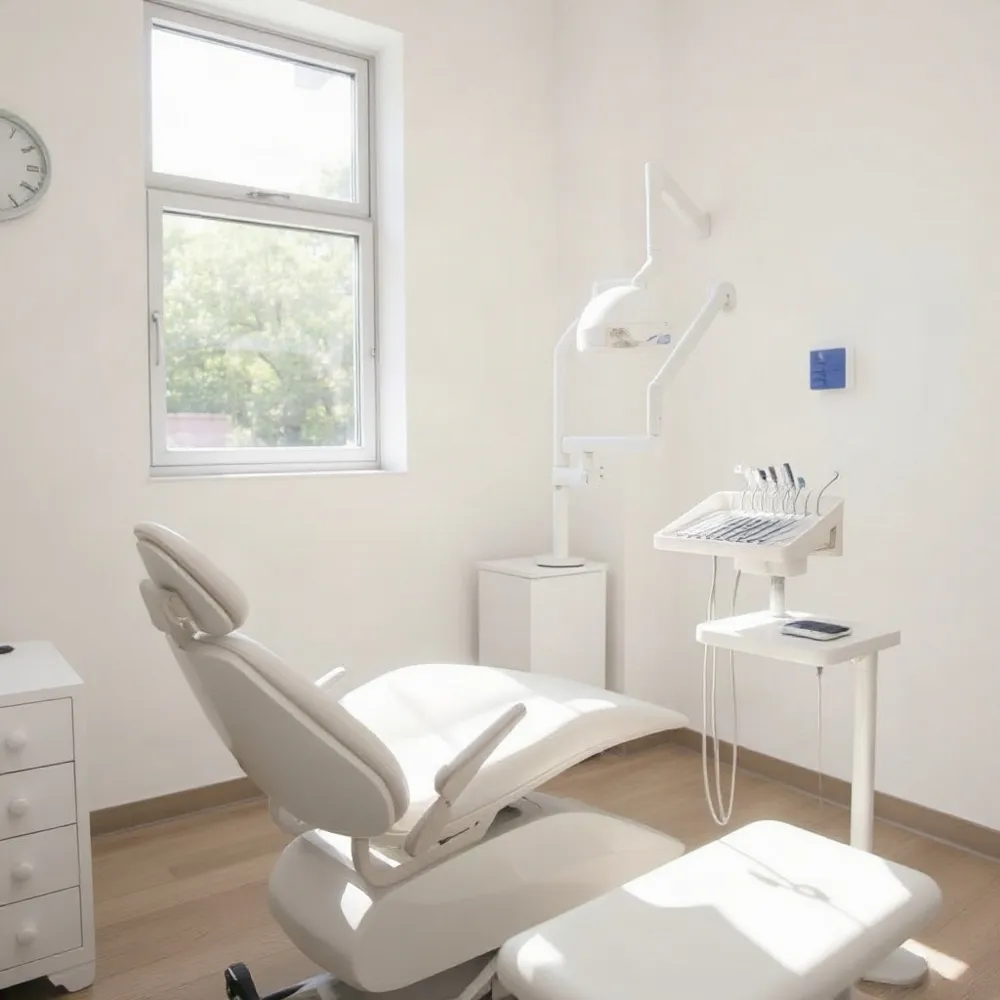
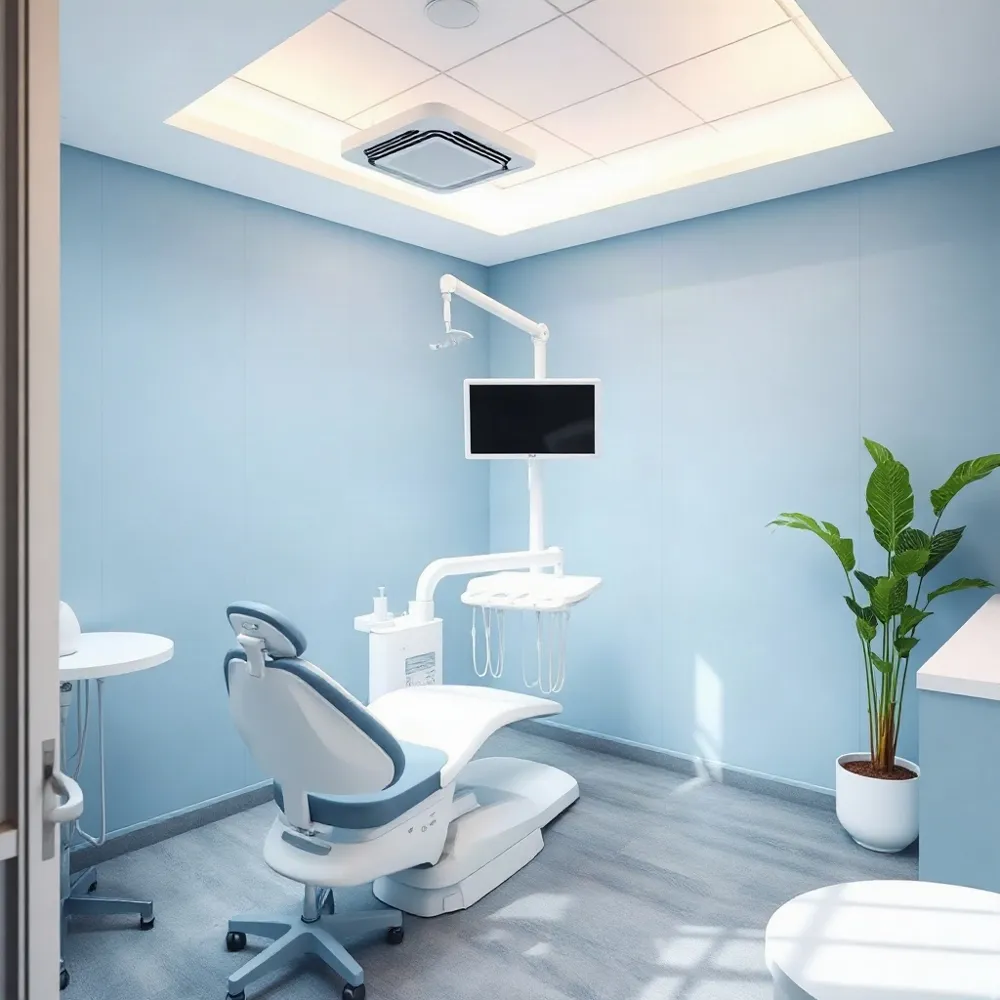
Introduction to Dental Exams: Why They Matter
What Is a Dental Exam?
A dental exam is a professional checkup where a dentist or dental hygienist assesses the health of your teeth, gums, and mouth tissues. This visit typically includes a thorough visual inspection, professional cleaning to remove plaque and tartar, and sometimes X-rays to detect hidden problems.
Why Regular Dental Visits Are Important
Scheduling routine dental exams every six months helps catch issues early, such as cavities, gum disease, or oral cancer symptoms. Early detection means simpler and less costly treatments and helps prevent serious problems like tooth loss or infections.
Dental Exams and Overall Health
Dental health is closely linked to your overall well-being. Conditions like diabetes or heart disease can affect your oral health, and gum disease has been connected to systemic health risks. Thus, dental exams play a vital role in monitoring signs that reflect your general health beyond just your teeth.
What Happens During a Dental Exam? Step-by-Step Breakdown
What is a Dental Exam?
A dental exam overview is a thorough evaluation of your oral health by a dentist. It includes a visual inspection of teeth and gums, professional dental cleaning process to remove plaque and tartar, and often digital X-rays in dentistry to detect hidden issues. The exam helps identify problems like tooth decay, gum disease, and oral cancer early, playing a crucial role in maintaining your overall health.
Initial Review of Medical and Dental History
The exam usually begins with the dentist reviewing your medical and dental history. This information helps assess any conditions or medications that might affect your oral health or dental treatment plans.
Visual Inspection of Teeth, Gums, and Oral Tissues
Next, the dentist conducts a detailed visual check of your teeth, gums, tongue, and other oral tissues. They look for signs of cavities, gum inflammation, decay, cracks, and any abnormalities such as lumps or discolorations as part of the visual inspection of teeth and gums.
Professional Cleaning Process
A hygienist or dentist performs a professional cleaning that includes:
- Scaling: Removing plaque and tartar removal benefits using specialized tools.
- Polishing: Smoothing and brightening your teeth.
- Flossing: Cleaning between teeth to remove debris.
Additional treatments like fluoride treatments or sealants might be applied to prevent cavities.
Use of Digital X-Rays
Digital X-rays in dentistry provide safe, low-radiation imaging to uncover hidden dental issues such as cavities between teeth, bone loss, or impacted teeth. Protective measures like lead aprons ensure your safety during this process, highlighting the safety and immediacy of digital X-rays.
Oral Cancer Screening and Periodontal Evaluation
The dentist checks for oral cancer screening during dental exams by examining soft tissues for lumps, sores, or unusual tissue patches. Gum health is assessed by measuring pocket depths around teeth to detect early gum disease, which is often reversible.
Bite and Jaw Alignment Assessment
During the exam, the bite and jaw alignment assessment is evaluated. This helps identify potential problems like TMJ disorders or misaligned teeth that could affect chewing and oral health.
Discussion of Exam Findings and Personalized Treatment Recommendations
Finally, the dentist reviews the exam results with you, explaining any detected issues and suggesting appropriate treatments or preventive strategies. This open communication empowers you to maintain or improve your oral health effectively.
Regular dental exams every six months, or more frequently if recommended, play a vital role in promoting long-term oral and overall health.
The Role of Dental Cleaning and X-rays in Your Exam
Purpose and Benefits of Professional Dental Cleaning
Professional dental cleaning process is a crucial part of maintaining oral health. It helps remove plaque and tartar removal benefits that brushing and flossing alone can't eliminate. This cleaning prevents cavities, gum disease, and other oral infections by keeping the teeth and gums healthy.
Procedures Involved in Cleaning: Scaling, Polishing, Flossing
The cleaning process includes scaling and polishing teeth, where dental hygienists use special tools to gently remove plaque and tartar from the teeth and below the gumline. Teeth polishing and fluoride treatments follow, smoothing the tooth surfaces to reduce future plaque build-up. Finally, teeth polishing and flossing removes debris between teeth, ensuring a thorough clean.
Use and Safety of Digital X-rays During the Exam
Digital X-rays in dental exams are commonly used during dental exams to reveal issues not visible during the regular check-up. These include cavities between teeth, bone loss, and infections. Digital technology offers quick results with significantly less radiation exposure than traditional X-rays, making them safe for regular use.
How X-rays Reveal Hidden Cavities and Bone Loss
X-rays provide a detailed view beneath the tooth surface and gums, enabling dentists to detect early signs of decay or bone problems before they cause symptoms. Early detection through X-rays aids in timely treatment, preventing more extensive dental work later.
When Fluoride Treatments and Sealants Are Applied
During some dental visits, Fluoride treatments in dental care may be applied to strengthen enamel and help reverse early tooth decay. Dental sealants application are protective coatings typically applied to molars to guard against cavities, especially in children or adults prone to decay.
Patient Comfort and Radiation Safety Measures During X-rays
Dental practices prioritize patient comfort by using gentle cleaning techniques and modern, fast Routine dental exams in NYC. Protective measures, such as lead aprons, minimize any radiation risk. The entire process is designed to be safe, efficient, and as comfortable as possible for patients.
Does a Dental Exam Include Cleaning?
Yes. Most routine Dental exam overview include a professional cleaning as part of the comprehensive oral health assessment. The cleaning, combined with a dental examination and X-rays, helps maintain your oral health, prevent disease, and ensure early detection of potential problems.
Types of Dental Exams and Frequency Recommendations
What are the different types of dental examinations?
Dental exams vary depending on the needs and health status of the patient. Routine dental checkups are generally recommended every six months and focus on monitoring teeth and gums to detect early signs of cavities or gum disease. These visits typically include a cleaning, visual inspection, and possibly X-rays.
Comprehensive dental exams provide a more in-depth assessment. They include full-mouth X-rays, oral cancer screening, bite analysis, and evaluating jaw and neck health. This thorough approach helps establish a baseline for personalized care and highlights any areas that require specialized attention.
Specialized exams target specific concerns. Periodontal exams assess gum health by measuring pocket depths around the teeth to identify early or advanced gum disease. Bite and TMJ evaluations check how the teeth fit together and examine jaw joint function, which can impact overall oral comfort and function. Oral cancer screenings inspect soft tissues in the mouth for abnormalities that could signal early cancer.
How do individual health conditions influence exam frequency?
Frequency of dental exams often depends on personal health factors. Patients with chronic conditions such as diabetes, heart disease, or immune system issues may require more frequent visits to manage their oral health effectively. Dentists tailor recommendations based on medical history, oral disease risk, and previous dental treatments. See Impact of diabetes and high blood pressure on oral health for details.
What do professional guidelines recommend?
Most dental organizations recommend exams every six months for routine prevention. However, comprehensive exams might be suggested every few years or as clinically indicated. Establishing an oral health baseline during comprehensive exams is critical to guiding ongoing preventive care and timely intervention.
By understanding the types of exams and following tailored frequency advice, patients can maintain healthy smiles and prevent more complex dental issues.
What to Expect During Your Dental Checkup at a Family Dental Practice

Personalized Care Approach at Family-Run Dental Practices
At family dental practices like those in Somerville Family Dental in Somerville, MA, the focus is on providing compassionate, personalized dental care tailored to each patient's unique oral health needs. The environment is community-centered, designed to ensure patient comfort and build long-term trust.
Comprehensive Assessment Including Cleaning, Exam, X-rays, and Oral Cancer Screening
Your Dental check-up will start with a professional cleaning that removes plaque and tartar, followed by polishing and flossing to keep your teeth smooth and cavity-free. The dentist then conducts a thorough visual examination of your teeth, gums, tongue, and throat to detect signs of decay, gum disease, or oral cancer. Digital X-rays may be taken to uncover hidden problems, such as cavities between teeth or bone loss, providing a detailed view for precise diagnosis.
Assessment of Bite, Jaw Alignment, and Soft Tissues
During the exam, your bite and jaw alignment will be checked to identify any issues like TMJ disorders or misalignment. Soft tissues in your mouth, including the tongue and surrounding areas, are carefully inspected to screen for abnormalities or early cancer signs as part of a Comprehensive Oral Cancer Screening.
Time Frame of Typical Appointments
Most dental checkups last between 45 and 60 minutes. This timeframe allows for a complete cleaning, thorough examination, necessary X-rays, and in-depth discussion as explained in the Routine dental exams in the United States.
Post-Exam Discussions and Education on Oral Hygiene and Preventive Care
After the exam, your dentist will review the findings with you, explain any treatment options, and offer personalized advice on brushing, flossing, diet, and preventive measures like fluoride treatments or sealants, consistent with best practices described in Dental exam overview.
Comfort Measures and Community-Focused Care
Family dental offices prioritize a calming atmosphere with patient comfort features to reduce anxiety. They emphasize preventive care to help individuals and families maintain oral health across all life stages following the principles of Preventive dental care.
| Topic | Details | Purpose |
|---|---|---|
| Personalized Care | Tailored treatment in a community setting | Builds trust and enhances patient comfort |
| Cleaning & Exam | Plaque removal, visual exam, digital X-rays | Detects existing and hidden oral health issues |
| Bite & Soft Tissue Assessment | Checks jaw alignment and screens for cancer as part of a Comprehensive Oral Cancer Screening | Identifies functional problems and early abnormalities |
| Appointment Duration | 45-60 minutes (typical in Routine dental exams in the United States) | Ensures thorough care without rushing |
| Post-Exam Education | Personalized advice on hygiene and prevention based on Dental exam overview | Empowers patients to maintain lifelong oral health |
| Comfort & Community Focus | Stress-free environment with friendly staff as emphasized in Preventive dental care | Encourages regular visits and long-term wellness |
Cost Considerations and the Importance of Regular Dental Exams

What is the cost of a dental check-up without insurance in the United States?
The cost of a dental check-up without insurance in the U.S. typically ranges from $50 to $200. The price depends on the location and included services, such as professional cleaning or X-rays. Because preventive dental care helps detect early problems, routine dental exams in the United States often prevent more costly treatments later on.
What is the cost of an annual dental check-up?
An annual dental check-up without insurance generally costs between $100 and $300. This usually covers a comprehensive dental exam overview and cleaning. Additional treatments like digital X-rays in dentistry or fluoride applications may raise this cost. Some practices offer bundled pricing or discounts, so it's important to clarify costs in advance.
Why is insurance coverage important for preventive dental care?
Most dental insurance plans fully cover routine exams and cleanings, making preventive care more affordable. Regular checkups help catch issues like cavities and gum disease early, avoiding complex and expensive procedures such as root canals or crowns that can cost hundreds or thousands of dollars.
How do untreated dental problems compare cost-wise with routine exams?
Ignoring routine dental exams in NYC can lead to untreated issues escalating into severe dental problems, such as infections or tooth loss. These conditions often require costly interventions and can negatively affect overall health, increasing long-term medical expenses.
Why invest in regular dental visits?
Investing in regular dental exams protects both oral and general health. Early detection reduces the risk of serious conditions linked to poor oral health, like heart disease and diabetes. It also avoids costly treatments and promotes better quality of life.
How do family dental practices ensure transparency and personalized pricing?
Family dental clinics prioritize clear communication about treatment costs and offer Personalized Family Dental Care adapted to each patient's oral health needs. They often accept various insurance plans and provide Membership discounts in dental care, helping make quality dental care accessible to local families.
Maintaining Lifelong Oral Health Through Routine Exams
Understanding the Dental Exam Process and Its Benefits
A routine dental exam is a comprehensive check-up that includes reviewing your medical and dental history, a visual examination of teeth and gums, digital X-rays to detect hidden issues, professional cleaning with plaque and tartar removal, and oral cancer screening. This thorough approach helps identify cavities, gum disease, bite problems, and early signs of oral cancer.
Preventing Serious Dental and Systemic Health Issues
Regular exams, typically every six months, enable early detection and treatment of dental problems before they worsen. Maintaining good oral health also supports overall wellness, reducing risks linked to diseases such as diabetes and heart conditions.
Prioritizing Your Dental Visits
Partnering with a trusted family dental provider ensures consistent, personalized care tailored to your needs. Prioritizing regular dental visits helps safeguard your smile and promotes a lifetime of healthy teeth and gums.