Opening Overview
At Dr. Parrella’s family‑run practice in Somerville, the focus is on community‑focused, patient‑centered care that puts prevention first. Dental hygienists serve as the cornerstone of this philosophy, spending the most time with each family member to build trust and tailor oral‑health guidance. During every six‑month visit, hygienists perform thorough cleanings—removing plaque and tartar that home brushing can’t reach—apply fluoride varnish or sealants, and take digital X‑rays to catch early decay or gum disease. They also educate patients on proper brushing, flossing, diet, and tobacco cessation, empowering families to maintain bright, healthy smiles between appointments. This proactive approach not only reduces cavities and periodontal disease but also lowers the risk of systemic conditions such as heart disease and diabetes, creating a healthier community one smile at a time.
The Frontline Role of Dental Hygienists in Oral Health Prevention
 Dental hygienists are the first line of defense against oral disease. Their core duties include professional cleanings and plaque/tartar removal, using ultrasonic scalers and hand instruments to eliminate biofilm that home brushing cannot reach. This routine prophylaxis not only prevents cavities and gingivitis but also reduces the bacterial load that fuels systemic inflammation.
During every visit, hygienists perform early screening for gum disease, cavities, and oral cancer. They probe periodontal pockets, take digital X‑rays, and examine soft tissues for lesions, allowing problems to be caught before symptoms appear. When risk factors such as smoking, diabetes, or medications that reduce saliva are identified, the hygienist documents findings and coordinates timely referrals to the dentist or medical provider.
A hallmark of the hygienist’s role is personalized oral‑health education and lifestyle counseling. Patients receive tailored instructions on brushing technique, flossing frequency, fluoride use, and diet choices that lower caries risk. Hygienists also discuss tobacco cessation, alcohol moderation, and the impact of oral health on heart disease, pregnancy outcomes, and cognitive health. By empowering families with knowledge and practical tools, hygienists foster lasting habits that keep smiles bright and support overall well‑being.
Q: What is the role of a dental hygienist in oral health prevention?
A: A dental hygienist serves as the frontline defender of oral health by delivering preventive care that stops disease before it starts. They perform routine cleanings to remove plaque and tartar, conduct oral cancer and periodontal screenings, and assess risk factors such as smoking, diet, and systemic conditions. Through personalized education on brushing, flossing, fluoride use, and lifestyle choices, they empower patients to maintain healthy mouths at home. By detecting early signs of decay, gum disease, or systemic links to oral issues, hygienists facilitate timely referrals to dentists or medical professionals. Their comprehensive approach not only protects teeth and gums but also contributes to overall well‑being by reducing the systemic inflammation associated with oral disease.
Q: Why are dental hygienists important?
A: Dental hygienists are essential because they provide the frontline preventive care that stops cavities, gum disease, and more serious oral‑systemic problems before they develop. Through thorough cleanings, scaling, sealants, fluoride applications, and oral cancer screenings, they protect teeth and gums while also reducing inflammation that can affect conditions such as diabetes and heart disease. Their expertise in patient education empowers individuals to adopt proper brushing, flossing, and dietary habits, leading to long‑term oral health and overall well‑being. By assessing health history, recognizing early signs of systemic disease, and communicating findings with dentists and other healthcare providers, they enable coordinated, holistic care. In short, dental hygienists keep mouths healthy, improve quality of life, and help prevent broader health complications.
How Often Should You See a Dental Hygienist?
 The American Dental Association and the majority of dental professionals recommend a professional cleaning and oral examination every six months. This bi‑annual schedule removes plaque and tartar that home brushing can’t reach, helps catch early signs of decay or gum disease, and supports overall systemic health by reducing inflammation linked to heart disease, diabetes, and other conditions.
Patients with additional risk factors—such as a history of periodontal disease, uncontrolled diabetes, smoking, a weakened immune system, or pregnancy—may benefit from more frequent appointments, often every three to four months, to keep disease progression in check.
Conversely, individuals who maintain excellent oral hygiene, have no history of cavities or gum disease, and keep a healthy lifestyle may be able to stretch the interval to once a year, although an annual check‑up is still advisable for early detection of any emerging issues.
Your dental team will assess your personal risk profile and help you determine the optimal visit frequency. Schedule your next visit with Dr. Parrella’s practice to create a preventive care plan tailored just for you.
The 3‑3‑3 Brushing Rule and Everyday Oral Hygiene
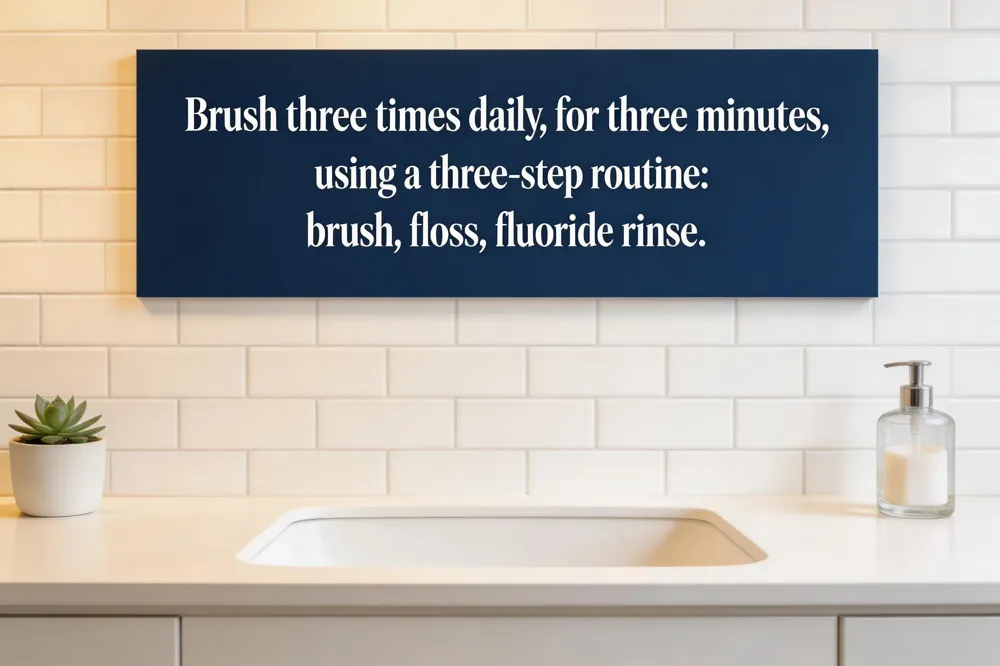 Establishing a solid oral‑hygiene habit is easier when families follow the 3‑3‑3 rule. First, brush three times a day—usually after breakfast, after lunch, and before bedtime—to keep plaque from building up between meals. Second, spend a full three minutes each session; this allows the bristles to reach every tooth surface without aggressive scrubbing that can damage gums. Third, adopt a three‑step routine: brush, floss (or use an interdental cleaner), and finish with a fluoride mouthwash to seal protection.
In addition to the timing, replace your toothbrush or electric‑brush head every three months, or sooner if the bristles look frayed. Worn bristles lose their cleaning efficiency and can irritate soft tissues. By adhering to the 3‑3‑3 guideline, families not only reduce cavities and gum disease but also reinforce a lifelong commitment to a bright, healthy smile.
Broader Benefits of Good Oral Hygiene and Common Diseases
 Maintaining good oral hygiene does far more than keep teeth looking white. Removing plaque and bacteria twice daily with brushing and flossing prevents cavities, gingivitis, and the bad breath that can undermine confidence in social and work settings. Studies show that a clean mouth reduces systemic inflammation, lowering the risk of heart disease, stroke, respiratory infections, and diabetes, while also improving pregnancy outcomes and reducing the likelihood of premature birth. Regular professional cleanings by dental hygienists further lower the chance of costly restorative work—fillings, crowns, root canals, or extractions—by catching problems early.
Common oral health diseases include dental caries (tooth decay), gingivitis (the early, reversible stage of gum disease), periodontitis (a deep infection that can damage bone and cause tooth loss), oral cancer (linked to tobacco, alcohol, and HPV), and dental erosion caused by acidic foods and drinks. Other frequent concerns are dry mouth, halitosis, and trauma to the soft tissues. Most of these conditions are preventable with diligent daily care, biannual hygienist visits, and lifestyle choices that limit sugar, tobacco, and alcohol. By staying on top of oral health, families not only protect their smiles but also safeguard their overall well‑being and financial peace of mind.
Career Pathways, Education, Costs, and the Somerville Landscape for Hygienists
 To become a dental hygienist in the United States, a candidate must earn an accredited associate‑degree in dental hygiene (approximately 3,000 hours of classroom and clinical training) and pass both the National Board Dental Hygiene Examination and a state clinical exam for licensure. The program requires a high‑school diploma, prerequisite science courses, and develops key clinical skills such as fine‑motor dexterity, sharp visual acuity, and stamina, alongside interpersonal abilities like clear communication, patient education, and compassionate rapport. In Somerville, MA, a routine hygiene appointment in a family‑run practice typically costs $80‑$130 out‑of‑pocket, or $140 under an in‑office plan; insurance often reduces the out‑of‑pocket amount to $0‑$50, with additional services adding $55‑$99. Hygienists focus on preventive care and do not place permanent fillings, though in a few states they may place temporary restorations under a dentist’s supervision. Career options extend beyond clinical work to public‑health administration, school‑based education, corporate product development, research, teaching, and practice management. The Greater Boston area, including Somerville, shows strong demand for hygienists—practice growth, competitive hourly wages ($52‑$56), and flexible schedules reflect a robust job market. This combination of solid education, diverse skill set, affordable preventive care, and thriving local demand makes dental hygiene a rewarding career path for families in Somerville.
Final Thoughts
Dental hygienists are the frontline defenders of oral health, removing plaque and tartar that home brushing and flossing miss, applying fluoride and sealants, and detecting early signs of cavities, gum disease, and oral cancer. Their preventive care not only protects teeth and gums but also reduces systemic inflammation linked to heart disease, diabetes, stroke, and even cognitive decline. By educating patients on proper brushing, flossing, diet, and lifestyle choices, hygienists empower families to maintain a healthy mouth, which in turn supports overall well‑being. At Dr. Parrella’s practice, the hygienist team builds lasting relationships, tailors preventive plans to each patient’s risk profile, and collaborates closely with the dentist to ensure comprehensive care. Schedule your bi‑annual cleaning today and let our compassionate professionals keep your smile bright and your health strong.