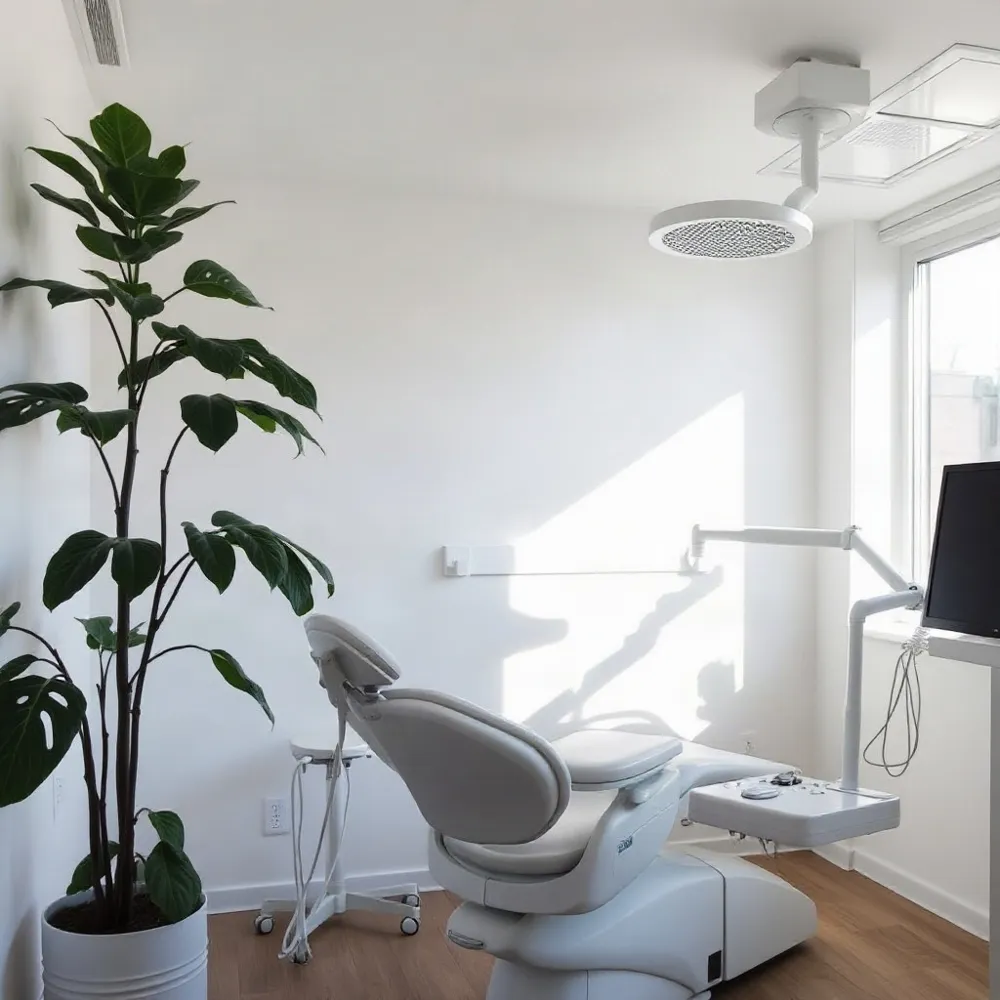
Introduction: Welcoming New Dental Patients
Importance of the First Dental Visit
Your first trip to a dental office sets the stage for maintaining lifelong oral health. It’s an opportunity not only to evaluate your current dental status but also to build a trusting relationship with your dental care team.
Setting Expectations for New Patients
New patients should expect a warm, welcoming environment where their personal and dental histories are carefully reviewed to tailor care plans. The initial visit often includes a comprehensive oral exam, X-rays if needed, and a discussion about your needs and treatment options to promote transparent communication.
Overview of Family-Run Dental Practices Like Dr. Parrella’s
Family-operated practices, such as Dr. Parrella’s, emphasize personalized care that reflects community values. These clinics focus on comfort, clear communication, and comprehensive services designed to cater to entire families. They prioritize preventive care, patient education, and fostering long-term patient relationships for sustained oral health.
Starting Your Journey: How to Make Your First Dentist Appointment and Prepare

How do I make a dentist appointment for the first time?
Finding and booking your first dental appointment starts by selecting a trustworthy dental practice. Many local clinics in Somerville, MA, including family-run offices like Dr. Anthony P. Parrella’s, offer personalized care and a welcoming dental office environment. You can schedule your visit by calling the office or using an online dental appointment scheduling system designed for convenience.
During Scheduling an appointment, you will be asked to provide your contact information and any insurance details. Mentioning that you are a new patient helps staff prepare for your visit. Some practices send new patient dental forms electronically beforehand so you can complete paperwork in advance, saving time on the day of your appointment.
What information should I provide when scheduling?
When you book your appointment, be prepared to share your full name, phone number, address, date of birth, and insurance details if applicable. This information helps verify coverage and streamline billing. You may also be asked about the reason for your visit or any immediate dental concerns, which helps the dental team prepare for your needs.
Can I complete new patient paperwork before my appointment?
Yes, many dental offices now offer digital dental form submission that let you complete your medical and dental history online prior to your visit. This preparing for your first dental visit and shortens wait times while ensuring your dental team has accurate information to provide personalized dental care approach.
What documents and items should I bring?
Be sure to bring your dental insurance card, a government-issued photo ID, and a list of current medications. If you have previous dental records or Dental X-rays and consultation or X-rays, bringing those can be helpful. Arriving 10 to 15 minutes early allows you time to complete any remaining paperwork and settle in comfortably.
How can I manage dental anxiety before my first visit?
Dental anxiety is common, especially for new patients. Tell your dental office about any fears when scheduling so they can offer supportive options like sedation, calming music, or breaks during treatment. Managing dental anxiety and practicing relaxation techniques and maintaining an open dialogue with your dentist will help you feel more at ease.
Preparing thoughtfully for your First dental visit guide fosters a positive experience, helping you build a trusting relationship with your dental care team focused on your oral health and comfort.
What to Expect During Your First Dental Visit: The Examination and Care Process
Check-in and paperwork completion
Your first dental visit begins at the reception where you'll provide Providing personal and insurance details and complete necessary paperwork. Many clinics offer New patient dental forms beforehand to streamline this step. Bringing your ID, insurance card, and medication list helps ensure a smooth Patient check-in and paperwork.
Comprehensive dental examination
Next, a dental hygienist or assistant performs a review of dental and medical history and then the dentist conducts a Comprehensive dental exam evaluating your teeth, gums, bite, and jaw function to identify any concerns and establish your baseline oral health.
Use of digital X-rays and advanced imaging
To gain a comprehensive view, dental X-rays and imaging technology such as bitewing or panoramic images are usually taken if recent images are unavailable. This advanced imaging detects unseen issues like cavities between teeth or bone loss while minimizing radiation exposure.
Professional dental cleaning process
A registered dental hygienist typically performs a professional dental cleaning to remove plaque and tartar buildup through scaling, polishing, and flossing. This step not only improves your oral hygiene but also provides an opportunity for Home Care Advice.
Oral cancer screening and overall health assessment
An Oral cancer screening in dentistry is conducted by examining your soft tissues, tongue, jaw, and neck area. This important evaluation helps detect early signs of oral cancer and assesses overall oral health.
Discussion of findings and personalized treatment planning
After the examination and cleaning, your dentist reviews the findings with you, explains Explaining treatment options and costs including insurance coverage. This customized plan is created collaboratively to address your individual needs and oral health goals.
Typical duration of a new patient visit
A Duration of first dental visits generally lasts between 60 and 90 minutes, allowing adequate time for all assessments and discussions. Depending on your oral health status, a cleaning might be included or scheduled for a later date.
This comprehensive approach ensures your comfort and empowers you with knowledge to maintain a healthy smile while establishing a trusting relationship with your dental care team.
Returning After a Long Gap: What to Expect at Your First Appointment in Years
What should I expect at my first dental appointment after many years?
When you visit the dentist after a long absence, the appointment begins with a comprehensive oral health assessment. This includes a detailed examination of your teeth, gums, bite, and jaw to identify any existing or developing issues. Dental X-rays are typically taken to detect problems that aren’t visible during the examination, such as cavities between teeth or bone loss.
A professional dental cleaning is also part of the first visit. The hygienist will remove plaque, tartar, and surface stains to improve your oral health and appearance. It's common to experience temporary gum or tooth sensitivity following the cleaning, which usually resolves within a day or two.
The dentist will evaluate your overall dental condition for cavities, gum disease, tooth wear, or other concerns. They will communicate findings clearly and discuss treatment options tailored to your individual needs. Open communication allows you to share your dental history and any specific worries, helping the dental team provide personalized and compassionate care.
Together, you and your dentist will develop a treatment plan designed to restore and maintain your oral health over time. This plan may include routine preventive care, restorative treatments, or cosmetic procedures depending on your situation.
Returning to dental care after a gap can feel daunting, but knowing what to expect helps you face the visit with confidence. A supportive welcoming dental office environment focuses on making your return as comfortable and effective as possible for your long-term dental wellness.
A Child’s First Dental Visit: Building a Lifetime of Oral Health

What is an appropriate age for a child's first dental visit?
The American Academy of Pediatric Dentistry recommends that a child’s first dental visit occur by their first birthday or within six months after the eruption of their first tooth. Early visits help establish a dental home and allow for an initial assessment of oral health. They provide parents with guidance on preventive care and enable conservative treatments to prevent or manage early cavities, which are common in childhood. Family-friendly practices like Dr. Parrella’s in Somerville, MA, focus on personalized, community-centered care, making this an ideal environment for young patients.
What should I expect at my child's first dental visit?
The first visit is designed to be gentle and comfortable for the child. Typically, a pediatric dentist or dental hygienist will review the child’s medical and dental history with the parent. The examination usually involves a gentle check of the teeth, gums, jaw development, and oral tissues, while the child may sit in the parent's lap for reassurance. Advice on infant feeding practices, teething comfort, pacifier use, and oral hygiene will be provided. The visit is usually brief, aiming to build a positive and stress-free dental experience. Parents are encouraged to ask questions and participate actively.
What is the Rule of 7 in dentistry?
The Rule of 7 is a helpful guideline which suggests that by age 7, children should have had their first dental visit and lost all 20 primary baby teeth. This milestone coincides with the emergence of permanent teeth and is a key period to monitor jaw growth and oral development. Following the Rule of 7 ensures children develop healthy dental habits early, reducing anxiety and supporting effective preventive care.
Regular check-ups every six months after the first visit are advised to monitor dental growth and maintain oral health. Parents should help children with brushing and flossing until about age 7 or 8, ensuring lifelong habits are established early for a healthy smile.
Building a Comfortable and Caring Dental Relationship: What to Expect Beyond the First Visit

How is patient comfort and anxiety managed in dental care?
Many dental practices prioritize patient comfort by creating a welcoming dental office environment with friendly staff and amenities such as calming music or play areas for families. Techniques like managing dental anxiety, sedation options, breaks during treatment, use of headphones or visual distractions, and empathetic care are commonly employed to ease dental anxiety, helping patients feel more relaxed and supported throughout visits.
Why is open communication and patient education important?
Dentists encourage patients to share concerns openly and ask questions to ensure personalized dental care plan. Clear explanations of examination results, preventive advice, and treatment options empower patients to make informed decisions. Patient education about oral hygiene practices and lifestyle choices is integral to patient communication and care approach.
What should patients expect regarding follow-up visits and check-ups?
Routine dental check-ups are typically recommended every six months but may be adjusted based on individual oral health. Scheduling follow-up appointments after the initial visit helps monitor progress, address ongoing or new concerns, and maintain preventive care. Maintaining regular visits supports early detection and treatment of dental issues.
How are treatment costs, insurance, and payment options addressed?
Before leaving the clinic, dental offices clarify costs and payment options, including insurance coverage and flexible financing plans such as CareCredit or in-house discount programs. Transparent financial discussions help patients plan for treatments and alleviate concerns about affordability.
What role do family-run dental practices play in personalized care and trust?
Family-run practices often emphasize building long-term relationships by listening carefully to patient needs, providing individualized treatment plans, and fostering a compassionate environment. Their community focus and consistent patient interactions cultivate trust and ensure care tailored to each patient's lifestyle and preferences.
Conclusion: Your Journey to Lifelong Dental Health Starts Here
What New Patients Can Expect
Starting your dental care journey involves a warm welcome, thorough health review, and a comprehensive exam tailored to your needs. Expect digital forms, detailed check-ins, X-rays, and professional cleanings to assess your oral health fully.
Building a Strong Relationship
Creating an open, trusting rapport with your dental team is vital. Sharing concerns and goals helps personalize your care, ensuring comfort and confidence every step of the way.
The Importance of Regular Care
Regular dental check-ups, typically every six months, are essential for early detection and prevention of dental issues. Staying consistent with visits and communicating openly supports sustained oral health.
Invitation to Join Your Community Practice
Consider scheduling your appointment at family-centered, community-focused practices like Dr. Parrella's. These clinics prioritize patient comfort, comprehensive care, and lasting relationships, helping you achieve and maintain a healthy smile for life.