The Importance of Regular Dental Cleanings
The 2-Year Rule: A Critical Window for Your Health
The American Dental Association recommends scheduling a professional cleaning and checkup every six months. While that may seem frequent, letting more than two years pass without a dental visit can have serious consequences. Research shows that people who have not had a dental cleaning in that time are significantly more likely to develop advanced gum disease, which is a chronic inflammatory condition. In fact, a large study found that individuals who never had a cleaning faced a 24% higher risk of heart attack and a 13% higher risk of stroke compared to those who went regularly. This “2-year rule” is not arbitrary—it reflects the point at which plaque hardens into tartar, triggering inflammation that brushing alone cannot reverse. Early gum disease may be reversible with professional care, but after two years of neglect, the damage often becomes permanent.
Dental Exam vs. Dental Cleaning: What’s the Difference?
Many patients use the terms “exam” and “cleaning” interchangeably, but they are distinct parts of a routine visit. A dental exam is a diagnostic evaluation. Your dentist will visually inspect your teeth, gums, and soft tissues, review your medical history, and often take X‑rays to find hidden cavities, bone loss, or signs of oral cancer. This step is crucial for catching problems before they cause pain. A professional cleaning (also called prophylaxis) is a therapeutic procedure performed by a hygienist. Using ultrasonic scalers and hand tools, they remove plaque and tartar from above and below the gumline—places your toothbrush cannot reach. Teeth are then polished to remove surface stains, and sometimes a fluoride treatment is applied to strengthen enamel. Together, the exam and cleaning form a powerful preventive duo: the exam identifies issues, and the cleaning removes the bacteria that cause them.
How Regular Dental Exams Safeguard Your Smile
Routine exams allow your dentist to detect early signs of tooth decay, gum disease, and even oral cancer—often before you notice any symptoms. Catching a small cavity during a checkup can mean a simple, painless filling instead of a root canal or crown later. Gum disease, which affects 70–80% of adults at some point, is the leading cause of tooth loss. Regular exams can spot gingivitis (the earliest, reversible stage) and allow for prompt treatment. Additionally, your dentist will screen for oral cancer, a disease that affects about 53,000 Americans each year. When found early, the survival rate rises dramatically. Beyond your mouth, these exams can reveal clues about your overall health: signs of diabetes, nutritional deficiencies, or even immune disorders may first appear in your oral tissues. Early detection is lifesaving.
The Oral-Systemic Connection: Why Cleanings Protect Your Whole Body
Mounting evidence shows that oral health is directly linked to systemic diseases. Periodontal disease is a bacterially induced chronic inflammatory condition that affects nearly half of U.S. adults. When gums are inflamed, bacteria and inflammatory chemicals like C‑reactive protein (CRP) can enter the bloodstream and travel throughout the body. This triggers a cascade of effects:
- Heart disease and stroke: People with gum disease are 28% more likely to suffer a heart attack, and those with severe periodontitis have about three times the risk of developing cardiovascular issues. Regular cleanings reduce CRP levels by up to 20% within six months, lowering arterial inflammation.
- Diabetes: The relationship is bidirectional. Diabetes increases the risk of gum disease, and treating periodontitis improves blood sugar control, reducing hemoglobin A1c levels.
- Alzheimer’s disease: Bacteria from gum disease, such as Porphyromonas gingivalis, have been found in brain tissue, and chronic inflammation may contribute to cognitive decline.
- Respiratory infections: Oral bacteria can be inhaled into the lungs, leading to pneumonia, especially in older adults.
- Pregnancy complications: Gum disease is linked to preterm birth and low birth weight.
Even with perfect daily brushing, plaque hardens into tartar within 48 hours, requiring professional removal. By sticking to a six-month schedule, you actively reduce your risk of these serious conditions. A landmark study found that people who had at least one professional cleaning per year had a 14% lower cardiovascular risk. Think of your dental cleanings not just as a way to keep your smile bright, but as a simple, life-saving medical appointment for your entire body. Investing 60 minutes twice a year can save you from costly procedures, chronic illness, and even extend your life.
Understanding the Dentist 2-Year Rule and Its Implications

What Is the Dentist 2-Year Rule?
The term "dentist 2-year rule" typically refers to the policy that patients in certain health systems must visit their dentist within a two-year period to maintain their registration. Missing this window can mean losing access to regular care and being removed from a practice's list. While this rule is administrative, its implications are significant. Regular check-ups are far more than a bureaucratic requirement.
Why Routine Check-Ups Matter More Than Ever
[Routine dental exams](https://dentistrichmond.com/5-lesser-known-benefits-of-scheduling-regular-dental-exams dental exams] every six months are the recommended standard for a reason. These visits allow professionals to spot early signs of cavities/gumhttps://www.blackwelldentist.com/health-benefits-of-regular-dental-cleanings/ disease], and even [oralhttps://www.northpointefamilydentist.com/blog/top-10-health-benefits-of-regular-dental-cleaning-18719.html cancer] before they become serious. The [Americanhttps://www.blackwelldentist.com/health-benefits-of-regular-dental-cleanings/ Dental Association recommends] this schedule because it supports both oral and [systemichttps://www.dentalnook.com/the-link-between-oral-and-systemic-health/ health]. Research shows that bacteria from untreated gum disease can enter the bloodstream, increasing risks for [hearhttps://carequest.org/the-relationship-between-oral-health-and-heart-disease/ t disease], [strokhttps://www.periodontal.com/professional-dental-cleanings-may-reduce-risk-of-heart-attack-and-stroke/ e], and [gumhttps://pmc.ncbi.nlm.nih.gov/articles/PMC11169959/ disease] complications. By adhering to [regulahttps://scrippswestdental.com/blog/7-invaluable-benefits-of-having-regular-dental-cleanings-and-exams/ r cleanings], families protect their smiles and their overall well-being.
Regular Dental Exams: The Key to Unlocking Overall Health
Why Regular Exams Matter
Learn about the benefits of regular dental exams more than a check on your smile—they are a window into your overall health. Studies show that gum disease is linked to heart disease, diabetes, and stroke. By catching inflammation early, a simple cleaning can reduce systemic bacterial load and lower your risk of serious conditions. The American Dental Association recommends a visit every six months, as professional removal of hardened plaque (tartar) prevents cavities and periodontal disease, which affects nearly half of U.S. adults.
What a Routine Exam Includes
A standard dental examination combines several preventive steps:
| Examination Type | Purpose | What It Detects |
|---|---|---|
| Visual inspection | Check teeth, gum recession, and soft tissues | Cavities, oral lesions |
| X-rays | Identify hidden decay below the gumline | Cysts, bone loss, impacted teeth |
| Professional cleaning | Remove plaque and tartar | Reduces inflammation, prevents gingivitis |
| Oral cancer screening | Examine mouth, tongue, and throat | Early signs of oral cancer |
| Fluoride treatment | Strengthen enamel | Reduce cavity risk |
These exams also allow your dentist to offer personalized advice on brushing, diet, and lifestyle—empowering you to maintain a healthy smile and a healthier body.
The Distinction Between Dental Exams and Cleanings
While often performed together, a dental exam and a professional cleaning serve distinct purposes. The exam is a diagnostic evaluation where your dentist checks for cavities, gum disease, oral cancer, and other issues, often using X-rays. The cleaning (prophylaxis) is a therapeutic procedure to remove plaque and tartar buildup that brushing alone cannot eliminate, helping to prevent disease. Think of the exam as your oral health check-up and the cleaning as the essential maintenance; both are crucial for catching problems early and keeping your smile—and your body—healthy.
Exploring the Connection Between Oral Health and Systemic Diseases

What is the link between your mouth and your body?
Your mouth is not an isolated part of your body—it is a gateway. Research shows that oral health is directly connected to overall health, a concept known as the oral-systemic connection. Chronic gum disease (periodontitis) is a bacterial infection that triggers inflammation. This inflammation does not stay in your gums; it enters your bloodstream and can affect distant organs.
How does gum disease impact the heart?
Studies have found that people with gum disease have a significantly higher risk of heart attack and stroke. Oral bacteria can travel to arteries, contributing to plaque buildup and blood clots. One landmark study showed that individuals who received regular professional dental cleanings had a 24% lower risk of heart attack and a 13% lower risk of stroke. Reducing inflammation through cleanings helps protect your cardiovascular system.
What about diabetes and other conditions?
The relationship between gum disease and diabetes is bidirectional. Diabetes increases the risk of gum infection, and untreated gum disease makes it harder to control blood sugar. Treating gum disease can lower hemoglobin A1c levels. Additionally, oral bacteria have been linked to respiratory infections, Alzheimer’s disease, and adverse pregnancy outcomes.
Why should families prioritize regular cleanings?
Routine dental cleanings—recommended every six months by the American Dental Association—do more than keep your smile bright. They remove plaque and tartar that daily brushing misses, reducing the bacterial load that fuels systemic inflammation. These visits also allow early detection of hidden problems, from cavities to oral cancer. For local families, this means investing in both oral and total health with a simple, proactive step. Prevention is not just about teeth—it’s about protecting your whole body.
| Condition | How Oral Health Affects It | Benefit of Regular Cleanings |
|---|---|---|
| Heart Disease | Bacteria from gums enter bloodstream, trigger inflammation | Lower risk of heart attack and stroke |
| Diabetes | Gum disease worsens blood sugar control | Improves glycemic control |
| Stroke | Oral bacteria contribute to artery plaque | Reduces inflammation |
| Respiratory Infections | Bacteria from mouth travel to lungs | Prevents pneumonia, especially in elderly |
| Alzheimer’s | Chronic inflammation may affect brain | May reduce risk through lower inflammation |
The Lifesaving Potential of Regular Dental Cleanings
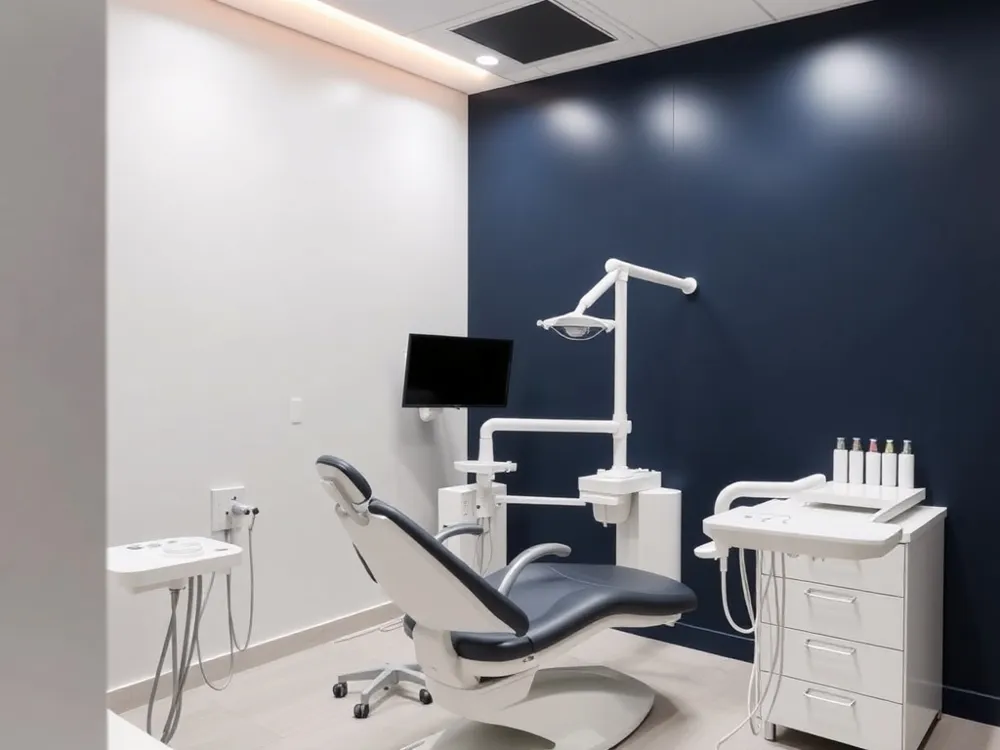
A Lifesaving Routine: Protecting Your Heart and Body
A routine dental cleaning does far more than keep your smile bright—it actively reduces your risk of life-threatening conditions. Research shows that people who have professional cleanings at least once a year reduce their risk of heart attack by 24% and stroke by 13%. The reason? Professional scaling removes bacteria-laden plaque and tartar that daily brushing cannot reach. When these bacteria enter the bloodstream, they trigger systemic inflammation, a key driver of cardiovascular disease.
Gum disease is a chronic inflammatory condition that releases proteins like C-reactive protein (CRP) into the blood. Elevated CRP levels are linked to arterial inflammation, heart attacks, and strokes. A 2018 study found that patients receiving regular cleanings saw a 20% reduction in CRP within six months. This directly lowers cardiovascular risk.
The benefits extend to diabetes management. The relationship between gum disease and diabetes is bidirectional—poor oral health worsens blood sugar control, while uncontrolled diabetes increases gum infection risk. Treating gum disease through professional cleanings has been shown to improve glycemic control and reduce hemoglobin A1c levels.
By keeping your gums healthy, you also reduce your risk of respiratory infections, dementia, and complications during pregnancy. A six-month cleaning schedule is a small investment with potentially life-changing returns for your entire body.
Conclusion: Prioritizing Regular Dental Cleanings for a Healthier Life
Making Your Oral Health a Priority
A routine dental cleaning is far more than a cosmetic polish. It is a critical, preventive healthcare measure. By removing bacterial plaque and tartar, professional cleanings directly reduce systemic inflammation, lowering your risk for heart disease, stroke, and diabetes complications. This simple, biannual appointment protects not just your smile but your entire body. Prioritizing regular dental visits is a powerful, proactive step toward a longer, healthier life.