A New Era for Pediatric Oral Health
Digital X‑ray technology replaces traditional film with tiny electronic sensors that capture high‑resolution images in seconds. The sensors emit up to 90 % less ionizing radiation, are safer for developing tissues, and eliminate chemical processing. Instant, clear pictures let dentists spot early cavities and developmental issues, reducing repeat exposures and easing children’s anxiety during visits. Parents can see the images instantly, improving communication and confidence.
Safety First: Digital X‑Rays and Children
| Radiation Source | Approx. Dose (µSv) | Comparable Exposure |
|---|---|---|
| Traditional Film X‑ray (per bitewing) | ~5‑10 | 1‑2 minutes of natural background radiation |
| Digital X‑ray (per bitewing) | ~0.5‑1 | 1‑2 minutes of natural background radiation (≈10× lower) |
| Flying 1 hour at 35,000 ft | ~5 | Same as traditional film X‑ray |
| Daily background radiation (1 day) | ~5 | Same as traditional film X‑ray |
| Source: ADA/AAPD guidelines |
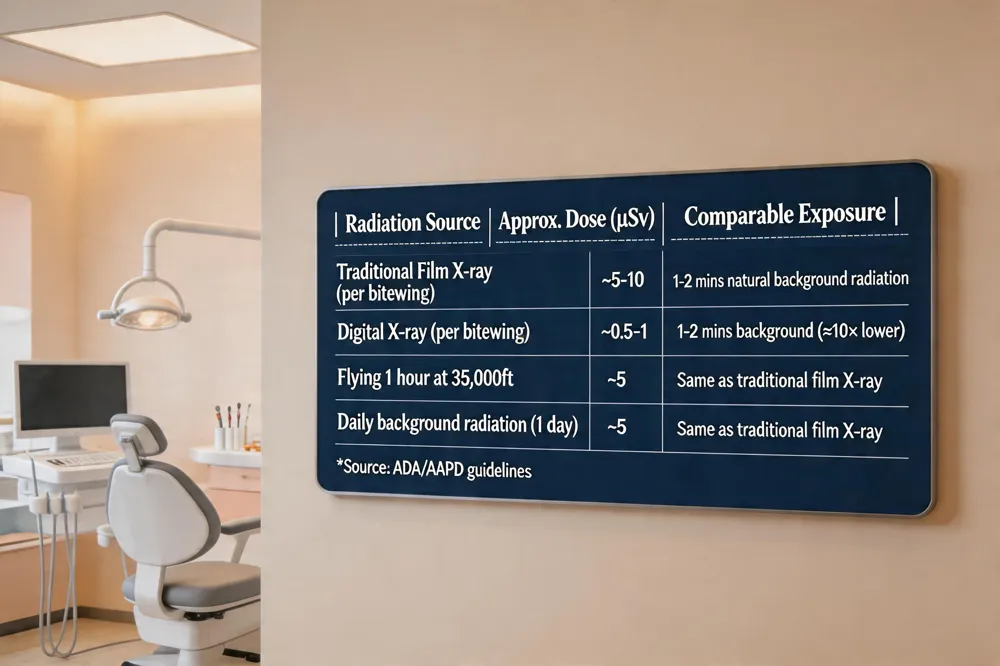 Digital X‑rays have become the standard in pediatric dentistry because they dramatically lower radiation exposure while delivering high‑quality images. Modern sensors emit up to 90 % less ionizing radiation than traditional film, often amounting to a dose comparable to a few minutes of natural background radiation or a short airplane flight. This reduction is especially important for children’s developing tissues, which are more sensitive to radiation.
To further protect young patients, dentists use lead aprons and thyroid collars, employ low‑dose exposure settings, and select the smallest sensor that comfortably fits a child’s mouth. The sensors are lightweight and can be positioned quickly, minimizing the time a child must stay still and reducing the chance of repeat exposures.
Professional bodies such as the American Dental Association (ADA) and the American Academy of Pediatric Dentistry (AAPD) set strict guidelines that follow the ALARA (As Low As Reasonably Achievable) principle. They recommend X‑rays only when the diagnostic benefit outweighs any exposure and advise intervals based on individual caries risk—typically every 6–12 months for high‑risk children and every 12–24 months for low‑risk children.
Is digital X‑ray safe for kids? Yes—when performed by a qualified dentist following these protocols, digital X‑rays provide valuable diagnostic information with minimal risk, making them a safe and essential tool for protecting your child’s oral health.
Widespread Adoption: Are Most Dentists Using Digital X‑Rays?
| Region | % of Dental Offices Using Digital X‑rays |
|---|---|
| United States (overall) | 85‑90% |
| Pediatric Practices | 92‑95% |
| Family‑run Clinics | 80‑85% |
| Rural Practices | 70‑75% |
| Source: National Dental Association Survey 2024 |
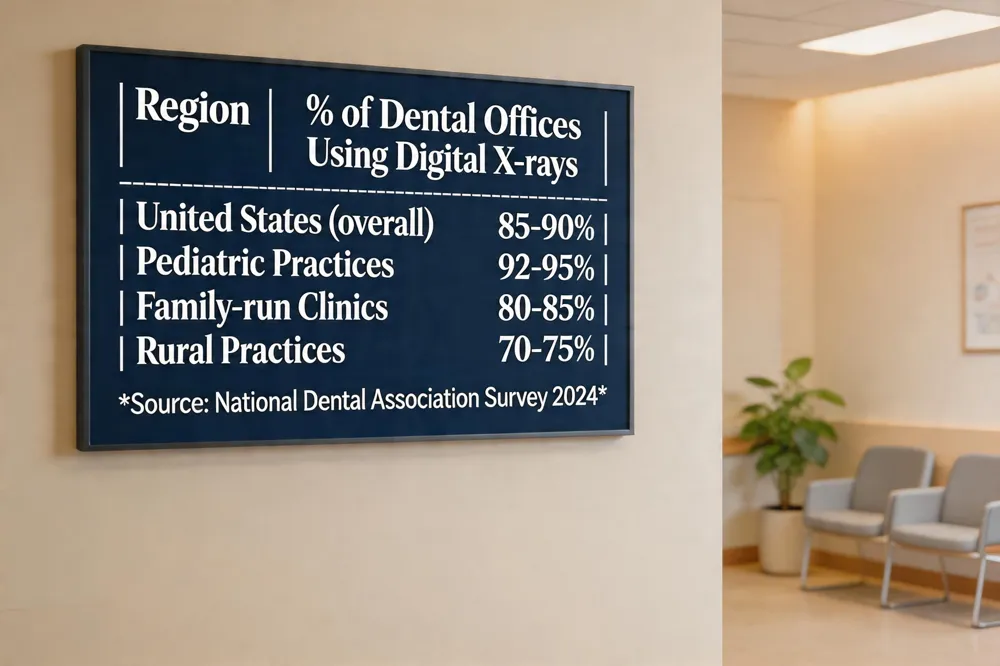 In recent years the dental industry has undergone a rapid shift from traditional film radiography to digital imaging. Across the United States, the overwhelming majority of dental offices—including family‑run and pediatric practices—have upgraded to digital X‑ray systems because they offer safer, faster, and more environmentally friendly care.
The benefits are clear: digital X‑rays emit up to 90 % less ionizing radiation than traditional film X‑rays a crucial advantage for children whose developing tissues are especially sensitive. Images are captured in seconds and displayed instantly on a screen, allowing the dentist to discuss findings with parents during the same visit, reduce chair time, and lower anxiety for young patients. High‑resolution pictures can be zoomed, enhanced, and annotated improving early detection of cavities, developmental anomalies, and orthodontic concerns while minimizing the need for repeat exposures.
Practice examples illustrate this trend. Superteeth Pediatric Dentistry in Miami, Whittington Pediatric Dentistry in Texas, and Upper Valley Pediatric Dentistry in New Hampshire all list digital radiography as a core component of their child‑friendly care models. Parents report shorter appointments, greater comfort, and clearer communication when images are shown on a monitor.
Do most dentists use digital X‑rays now? Yes—today the vast majority of dental offices have moved to digital radiography. While a few practices still keep film equipment for specific cases, most dentists choose digital X‑rays because they deliver instant, high‑resolution images, reduce radiation exposure by up to 80 %, and eliminate the need for chemical processing. The faster turnaround speeds up diagnosis and treatment planning, and the digital files are easy to store, share, and compare over time. This technology has become the standard in modern dental care, especially in family‑run clinics that prioritize patient safety and efficiency.
The 3‑3‑3 Rule: A Simple Routine for Healthy Teeth
| Time of Day | Action | Duration |
|---|---|---|
| Morning (after breakfast) | Brush | 3 minutes |
| After Lunch | Brush | 3 minutes |
| Before Bedtime | Brush | 3 minutes |
| Pre‑Bed (no food/drink) | Wait | 3 hours |
| Tip: Use a pea‑size fluoride toothpaste and a soft‑bristled brush. |
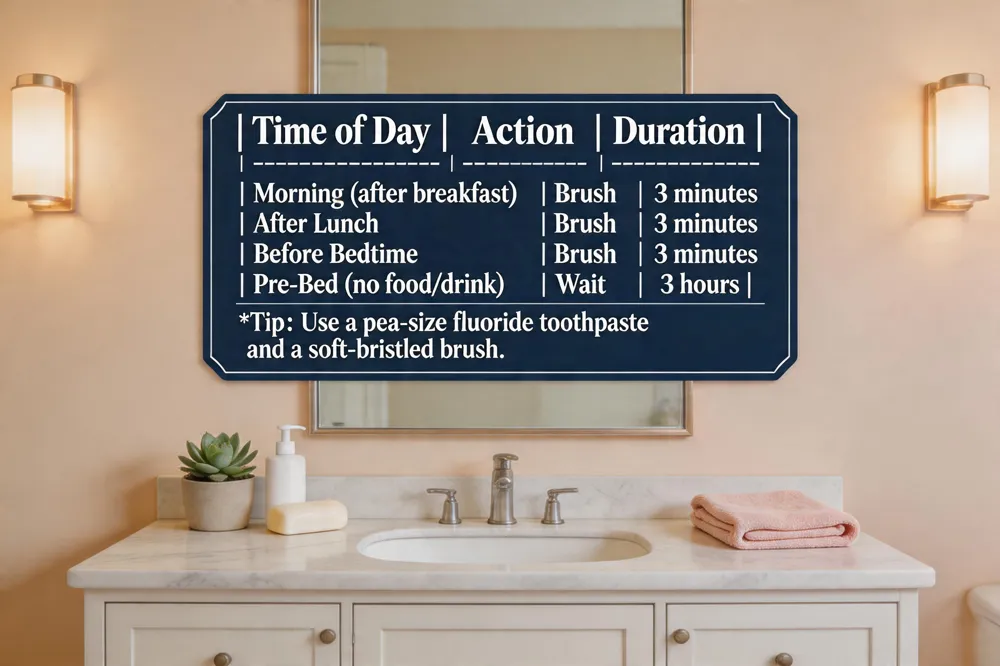 Maintaining a clean, healthy smile starts with a consistent daily routine. The 3‑3‑3 rule is an easy‑to‑remember guideline that helps families protect their children’s teeth:
- Brush three times a day – Morning, after lunch, and before bedtime.
- Brush for three minutes each time – Use a soft‑bristled toothbrush and a pea‑size amount of fluoride toothpaste.
- Avoid eating or drinking for three hours before bedtime – This gives saliva a chance to neutralize acids and remineralize enamel.
Why the 3‑3‑3 rule matters
- Regular brushing removes plaque before it can harden into tartar, reducing the risk of cavities and gum disease.
- A three‑minute brushing period ensures all surfaces, including hard‑to‑reach back teeth, receive adequate cleaning.
- Giving the mouth a break before sleep minimizes exposure to sugary foods and drinks that fuel bacterial growth overnight.
Link to preventive dental technology
Even with diligent brushing, early decay can develop in spots that are hard to see. Modern pediatric dental offices now use low‑dose digital X‑ray technology to catch these hidden problems before they become painful or require invasive treatment. Digital X‑rays emit up to 90 % less radiation than traditional film and provide instant, high‑resolution images, and can be shown to parents and children in real time. This rapid feedback reinforces the importance of daily oral‑care habits like the 3‑3‑3 rule and supports a preventive, family‑friendly dental experience.
What you can expect at a pediatric dental visit
- A quick, comfortable digital X‑ray scan that takes only a few seconds and uses a small sensor designed for children’s mouths.
- Immediate review of the images on a screen, allowing the dentist to explain any findings and how the 3‑3‑3 routine helps keep the child’s teeth healthy.
- Personalized advice on brushing technique, fluoride use, and diet, all aimed at maintaining the benefits of the 3‑3‑3 rule while minimizing radiation exposure.
By combining the simple, effective 3‑3‑3 brushing routine with cutting‑edge, low‑dose digital imaging, families can enjoy a proactive, stress‑free approach to their children’s oral health.
The Rule of 7: Early Orthodontic Check‑Ups
| Age | Recommended Assessment | Typical Tools |
|---|---|---|
| 6‑7 years | First orthodontic evaluation | Visual exam, digital X‑ray or intra‑oral scan |
| 10‑12 years | Follow‑up & growth monitoring | Digital X‑ray, panoramic scan |
| 13‑15 years | Final treatment planning | 3‑D i‑CAT scan, DEXIS CariVu |
| Goal: Detect bite issues early to minimize invasive treatment later. |
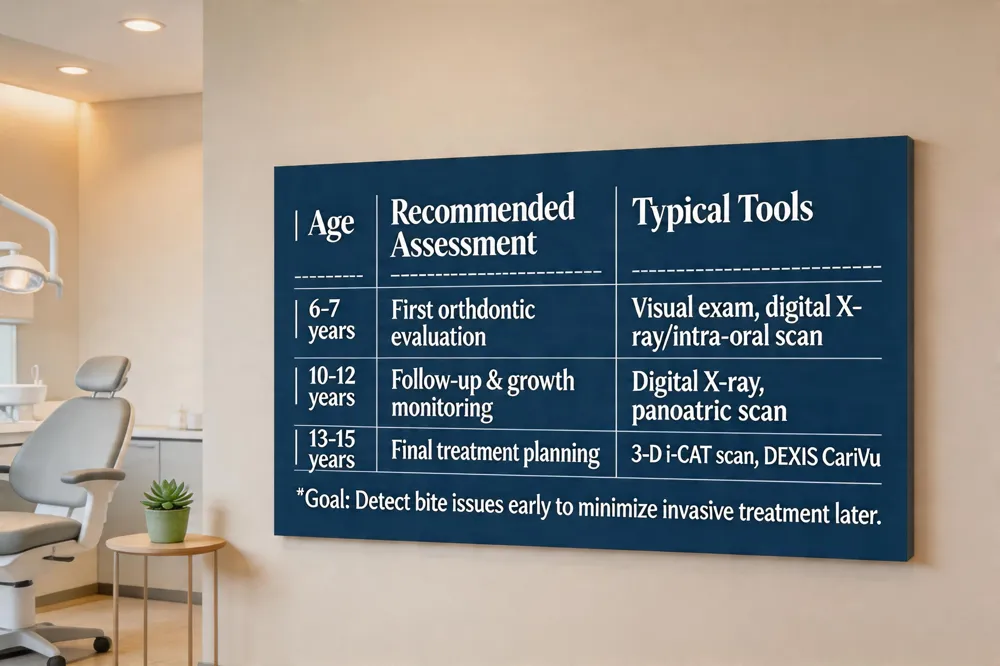 The Rule of 7 advises that children receive their first orthodontic evaluation around age 7. Early assessment helps identify potential bite problems or crowding, allowing the dentist to recommend timely interceptive treatment if needed.
Early evaluation – At the seven‑year mark most permanent teeth have erupted enough for the dentist to see how the jaws are developing. A quick digital X‑ray or intra‑oral scan gives a clear picture of tooth position, bone growth, and any early decay that could affect alignment.
Interceptive treatment – When problems are spotted early, simple measures such as palate expanders, space maintainers, or limited braces can guide teeth into a healthier trajectory. These interventions are usually brief, less invasive, and often avoid more extensive orthodontic work later.
Long‑term benefits – Addressing issues before they become entrenched reduces the risk of severe malocclusion, lowers the likelihood of future extractions, and shortens the overall time a child spends in braces. Families also enjoy fewer emergency visits and lower overall treatment costs.
In short, the Rule of 7 provides a proactive, child‑friendly roadmap that supports a healthier smile and smoother orthodontic journey.
Beyond the Scan: How Digital X‑Rays Transform Pediatric Care
| Feature | Digital X‑ray | Traditional Film |
|---|---|---|
| Radiation Dose | Up to 90 % lower | Baseline |
| Image Delivery Time | Seconds (instant) | 10‑15 minutes (processing) |
| Environmental Impact | No chemical waste | Toxic developers & film waste |
| Image Manipulation | Zoom, enhance, annotate | Limited |
| Storage | Electronic, searchable | Physical archives |
| Result: Faster, safer, greener pediatric dental care. |
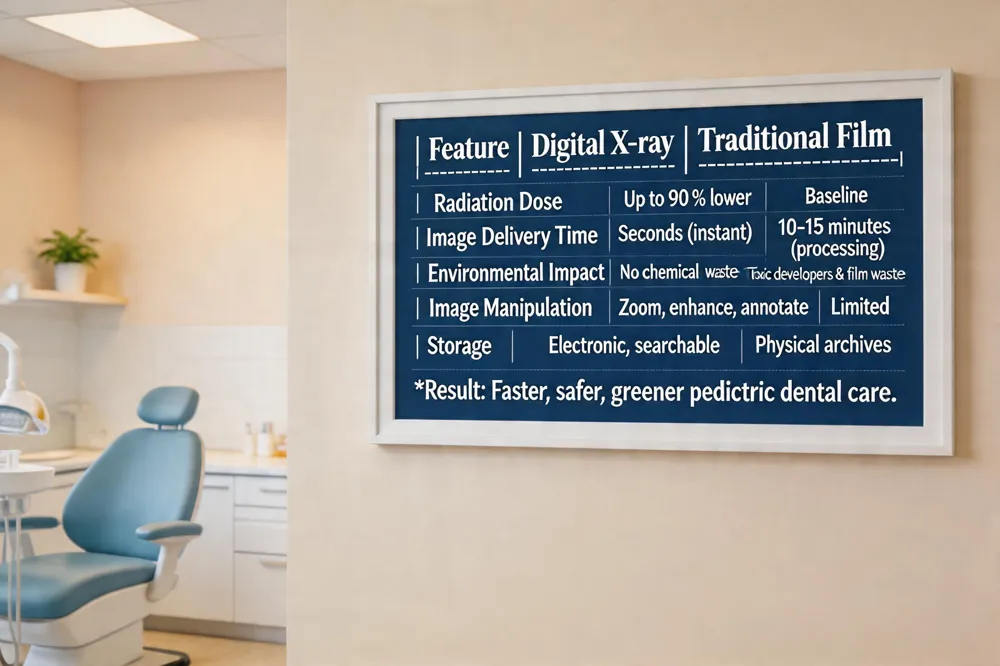 Digital X‑rays have reshaped pediatric dentistry by delivering instant, high‑resolution images that appear on a screen within seconds. This rapid access shortens chair time, lets the dentist discuss findings with parents during the same visit, and reduces the anxiety of young patients who otherwise would linger in the chair waiting for film processing. The technology also offers clear environmental benefits: electronic sensors eliminate chemical developers and film, cutting hazardous waste and supporting greener practices.
Because the images can be magnified, enhanced, and annotated on‑the‑fly, dentists can educate children and caregivers in real time, showing exactly where decay or developmental issues exist and explaining preventive steps. Workflow efficiency improves as images are stored electronically, easily shared with specialists, and integrated into electronic health records, eliminating lost films and repeat exposures.
Advanced tools such as i‑CAT 3‑D scans, DEXIS CariVu laser fluorescence, and other software‑enhanced platforms provide even deeper insight—detecting early enamel lesions, assessing jaw development, and planning orthodontic treatment with minimal radiation. Together, these innovations make pediatric dental care safer, faster, more transparent, and environmentally responsible.
A Safer, Smarter Future for Young Smiles
Digital X‑rays cut radiation by up to 90 %, give instant high‑resolution images, and eliminate chemical processing, making them safer and greener. Our pediatric office uses compact sensors and real‑time display, allowing quick, gentle exams and transparent discussions, ensuring a calm, child‑focused experience for families across the region, building trust together.