Introduction: The Value of Generational Dental Care
Continuity of care across generations means that families visit the same dental team from childhood through adulthood, allowing the dentist to build a comprehensive, chronological record of each patient’s oral health. This long‑term view makes early detection of cavities, gum disease, and hereditary conditions far more accurate, reducing the need for extensive treatment. When patients see familiar faces and staff, trust and comfort grow; they feel heard, understood, and less anxious about procedures. A practice that serves multiple generations also becomes a trusted pillar of the local community, participating in schools, health fairs, and neighborhood events. These deep ties reinforce loyalty, encourage regular preventive visits, and create a supportive environment where oral health thrives for every family member.
Growing Your Practice Through Generational Relationships
 Patient loyalty and referrals thrive when families receive consistent, compassionate care across generations. A familiar dental team reduces anxiety, encourages regular visits, and turns satisfied patients into enthusiastic ambassadors who share positive reviews and refer friends. Strengthening your online presence—through an SEO‑optimized website, active social‑media posts, and easy‑to‑use review prompts—amplifies these word‑of‑mouth referrals and attracts new families looking for a trusted, local practice.
Community engagement and local partnerships deepen trust. Sponsoring school health fairs, offering free oral‑health workshops, and collaborating with nearby businesses showcase your commitment to the Somerville neighborhood, positioning your practice as the go‑to family dental resource.
Invest in staff training and technology upgrades. Regular coaching on active listening, clear communication, and the "Tell‑Show‑Do" technique ensures every visit feels personalized. Integrating digital scheduling, patient portals, and modern imaging streamlines workflows, reduces errors, and frees staff to focus on high‑value patient interactions.
Family‑run practices benefit from a unified culture, lower staff turnover, and the ability to maintain comprehensive, longitudinal records. This continuity enables early detection of hereditary issues, personalized preventive plans, and ultimately, better oral‑health outcomes that keep families coming back for life.
Managing Stress in a Family‑Run Dental Office
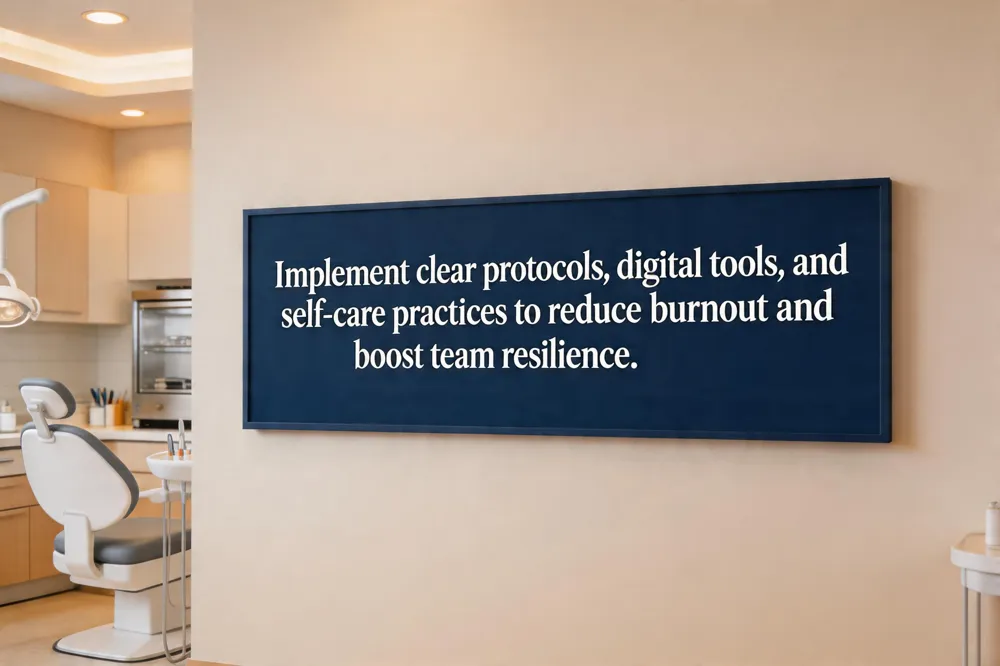 A dental practice experiences several distinct sources of stress, beginning with clinical pressure, where dentists must deliver precise, time‑sensitive treatments while managing the anxiety and expectations of patients. Administrative workload adds another layer, as staff juggle scheduling, insurance paperwork, and regulatory compliance that can become overwhelming without efficient systems. Financial concerns—such as balancing practice overhead, equipment costs, and revenue targets—create constant economic pressure for both owners and clinicians. Interpersonal stress emerges from team dynamics, including communication breakdowns, staffing shortages, and the need to maintain a supportive, collaborative environment. Finally, personal work‑life balance challenges, including long hours and the emotional toll of patient care, can lead to burnout if not addressed through wellness and mindfulness resources. In a family‑run office, these stressors are often heightened by the close‑knit nature of the team and the desire to provide compassionate, community‑focused care. Implementing clear protocols, leveraging digital tools for paperwork, offering flexible financing options, fostering open communication, and prioritizing self‑care are essential strategies to mitigate stress and sustain a healthy, thriving practice.
The Doctor‑Patient Relationship at Dr. Parrella Family Dental
 At Dr. Parrella Family Dental, the doctor‑patient relationship is built on mutual trust and respect, clear plain‑language communication, empathetic listening, and shared decision‑making. From the first phone call or community event encounter, the team strives to create an open, respectful partnership that encourages patients to share health information honestly. Dentists and staff listen attentively, explain diagnoses and treatment options in language anyone can understand, and involve patients in choosing the best care plan. Confidentiality is rigorously protected, and each treatment plan is personalized based on a patient’s unique history and family dental records, which improves early detection of hereditary issues. This compassionate, patient‑centered approach reduces dental anxiety, fosters long‑term loyalty, and leads to better oral‑health outcomes across generations. Families who stay with the practice report higher satisfaction, more consistent preventive visits, and a lasting sense of safety and reliability in their dental care.
Quick Dental Rules and Medicare Myths
 Understanding a few simple dental guidelines can keep your family’s smiles healthy and avoid costly surprises. What is the 3‑3‑3 rule in dentistry? It is a short‑term ibuprofen protocol for tooth pain: take three 200 mg tablets (600 mg total) every three hours, up to three times a day, for no more than three consecutive days. This helps reduce inflammation while you arrange a professional exam, but it is not a substitute for dental care and should be avoided by patients with kidney disease, ulcers, or medication interactions.
What is the rule of 7 in dentistry? Children should receive their first orthodontic evaluation by age seven. At this stage the mixed dentition provides a clear view of jaw growth, allowing early detection of crowding, bite issues, or hereditary problems and reducing the need for extensive treatment later.
Is it true that Medicare now pays for dental implants? No. Original Medicare (Parts A and B) does not cover routine dental care or implants. Only some Medicare Advantage (Part C) plans may offer limited implant benefits, so most patients must rely on private dental insurance, supplemental plans, or financing options.
Patient education and safety are essential: keep medication schedules short, schedule early orthodontic check‑ups, and verify insurance coverage before major procedures. Consistent, trusted care—often provided by the same family‑run practice—ensures these rules are applied correctly and your oral health stays on track.
Community Roots and Generational Loyalty
 Family‑run dental practices like Dr. Anthony P. Parrella’s clinic in Somerville, MA, thrive on deep community roots. By treating multiple generations of the same families, the team builds trust, reduces anxiety, and delivers truly personalized care. Shared health records across decades let the dentist spot hereditary risks—such as periodontitis or enamel defects—early, allowing preventive measures that keep cavities and gum disease at bay. The Quality Dental Plan and Smile Generation Dental Plan illustrate how generational care translates into real cost savings: 100 % coverage for cleanings, exams, and X‑rays, plus 20‑60 % discounts on restorative and cosmetic work, meaning families can afford regular preventive visits without financial strain. Community involvement—school health fairs, local events, and free screenings—reinforces the practice’s role as a trusted health resource, while patient testimonials echo this sentiment: families repeatedly cite the familiar staff, seamless scheduling for all ages, and the feeling of being “known by name.” Such word‑of‑mouth referrals fuel a virtuous cycle, attracting new families who seek the same compassionate, continuity‑focused dental experience.
Conclusion: Embracing Generational Care for a Healthier Future
Building long‑term patient‑provider relationships is the cornerstone of generational dental care. When families return to the same practice year after year, dentists accumulate a detailed oral‑health history that enables early detection of cavities, gum disease, and even systemic risk factors. This continuity translates into more accurate diagnoses, personalized preventive plans, and fewer invasive procedures, which together improve overall oral‑health outcomes for every generation. Because the dental team knows patients by name and understands their unique lifestyle and medical background, trust grows naturally, reducing anxiety and encouraging regular visits. In a community such as Somerville, MA, this sustained trust strengthens local ties, fosters word‑of‑mouth referrals, and creates a healthier future for families who rely on a familiar, compassionate dental home today.