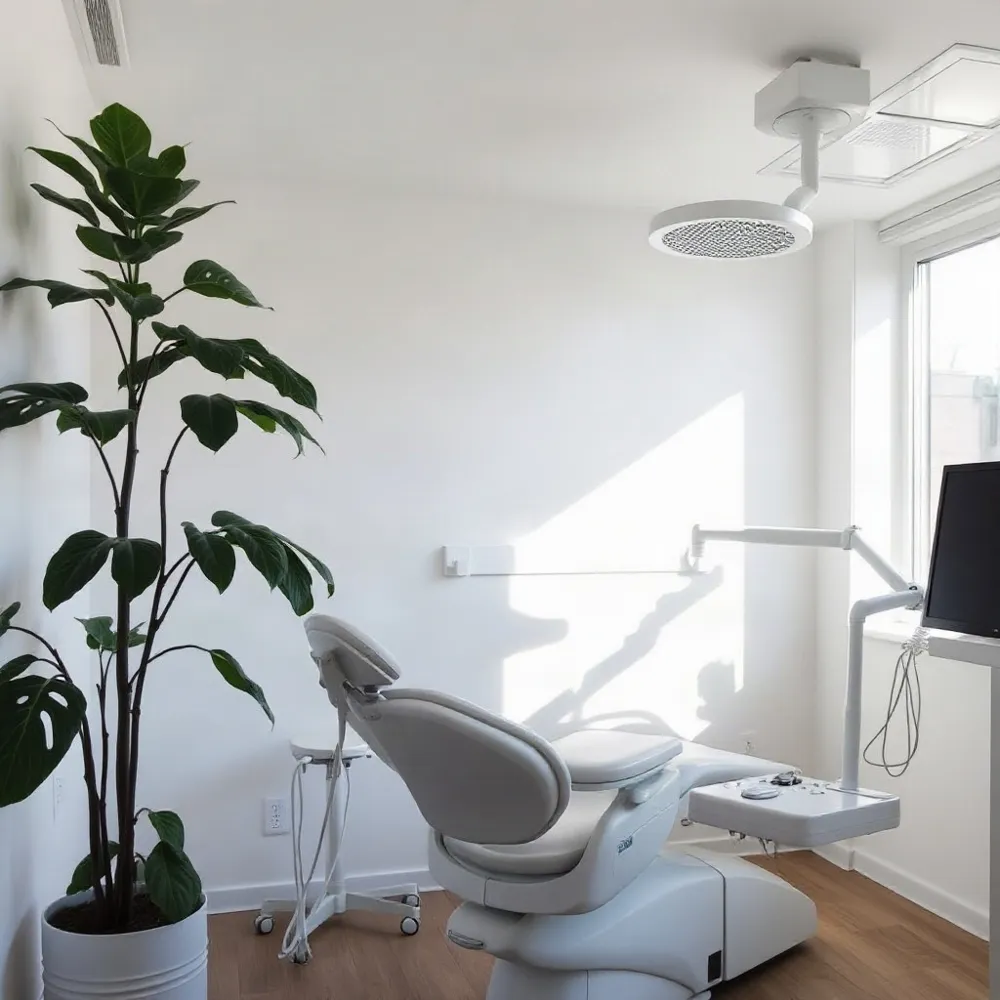
Understanding Preventive Dentistry and Its Importance
What Is Preventive Dentistry?
Preventive dentistry is a branch of dental care focused on maintaining healthy teeth and gums to prevent oral diseases before they develop. It emphasizes early detection and timely intervention to avoid more complex treatments later.
Core Components of Preventive Dental Care
Preventive care includes regular dental exams, professional cleanings, fluoride treatments to strengthen enamel, dental sealants to protect vulnerable tooth surfaces, and oral cancer screenings. Additionally, patient education on proper brushing, flossing, and diet plays a critical role.
Why Start Preventive Care Early?
Establishing preventive care from a young age, even starting with toddlers, helps detect and manage issues such as tooth decay and gum disease early. Early care supports lifelong oral health, reduces pain and risk of tooth loss, and promotes healthy habits.
Dental Insurance and Access to Preventive Care
Most dental insurance plans encourage preventive care by covering services like cleanings, exams, fluoride treatments, and sealants with little or no out-of-pocket cost. This coverage makes preventive dentistry more accessible and cost-effective, reducing the need for expensive treatments.
By integrating preventive dentistry into routine healthcare, families can protect their smiles, improve overall health, and lower dental care expenses over time.
Key Preventive Dental Services and Their Roles
What is preventive dentistry?
Preventive dentistry involves proactive measures to maintain and improve oral health. This approach centers on Regular Dental Checkups and Cleanings, professional cleanings, and Early Detection of Dental Issues to prevent more serious conditions. Preventive services include Fluoride treatments, dental sealants, Dental X-rays, Oral Cancer Screenings, and patient education aimed at promoting effective Proper oral hygiene.
Professional dental cleanings and exams
Routine dental exams and professional cleanings (typically every six months) are fundamental to Preventive dentistry services. Exams allow dentists to detect early signs of cavities, gum disease, and oral cancer. Cleanings remove plaque and tartar buildup that regular brushing and flossing may miss, reducing the risk of tooth decay and periodontal disease.
Fluoride treatments and dental sealants
Fluoride treatments strengthen tooth enamel to resist decay and can even reverse early damage. They are especially valuable for children, teens, and high-risk adults. dental sealants provide a protective barrier on chewing surfaces of permanent molars, preventing cavities by blocking plaque and food debris. Sealants are particularly effective for children and teenagers.
Use of dental X-rays and oral cancer screenings
Dental X-rays help uncover hidden problems such as cavities between teeth, bone loss, or infections before symptoms appear. Oral cancer screenings performed during check-ups can detect early signs of cancer, significantly improving treatment outcomes and survival rates.
Importance of patient education and home care practices
Patient education empowers individuals with proper brushing and flossing techniques, dietary guidance to reduce sugar intake, and recommendations to avoid tobacco and limit alcohol. Maintaining good home care with Fluoride toothpaste benefits, daily flossing, and regular hydration supports professional preventive efforts and reduces the risk of oral diseases.
By combining these Preventive Dentistry Importance with consistent home care, patients can maintain healthy teeth and gums throughout life, avoid costly treatments, and support overall well-being.
Why Preventive Dental Care is Essential for Oral and Overall Health
Why is preventive dental care important?
Preventive dental care is vital for maintaining healthy teeth and gums and avoiding serious dental issues such as cavities, gum disease, and oral cancer. It includes regular dental visits for exams and cleanings, Fluoride Treatments and Sealants that strengthen enamel, and dental sealants that protect vulnerable tooth surfaces. These measures catch problems early, allowing simple and less expensive treatments before conditions worsen.
How does oral health affect overall health?
Oral Health and Overall Wellness is deeply connected to systemic health. Gum disease has been linked to an increased risk of heart disease, diabetes, respiratory conditions, and stroke. Maintaining Proper oral hygiene and receiving Preventive Dentistry can lower the chances of these health complications. For people with chronic diseases like diabetes, controlling oral health supports better management of their condition.
What are the benefits of early detection and treatment?
Early detection through routine Regular Dental Checkups and Cleanings and Dental X-rays identifies dental problems before they progress. This proactive approach improves treatment outcomes, prevents pain, and preserves natural teeth. It also reduces the need for invasive procedures such as root canals or extractions, which are more time-consuming and costly.
Why is preventive dental care cost-effective?
Cost savings from preventive dental care by reducing emergency visits and the need for complex treatments. Many insurance plans fully cover preventive services, making it affordable. By investing in routine care, individuals avoid the higher expenses associated with untreated dental diseases and enhance their quality of life through healthier smiles and better overall health.
| Aspect | Details | Benefits |
|---|---|---|
| Prevention | Fluoride, sealants, cleanings | Reduced cavities, gum disease, oral cancers |
| Systemic Health | Links to heart disease, diabetes, stroke | Better chronic disease management, fewer risks |
| Early Detection | Regular exams, X-rays | Timely treatment, tooth preservation |
| Cost-Effectiveness | Insurance coverage, less invasive treatment | Saves money, reduces emergency dental visits |
The Role of Preventive Dental Coverage and Insurance Benefits
What is preventive dental care coverage?
Preventive dental care coverage refers to dental insurance benefits that focus on routine dental exams, professional cleanings, fluoride treatments, dental sealants, and X-rays designed to maintain oral health and prevent dental problems. Many insurance plans cover these preventive dentistry services fully or with minimal cost to the patient, making preventive care affordable and accessible. This coverage supports early detection of issues such as cavities and gum disease, allowing for prompt treatment and reducing the risk of more serious oral health problems.
Is dental insurance worth it for preventive care?
Dental insurance is especially beneficial for preventive care, helping families and individuals save significantly on routine dental visits. Most preventive services, including exams and cleanings, are often covered entirely, which encourages people to maintain regular appointments. Regular dental check-ups enabled by insurance help find problems early, thereby avoiding more invasive and costly procedures like root canals or crowns later. For many families, insurance can save hundreds of dollars annually while supporting better overall health by detecting conditions that might impact systemic diseases through the link between oral and systemic health.
Coverage scope for routine preventive services
Insurance plans generally cover every six-month dental check-ups, professional cleanings, fluoride applications, and sealants, especially for children. These services work collectively to remove plaque and tartar buildup, strengthen enamel, and protect the chewing surfaces of molars from decay. Early screenings, including dental X-rays, are also commonly covered to catch hidden issues before they worsen.
Financial benefits of dental insurance for preventive care
By fully or partially covering preventive treatments, dental insurance reduces out-of-pocket expenses, encouraging patients to seek care before problems escalate. This preventive approach saves money by avoiding expensive restorative treatments and emergency dental visits, consistent with the cost-effectiveness of preventive dentistry.
Insurance impact on regular dental visits
Dental coverage motivates patients to visit their dentists routinely, reinforcing good oral hygiene habits. Regular visits lead to professional guidance on brushing and flossing, and timely interventions that preserve natural teeth and gums improving quality of life with dental care.
Reducing barriers to care through coverage
By removing financial obstacles, insurance expands access to essential preventive care, particularly for children and low-income families. This leads to improved oral health outcomes and less reliance on emergency services for preventable dental issues, as discussed in Preventive Oral Health Services.
| Aspect | Details | Benefit |
|---|---|---|
| Coverage Scope | Exams, cleanings, fluoride, sealants, X-rays | Early detection and prevention |
| Financial Benefits | Full/minimal cost sharing | Saves money, reduces costly treatments |
| Regular Visits | Insurance encourages biannual visits | Promotes oral hygiene and health |
| Barrier Reduction | Lowers out-of-pocket costs | Improves access for underserved populations |
Effective Preventive Treatments: Sealants, Fluoride, and Beyond
Dental Sealants and Their Cavity-Preventing Role
Dental sealants serve as a protective shield applied to the chewing surfaces of back teeth, where cavities often develop due to grooves that are hard to clean. These sealants effectively block out plaque and food particles, significantly reducing the risk of decay. This preventive filling method is especially beneficial for children, teenagers, and individuals with a history of cavities. Sealants are a cost-effective treatment that can prevent extensive dental procedures later on, creating a valuable barrier for long-term oral health. See also dental sealants.
Fluoride Treatments for Enamel Strengthening and Decay Reversal
Fluoride is a mineral that strengthens tooth enamel, making it more resistant to acid attacks from plaque bacteria and sugars. Professional fluoride treatments involve applying a varnish, gel, or foam to teeth during dental visits, enhancing enamel’s durability and potentially reversing early signs of decay. This treatment is widely recommended for all age groups, particularly children and high-risk adults. Fluoride works best when combined with good home care, including brushing with fluoride toothpaste and maintaining a balanced diet. Learn more about fluoride treatments and sealants.
Custom Mouthguards for Injury and Bruxism Prevention
Protective mouthguards are an essential preventive tool for people engaged in sports or those who grind or clench their teeth at night (bruxism). Custom-made by dental professionals, these mouthguards provide a tailored fit that offers superior protection against dental injuries and reduces stress on teeth from grinding. Using these devices can prevent costly damage, such as chipped or fractured teeth, and support overall oral well-being. For more on custom mouthguards and protective dental services.
Technological Advances in Preventive Care
Modern dentistry employs advanced diagnostic and treatment technologies that enhance preventive care. Digital X-rays and intraoral cameras allow for early detection of hidden cavities or bone loss. Laser treatments and saliva-based bacterial testing help identify and address infection risks before they progress. Additionally, preventive oral surgery, including bone grafting and sinus lifts, can proactively preserve dental health. These innovations enable more precise, less invasive interventions, making preventive care more effective and comfortable. See details about advanced dental imaging and preventive care technologies.
Are Preventive Dental Fillings Worth It?
Preventive dental fillings like sealants are highly worthwhile, offering a protective barrier that reduces future decay risks. They are cost-effective by minimizing the need for complex treatments later, such as root canals or crowns. When combined with regular dental visits—including professional cleanings and fluoride applications—and solid at-home oral hygiene, these preventive treatments sustain oral health and prevent gum disease. Investing in them promotes lifelong dental health, saving time, money, and discomfort over time. Discover more on the benefits of preventive dentistry.
| Prevention Method | Purpose | Benefits |
|---|---|---|
| Dental Sealants | Protect chewing surfaces | Prevent cavities, cost-effective |
| Fluoride Treatments | Strengthen enamel, reverse early decay | Durable teeth, decay prevention |
| Custom Mouthguards | Prevent trauma and bruxism damage | Protect teeth from injury and wear |
| Advanced Technologies | Early diagnosis and minimally invasive care | Improved detection and comfort |
Maintaining Oral Health at Home: Essential Habits for Prevention

What are effective tips for maintaining oral health at home?
Maintaining strong oral health starts with daily practices that protect your teeth and gums. Begin by brushing your teeth twice a day for at least two minutes using fluoride toothpaste. Fluoride strengthens tooth enamel and helps prevent cavities.
Daily flossing is equally important to remove plaque and food particles from between teeth where your toothbrush can’t reach. Consider using interdental brushes or water flossers to enhance cleaning in tight spaces.
Limiting sugary and acidic foods and drinks helps reduce the risk of tooth decay. Maintaining a healthy diet rich in nutrients supports your gums and overall oral tissues. Drinking plenty of water throughout the day also helps keep your mouth hydrated and wash away debris.
Avoid tobacco products and limit alcohol consumption, as these can increase risks of gum disease, oral cancers, and dry mouth. Managing dry mouth through hydration, sugar-free gum, or consulting your dentist can prevent discomfort and decay.
Using antimicrobial or alcohol-free mouthwashes and brushing your tongue daily can reduce harmful bacteria, freshen breath, and lower gum disease risk.
Regular dental visits complement home care by allowing early detection and treatment of oral health issues, ensuring both your smile and systemic health remain strong over time.
Preventive Dentistry as a Cornerstone for Lifelong Oral Wellness
How Does Preventive Care Support Oral Health Across All Ages?
Preventive dentistry is vital from early childhood to senior years. For children, protective measures like dental sealants guard against cavities on hard-to-clean teeth surfaces while establishing habits that support oral wellness. Adults benefit from routine exams, fluoride treatments, and cleanings that reduce gum disease risk and tooth decay. Seniors gain from tailored care addressing age-related concerns such as dry mouth and heightened cavity risk. This life-stage approach helps maintain the integrity of teeth and gums, minimizing complex dental procedures later on.
How Is Preventive Dentistry Linked to Overall Health?
Good oral health is closely connected to systemic health conditions including heart disease, diabetes, and respiratory illnesses. Early detection and management of gum disease through preventive visits can lower risks linked to these chronic diseases. Moreover, some preventive practices like oral cancer screenings and tobacco cessation support broader health, enhancing quality of life. Maintaining oral hygiene through brushing, flossing, and professional care reduces harmful bacteria that may contribute to systemic inflammation.
What Community and Public Health Benefits Result From Preventive Dentistry?
Community-wide initiatives such as water fluoridation and school dental sealant programs significantly reduce dental cavities, especially in underserved populations. In addition, preventive services lower emergency dental visits, saving substantial healthcare costs and improving workforce productivity. Public health strategies including tobacco control policies and HPV vaccinations further complement dental prevention efforts, reducing oral cancer incidence and promoting healthier communities.
How Does Preventive Dentistry Contribute to Long-Term Oral Health and Cost Savings?
Preventive care enables early identification and treatment of dental problems, avoiding the need for invasive interventions like root canals or tooth extractions. Regular cleanings remove plaque and tartar buildup that daily brushing might miss, curbing tooth decay and gum disease progression. Most dental insurance plans prioritize coverage for preventive services, making them cost-effective. Investing in preventive dentistry protects natural teeth, supports overall wellbeing, and reduces financial burdens over time.
Taking the First Step Towards a Healthy Smile
Understanding the Benefits of Preventive Dentistry
Preventive dentistry plays a crucial role in maintaining oral health and preventing dental problems before they become severe. It includes regular dental check-ups, professional cleanings, fluoride treatments, dental sealants, and oral cancer screenings. These services enable early detection of issues like cavities and gum disease, reducing the need for invasive treatments later. By removing plaque and tartar that daily brushing and flossing might miss, professional cleanings protect teeth and gums from decay and infection.
The Importance of Regular Visits and Home Care
Scheduling dental visits every six months is recommended for most people, but your dentist may suggest more frequent visits based on individual needs. These routine appointments allow dentists to monitor your oral health, guide effective care habits, and catch potential problems early. At home, brushing twice a day with fluoride toothpaste, flossing daily, and maintaining a balanced diet low in sugary foods support these efforts. Protective measures like mouthguards during sports and limiting tobacco use further enhance oral health.
Early and Consistent Prevention for Overall Well-being
Good oral health is tightly connected to overall health, influencing conditions such as heart disease, diabetes, and respiratory illnesses. Preventive dental care not only protects your smile but also contributes to your general wellness and quality of life. Starting preventive care early in childhood and continuing consistently throughout life creates a foundation for healthy teeth and gums, minimizing cavities, gum disease, and other oral problems. This proactive approach saves time and money, while preserving natural teeth and supporting confident eating, speaking, and smiling.