Introduction
Regular dental visits are the cornerstone of preventive care, allowing clinicians to spot problems before they become painful or costly. During a routine exam a dentist checks for early signs of cavities, gum inflammation, and oral cancer, often using gentle X‑rays and visual screening. Detecting these issues early means treatment can be simple—like a fluoride varnish or a small filling—rather than invasive procedures later on. Because the mouth reflects the body, untreated gum disease can raise the risk of diabetes, heart disease, and even stroke. By keeping plaque and tartar under control, professional cleanings protect not only your smile but also your overall health. Consistent appointments also give your dental team a chance to tailor hygiene advice, reinforcing habits that keep you feeling confident and well throughout your life and peace of mind.
Foundations of Daily Oral Care
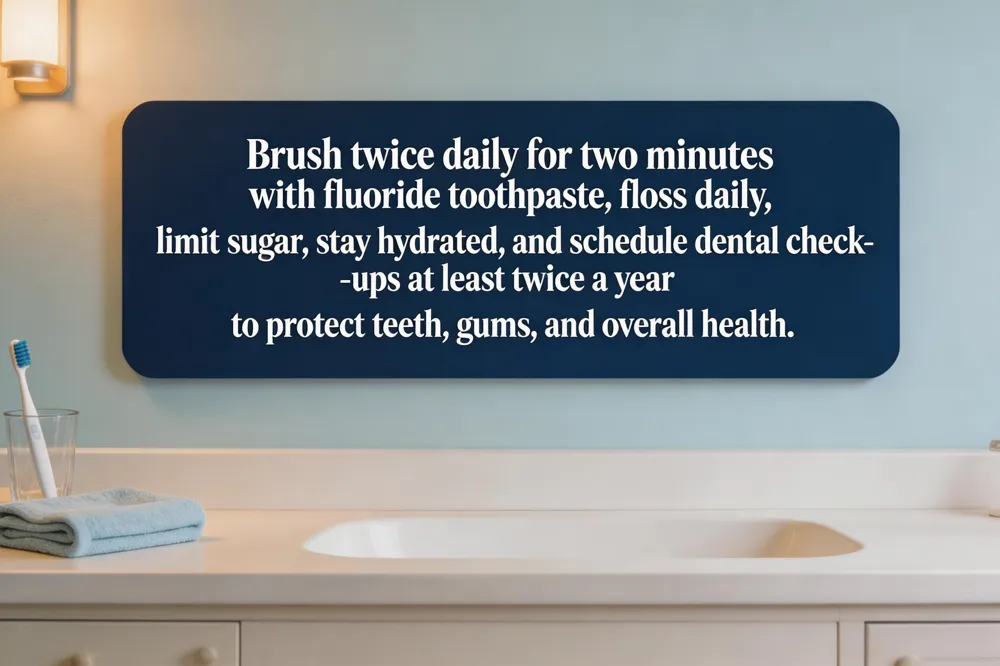 Consistent daily oral hygiene is the cornerstone of a healthy smile and overall well‑being. Dental health tips for families include brushing twice a day with fluoride toothpaste, flossing daily to reach spaces where a brush cannot, and limiting sugary foods and drinks. Hydration with fluoridated tap water and avoiding tobacco and excessive alcohol further protect teeth and gums. For adults, these habits are especially important because gum disease is linked to systemic conditions such as diabetes, heart disease, and stroke. Managing dry‑mouth‑inducing medications, chewing sugar‑free gum, and staying on top of regular dental check‑ups—at least once a year, or more often for those with chronic health issues—ensure early detection of decay, gum disease, or oral cancer.
What is the 2‑2‑2 rule for oral hygiene? The 2‑2‑2 rule is a simple, effective guideline: brush twice a day, for two minutes each session, and visit the dentist twice a year. Following this routine helps remove plaque, prevent tartar buildup, and catch problems before they become costly or painful.
By integrating these practices and scheduling professional cleanings and exams, families can enjoy a brighter smile, stronger enamel, and reduced risk of oral and systemic disease.
Understanding Dental Coverage
 Regular dental visits are essential for maintaining oral health, and knowing what your insurance covers helps you stay on schedule without surprise costs. What do most dental plans cover? Most plans fully cover preventive care—cleanings, oral exams, X‑rays, and fluoride treatments—often at 100 % of the fee. Basic services such as fillings, simple extractions, root canals, and gum‑disease treatment are usually reimbursed at 50‑80 % after any deductible, while major procedures like crowns, bridges, dentures, and implants typically receive about 50 % coverage. Does Health Partners cover dental? Yes. HealthPartners offers a range of dental plans that include 100 % preventive coverage, 80 % for basic care (fillings, extractions, gum treatment), and around 50 % for major restorative work. Plans are available in Minnesota, Wisconsin, and neighboring states, with options for individuals, families, seniors, and groups. Dental insurance for restorative care generally covers fillings, crowns, bridges, and root canals after an annual deductible, applying a coinsurance percentage (often 20‑30 %). Annual maximum benefits—commonly $1,000‑$2,000—limit total coverage, after which you pay the full cost. What is covered under dental insurance? Insurance is tiered: preventive services at 100 % twice a year, basic procedures at 70‑80 %, and major services at 40‑50 %. Cosmetic treatments like whitening are usually excluded. Review your specific plan details with your dentist to maximize benefits and keep your smile healthy.
Clinical Benefits of Regular Exams
 Regular dental exams are the cornerstone of early disease detection. A quick visual check, periodontal probing, and digital X‑rays can reveal cavities, gum inflammation, or oral cancer before symptoms appear, allowing simple, cost‑effective treatments.
What happens if you skip dental cleanings? Plaque hardens into tartar that brushing misses, creating a bacterial breeding ground that erodes enamel and inflames gums. Over time this can progress to cavities, gingivitis, and periodontitis—an infection that destroys supporting bone, leads to tooth loss, and raises the risk of heart disease, diabetes, and other systemic conditions. Early signs are often painless, so without professional cleanings problems may require costly, invasive procedures.
10 ways to keep your teeth healthy:
- Brush twice daily for two minutes with fluoride toothpaste.
- Floss or use a water‑flosser each day.
- Limit sugary snacks and rinse or brush after indulgence.
- Eat a balanced diet rich in crunchy vegetables, fruits, nuts, and calcium‑rich foods.
- Visit your dentist regularly for cleanings and check‑ups.
- Use fluoride treatments as advised.
- Avoid tobacco use.
- Stay hydrated to promote saliva flow.
- Replace your toothbrush every three months.
- Manage stress, which can affect oral health.
Signs of poor oral hygiene include persistent bad breath, bleeding or swollen gums, visible plaque or tartar, tooth sensitivity, receding gums, and persistent mouth sores. If you notice any of these, schedule an exam promptly.
Long‑term effects of neglectful oral hygiene range from tooth loss and bone loss to increased risk of cardiovascular disease, stroke, diabetes complications, Alzheimer’s disease, certain cancers, and respiratory infections. Maintaining regular exams protects both your smile and overall well‑being.
Oral Health and Systemic Wellness
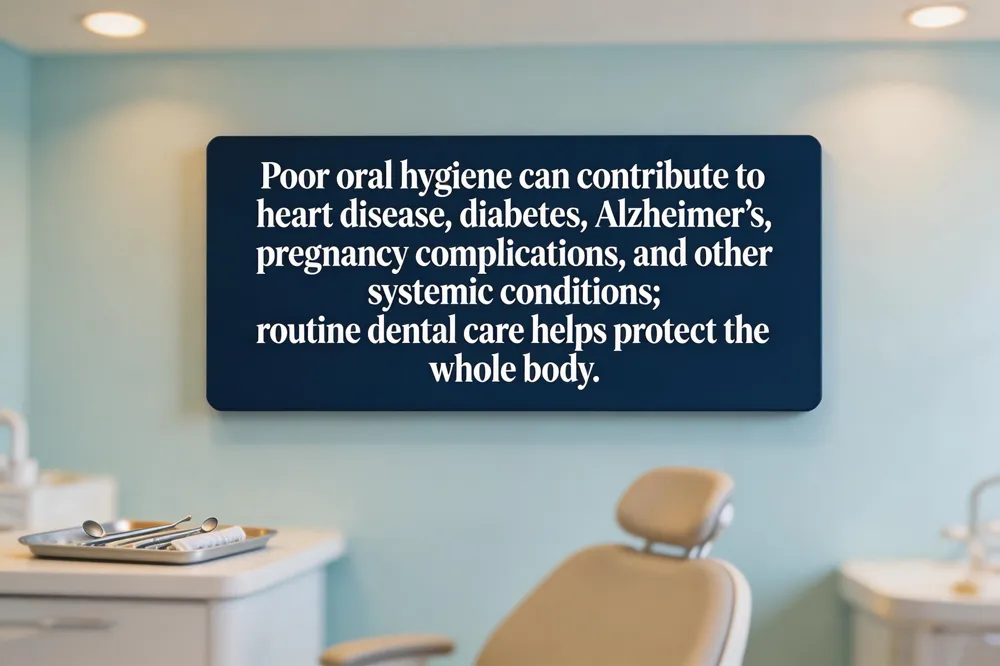 Regular dental visits are a cornerstone of overall health because the mouth is a gateway to the rest of the body. Poor oral hygiene can lead to periodontal disease, allowing bacteria to enter the bloodstream and contribute to systemic conditions such as cardiovascular disease, stroke, Alzheimer’s disease, diabetes complications, high‑risk pregnancy outcomes, respiratory infections, rheumatoid arthritis, osteoporosis, kidney disease, and even certain cancers. Early detection of these links during routine exams helps keep the whole body healthier.
Dentists also play a critical role in spotting rare but serious conditions like oral cavity lymphoma. While lymphoma is uncommon, a dentist’s visual and tactile examination can reveal unusual lesions or swelling that warrant a biopsy and timely referral, improving treatment outcomes.
Aesthetic dental planning often follows the "50‑40‑30" rule, which describes the ideal apparent contact dimensions between central incisors, central‑to‑lateral incisors, and lateral‑to‑canine teeth, creating a harmonious smile proportion.
For a clear definition of oral health, see the World Health Organization’s "What is Oral Health?" PDF, which outlines oral health as a state of complete physical, mental, and social well‑being of the mouth.
A handy oral‑hygiene guide is available from the U.S. Health Resources & Services Administration. The printable "Oral Health Information for Adults – Flossing and Brushing" PDF (2 MB) offers quick daily‑care tips and can be customized with our practice’s contact details for families in Somerville.
Local Expertise in Somerville
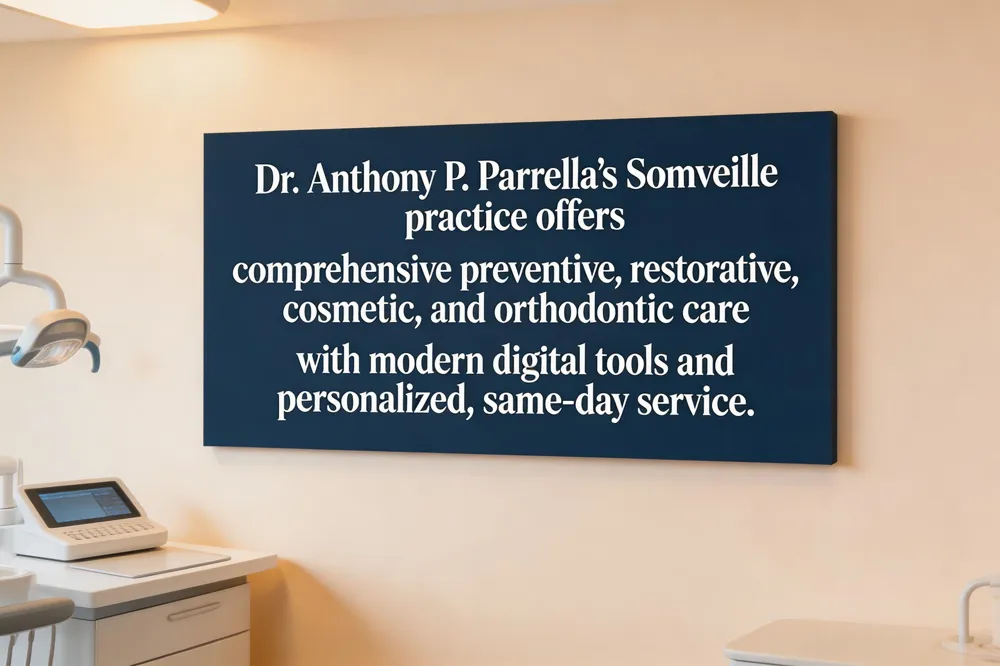 Dentists in Somerville, MA include several highly qualified practices, most notably the family‑run office of Dr. Anthony P. Parrella. His team offers comprehensive preventive, restorative, cosmetic, and orthodontic care using modern digital tools, creating a comfortable, community‑focused environment. Dr. Parrella’s practice consistently ranks among the best in town because of its personalized service, same‑day appointments, and a full spectrum of treatments—from cleanings and X‑rays to implants and Invisalign—under one roof.
Routine dental care (exams, cleanings, X‑rays, fluoride) works hand‑in‑hand with basic dental care (twice‑daily brushing, flossing, healthy diet). Both are essential; neglecting home habits makes professional cleanings less effective, while skipping routine visits allows small issues to become costly restorations.
The 3‑3‑3 rule—brush three times a day for three minutes and wait three hours after meals—is not endorsed by the ADA. Dentists recommend brushing twice daily for two minutes, flossing daily, and regular check‑ups for optimal oral health.
Conclusion
Regular dental exams and cleanings are the cornerstone of long‑term oral health. By catching decay, gum disease, and oral cancer early, they keep treatment simple, less invasive, and far less costly. When families schedule bi‑annual visits, the entire community benefits: lower emergency‑care rates, reduced systemic disease risk, and a healthier smile for children and seniors alike. This shared commitment to preventive care builds trust between patients and dentists, reinforces good home‑hygiene habits, and creates a culture of wellness that extends beyond the dental chair. Personalized advice on diet, fluoride, and lifestyle further protects teeth and reduces future emergencies for you.