Introducing the Hygienist Advantage
Preventive care is the cornerstone of lasting oral health because it stops decay before it becomes a painful cavity. Dental hygienists are specially trained to spot early enamel demineralization, hidden interproximal caries, and gum inflammation during routine cleanings, using tools like digital radiographs and visual exams. Their expertise includes applying fluoride varnish, sealants, and personalized diet and brushing guidance that can cut new‑cavity risk by 25‑30 % in high‑risk patients. By visiting a hygienist every six months, plaque and tartar are removed, early lesions are treated non‑invasively, and a tailored home‑care plan keeps your smile bright and healthy for years to come.
The Power of Preventive Care: How Hygienist Visits Stop Cavities Before They Start
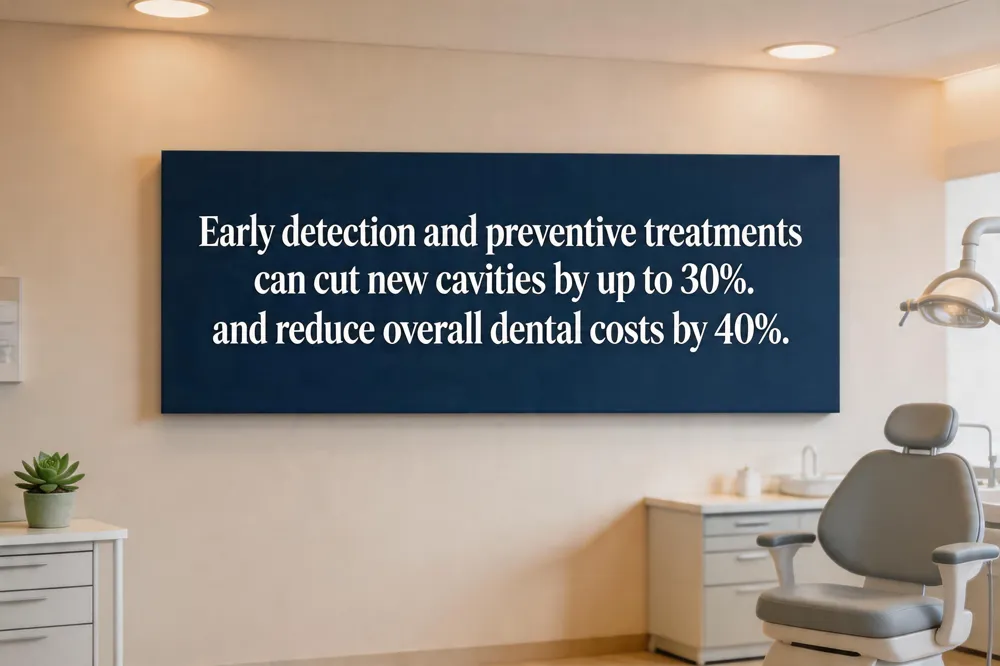 Dental hygienists are the first line of defense against tooth decay. By performing thorough examinations they can spot early enamel demineralization—white‑spot lesions that are still reversible—long before a cavity is visible on an X‑ray. When such lesions are caught, a simple fluoride varnish or a sealant on the chewing surfaces of molars can remineralize enamel and block bacteria, cutting the risk of new cavities by up to 30 % in high‑risk patients and preventing up to 80 % of occlusal decay. Digital radiography, a low‑dose tool used by hygienists, reveals hidden interproximal caries that a visual exam might miss, allowing minimally invasive treatment. Periodontal assessments that measure pocket depths and bleeding on probing also identify gum disease early; untreated gum inflammation accelerates decay by exposing root surfaces. The financial upside is clear: six‑month preventive visits, including cleanings, sealants, and fluoride applications, reduce overall dental treatment costs by an average of 40 % compared with reactive care.
Do I really need to see a dental hygienist? Yes—regular visits remove plaque and tartar that brushing misses, catch early disease, and provide personalized oral‑care guidance, saving time, money, and discomfort.
How to prevent cavities in adults? Brush twice daily with fluoride toothpaste, floss, limit sugary foods, drink fluoridated water, use mouthwash, and see a hygienist for cleanings and risk‑based treatments.
5 ways to prevent tooth decay
- Brush twice a day with fluoride toothpaste.
- Floss or use interdental cleaners daily.
- Reduce sugary/acidic intake; choose water or sugar‑free gum.
- Apply fluoride varnish or sealants as advised.
- Schedule professional cleanings at least twice a year.
Benefits of oral hygiene Good hygiene controls plaque, preventing cavities, gum disease, and systemic inflammation linked to heart disease, diabetes, and adverse pregnancy outcomes.
Best oral hygiene products Use a soft‑bristled electric toothbrush, fluoride toothpaste (or remineralizing paste), daily floss or interdental brushes, an alcohol‑free fluoride mouthwash, and consider xylitol gum for extra saliva stimulation.
Rules of Thumb: Simple Protocols You Can Follow
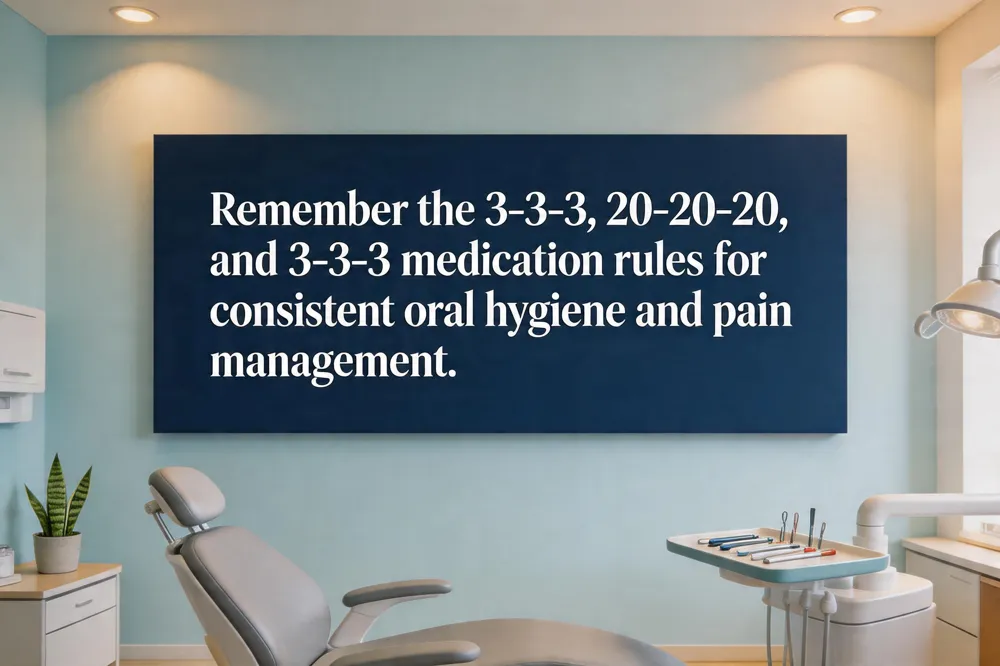 Dental hygienists make cavity prevention easy by giving patients three memorable "rules of thumb."
What is the 3‑3‑3 rule for teeth?
The 3‑3‑3 rule is a three‑part daily routine: brush for about three minutes, three times a day (morning, after lunch, and before bedtime) with a soft‑bristled brush and fluoride toothpaste, follow each brushing session with a quick floss or interdental‑cleaner pass, and finish with a fluoride‑containing mouth‑rinse when recommended. This simple schedule, reinforced by hygienists during every clean‑up, removes plaque, disrupts biofilm, and delivers fluoride to strengthen enamel.
What is the 20‑20‑20 rule for dental hygiene?
During a six‑month preventive visit, the 20‑20‑20 rule divides the hour into three 20‑minute blocks: (1) health history and risk assessment, (2) charting, scaling, polishing, and patient education on brushing, flossing, diet, and product use, and (3) final polishing plus preventive agents such as fluoride varnish or sealants. This structure lets hygienists catch early demineralization, apply remineralizing treatments, and personalize home‑care advice—strategies shown to cut new caries by up to 30 % in longitudinal studies.
What is the 3‑3‑3 medication plan for temporary pain relief?
For short‑term discomfort from inflamed gums or a suspected cavity, many dentists endorse a 3‑3‑3 plan: 600 mg ibuprofen (three 200‑mg tablets) taken every three hours, not exceeding three days, after confirming it’s safe for the patient. This eases pain but is not a substitute for the professional evaluation and preventive care a hygienist provides.
Adopting these easy protocols, backed by evidence‑based hygiene visits, empowers families to protect smiles and keep dental costs down.
The Hygienist’s Toolbox: Techniques, Products, and Home Care
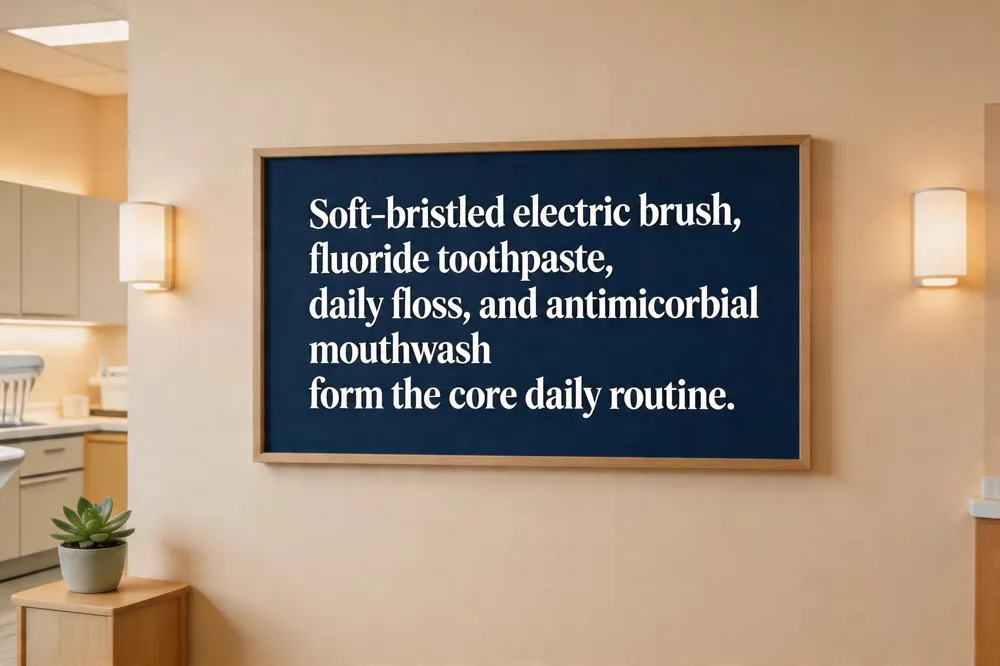 Maintaining a proper oral‑hygiene routine starts with a two‑minute brush using a soft‑bristled toothbrush angled about 45° toward the gum line. Gentle circular motions and gentle sweeps over all tooth surfaces, followed by a quick tongue scrape, remove plaque and bacteria. Flossing or using interdental brushes daily reaches the spaces a brush misses; a floss‑pick or water‑flosser can be handy for tight contacts. After brushing, rinse with an alcohol‑free fluoride mouthwash or an antimicrobial rinse (e.g., chlorhexidine or essential‑oil blends) to lower bacterial load and reinforce enamel protection. Natural adjuncts such as xylitol‑sweetened gum, green‑tea extracts, or diluted tea‑tree oil can further curb acid‑producing bacteria. Disclosing tablets reveal hidden plaque, motivating better technique.
How to maintain a proper oral hygiene routine – Begin with floss or interdental cleaning, brush for two minutes, clean the tongue, rinse with therapeutic mouthwash, replace brush heads every three months, and see your hygienist twice a year.
What causes cavities? – Plaque bacteria metabolize sugars and starches, producing acids that demineralize enamel; poor brushing, frequent sugary snacks, low fluoride, dry mouth, and deep pits increase risk.
How to prevent cavities naturally – Limit sugary foods, chew xylitol gum, use tea‑tree or clove oil rinses, and keep a consistent brush‑floss routine.
How to care for teeth at home – Brush twice daily, floss daily, use fluoride mouthwash, replace toothbrush regularly, eat calcium‑rich foods, and avoid tobacco.
Steps of an oral hygiene routine – Brush (2 min, 45° angle), floss or interdental clean, rinse with fluoride mouthwash, scrape tongue, finish with water rinse.
10 ways to keep your teeth healthy – Brush, floss, use antimicrobial mouthwash, chew sugar‑free gum, limit sugars, stay hydrated, eat dairy and crunchy veg, replace brush, avoid tobacco, and schedule professional cleanings.
Understanding the Professional Landscape: Training, Scope, and Work Settings
 Dental hygienists spend 2‑4 years in accredited programs learning oral anatomy, pathology, and preventive techniques before earning licensure. Most work in private dental offices, community health centers, school‑based clinics, nursing homes, or mobile units, collaborating side‑by‑side with dentists and staff. Their primary role is preventive: professional cleanings that eliminate plaque and tartar, digital radiographs that reveal hidden decay, and personalized education on brushing, flossing, diet, and fluoride use. In many states they can also apply sealants, fluoride varnish, and antimicrobial rinses, and some hold a restorative certificate that permits limited‑scope fillings (typically class III/IV or temporary restorations) under direct dentist supervision. Without that certification, permanent fillings remain the dentist’s domain.
Regular visits—usually every six months—allow hygienists to catch early white‑spot lesions, perform periodontal assessments, and provide home‑care guidance that can cut new cavity rates by 25‑40 %. They also screen for oral cancer and help patients with chronic conditions such as diabetes, coordinating care with medical providers and assisting with insurance navigation.
Unfortunately, many hygienists leave the field because of burnout: high patient volumes, repetitive hand‑work, and the physical strain of prolonged static positions lead to musculoskeletal pain, while emotional fatigue from managing difficult cases compounds stress. Studies show roughly 31 % experience burnout, prompting a shift toward part‑time or more flexible work settings.
If you’re a family in Somerville looking for compassionate, community‑focused care, our team offers personalized oral‑hygiene instruction, fluoride treatments, sealants, and, where permitted, limited‑scope restorative work—all designed to keep smiles healthy and reduce the need for future fillings.
Personalized Care Plans: Risk Assessment and Tailored Strategies
 Dietary counseling is a core component of the plan. Hygienists advise limiting frequent sugary or acidic snacks and drinks, encouraging water, dairy, and high‑fiber foods that help neutralize acids and stimulate saliva. For those at heightened risk, sealants are placed on the pits and fissures of molars, cutting up to 80% of occlusal cavities, while Fluoride varnish or high‑strength fluoride toothpaste strengthens enamel and can reverse early demineralization.
Oral health tips for adults: Brush twice daily with fluoride toothpaste for at least two minutes, floss or use interdental cleaners daily, replace toothbrushes every three to four months, stay well‑hydrated, limit sugar, avoid tobacco, and schedule professional cleanings at least twice a year.
How often should I visit my dental hygienist?: Generally every six months; however, if you have a history of gum disease, frequent cavities, or rapid plaque buildup, a three‑to‑four‑month schedule may be recommended. Your hygienist will tailor the recall to your specific risk profile, ensuring early detection of decay, gum inflammation, or oral‑cancer lesions.
Community Impact and Cost Savings: The Bigger Picture
 Public‑health dental hygienists extend preventive care beyond the dental chair, bringing cleanings, fluoride varnish, sealants and oral‑cancer screenings to schools, senior centers and mobile clinics. In Massachusetts, community‑based programs such as the Massachusetts Oral Health Program and the Somerville school‑based sealant initiative have shown that early interventions can cut new caries rates by up to 80% in high‑risk children, while also identifying precancerous lesions before they spread. The economic upside is striking: studies consistently report a 30‑40% reduction in overall treatment costs when patients receive six‑month preventive visits, because plaque and tartar removal, fluoride applications and personalized risk assessments prevent the need for expensive fillings, crowns or extractions. By catching gum disease early, hygienists also lower the systemic inflammation that contributes to cardiovascular disease and diabetes, reinforcing the link between oral health and overall wellness. Somerville’s local health department partners with dental practices, including Metro Dental Associates, to provide low‑cost hygiene appointments, school‑based sealant programs, and fluoride‑rich water initiatives, ensuring that families of all incomes benefit from these cost‑saving, health‑protecting services.
Your Next Step to Cavity‑Free Smiles
Make your next appointment a six‑month preventive visit with a dental hygienist. Cleanings remove plaque and tartar that brushing misses, catch early enamel demineralization, and allow fluoride varnish or sealants to protect vulnerable pits. At Dr. Parrella’s Somerville office, each visit includes a personalized risk assessment, tailored brushing and flossing coaching, dietary counseling, and advanced imaging to spot hidden decay. By booking now you secure a healthier smile, lower future treatment costs, and enjoy the confidence of cavity‑free teeth for you and your family.