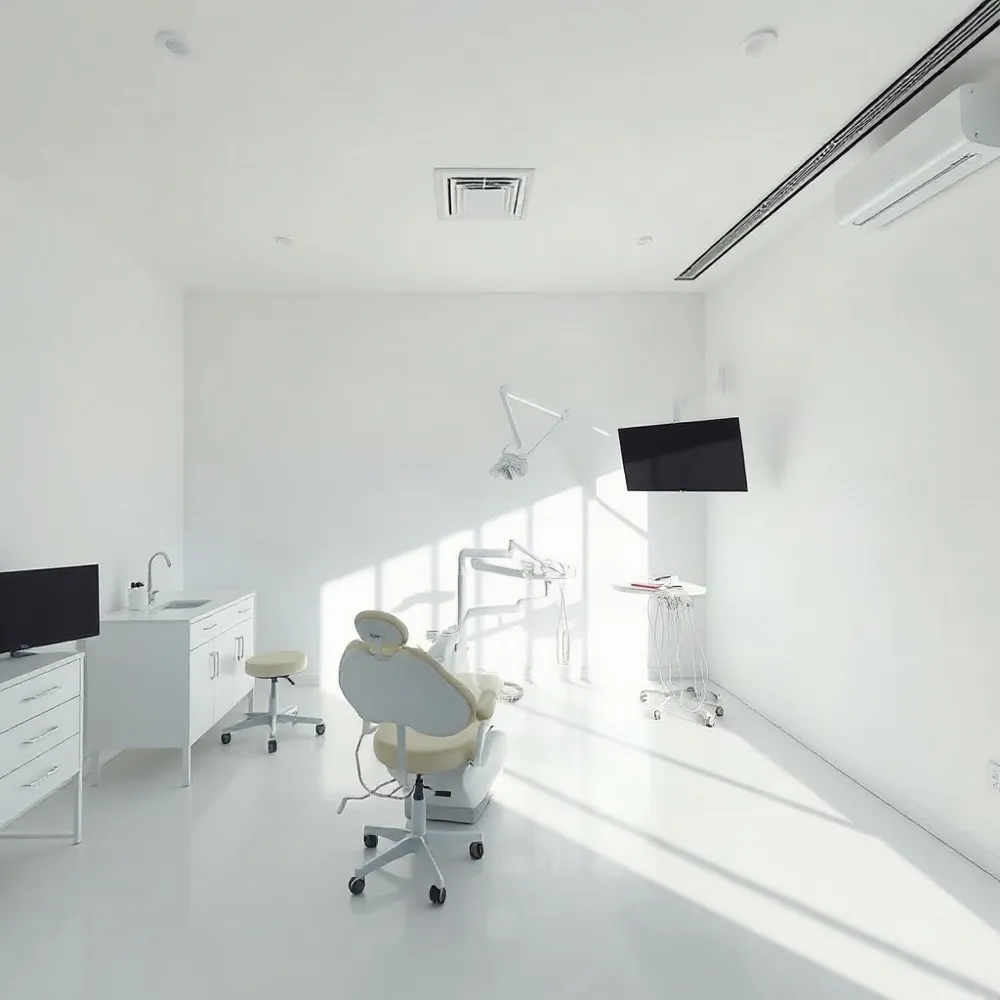
Welcome to a Comfortable First Dental Experience
Why the First Visit Matters
Your first visit to a new dental practice sets the foundation for your long-term oral health. It's a chance to build a relationship with the team who will guide your care. A positive, gentle experience can reduce dental anxiety and help you feel confident about future appointments. Studies show that between 50 percent and 80 percent of adults experience some level of dental anxiety, making a warm first visit essential for lifelong care.
How a Family-Run Practice Builds Trust
A family-run dental practice focuses on personalized, compassionate care. From the moment you arrive, the team aims to make you feel like part of the family. The front desk greets you by name with a warm smile. The dental team listens to your concerns and explains each step of the exam in plain language. This approach transforms a clinical appointment into a supportive partnership, building trust from the very first check-up.
What This Article Will Cover
This guide walks you through every part of your first dental visit. You'll learn what to bring, how to prepare, and what happens during the exam and cleaning. We'll also explain how our team ensures your comfort using modern technology and a patient-centered philosophy. By the end, you'll know exactly what to expect and how we make you feel right at home. The table below highlights the core areas of your visit.
| Visit Phase | What to Expect | Team Member Involved |
|---|---|---|
| Pre-Visit Preparation | Online forms, medication list, & questions | Patient & Front Desk |
| Arrival & Check-In | Warm greeting, paperwork, & scheduling | Front Desk & Patient Coordinator |
| Comprehensive Exam | Medical history review, oral cancer screening, & X-rays | Dentist & Hygienist |
| Professional Cleaning | Plaque removal, polishing, & home-care tips | Registered Dental Hygienist |
| Treatment Planning | Finding discussion & next steps | Dentist & Patient Coordinator |
Making the First Appointment – A Stress‑Free Start
Choosing the Right Practice for Your Dental Care Journey
Selecting the right dentist is the first step toward a positive experience. Begin by checking your insurance network or searching online for a family-friendly practice. Prioritize offices with professional websites that offer clear bios, services, and patient financing details. Recommendations from friends or online reviews can also guide you toward a practice known for compassionate, personalized care.
How Do I Make a Dentist Appointment for the First Time?
Once you’ve chosen a practice, scheduling your first appointment is simple. Most dental offices offer multiple booking options: call during business hours or use their online scheduling portal. When you call, expect a warm and friendly front-desk team who will ask if you’re a new patient. They will guide you through a simple process to schedule a comprehensive exam and cleaning.
Information to Provide on the Call and Online Booking
To ensure a smooth first visit, be ready to share essential details. You will typically need to provide your full name, contact information (phone number and email), insurance details, and the reason for your visit (often a general check‑up). This advance communication helps the practice prepare for your arrival, making you feel welcomed and organized from the very start.
Pre‑Visit Paperwork and Documents – A Seamless Start
After booking, many practices offer online forms you can complete at your convenience. These forms typically cover medical and dental history, insurance information, and consent agreements. Completing them before your visit reduces paperwork at the office. On appointment day, bring your photo ID, insurance card, and a list of all current medications, including prescriptions, vitamins, and supplements. Arriving 10–15 minutes early with these items ensures a relaxed check‑in. Quick organization sets the stage for a calm, stress‑free first appointment.
| Step | Action | What to Bring/Prepare |
|---|---|---|
| Finding a Dentist | Check insurance, online reviews, or ask for recommendations. | Look for a practice with a professional website, clear service lists, and patient testimonials. |
| Scheduling | Call the office or use their online booking system. | State you're a new patient; provide your name, contact info, insurance details, and reason for visit. |
| Pre‑Visit Paperwork | Complete digital forms sent via email or text. | Medical & dental history, insurance info, informed consent. |
| Appointment Day | Arrive 10–15 minutes early. | Photo ID, insurance card, a list of current medications. |
What to Expect After Years Without a Dental Visit
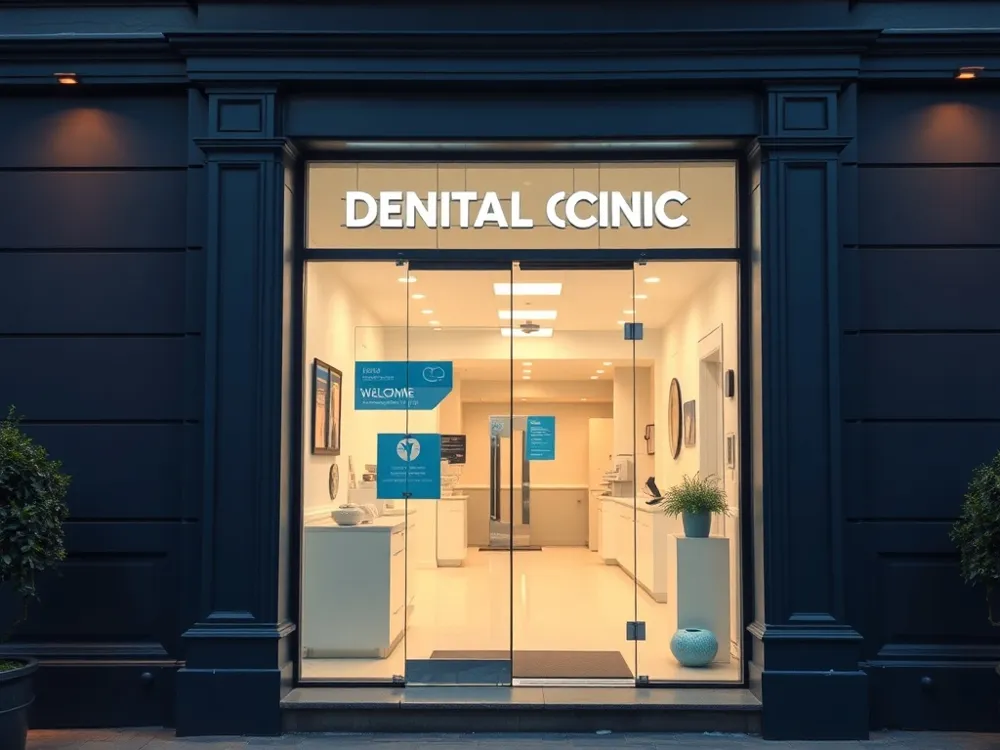 Returning for a dental check-up after a long interval is a courageous first step.
What happens during the first appointment?
The initial visit is designed to assess your oral health comprehensively and make you feel at ease. The process typically includes:
- Review of medical and dental history: The team will discuss any health changes, medications, and past dental experiences to ensure safe, personalized care. Share any anxieties about the visit so they can adjust their approach.
- Digital X‑rays: These low‑radiation images reveal hidden issues like decay between teeth, bone loss, or problems below the gum line, which are not visible during a visual exam.
- Comprehensive exam and cleaning: The dentist will check for cavities, gum disease, and oral cancer. A gentle cleaning removes built‑up plaque and tartar. If significant tartar is present, a deep cleaning (scaling and root planing) may be recommended.
Will the dentist recommend a treatment plan?
Yes. After the exam, the dentist will discuss findings and create a personalized plan. Recommendations may include:
| Concern | Typical Recommendation | What It Entails |
|---|---|---|
| Gum disease | Scaling and root planing | Deep cleaning of tooth roots to remove bacteria and smooth surfaces. |
| Cavities | Fillings or crowns | Restoring damaged tooth structure with durable materials. |
| Missing teeth | Implants, bridges, or partials | Options to replace teeth and restore function and appearance. |
What if I feel anxious about being judged?
Dental professionals are accustomed to seeing patients after long gaps. The focus is on understanding, respect, and encouraging you forward—without judgment. The goal is to celebrate your decision to return and help you build a healthier smile.
Step‑by‑Step Journey of Your First Dental Appointment
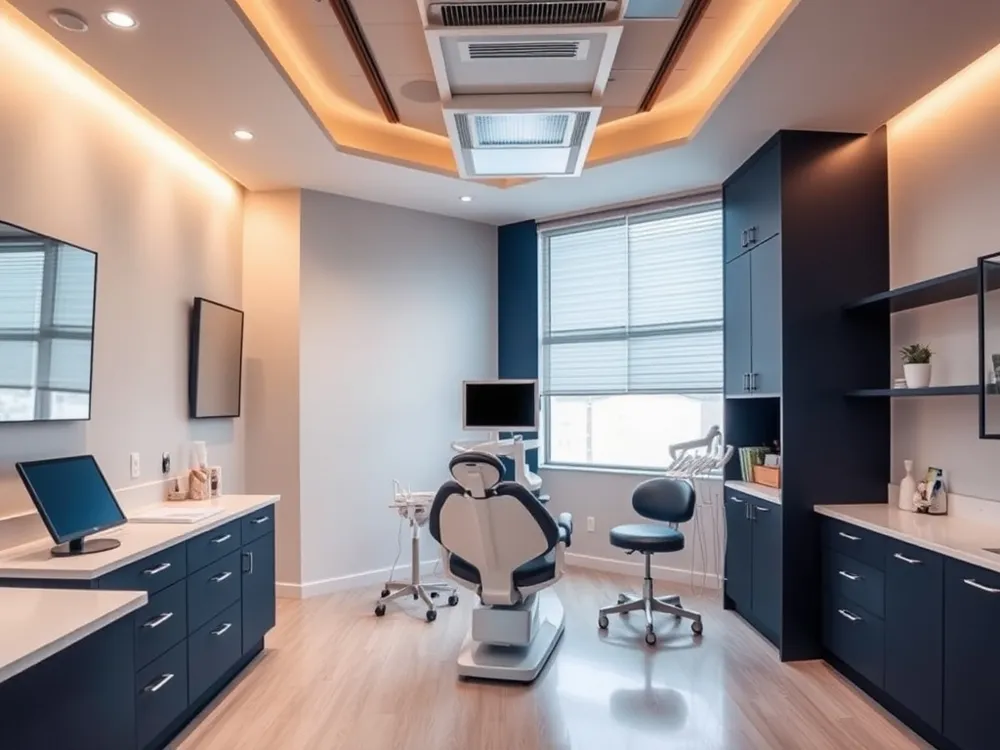
What happens at your first dental appointment?
Your first visit begins with a warm welcome at the front desk. You will be greeted by name and offered a beverage while the team reviews any forms you completed online. The staff will then collect or confirm your dental and medical history, including a list of current medications, allergies, and any specific oral health concerns you may have.
The next step often involves taking digital X‑rays. These modern films emit significantly less radiation than traditional ones and provide instant, detailed images that allow your dentist to detect hidden decay, bone loss, or other issues not visible to the naked eye.
Oral cancer screening and periodontal charting
Your dentist will then perform an annual oral cancer screening, examining your jaw, neck, tongue, and the inside of your mouth for any unusual lumps or spots. Following this, a periodontal probe is used to measure the depth of the pockets around each tooth, a process called periodontal charting. This checks for early signs of gum disease and establishes a baseline for your gum health.
Professional cleaning and fluoride treatment
Next, your dental hygienist will conduct a thorough professional cleaning. Using a combination of manual scalers and ultrasonic tools, they gently remove built‑up plaque and tartar above and below the gum line. After scaling, your teeth are polished with a flavored buffing paste and flossed. A fluoride treatment is then applied to strengthen your tooth enamel and help prevent future cavities.
| Exam Component | What Happens | Purpose |
|---|---|---|
| Medical & Dental History Review | You discuss past dental experiences, daily habits, current symptoms, and any medical conditions or medications. | Ensures safe, personalized care and identifies health factors affecting oral health. |
| Digital X‑rays | Bitewing or panoramic images are taken using low‑radiation digital sensors. | Reveals hidden cavities, bone loss, and impacted teeth that visual exams miss. |
| Oral Cancer Screening | The dentist feels for lumps on your lips, tongue, face, and neck, and visually inspects all oral tissues. | Detects early signs of oral cancer, which is recommended at least once a year. |
| Periodontal Charting | A probe measures the gum pocket depths around each tooth. | Monitors gum health and detects early gum disease (gingivitis or periodontitis). |
| Professional cleaning | The hygienist removes plaque and tartar with scalers, polishes teeth, and applies fluoride. | Prevents cavities and gum disease, leaving teeth smooth and fresh. |
Personalized treatment plan discussion
After the cleaning and exam, your dentist will review all findings with you, including the X‑rays and charting results. They will discuss any issues identified, such as cavities or gum inflammation, and present a clear, personalized treatment plan. The conversation will cover the immediate next step, expected timelines, and cost, all in a pressure‑free manner. Before you leave, the front desk team will help schedule any necessary follow‑up appointments and explain your insurance benefits and payment options.
How We Welcome New Patients – From Click to Checkout

Your Experience Begins Online: A Consistent and Welcoming Digital Presence
Your comfort starts the moment you search for a new dentist. Our practice maintains a consistent, professional, and mobile-friendly online presence across our website, Google My Business, and social media. This ensures you find accurate hours, contact information, and clear details about our services and team. An easy-to-navigate website and clear, consistent branding help reduce the uncertainty of finding a new dental home, making your first impression feel familiar and trustworthy.
Warm, Scripted Phone Greetings and Quick Scheduling
When you call, our trained front-desk team answers with a warm, professional greeting. We use a welcoming script to ask open-ended questions, listen attentively to your concerns, and quickly arrange your first appointment—often within a week. After scheduling, you'll receive a follow-up email or text that includes links to our new patient forms, directions, and information about the doctors, helping you feel prepared and valued before you even arrive.
A Welcoming Reception Area with Thoughtful Amenities
Your first steps into our practice are designed to reduce anxiety and make you feel at home. Our reception area is clean, comfortable, and free of clutter, with calming elements like soothing music, a drink station, and a kids' play area. A friendly staff member greets you by name, shows you around, and offers a warm welcome that extends to your entire family.
Personalized Welcome and Post-Visit Follow-Up
During your appointment, we take time to understand your chief oral‑health concern, respect your budget, and build a personal relationship. After your check-up, we provide a welcome packet with hygiene items and practice information, and we follow up with a personal message to thank you for your visit. We also encourage you to share your experience by leaving a review or referring your friends and family. These personalized touches help turn your first visit into the start of a long, trusting relationship.
| Stage | Action | How It Welcomes You |
|---|---|---|
| Online | Consistent, mobile-friendly website and local listings | Gives you confidence before you call |
| Phone Call | Warm, scripted greeting; quick scheduling within 7 days; emailed forms | Makes you feel heard and valued |
| Arrival | Clean, calm reception with drinks, kids' area, name greeting | Reduces anxiety and creates comfort |
| Appointment | Listen to your chief concern; build rapport; respect budget | Builds a personal, trusting relationship |
| Post-Visit | Welcome packet; thank-you message; review and referral invitations | Shows you are a valued part of our family |
The 50‑40‑30 Rule – Guiding Tooth Proportions for a Natural Smile
The 50‑40‑30 rule is a dental guideline for achieving balanced, natural-looking tooth proportions when restoring or reshaping the upper front teeth. It serves as a visual reference for creating a harmonious smile, particularly during procedures like crowns, veneers, and full smile makeovers.
What is the 50‑40‑30 rule in dentistry?
The rule applies in two primary ways. From a frontal view, the six upper front teeth should occupy a specific percentage of the visible space: the two central incisors should account for 50% of that space, the lateral incisors for 40%, and the canines for 30%. Alternatively, when considering the width-to-length ratio of each individual tooth, each central incisor should be about 50% as wide as it is long, each lateral incisor about 40%, and each canine about 30%.
How does it apply to crowns, veneers, and smile makeovers?
When planning a smile makeover, your dentist uses the 50‑40‑30 rule as a starting point to design the size and shape of new crowns or veneers. It helps ensure that the teeth progress naturally in size from the center of the smile outward, avoiding an unnatural or bulky appearance. However, the rule is a guideline, not a rigid requirement. Your dentist will also consider your unique facial features, smile line, and personal aesthetic goals to create a result that looks both beautiful and authentic to you.
Beyond Teeth – Screening, Pain Management, and Practice Economics
Can a Dentist Detect Lymphoma?
Yes. During a routine exam, dentists are trained to screen for oral cancer, which includes checking the head, neck, and mouth for swollen lymph nodes or suspicious lumps. Oral cavity lymphomas can appear as painless swelling, ulcerations, or loose teeth that might be mistaken for other dental problems. By identifying these signs early, a dentist can refer you for further medical evaluation. Early detection through a dental visit is critical and can improve treatment outcomes.
What is the 3-3-3 Rule for Dentists?
This rule offers a clear guideline for managing post-procedure discomfort. It involves taking 3 tablets of ibuprofen (200 mg each) every 3 hours, for a maximum of 3 days. The primary goal is to control inflammation, which is the main cause of most dental pain. Always follow your dentist's specific advice, as this rule is a general framework.
What is the 80-20 Rule in Dentistry?
This rule highlights a common business reality in dental practices. It states that approximately 80 percent of a practice's revenue comes from 20 percent of its patients. This segment of the patient base typically accepts higher-level treatment plans. Understanding this helps practices focus on building strong, long-term relationships with all patients while providing the best possible care.
| Screening Task | Description | Goal |
|---|---|---|
| Oral Cancer Exam | Palpation of neck, face, and oral tissues for lumps. | Early detection of cancerous or pre-cancerous conditions. |
| Ibuprofen Rule (3-3-3) | 3 tablets (200 mg each) every 3 hours for up to 3 days. | Control inflammation and associated post-treatment pain. |
| Revenue Rule (80-20) | 80% of practice revenue comes from 20% of patients. | Focus on patient relationships and comprehensive care. |
Your New Dental Home Awaits
A Foundation for Lifelong Oral Health
The first dental visit is designed to be a comfortable, comprehensive experience that sets the stage for a positive, long-term relationship. From a calming reception area and friendly staff who greet you by name, to a thorough exam using modern, low-radiation technology, every step is focused on your comfort and understanding. The team takes time to review your health history, listen to your concerns, and explain each part of the exam and cleaning in plain language, ensuring you feel informed and at ease. The result is a personalized treatment plan that respects your time, budget, and goals, all without pressure.
Begin Your Journey Today
Ready to experience the difference of a practice that feels like home? Schedule your first appointment today through our easy online booking system or by calling the office. We offer flexible hours to fit your busy life, and our team is eager to welcome you.
Stay Connected, Stay Confident
Your partnership with our practice extends beyond each visit. We encourage you to engage with us online through our social media channels, where you can find oral health tips, team introductions, and community news. We also value your feedback, so please share your experience with a review. We look forward to supporting you and your family’s smile for years to come.