Why Preparation Matters
A well‑planned dental visit saves time for both patient and provider, allowing the clinician to focus on clinical care rather than administrative hurdles. When you arrive with a clear agenda, insurance card, photo ID, medication list, and any recent records, the front‑desk staff can check you in quickly, and the dentist can immediately address the most pressing concerns. This efficiency reduces waiting periods, eases anxiety, and creates a more comfortable experience for families. Key elements of a successful first appointment include: (1) a completed health‑history questionnaire or the list of current medications and supplements; (2) verification of dental insurance and a valid photo ID; (3) recent dental records or X‑rays to avoid duplicate imaging; (4) a brief list of questions or symptoms you want to discuss; and (5) a trusted companion or note‑taker for those who need extra support. Together, these steps set the stage for a smooth, patient‑centered visit that builds trust and promotes ongoing oral‑health care.
Scheduling Your First Appointment
 When you’re ready to book your first dental visit, start by choosing a practice that matches your family’s needs—look for a local office that accepts your insurance, offers convenient payment options, and has a friendly, compassionate team. Dr. Anthony P. Parrella’s family‑run practice in Somerville, MA, for example, is a popular choice for its welcoming atmosphere and comprehensive care.
How to make a dentist appointment for the first time
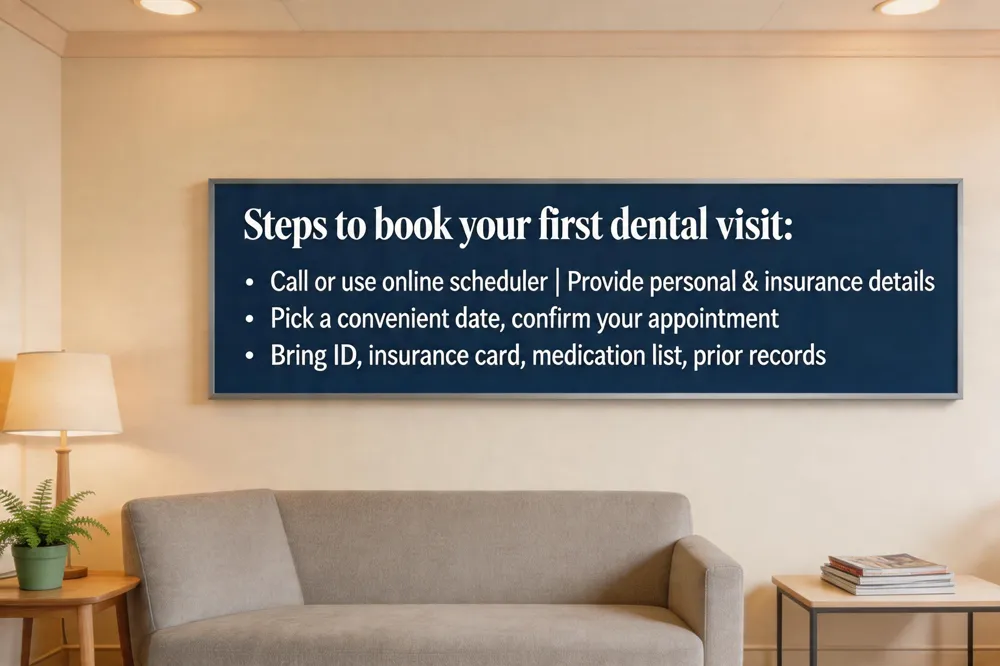
- Call the office or use the online “New Patient” scheduler. Introduce yourself, state that you’re a new patient, and give your name, birthdate, phone, email, and insurance details.
- Ask about available dates and pick a time that fits your schedule.
- Confirm the appointment, note any paperwork you can complete before you arrive, and ask whether you need to bring a photo ID, insurance card, and a list of current medications.
What to say when making a dentist appointment Begin with a friendly greeting: “Hello, I’m [Your Name] and I’d like to schedule my first appointment.” Explain the reason for the visit (routine cleaning, comprehensive exam, or a specific concern), provide the required personal and insurance information, and inquire about pre‑visit instructions. Thank the staff and let them know you’re looking forward to the visit.
By following these steps and arriving 10–15 minutes early with your ID, insurance card, list of current medications, and any prior dental records, you’ll set the stage for a smooth, stress‑free first appointment.
What to Bring to the Office
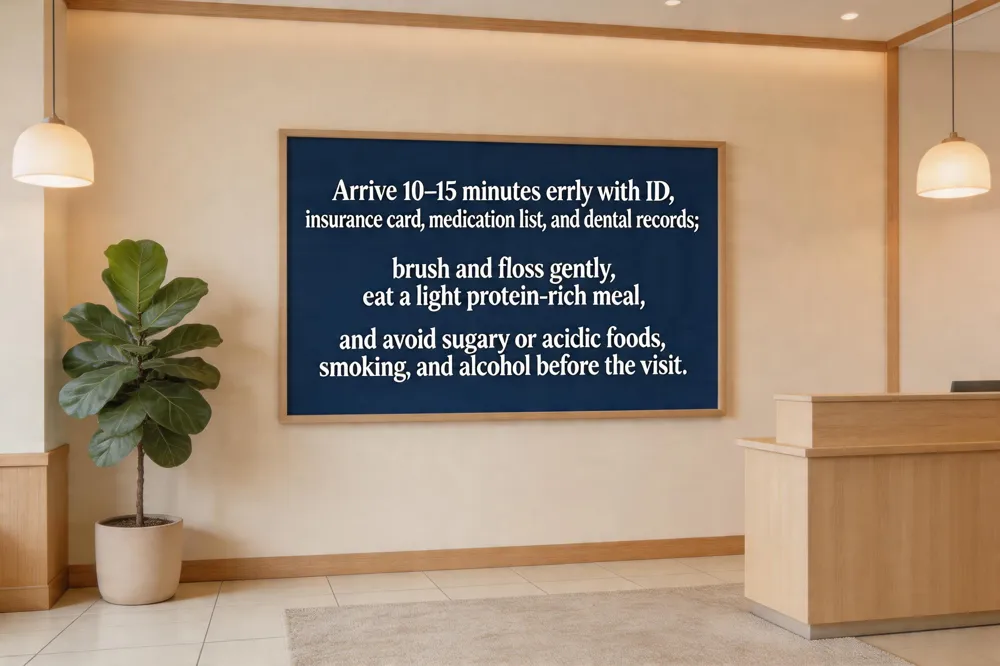 Do’s and don’ts: Arrive 10–15 minutes early to brush and floss gently before you go, and eat a light, protein‑rich meal. Be truthful about medications, illnesses, and anxiety, and write down any questions you want answered. Avoid heavy, sugary, or acidic foods, smoking, alcohol, and any strong‑smelling meals within 24 hours. Skip the visit if you’re sick to protect staff and other patients.
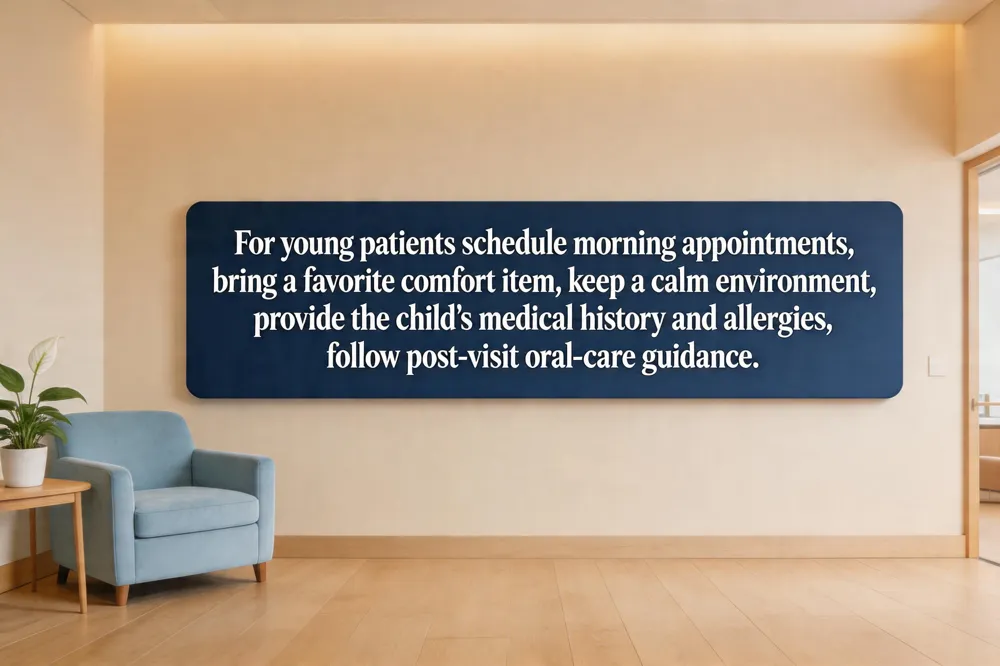
Comfort items for children: Bring a favorite stuffed animal, blanket, or small toy to ease separation anxiety. A brief story about the dentist and a morning appointment (when the child is alert) also help. Finally, parents should have a list of the child’s medical history, allergies, and a photo ID for verification.
Special Considerations for Children and Babies
 Answer to: What to expect at a first dentist appointment for a baby – At the first dental appointment, which should be scheduled Schedule first dental visit after first tooth erupts, no later than first birthday, the dentist will gently examine the mouth, checking tooth eruption, bite alignment, gum health, and any early signs of decay. You and your baby will be seated together, often on your lap, while the dentist looks for mouth injuries, cleans the teeth, and may apply a fluoride varnish if appropriate. A brief health‑history questionnaire will be completed, and the dentist will discuss feeding habits, thumb‑sucking or pacifier use, and give practical tips for daily oral care. Light snacks should be avoided before the visit, and the team will make the experience calm and positive, reassuring both parent and child. Finally, you’ll receive personalized advice on brushing, nutrition, and a schedule for future check‑ups to keep your baby’s smile healthy.
Comfort strategies for young patients – Parents should schedule morning appointments for young children when they are most alert and fresh, bring a favorite stuffed animal or blanket, and use positive language or storybooks about the dentist. Parents can stay in the room for reassurance, and the team may offer a calm environment with soft music or a distraction device. The child’s comfort reduces anxiety and builds trust.
Scheduling tips for families – Confirm your dental appointment 24 hours in advance and verify the office address and parking instructions, Arrive 10–15 minutes early to complete any paperwork, provide insurance information, and allow time for the dental staff to prepare the treatment room, and bring a photo ID, dental insurance card, and a list of medications. Plan a light meal and brushing before the visit, and avoid sugary snacks beforehand. Follow‑up appointments are usually set for six‑month intervals, with more frequent visits if needed for development.
Understanding the Appointment Flow
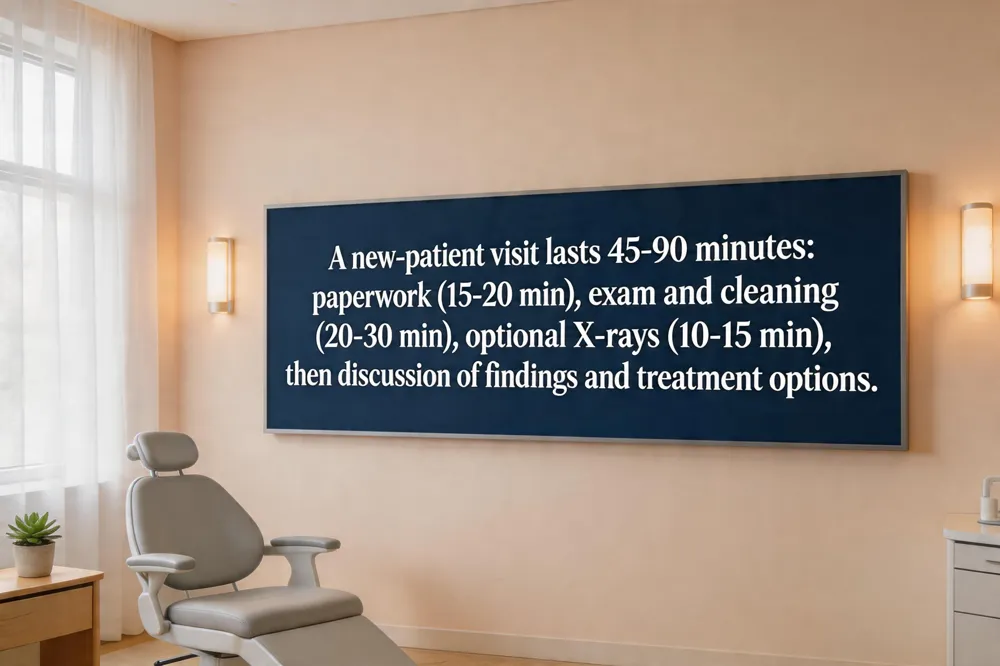 Typical timeline for a new‑patient visit – A new‑patient appointment usually lasts 45‑60 minutes. The first 15‑20 minutes are for medical and dental history paperwork, followed by a comprehensive exam and cleaning (20‑30 minutes). If X‑rays are required add 10‑15 minutes, bringing the total to about 60‑90 minutes. The remainder is used to discuss findings, treatment options, and answer questions. Planning for roughly an hour with a small buffer ensures enough time for the full visit.
What changes after a long gap in dental care – After a ten‑year gap the dentist will take a detailed medical‑history review and likely order a full set of diagnostic X‑rays to detect hidden decay or bone loss. A professional cleaning will remove accumulated plaque and tartar, and the hygienist may perform a periodontal probe assessment, possibly recommending a deep cleaning. The treatment plan will address new decay, gum disease, or wear, and may include preventive services such as fluoride or sealants. Follow‑up appointments are scheduled more frequently at first to re‑establish a regular oral‑health routine.
Additional Tips & Frequently Asked Questions
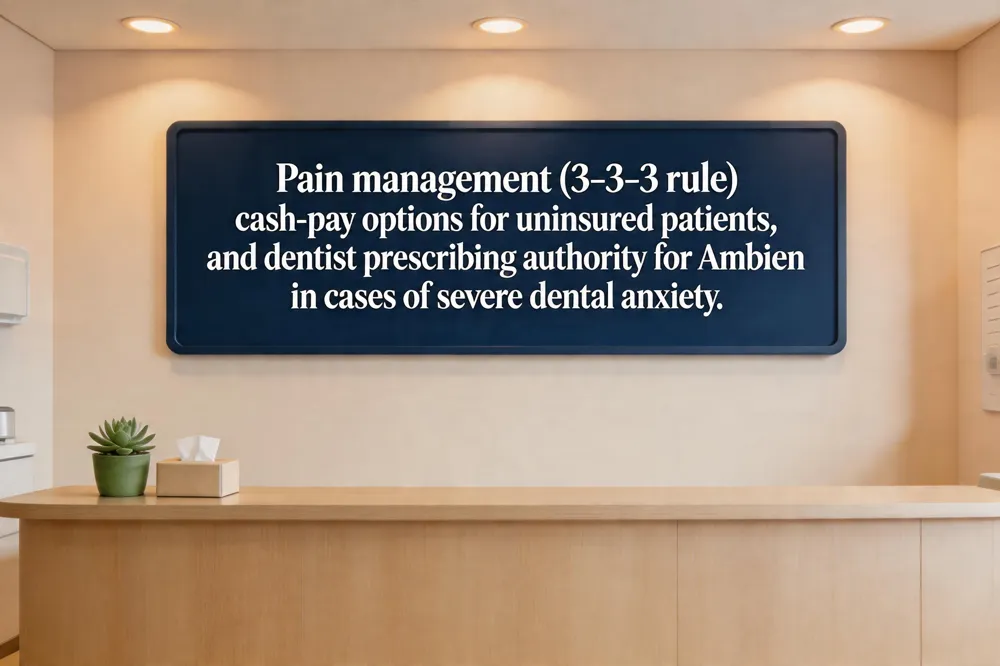 When managing tooth pain before you can see a dentist, many patients rely on the 3‑3‑3 rule. Take three 200‑mg ibuprofen tablets every three hours, but no longer than three days, and seek professional care if pain lasts beyond three days, scores three out of ten, or recurs three or more times. This short‑term approach eases inflammation while you arrange an appointment.
If you lack dental insurance, call the office directly to ask about cash‑pay rates, discount programs, or financing options. Many practices list affordable cash‑pay fees online, and community clinics often offer low‑cost services or membership plans that reduce routine‑care costs. Confirm any deposits or total fees before you arrive so you can budget confidently.
Regarding prescription authority, dentists can prescribe Ambien (zolpidem) when it is clinically appropriate—for example, to manage severe dental anxiety or to aid sleep before a procedure. This falls under the dentist’s Schedule IV prescribing rights, but it is used sparingly, after a thorough medical review, and with clear dosing instructions.
These tips help families stay prepared, reduce anxiety, and keep oral health on track even when challenges arise.
Your Checklist in a Nutshell
Before you walk into the dental office, gather a photo ID, your dental insurance card, and a complete list of current medications (including dosages) and any recent dental records or X‑rays. Arrive 10–15 minutes early to finish paperwork and confirm your appointment time. After the first visit, schedule your next routine cleaning (usually every six months), note any recommended treatments or preventive measures, and follow up on any questions you wrote down during the exam. Keep a copy of the treatment plan and post‑visit instructions, and set reminders for future appointments to maintain your family’s oral health.