Introduction to Maintaining a Healthy Smile at Home
Importance of Daily Oral Hygiene Routines
Good oral hygiene is the foundation for a healthy smile and overall well-being. Brushing your teeth twice daily with fluoride toothpaste and flossing once every day remove plaque and prevent tooth decay and gum disease. These simple habits keep harmful bacteria under control and protect your teeth and gums.
Overview of Effective At-Home Dental Care Practices
Effective at-home care includes using a soft-bristled toothbrush with fluoride toothpaste for at least two minutes each time. Daily flossing cleans areas between teeth unreachable by brushing. Incorporating an alcohol-free fluoride mouthwash can reduce bacteria and further strengthen enamel. Drinking fluoridated water and limiting sugary or acidic foods also help maintain oral health.
Connection Between Oral Health and Overall Well-Being
Oral health is more than a beautiful smile; it impacts your overall health. Poor oral hygiene allows bacteria to enter the bloodstream, increasing risks of heart disease, diabetes, and other systemic conditions. Regular dental checkups, combined with diligent home care, protect your teeth and support your general health.
Oral Hygiene Key Facts
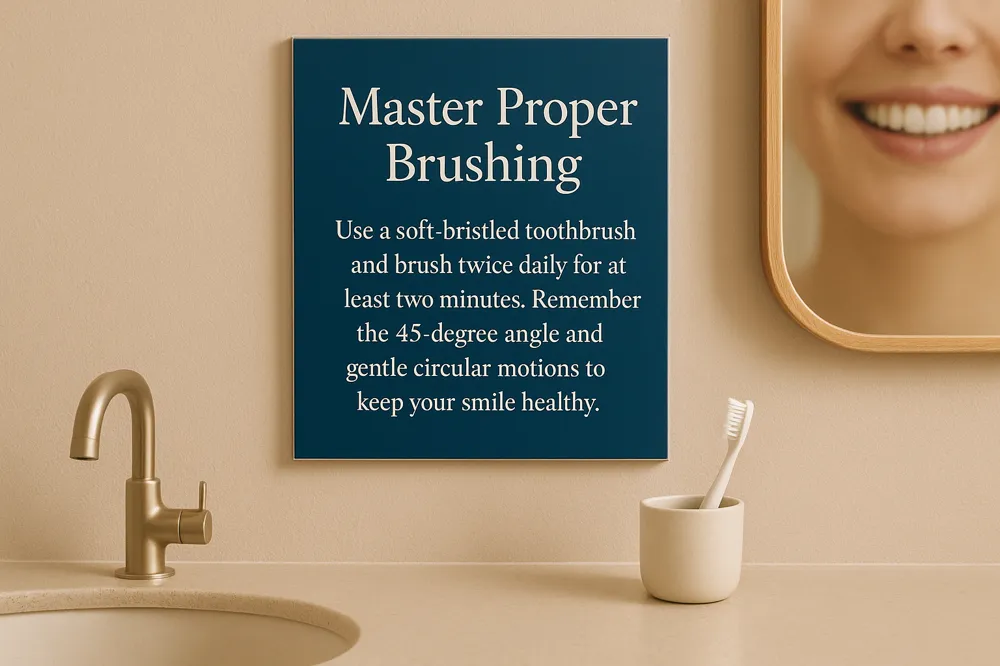
- Use a soft-bristled toothbrush and brush twice daily for at least two minutes at a 45-degree angle with gentle circular motions.
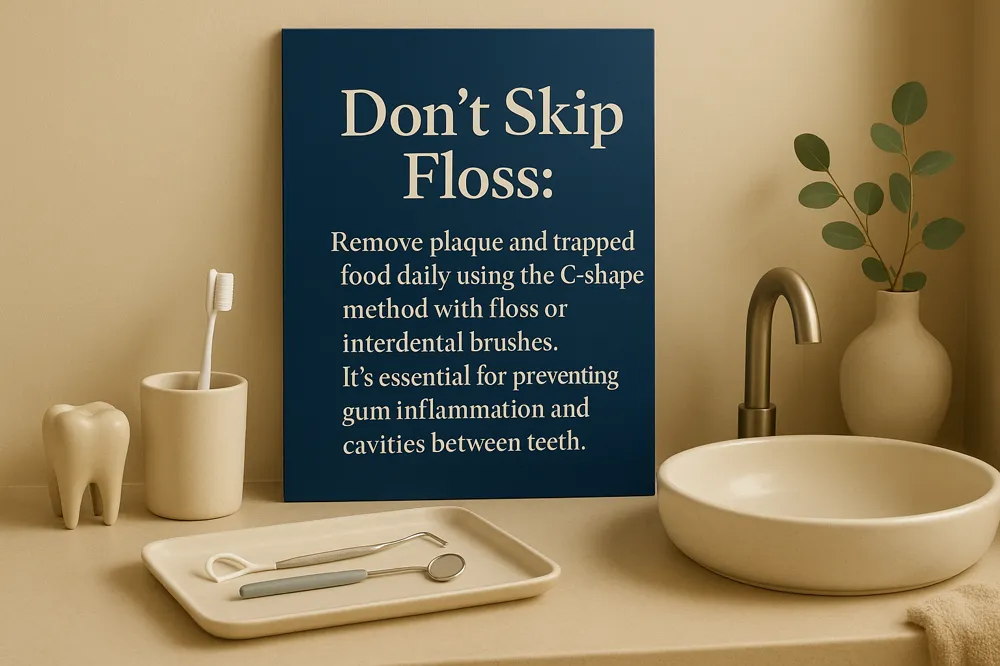
- Floss daily using the C-shape method to effectively remove plaque and food debris from between teeth and beneath the gumline.
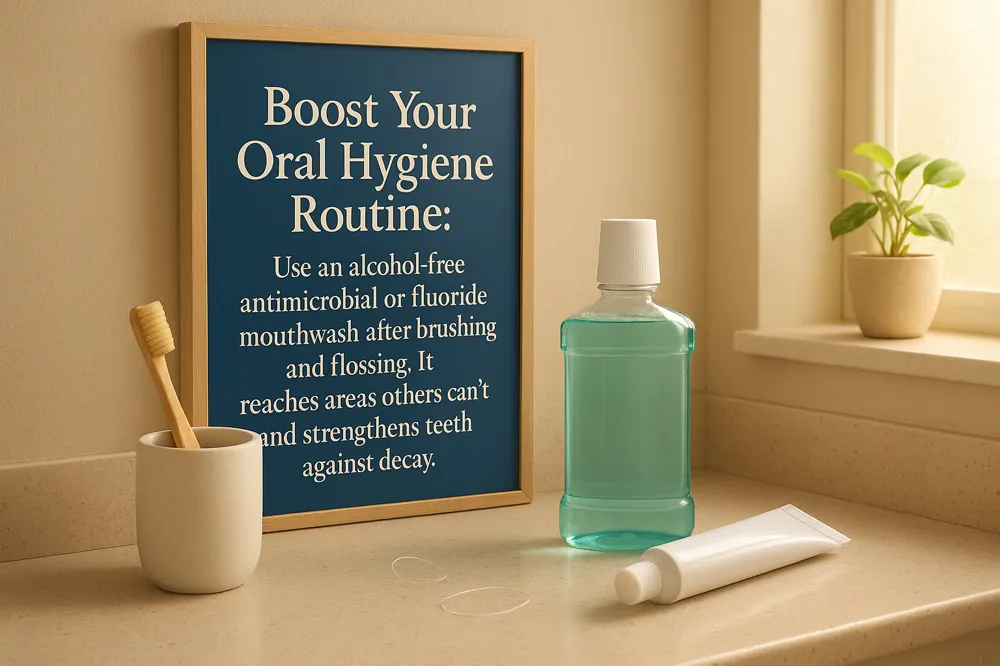
- Choose alcohol-free mouthwash with antimicrobial and fluoride properties, used after brushing and flossing for 30 seconds to 1 minute.
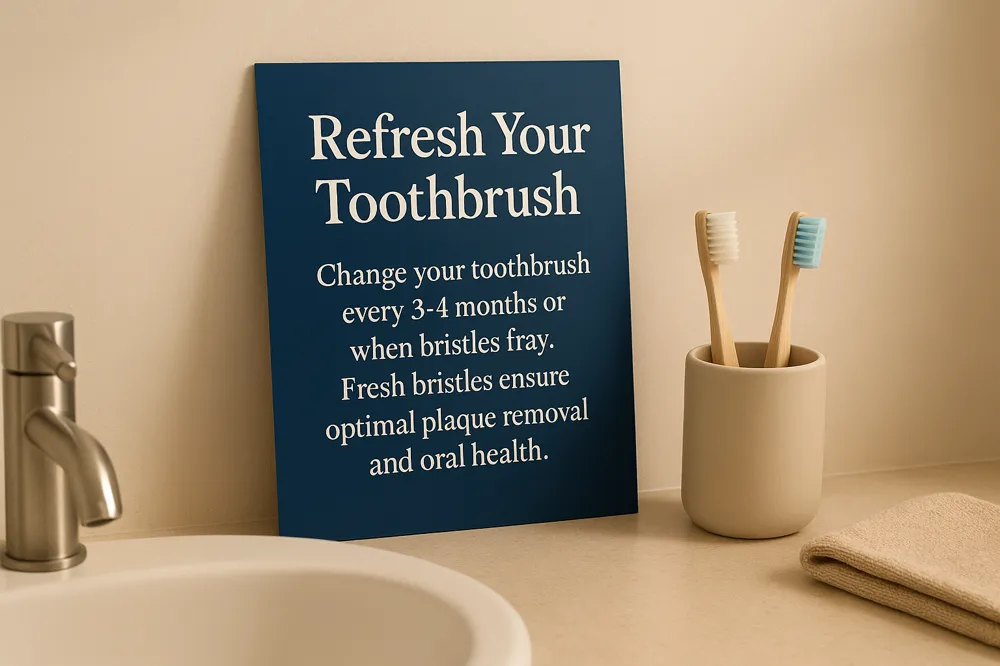
- Replace your toothbrush every 3-4 months or when bristles become frayed or worn out to maintain effective cleaning.
- Limit sugary and acidic foods, rinse with water afterwards to neutralize acids and prevent enamel erosion.
- Stay hydrated with fluoridated water to promote saliva production, which neutralizes acids and aids in repair.
- Avoid tobacco products to reduce the risk of gum disease, oral cancer, and tooth discoloration.
- Wear mouthguards during sports to prevent dental injuries and use night guards for teeth grinding to avoid enamel wear.
- Maintain a balanced diet rich in calcium, vitamin D, and phosphorus to strengthen enamel and support gum health.
- Schedule regular dental checkups every six months for professional cleaning, early detection of issues, and personalized advice.
1. Brush Twice Daily with the Right Technique and Tools
Why Use a Soft-Bristled Toothbrush?
A soft-bristled toothbrush is recommended because it effectively cleans teeth without damaging gums or enamel. Hard bristles can cause irritation and wear down the protective tooth surface over time.
How Long Should You Brush Your Teeth?
Brushing for at least two minutes each time ensures thorough removal of plaque and bacteria from all tooth surfaces. Many dental professionals recommend playing a two-minute timer or a favorite song to keep track.
Why Apply Fluoride Toothpaste?
Fluoride toothpaste benefits strengthens tooth enamel and helps reverse early signs of decay. It protects against cavities by making the teeth more resistant to acid attacks from plaque bacteria and sugary foods.
What Is the Proper Brushing Angle and Motion?
Hold your toothbrush at a 45-degree angle toward the gumline. Use gentle, circular motions to clean both teeth and gums without causing damage. Ensure you cover all tooth surfaces: outer, inner, and chewing surfaces.
Using these techniques consistently twice a day builds a solid foundation for healthy teeth and gums, reducing the risk of cavities and gum disease over time.
2. Floss Daily to Remove Plaque and Prevent Gum Disease
Why Is Flossing Daily Benefits Important?
Flossing daily is essential for removing plaque and trapped food particles from areas between teeth where toothbrushes can't reach. This prevents plaque buildup, which causes gum inflammation and increases the risk of cavities and gum disease.
How To Floss Properly Using the C-Shape Method
Use about 18 inches of floss, winding it around your middle fingers. Gently slide the floss between two teeth, curve it into a Flossing with a C shape against one tooth, and carefully slide it beneath the gumline. Repeat this on all teeth, using a clean section of floss each time.
What Are Alternatives to Traditional Floss?
Using floss picks and interdental brushes can be effective for those who find traditional flossing difficult. These tools are designed to reach between teeth easily, providing plaque removal and helping maintain healthy gums.
What Are the Benefits of Removing Plaque Between Teeth?
Removing plaque daily reduces gum inflammation, bleaching and bad breath. It also protects against periodontal disease and tooth decay, preserving your smile and overall oral health.
3. Use Mouthwash to Complement Brushing and Flossing
Selecting Alcohol-Free Antimicrobial or Fluoride Mouthwash
Choose a mouthwash that is alcohol-free mouthwash advantages to avoid drying out the mouth, which can reduce saliva flow and increase the risk of oral infections. Look for mouthwashes containing mouthwash with antimicrobial properties or fluoride to help kill bacteria, reduce plaque, prevent cavities, and strengthen tooth enamel.
How Mouthwash Reduces Bacteria and Freshens Breath
Mouthwash works by reaching areas that brushing and flossing might miss, killing harmful bacteria that cause plaque buildup, gum disease, and bad breath. Using fluoride mouthwash can also provide extra protection against tooth decay by reinforcing enamel.
When and How to Use Mouthwash Effectively
Use mouthwash after brushing teeth twice daily for about 30 seconds to one minute. Swish it thoroughly around your mouth and avoid rinsing with water afterward to allow fluoride to have lasting benefits. Mouthwash should be part of your oral hygiene best practices, especially if recommended by your dentist.
Mouthwash as an Adjunct, Not a Replacement
While mouthwash supports oral health, it should never replace Brushing twice a day and Daily flossing. It is an important addition that helps enhance cleanliness and freshness but does not remove food debris or plaque as effectively as brushing and flossing do.
4. Replace Your Toothbrush Regularly to Maintain Cleaning Efficiency
How Often Should You Replace Your Toothbrush?
Dental professionals recommend changing your Replacing toothbrush every 3-4 months. This helps ensure the bristles remain effective for cleaning.
Why Fresh Bristles Matter
Worn-out or frayed bristles reduce the toothbrush’s ability to remove plaque and food debris, which can compromise your oral hygiene and increase risks for cavities and gum disease.
Signs It's Time for a New Toothbrush
Look for visible wear such as splayed or frayed bristles, or if you’ve been sick recently, replacing your brush can reduce bacterial buildup.
Considerations for Powered Toothbrushes
Powered toothbrushes can be especially helpful for individuals with dexterity issues or special needs. Their replacement heads should also be changed at the same 3-4 month interval to maintain cleaning efficiency.
5. Limit Sugary and Acidic Foods to Protect Your Enamel

Effects of Sugar and Acid on Enamel Erosion
Sugary and acidic foods contribute to enamel erosion by creating an environment where harmful bacteria thrive. These bacteria feed on sugars and produce acids that wear down the protective enamel layer of your teeth. Over time, enamel loss can lead to tooth sensitivity, decay, and cavities.
How Diet Influences Bacterial Growth and Cavities
A diet high in sugar encourages the growth of cavity-causing bacteria. When these bacteria metabolize sugar, they generate acids that attack the tooth surface. Limiting sugar intake helps reduce acid production, lowering the risk of cavities and gum disease.
Avoiding Frequent Snacking on Sugary or Acidic Foods
Constant snacking on sugary or acidic foods keeps your teeth under repeated acid attacks, giving enamel little time to recover. To protect your teeth, try to reduce how often you consume these foods and instead stick to regular, balanced meals.
Rinsing with Water After Consuming Sugary or Acidic Foods
If you do indulge in acidic or sugary foods, rinsing your mouth with water afterward can help wash away food particles and neutralize acids. Drinking fluoridated water also supports enamel strength and overall oral health.
Maintaining a diet mindful of these factors plays a crucial role in preserving enamel and promoting long-term dental health.
6. Stay Hydrated by Drinking Plenty of Fluoridated Water
How does water help in maintaining oral health?
Water plays a crucial role in oral hygiene tips by rinsing away food particles and bacteria that accumulate in the mouth after eating. This natural cleansing action reduces the buildup of plaque, which can lead to cavities and gum disease.
Why is saliva important, and how does hydration support it?
Saliva helps maintain mouth moisture and balances acidity in the oral cavity. Staying well-hydrated ensures adequate saliva production, which protects the teeth by neutralizing harmful acids and aids in the natural repair of early tooth decay.
What are the benefits of drinking fluoridated water?
Fluoridated tap water strengthens tooth enamel, making teeth more resistant to decay. It provides ongoing, low-level fluoride exposure that helps prevent cavities across all age groups.
How does hydration specifically reduce the risk of dry mouth?
Drinking enough water keeps the mouth moist, preventing dry mouth—a condition that increases vulnerability to tooth decay and infections by reducing saliva's protective effects.
Maintaining good hydration with fluoridated water supports both oral health and overall health, making it an essential daily habit for a healthy smile.
7. Avoid Tobacco Products to Preserve Gum and Overall Oral Health
Why Should You Avoid Tobacco for Oral Health?
Tobacco use, including smoking and smokeless forms, significantly increases the risk of gum disease, which affects nearly half of adults over 30 and is a major cause of tooth loss. It also heightens the chance of developing oral cancers, a serious and sometimes fatal condition.
How Does Tobacco Affect the Appearance and Smell of Your Mouth?
Tobacco contributes to tooth discoloration and persistent bad breath. These effects result not only from the staining properties of tobacco but from its promotion of bacteria that cause bad odors and damage to oral tissues.
What Are the Long-term Oral Health Consequences of Tobacco Use?
Long-term tobacco use devastates oral health by damaging gums, eroding enamel, and increasing the buildup of tartar. These changes make treatment harder and often lead to costly and invasive dental procedures.
How Can Quitting Tobacco Improve Your Oral Health?
Ceasing tobacco use can dramatically reduce gum inflammation, improve breath, and lower the risk for oral cancer. Encouraging tobacco cessation offers one of the most effective ways to preserve a healthy smile and protect overall well-being.
8. Wear Mouthguards to Protect Your Teeth During Sports and Grinding
Why Are Mouthguards for Sports Important for Contact Sports?
Wearing a mouthguard during contact sports is essential to protect teeth from injury. It helps absorb the impact, preventing chips, fractures, or even tooth loss.
How Do Mouthguards Prevent Dental Injury and Enamel Damage?
Mouthguards cushion the teeth and jaw, reducing the force during collisions or falls. This protection preserves the enamel, which can't repair itself once damaged.
What Is the Role of Night Guards for Teeth Grinding?
For those who grind their teeth at night (a condition called bruxism), nighttime mouthguards shield teeth from wear. This prevents cracks, sensitivity, and jaw pain.
What Are the Risks of Not Wearing Protection?
Without a mouthguard, dental injuries can lead to costly treatments like crowns or implants. Long-term damage may include worn enamel, tooth loss, and TMJ disorders.
Using a properly fitted mouthguard is a simple, effective way to maintain dental health and prevent injuries during sports or teeth grinding.
9. Maintain a Balanced Diet Rich in Teeth-Strengthening Nutrients
Why Are Nutrients Like Calcium, Vitamin D, and Phosphorus Important?
Calcium builds strong tooth enamel and bones, while vitamin D helps the body absorb calcium effectively. Phosphorus also supports enamel repair and overall dental structure. For more information, see Dental tips for a healthy smile during quarantine.
Which Foods Strengthen Teeth and Gums?
Incorporate dairy products like cheese and milk, leafy green vegetables such as spinach, and crunchy fruits and vegetables like apples and carrots. These foods provide essential minerals and stimulate saliva production. Learn about Balanced diet for healthy teeth and Oral Health Tips from Dentist Thibodaux Dr. Marcello.
How Does a Balanced Diet Support Oral Health?
A nutrient-rich diet strengthens enamel, maintaining its resistance against decay. It also supports healthy gums and reduces inflammation, lowering the risk of gum disease. Check more details on Oral health and overall health and Oral Health Tips for Adults.
Can Diet Reduce the Risk of Dental Decay?
Yes, diets with sufficient calcium, vitamin D, and phosphorus combined with limited sugary and acidic foods help prevent enamel erosion and cavities, promoting overall oral health. For additional guidance, see Top 10 Teeth Care Tips at Home and Brushing teeth twice daily.
10. Schedule Regular Dental Visits for Professional Care and Early Detection
Importance of Routine Dental Checkups Every Six Months
Regular dental visits, ideally every six months, are crucial for maintaining optimal oral health. These checkups help catch dental issues early, often before symptoms appear, allowing for timely and less invasive treatment.
Professional Cleanings to Remove Tartar and Plaque
During these visits, dental professionals perform professional dental cleaning procedures that remove tartar and plaque buildup that cannot be eliminated through regular brushing and flossing alone. This helps prevent gum disease, cavities, and other oral health problems.
Early Detection and Management of Oral Health Conditions
Regular exams enable early identification of conditions such as cavities, gum disease, oral cancer, and other issues. Early management can prevent progression to more serious complications and preserve your natural teeth.
Personalized Dental Advice Based on Individual Needs
Dentists provide tailored recommendations based on your oral health status, lifestyle, and any specific risks you may face. This personalized approach helps optimize your daily care routine and supports long-term oral wellness.
Conclusion: Commit to These Expert Tips for a Lifelong Healthy Smile
Maintaining a healthy smile starts with simple yet effective daily habits. Brush your teeth twice daily for two minutes using a soft-bristled toothbrush and fluoride toothpaste. Don't forget to floss daily to clean between teeth where brushes can't reach. Using an alcohol-free, fluoride mouthwash can provide an added layer of protection.
Eating a balanced diet low in sugary and acidic foods, drinking plenty of fluoridated water, and avoiding tobacco products further support your oral health. These habits not only help prevent cavities and gum disease but also promote fresher breath and a brighter smile.
Consistent dental hygiene relates closely to overall wellness, reducing risks of heart disease, diabetes, and other systemic conditions. Visit your dentist at least twice a year for professional cleanings and personalized advice tailored to your needs.
By embracing these expert-recommended dental care routines and partnering with your dental professional, you set the foundation for a healthy smile that supports lifelong well-being.