Why Consistent Care Matters
Daily habits such as brushing twice a day with a soft‑bristled,‑fluoride toothpaste, flossing, and using an alcohol‑free mouthwash directly control plaque, prevent cavities, and keep gums healthy. These simple actions also reduce the bacterial load that can contribute to systemic inflammation, linking good oral hygiene to lower risks of heart disease, diabetes, and stroke. Professional guidance—regular check‑ups, cleanings, and personalized advice—helps patients fine‑tune their routine, catch early signs of decay or gum disease, and receive safe whitening or fluoride treatments. Together, consistent home care and dentist‑supported monitoring create a foundation for a bright, healthy smile and overall wellbeing.
Natural Whitening at Home
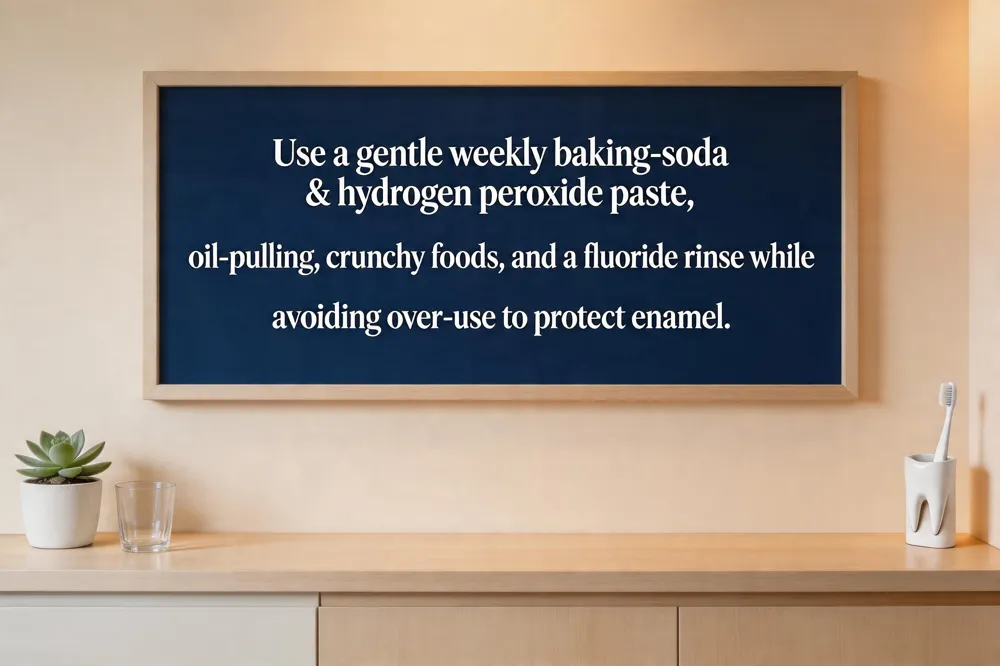 Keeping your smile bright at home is possible without harsh chemicals. Start with diligent oral hygiene: brush twice daily for two minutes with an ADA‑approved fluoride toothpaste and floss every day to eliminate plaque that hides stains. Safe home‑whitening methods include a gentle weekly paste of baking soda mixed with a few drops of hydrogen peroxide (1‑3 %) or a short‑term rinse; use this no more than once or twice a week to avoid enamel wear. Oil‑pulling with coconut oil for five to ten minutes a few times weekly can lower bacterial load, though it should never replace brushing. Dietary choices that aid brightness are crunchy, fibrous foods—apples, carrots, celery—that act like natural toothbrushes, and dairy such as cheese and yogurt that supply calcium to strengthen enamel. Limit acidic drinks and stain‑causing foods, and always finish with a fluoride rinse. Schedule regular dental check‑ups to monitor health and ensure results remain safe.
Optimizing Your Daily Oral Hygiene Routine
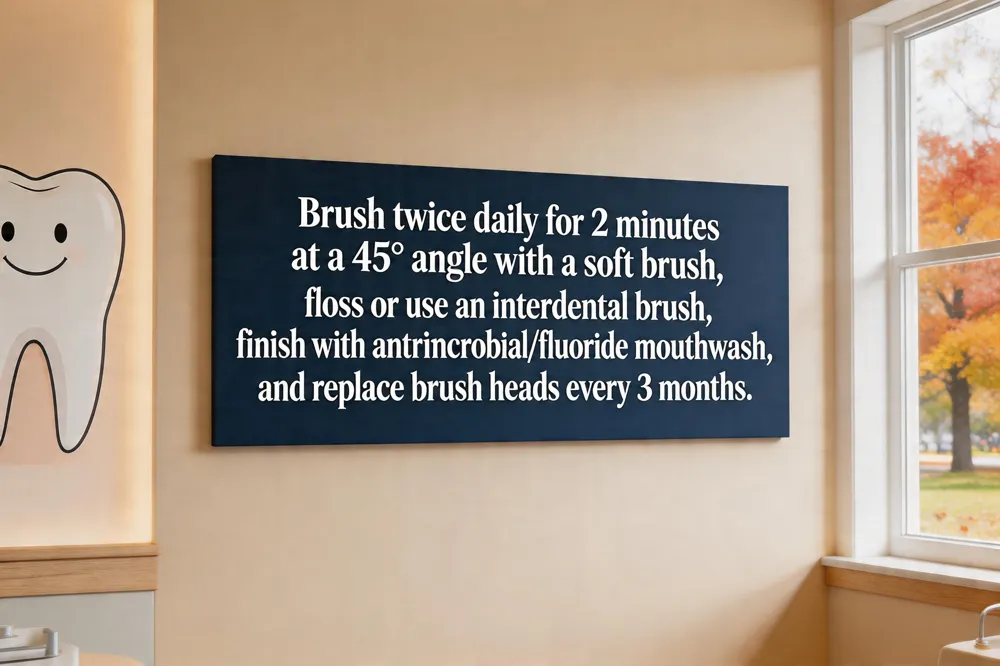 A solid oral‑care routine starts with a quick rinse of water or an alcohol‑free therapeutic mouthwash to loosen debris. Next, floss or use an interdental brush to clear plaque from between teeth and below the gum line. Then brush with a soft‑bristled (electric or manual) toothbrush and a fluoride toothpaste for a full two minutes, holding the bristles at a 45‑degree angle and using gentle circular motions to protect gums and enamel. Finish by scraping the tongue and, if desired, a fluoride mouthwash for extra protection.
To dramatically improve hygiene, brush twice daily for at least two minutes, floss every night, replace the brush head every three months, and limit sugary or acidic foods. Periodically use disclosing tablets to verify clean surfaces.
The best products include a soft‑bristled electric brush, ADA‑approved fluoride toothpaste, dental floss or a water flosser, an antimicrobial or fluoride mouthwash, and a tongue scraper.
Oral hygiene can be categorized into mechanical (brushing, flossing), chemical (mouthrinses, fluoride gels), and adjunctive (water flossers, tongue cleaners) methods, each supporting overall oral health.
Essential Home Care Without Dental Visits
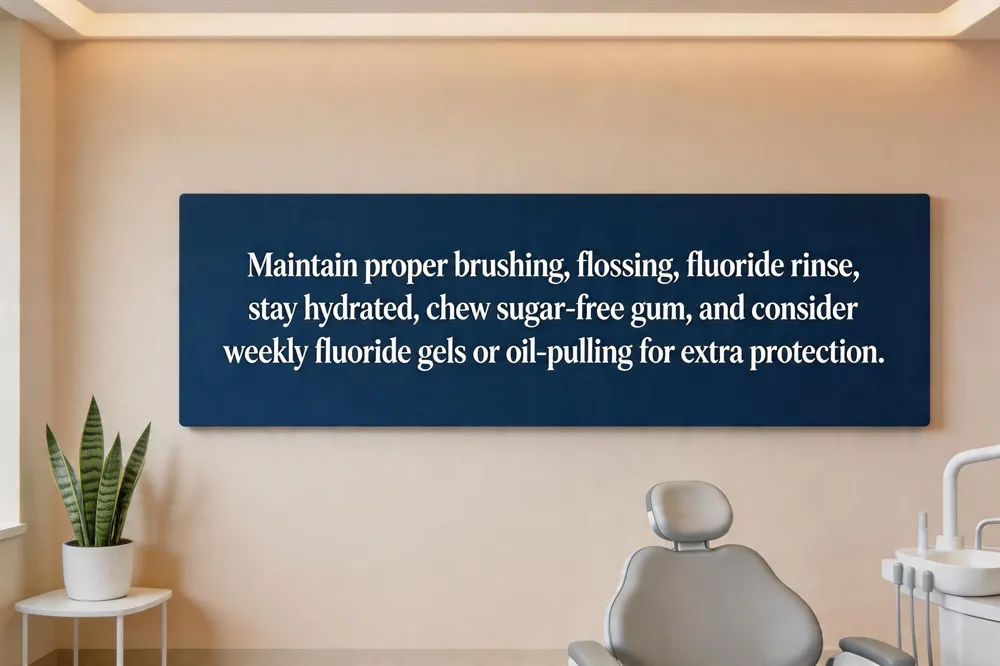 StrongSelf‑care basics – Brush twice daily for at least two minutes with a soft‑bristled brush at a 45‑degree angle, using gentle circular motions and fluoride toothpaste. Floss (or use a water flosser) once a day to remove plaque between teeth and below the gum line. rinse with an alcohol‑free, fluoride‑containing mouthwash to lower bacterial load and strengthen enamel.
Dietary and hydration tips – Choose crunchy fruits and vegetables (apples, carrots, celery) that naturally scrub teeth and stimulate saliva. Stay well‑hydrated with water throughout the day to rinse away debris, neutralize acids, and support remineralization. Limit sugary, starchy, and acidic foods and drinks; when you do indulge, rinse with water or use a straw to reduce contact with teeth.
Supplemental home treatments – Consider weekly at‑home fluoride gels or over‑the‑counter fluoride rinses for extra protection. Chewing sugar‑free gum after meals boosts saliva flow, helping to buffer acids. If you prefer, oil‑pulling with coconut or sesame oil for 10–15 minutes can support gum health, though it should not replace brushing.
How to take care of your teeth without going to the dentist – Follow the diligent routine above, limit staining agents, stay hydrated, and incorporate fluoride supplements. Even with excellent home care, schedule professional cleanings at least twice a year to catch early problems.
5 ways to take care of your teeth – 1) Brush twice a day with proper technique; 2) Clean between teeth daily; 3) Rinse with antimicrobial or fluoride mouthwash; 4) Eat a balanced, low‑sugar diet rich in calcium and crunchy produce; 5) Visit Dr. Parrella for bi‑annual check‑ups.
10 ways to keep your teeth healthy – Brush for two minutes, replace your brush every 3‑4 months, floss daily, use mouthwash, drink fluoridated water, avoid tobacco, wear a night guard if you grind, chew sugar‑free gum, limit acidic drinks, and see your dentist twice a year.
Managing Tooth Pain and Common Concerns
 Pain relief strategies start with over‑the‑counter ibuprofen (600 mg total) taken every three hours for no more than three days, while avoiding extreme temperatures on the affected tooth. This short‑term approach eases mild to moderate discomfort until you can see your dentist.
The 3‑3‑3 rule has two meanings. In pain management it means three 200‑mg ibuprofen tablets every three hours for three days. In oral‑health hygiene it advises brushing three times a day for three minutes each session and waiting three hours before bedtime before eating or drinking, promoting consistent plaque removal.
Gingivitis is not spread by casual kissing, but sharing saliva can transmit the bacteria that cause gum disease, so treating the condition and maintaining good hygiene is essential.
Polishing after a cleaning is not mandatory; it is performed only when stains or rough surfaces need removal, according to the American Dental Hygienists' Association.
Professional Care and Long‑Term Benefits
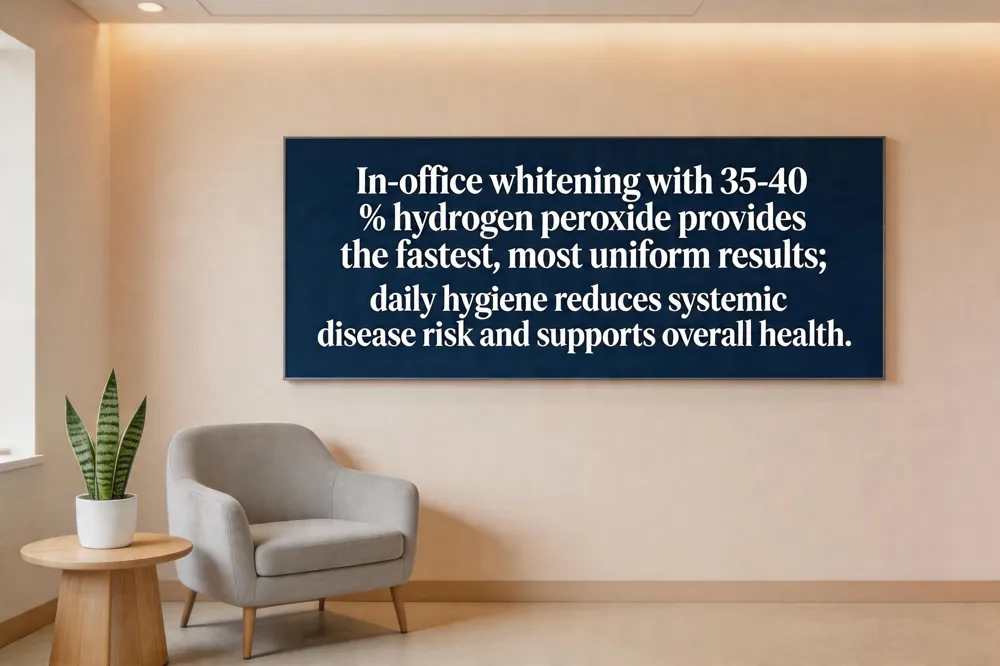 In‑office whitening offers the fastest, most uniform results because a dentist can apply a 35‑40 % hydrogen‑peroxide gel activated by a light or laser, protecting gums and soft tissues while tailoring concentration to your shade goals and sensitivity. For those who prefer at‑home care, custom‑fit trays with dentist‑prescribed gel provide comparable outcomes over a longer period, but the supervised, high‑strength in‑office treatment remains the most effective and safest option.
Good oral hygiene—brushing twice a day with fluoride toothpaste, daily flossing, and using an alcohol‑free antimicrobial mouthwash—removes plaque, reduces harmful bacteria, and prevents cavities, gum disease, and bad breath. By keeping the mouth clean, it lowers inflammation and the risk of systemic conditions such as heart disease, stroke, diabetes, and certain cancers, supporting overall health.
Oral care encompasses daily self‑care (brushing, flossing, therapeutic rinses) and regular professional exams and cleanings. Consistent oral care maintains functional teeth and gums, prevents disease, and promotes long‑term well‑being.
Putting It All Together: Your Sparkling Smile Plan
 Creating a lasting, bright smile is simple when you follow a daily checklist, tap into community resources, and plan for long‑term care.
Actionable daily checklist – Brush twice a day for two minutes with a soft‑bristled brush at a 45° angle, using fluoride toothpaste. Floss or clean interdental spaces daily, and finish with an alcohol‑free antibacterial mouthwash. Chew sugar‑free gum or snack on crunchy fruits and vegetables to boost saliva, which neutralizes acids and helps keep enamel strong. Replace your toothbrush every three to four months.
Community‑focused support – Join local oral‑health workshops, use school‑based dental‑seal programs, and ask your Somerville dental practice about fluoride‑enhanced water initiatives. Many community centers offer free fluoride varnish days and smoking‑cessation counseling, both of which protect your smile.
Long‑term maintenance – Schedule professional cleanings and exams at least twice a year, or more often if you have specific risk factors. Discuss personalized whitening or desensitizing options with your dentist, and keep up with a balanced diet rich in calcium, vitamin D, and low‑sugar foods. Consistency turns everyday habits into a radiant, healthy smile for life.
Your Path to a Radiant, Healthy Smile
Keeping your smile bright starts with a routine. Brush twice a day for two minutes with a soft‑bristled toothbrush and fluoride toothpaste, using a 45‑degree angle and motions. Floss or use interdental brushes each night to clear plaque from between teeth and below the gum line, and finish with an alcohol‑free antibacterial mouthwash to lower bacterial load. Chew sugar‑free gum or eat crunchy fruits and vegetables after meals to boost saliva, which naturally cleans and neutralizes acids. Schedule professional cleanings and exams at least twice a year; the dentist removes tartar, polishes surfaces, and catches signs of decay or gum disease. Take advantage of community resources such as local dental health workshops, school‑based sealant programs, and free oral‑health screenings to stay informed and supported on your journey to oral health.