A Personalized Approach to Family Dental Care
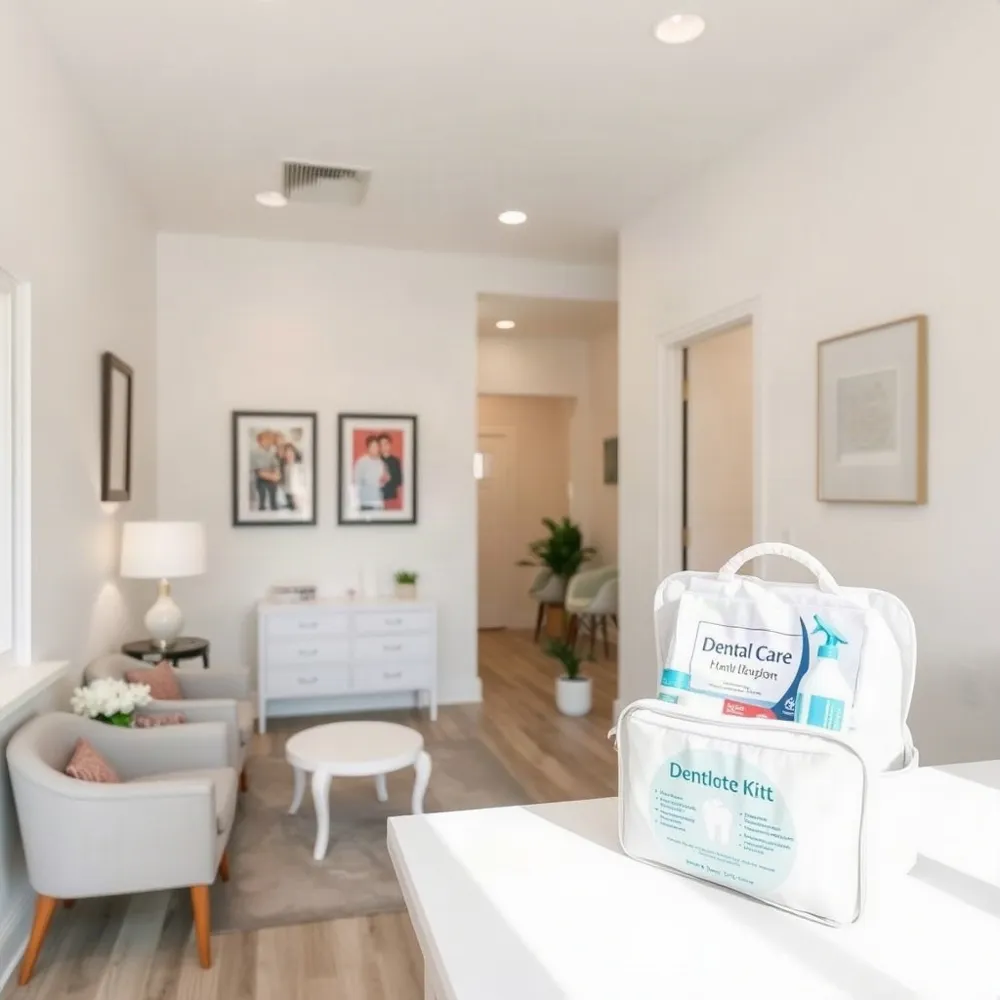
Family‑run dental offices are small, privately owned practices that serve patients of every age under one roof. Because the dentist and staff often live in the same community, they can tailor treatment plans to each family’s history, habits and preferences rather than applying a one‑size‑fits‑all schedule. This patient‑centered philosophy means extra time is spent listening, educating about brushing, flossing and diet, and developing preventive strategies that fit busy lifestyles. Community involvement deepens trust: practices sponsor local events, offer school oral‑health workshops and accept flexible payment options that keep care affordable. When families see the same caring team at each visit, anxiety drops, records stay unified and early problems are caught, leading to healthier smiles for generations and support lifelong oral health habits for all members.
Understanding the 3‑3‑3 Rule and Daily Oral Hygiene
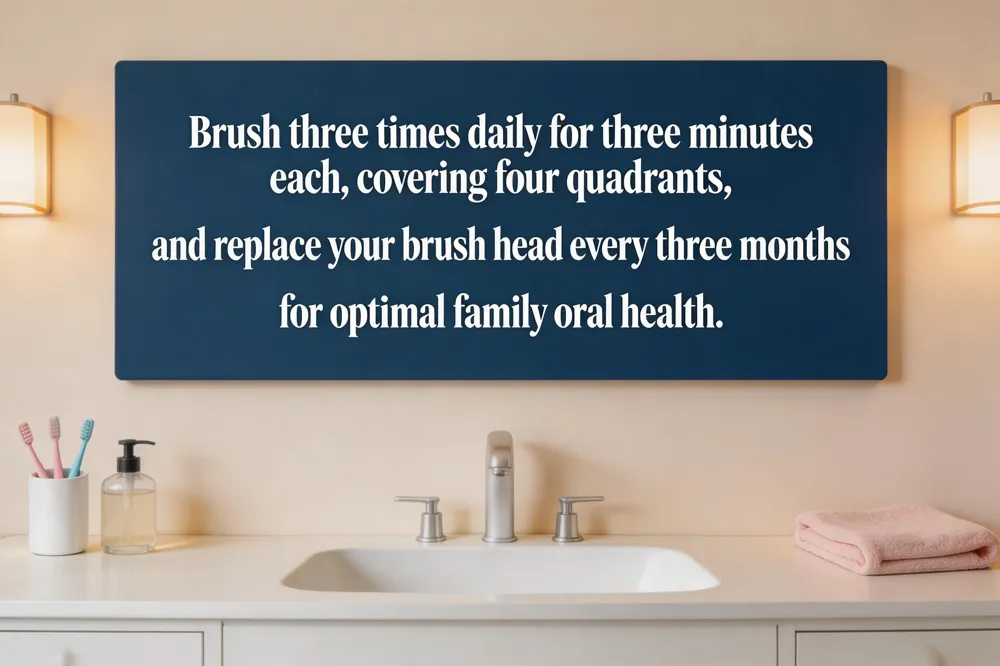 A family‑focused dental routine starts with the 3‑3‑3 rule. Brush three times a day—after breakfast, after lunch, and before bedtime—to keep plaque at bay. Each session should last about three minutes, dividing the mouth into four quadrants (upper‑right, upper‑left, lower‑right, lower‑left) and spending roughly 45 seconds on each area for thorough coverage. This systematic approach is more effective than the minimum twice‑daily recommendation and helps prevent cavities, gum inflammation, and early enamel wear. Replace your toothbrush or electric brush head every three months, or sooner if the bristles become frayed or after an illness. Pair the rule with daily flossing or interdental cleaning for optimal results. By following these simple steps, families can maintain healthier smiles and enjoy fewer dental emergencies.
What Makes a Family Dental Practice Unique?
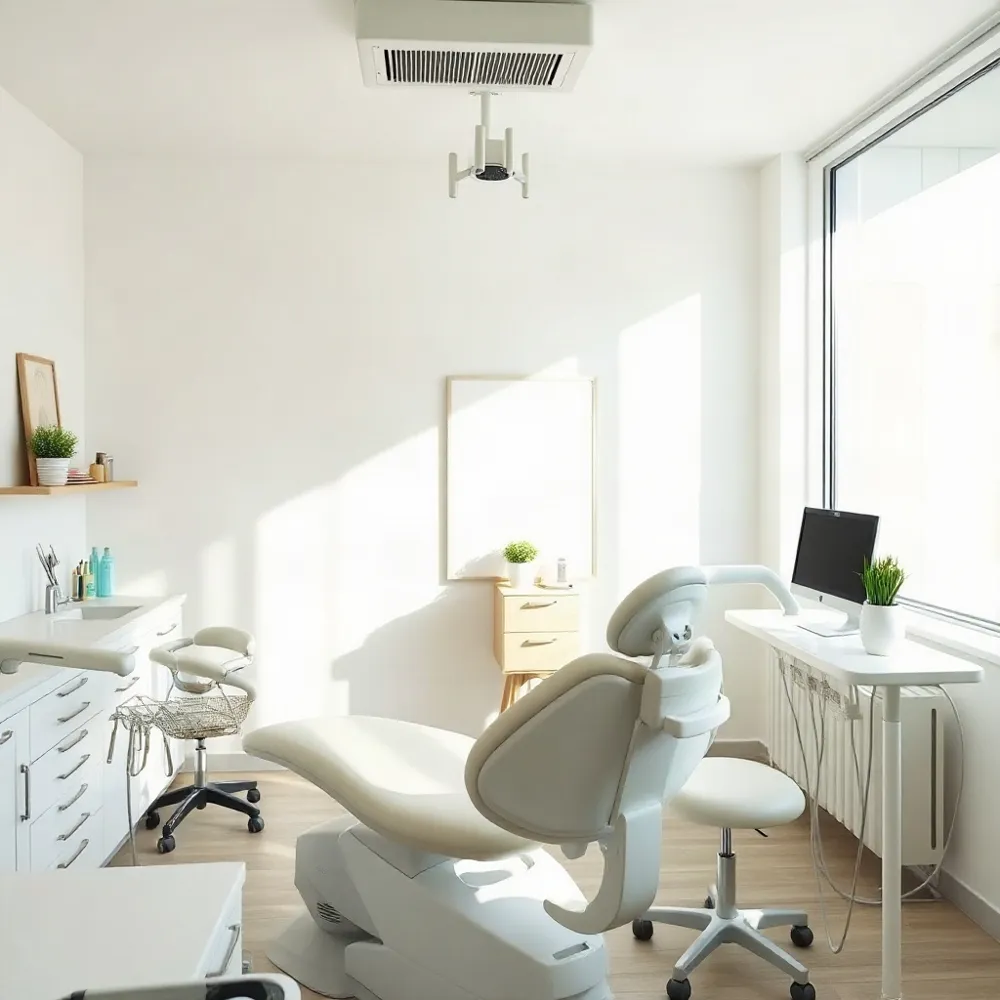
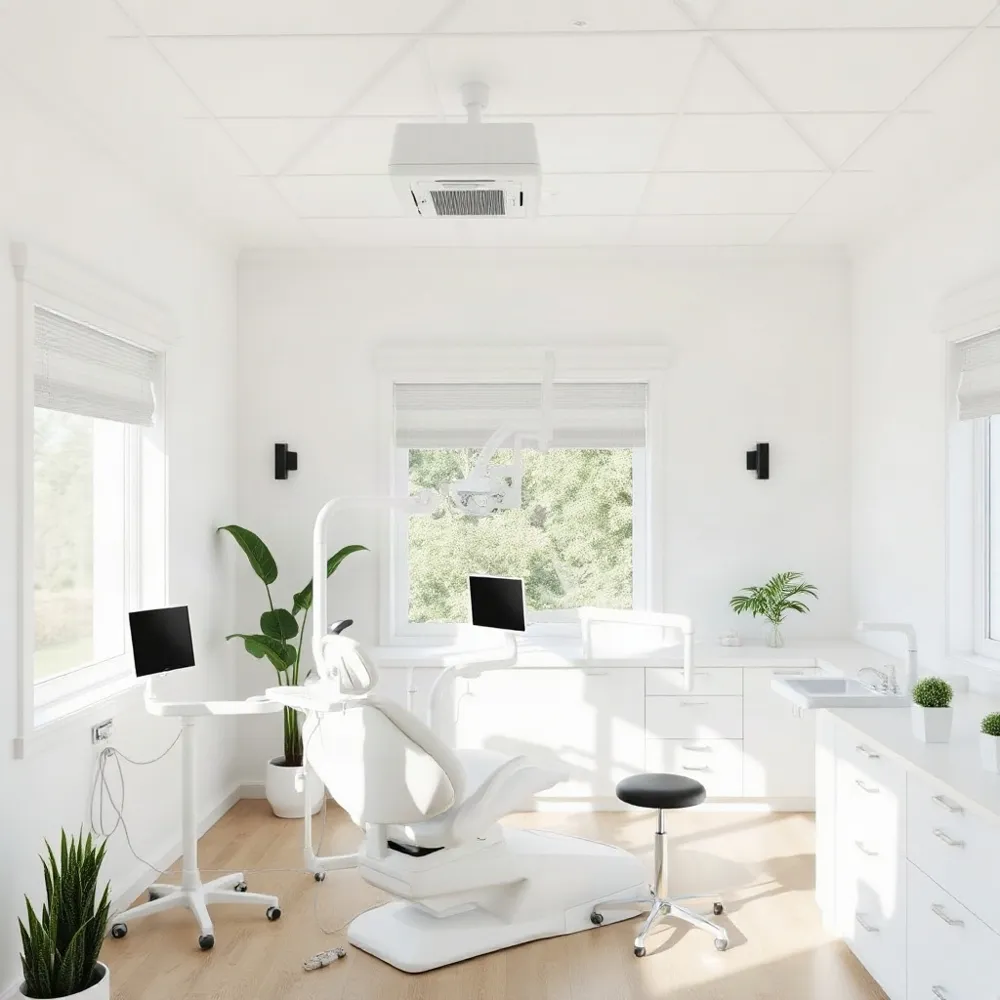
 A family dental practice is a single office that delivers comprehensive oral‑care for every age group—from toddlers to seniors—under one roof. This "one‑stop‑shop" model lets families schedule multiple members together, saving time and simplifying record‑keeping. Modern practices such as Personalized Dental Care, P.C. and Somerville Family Dental equip state‑of‑the‑art tools like digital X‑rays, intra‑oral scanners, and CAD/CAM technology, which make diagnoses faster and treatments more comfortable. Offering preventive cleanings, routine check‑ups, minor restorations, orthodontics, and emergency care, they reduce the need to visit separate specialists. The result is a convenient, patient‑centered experience that builds long‑term trust and promotes lifelong oral health for the whole family.
Meet Dr. Anthony P. Parrella: A Community Dental Leader
 Dr. Anthony P. Parrella, DMD, is the founding dentist and owner of Parrella Dental Care in Somerville, Massachusetts. With over 45 years of experience and a Tufts University dental education, he has served the local community for more than three decades, earning a reputation for compassionate, patient‑centered care. Dr. Parrella’s philosophy emphasizes personalized, comprehensive treatment plans that address each family member’s unique history, habits, and goals—whether it’s a child’s first visit, adult restorative work, or senior preventive maintenance. His practice adopts state‑of‑the‑art technology such as digital X‑rays, intra‑oral scanners, CAD/CAM crowns, and 3‑D imaging, ensuring accurate diagnoses and comfortable, efficient procedures. By building long‑term relationships based on trust, clear communication, and consistent follow‑up, Dr. Parrella creates a family‑like atmosphere where patients feel heard, respected, and confident in their oral health journey.
The 50‑40‑30 Rule: Aesthetic Tooth Alignment Explained
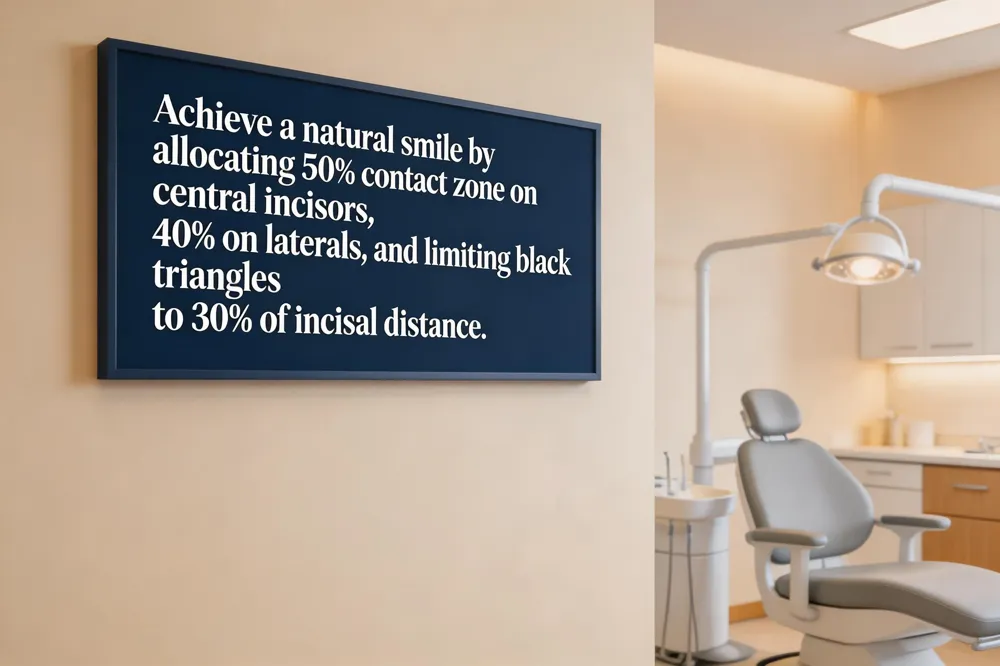 The 50‑40‑30 rule is a simple guideline used by dentists to achieve a natural‑looking smile. It specifies that the contact zone between the maxillary central incisor and the lateral incisor should occupy roughly 50 % of the incisor’s visible length, the lateral incisor should contribute about 40 % of the visible width, and the visible gap (the black triangle) should be limited to 30 % of the total incisal edge distance. In practice, this means the optimal gap between adjacent teeth is slightly larger than the actual contact area, allowing a small, aesthetically pleasing space that enhances the incisor contact zone keeping appreciate measurements are critical because they affect smile harmony, light reflection, and the perception of tooth proportion. Proper application of the rule helps dentists create balanced, symmetrical smiles that feel comfortable for patients while supporting long‑term oral health.
Beyond the Basics: Technology, Emergency Care, and Community Engagement
 Family‑run practices such as Personalized Dental Care, P.C., Somerville Family Dental, and Back Bay Family Dentistry use state‑of‑the‑art digital X‑ray, intra‑oral scanners and CAD/CAM milling to create accurate diagnoses and same‑day crowns, veneers and aligners, making treatment faster and less invasive. Most offices schedule same‑day emergency appointments, allowing patients of any age to receive prompt assessment and pain relief without waiting days for a specialist. To fit busy families, many practices offer weekend and evening hours—e.g., extended Friday evenings and Saturday slots—so routine cleanings, urgent care and cosmetic work can be booked at convenient times. Beyond clinical services, these practices engage the community through school oral‑health talks, free education resources on brushing, flossing and diet, and participation in local health fairs, reinforcing preventive habits and building lasting trust with families.
The Lasting Impact of Personalized Family Dentistry
Continuity of care lets a single dentist follow a family’s oral health from the first baby tooth through senior years. By tracking patterns of decay, gum disease and bite changes, the dentist can intervene early, preventing costly restorations and preserving natural teeth. Trust builds when patients know the clinician’s name, listening style and history, which reduces anxiety and encourages honest communication about habits and concerns. Personalized education—tailored brushing, flossing and dietary advice for each age group—empowers families to adopt lifelong preventive routines. Choosing a family‑run practice means all members receive the same gentle, patient‑centered approach, flexible scheduling and a unified record, creating a seamless dental home that supports healthy smiles for generations. These relationships simplify emergency care, as the dentist knows histories and acts promptly.