Why Gum Health Matters for Overall Wellness
The Connection Between Gum Health and Overall Health
Healthy gums aren't just vital for a bright smile—they play a significant role in your overall wellness. Research shows that poor gum health is linked to systemic diseases such as heart disease, diabetes, respiratory problems, and even cognitive decline. Inflammation from gum disease can potentially contribute to these conditions by allowing harmful bacteria to enter the bloodstream.
Recognizing Healthy Versus Unhealthy Gums
Healthy gums are typically pink, firm, and do not bleed with gentle brushing or flossing. On the other hand, unhealthy gums may appear red or swollen, bleed easily, recede, or feel tender. Persistent bad breath and loose or shifting teeth are also signs of gum disease requiring prompt attention.
The Importance of Preventive Care
Regular preventive care is essential for maintaining gum health and preventing gum disease, which can progress silently. Brushing twice daily with proper technique, flossing once daily, and using antimicrobial mouthwash can effectively reduce plaque buildup. Additionally, scheduling dental checkups and professional cleanings every six months helps detect early gum problems, ensuring timely treatment and protecting overall health.
Daily Habits Recommended by Dental Hygienists for Healthy Gums

What Are Effective Tips for Daily At-Home Teeth Care?
Maintaining healthy gums starts with proper oral hygiene best practices. Dental hygienists recommend brushing teeth twice daily for about two minutes each time. Use a soft-bristled toothbrush with fluoride toothpaste, holding it at a 45-degree angle toward the gumline. This technique helps remove plaque effectively without damaging the gums.
Flossing once daily is essential to clean between teeth where brushes cannot reach. The proper flossing method involves gently sliding the floss in a C-shape around each tooth to remove debris and plaque, helping to prevent gum inflammation and cavities.
Using an alcohol-free antibacterial mouthwash can further reduce harmful bacteria and plaque buildup. It's best to use mouthwash at a different time from brushing to maximize its effectiveness without washing away fluoride.
Dietary and Lifestyle Factors Impacting Gum Health
A balanced diet rich in vitamin C from leafy greens and calcium from dairy products supports gum strength and reduces inflammation. Staying hydrated by drinking plenty of water helps maintain saliva flow, which naturally protects the mouth.
Avoiding tobacco products is critical, as smoking impairs immune response and healing, increasing the risk of gum disease and oral cancers. Alcohol intake should also be limited to reduce risks.
Routine dental visits, usually every six months, allow professional cleanings to remove tartar that home care cannot eliminate and enable early detection of gum issues.
By following these daily habits—brushing correctly, flossing daily, using mouthwash, eating well, and avoiding harmful substances—you can maintain Healthy gums characteristics and support your overall oral wellness.
Understanding and Managing Gum Disease: What Dental Hygienists Do
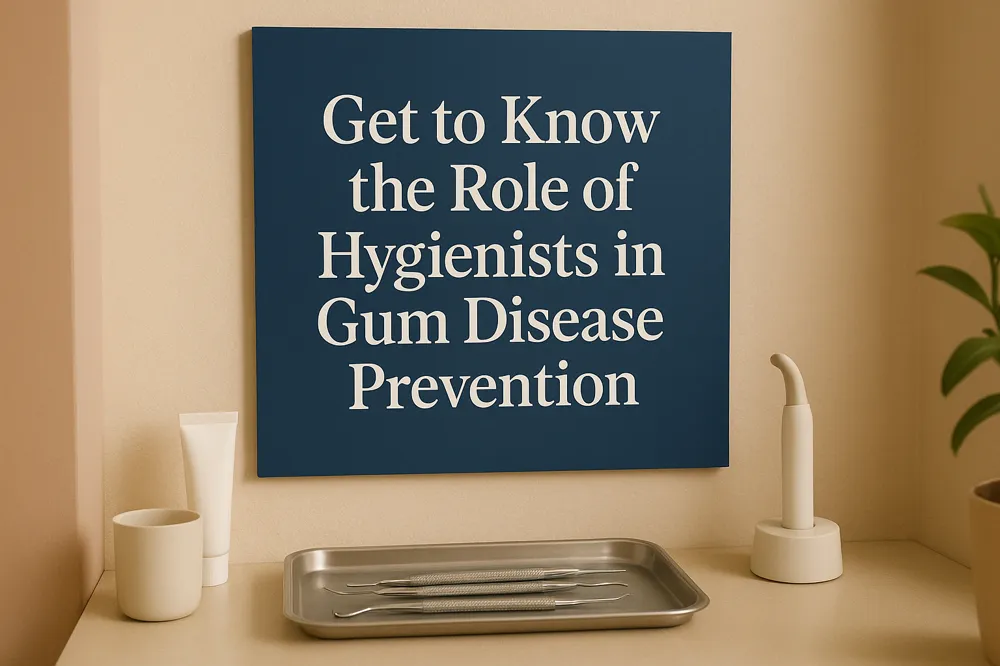
How do dental hygienists clean gums and manage gum disease?
Dental hygienists play a vital role in maintaining your Maintaining healthy gums. They perform thorough professional cleanings called scaling and root planing, which involve removing Plaque and tartar removal from both above and below the gum line. Using specialized tools and a small mirror, they meticulously eliminate bacterial deposits that cause gum inflammation and infection.
They also measure periodontal pockets—space between your gums and teeth—to identify disease stages like Gingivitis and periodontal disease or the more advanced periodontitis. This assessment helps tailor treatments to the severity of your condition.
Polishing your teeth is another key step, smoothing tooth surfaces to prevent new Top Dental Hygiene Tips. In some cases, they may apply fluoride treatments or sealants to strengthen your teeth and protect against decay.
For patient comfort, local anesthesia can be used during these procedures if necessary. Regular visits every six months or more frequent appointments if needed ensure early detection and management of gum disease, helping prevent tooth loss and supporting overall oral health.
Signs and stages of gum disease
Gum disease often begins subtly with swollen, red, or bleeding gums. Gingivitis is the earliest stage and is reversible with proper care. If left untreated, it may progress to periodontitis, which affects the bone supporting teeth and can cause loose or shifting teeth.
Role of dental hygienists in early detection and education
Dental hygienists are trained to spot early signs of dental hygienist teeth assessment during cleanings, educating patients on proper brushing your gums , flossing benefits, and lifestyle changes.
Importance of regular professional check-ups
Regular check-ups allow for timely treatment, maintaining Keeping Your Gums Healthy and preventing systemic health problems linked to gum disease.
The Proper Order and Techniques for Effective Oral Hygiene
What is the proper order of operations when cleaning your teeth?
Proper oral hygiene follows a sequence that maximizes cleanliness and protection. Start by rinsing your mouth with water to loosen food debris. Next, apply a pea-sized amount of Fluoride Toothpaste Benefits on a Soft-bristled toothbrush. Brush your teeth using gentle, circular motions at a Brushing at 45-degree angle toward the gumline. Spend at least two minutes brushing all surfaces: outer, inner, and chewing.
Floss after brushing to effectively remove the plaque and food particles that your toothbrush cannot reach. Daily flossing importance first helps dislodge debris, making brushing more thorough and allowing fluoride to better protect enamel. Finally, consider rinsing with an Using antimicrobial mouthwash for extra protection, especially one approved by the American Dental Association Seal (ADA).
Should you floss before or after brushing your teeth?
Flossing before brushing is generally recommended. This practice removes food and plaque trapped between teeth, improving the effectiveness of brushing and fluoride application. For people with orthodontic appliances or tight interdental spaces, flossing first is even more beneficial. However, whether you floss before or after brushing is less important than doing it consistently every day.
Proper brushing angle and motions
Use a Soft-bristled toothbrush and hold it at a Brushing at 45-degree angle beside the gumline. Use gentle, circular motions rather than harsh back-and-forth scrubbing. This technique removes plaque effectively without damaging gums or enamel.
Use of approved oral care products
Select oral hygiene products that carry the ADA Seal of Acceptance, ensuring they meet safety and efficacy standards. These include Fluoride Toothpaste Benefits, Soft-bristled toothbrushes, dental floss, interdental brushes, and alcohol-free Using antimicrobial mouthwash to prevent dry mouth while reducing harmful bacteria.
Maintaining this routine supports Healthy gums characteristics and teeth while reducing risks of Gum disease symptoms and related Oral health and overall health problems. Regular dental exams and cleanings complement this regimen by professionally removing tartar that cannot be eliminated at home.
Preventing and Reversing Gum Problems: Insights from Hygienists
What Are Early Symptoms of Gum Disease and Why Is Early Intervention Important?
Early gum disease often begins silently with symptoms such as bleeding gums during brushing or flossing, redness, swelling, tenderness, and bad breath. These subtle signs usually indicate Signs of gum disease. Identifying and addressing these symptoms early is critical because Gingivitis Treatment. Ignoring early signs can allow the disease to progress to periodontitis, which causes irreversible damage such as gum recession, bone loss, and potentially tooth loss.
Can Gingivitis Be Reversed With Proper Care?
Yes. Gingivitis can often be reversed when individuals adopt thorough oral hygiene routines. This includes Brushing and flossing for gums, flossing between teeth once daily, and Using antimicrobial mouthwash. Professional dental cleanings every six months remove tartar that home care cannot eliminate, helping gums heal and inflammation subside.
How Can Gum Health Be Improved Quickly?
Improving gum health quickly depends on diligent daily habits:
- Brushing teeth twice daily with fluoride toothpaste and soft-bristled toothbrush.
- Flossing daily benefits.
- Using antibacterial mouthwash.
- Avoid tobacco products which impair healing and increase infection risk.
- Manage stress and ensure adequate intake of vitamin C-rich foods to support immune function.
- Stay hydrated to maintain saliva production and a neutral mouth pH.
In addition, Professional dental cleanings for gum health help remove stubborn tartar and detect early signs of gum issues, making prompt treatment possible.
What Lifestyle Changes Support Gum Recovery?
Lifestyle choices significantly influence gum health. Quitting smoking benefits gums. Eating a balanced diet rich in vitamin C and calcium supports tissue repair and gum strength. Limiting sugar intake reduces plaque formation. Maintaining adequate hydration aids saliva flow, which helps wash away food debris and bacteria. Regular exercise also contributes to overall immune health, benefitting gum tissue resilience.
Why Are Regular Professional Cleanings Important?
Dental hygienists provide essential care beyond home brushing. Importance of dental cleanings every six months remove plaque and tartar buildup that brushing and flossing can't reach. They enable early detection of gum disease and other oral health concerns. Hygienists also educate patients on personalized oral care, improving long-term outcomes. For those with gum disease, treatments like scaling and root planing may be recommended to halt progression.
Maintaining Healthy gums characteristics is foundational to lasting oral well-being. Early attention to symptoms, consistent home care, supportive lifestyle changes, and professional dental visits form the path to preventing and reversing gum problems for a confident, healthy smile.
Long-Term Consequences of Poor Gum Care and How to Prevent Them

What are the long-term consequences and diseases caused by poor dental hygiene?
Poor dental hygiene can lead to serious health issues extending well beyond the mouth. Gum disease symptoms especially when untreated, can allow harmful bacteria and inflammation to enter the bloodstream, increasing the risk of cardiovascular diseases such as heart attacks and strokes. It is also linked to Gum health and respiratory problems and plays a role in metabolic disorders, particularly diabetes by complicating blood sugar control.
How does gum disease affect cardiovascular, respiratory, and metabolic health?
Chronic gum inflammation contributes to cardiovascular problems by promoting systemic inflammation and infection. Similarly, bacterial spread from the mouth can increase the likelihood of respiratory infections. In people with diabetes, poor gum health exacerbates challenges in managing blood glucose levels, making metabolic control more difficult. These Systemic effects of gum disease highlight the importance of maintaining good oral health.
What systemic effects does gum disease have, including on pregnancy and cognitive health?
Pregnant women suffering from gum disease face higher chances of premature births and other pregnancy complications. Additionally, research has found connections between gum disease and cognitive decline, including Alzheimer's disease, highlighting the broader impact of oral health on brain function and overall quality of life. Oral health and overall health and related risks emphasize the need for Proper oral hygiene practices.
Why is regular gum care critical for holistic health?
Maintaining gum health is foundational to overall wellness. Regular Brushing teeth twice daily, flossing daily benefits, using Using antimicrobial mouthwash, and visiting the dentist at least twice yearly for Professional dental cleanings help prevent gum disease and its systemic consequences. Early detection and treatment of gum issues can stop progression to severe periodontitis and associated health risks.
Taking proactive steps in gum care not only protects the smile but also supports cardiovascular, respiratory, metabolic, and neurological health, underscoring the importance of oral hygiene best practices for holistic well-being.
Empowering Your Smile Through Professional Gum Care
Daily habits and regular professional care are foundational to maintaining healthy gums and a vibrant smile.
Brushing twice daily with a soft-bristled toothbrush at a 45-degree angle gently removes plaque from teeth and gums. Flossing daily cleans areas unreachable by brushing alone, preventing bacterial buildup. Using an antibacterial, alcohol-free mouthwash can further reduce harmful bacteria and freshen breath.
Twice-yearly dental visits with your hygienist allow plaque and tartar to be professionally removed and help catch early signs of gum disease.
Hygienists are not only cleaning experts but also educators who tailor advice and treatment to your unique needs. Building trust with your dental care team fosters open communication, making early problem detection easier and care more effective.
Healthy gums protect against more than just tooth loss.
Maintaining gum health lowers risks linked to systemic conditions such as heart disease, diabetes, respiratory issues, and pregnancy complications. By investing in gum care, you support your overall wellness alongside preserving your smile.
Making daily gum care a priority and partnering with your dental hygienist empowers you to enjoy lasting oral health and a confident smile.