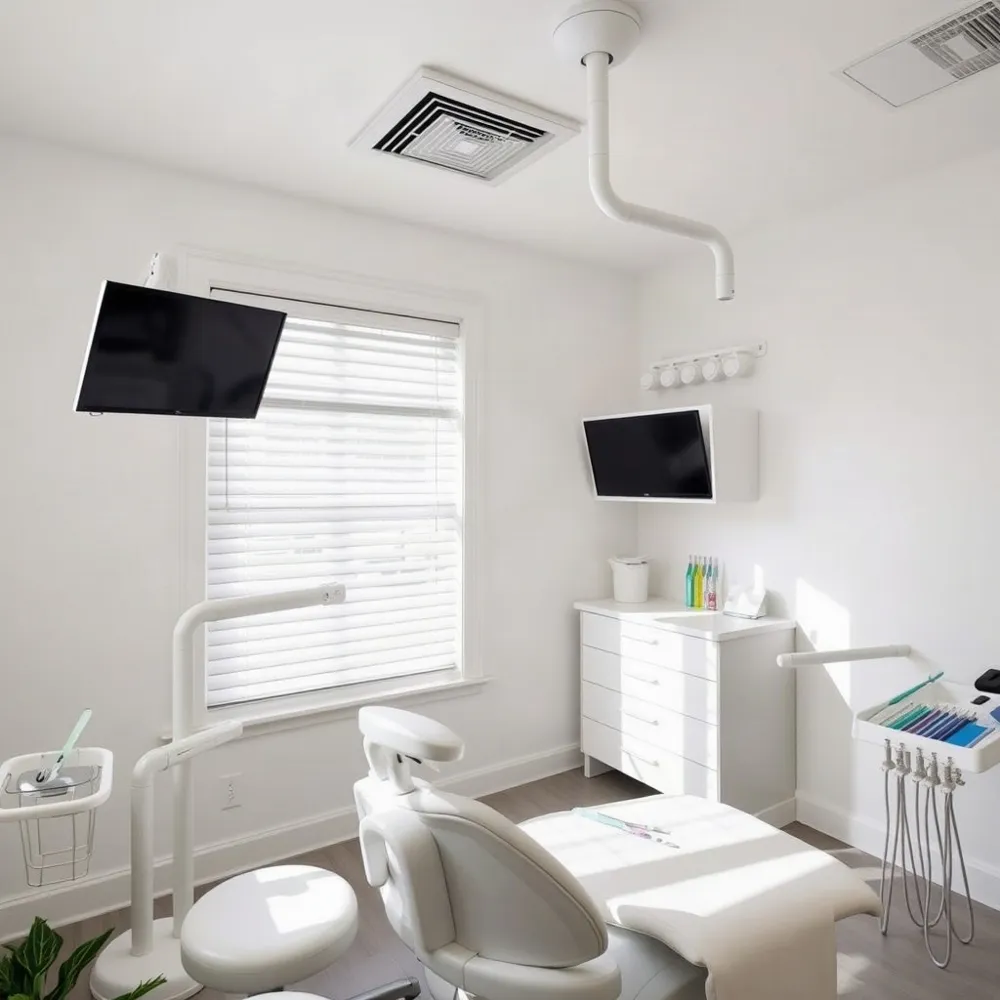
Care Happens in Stages
Periodontal therapy is a planned process, not simply a deeper version of a routine cleaning. It begins with an assessment of gum health and the structures supporting the teeth, then moves to treatment suited to the findings, with follow-up care to check progress.
The steps vary from person to person. Some patients may need nonsurgical scaling and root planing, while others may need additional care. At drparrella.com, treatment recommendations are grounded in each patient’s needs. Ask your dental team what they found, what each step involves, and how follow-up will support your gum health.
Assessment and Disease Progression
 Periodontal disease affects the gums and the tissues and bone that support the teeth. It often begins when plaque collects along the gumline, causing inflammation. At this earliest stage, called gingivitis, gum changes can often be reversed with appropriate care. Without treatment, the disease may progress to periodontitis, damaging supporting tissues and potentially loosening teeth. Advanced periodontitis is the most severe stage.
A dental evaluation helps establish how far the disease has progressed. The clinician may check for bleeding, swelling, and recession, measure the spaces between the teeth and gums, review your medical history, and use X-rays to assess bone levels. These findings help shape care at drparrella.com, where treatment is planned around each patient’s needs. Symptoms alone cannot show the extent of damage, and gum disease may progress without obvious signs.
Bleeding or tender gums, persistent bad breath, gum recession, loose teeth, or changes in your bite are reasons to arrange an evaluation. A periodontal disease assessment can clarify whether inflammation is limited to the gums or has affected deeper support. Early assessment gives your dental team a basis for recommending care, from professional cleaning to treatment below the gumline, as appropriate.
Nonsurgical Treatment and Deep Cleaning
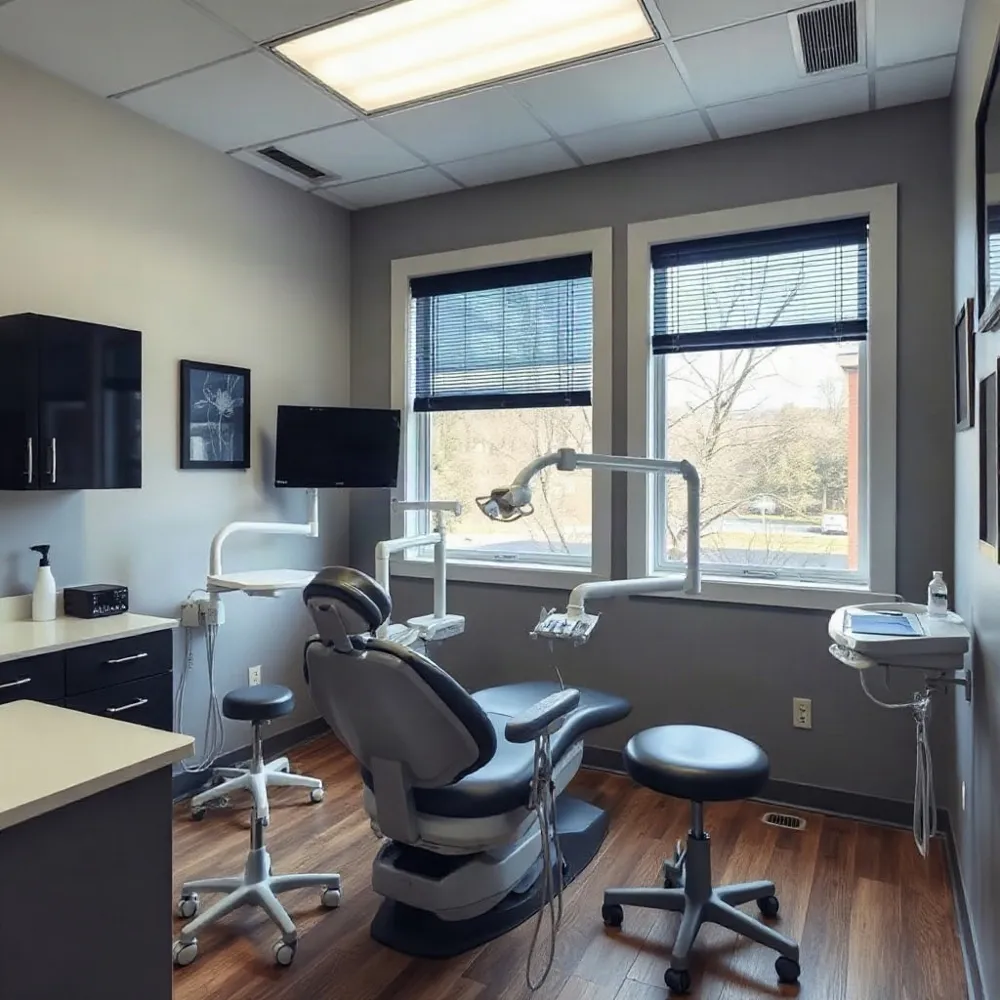 When an examination finds periodontitis and deposits beneath the gums, a dental professional may recommend scaling and root planing (SRP), often called a deep cleaning. It is not necessary for everyone: routine cleanings and SRP address different areas, and the findings from a gum assessment help determine which is appropriate.
During SRP, scaling removes plaque and hardened tartar above and below the gumline, while root planing smooths tooth roots to support gum healing. The Cleveland Clinic's guide to scaling and root planing explains that clinicians may use hand instruments or ultrasonic tools. Local anesthetic may be used to numb the treatment area.
Treatment may cover the whole mouth or be divided into sections and appointments. A visit commonly takes about one to two hours, depending on the buildup and areas treated. Tenderness or temporary sensitivity can follow. Comfort varies, so tell the dental team if you feel discomfort or anxiety. At drparrella.com, periodontal care is part of a longstanding, family-run practice in Somerville, where a patient-specific discussion can help clarify what to expect.
Costs depend on disease severity, the number of areas treated, and any additional care. A general estimate is roughly $250–$350 per quadrant, or $800–$1,400 for the full mouth; local fees vary, so request an individualized estimate before treatment. Insurance benefits also differ by plan, and patients should confirm coverage, deductibles, and limits with their insurer. Careful brushing and flossing, along with recommended follow-up, can help manage gum disease after SRP.
Healing and Reassessment
After scaling and root planing, mild tenderness, slight bleeding or swelling, and sensitivity to hot or cold can occur. Tenderness often eases within a few days, while sensitivity may take longer to settle. These short-term effects are common after tooth scaling and root planing.
Wait until numbness wears off before eating, then choose soft foods while your gums feel tender. Brush gently with a soft-bristled toothbrush and clean between teeth carefully. Use rinses or medication only as directed by your dental team, and follow any personalized aftercare instructions. At drparrella.com, follow-up care is part of the practice’s personalized approach to dental health.
As inflammation settles, gums may look slightly lower and pockets may become shallower. Tissue can heal more snugly against cleaned roots over the following weeks, often within two to four weeks, but this is not necessarily regrowth of gum or bone lost to disease. Healing time varies with disease severity and overall health.
Several weeks after treatment, the dental team can check gum health, bleeding, and pocket depths, then decide whether initial care has worked or further treatment is needed. Less redness, swelling, bleeding, or bad breath can be encouraging signs, but they do not confirm that disease is controlled. Measurements, compared with earlier findings, and X-rays when appropriate help assess progress. Contact your dental team if bleeding is heavy or persistent, pain or swelling worsens, or you notice fever or pus.
Further Treatment and Laser Care
If deep pockets, bleeding, or damage to the tissues supporting the teeth remain after nonsurgical care, a clinician may discuss additional treatment. Options can include pocket-reduction or flap surgery, bone grafting, soft-tissue grafting, or guided tissue regeneration. The recommendation depends on the location and extent of the disease.
Scaling and root planing (SRP) removes hardened deposits below the gumline and smooths tooth roots with dental instruments. Laser treatment uses focused light to target diseased tissue and bacteria in gum pockets. It may complement cleaning, but does not remove hardened tartar in the same way. A dental evaluation helps determine whether SRP, laser treatment, or a combination is appropriate. The Cleveland Clinic’s guide to scaling and root planing explains how this nonsurgical treatment works.
After laser treatment, temporary soreness, tenderness, swelling, minor bleeding, or sensitivity may occur. Some people return to everyday activities within a day or two, but recovery varies with the procedure and individual healing. At drparrella.com, treatment recommendations and recovery guidance are based on the patient’s needs and the care performed.
After laser gum surgery, choose soft foods such as yogurt, eggs, oatmeal, or lukewarm soup, drink water, and avoid hard, crunchy, spicy, or very hot foods while the area is tender. Brush gently with a soft-bristled toothbrush only when the treating clinician says it is safe. Instructions vary by procedure, so follow the guidance from Dr. Parrella’s office and call if you are unsure.
Maintenance Protects Treatment Results
 After a deep cleaning, gum tissue needs time to settle. Some tenderness, sensitivity, or light bleeding may occur briefly. Follow the care instructions from your dental team, and get in touch if symptoms worsen or do not improve.
Periodontal disease can return, so treatment is followed by continuing professional care. At drparrella.com, follow-up can be part of personalized care from a family-run Somerville practice, rather than a one-size-fits-all schedule.
Maintenance visits let the team check gum health and pocket depths, remove plaque and tartar above and below the gumline, and review home-care habits. For people with a history of periodontitis, appointments are often every three to four months, though the right interval depends on stability and individual risk. Cleveland Clinic’s guidance on scaling and root planing also emphasizes ongoing professional cleanings and daily care.
Brush daily, clean between your teeth, avoid tobacco, and manage health conditions such as diabetes with your care team. Keep follow-up appointments, and contact your dental office about persistent bleeding, swelling, or other worsening symptoms.
For more on continued care, see maintaining gum health after periodontal therapy.
A Plan Built Around Your Health
The right next step depends on your gum health, treatment response, and personal needs. A dental team can use examination findings and follow-up checks to guide care, rather than assume every patient needs the same approach.
If you notice bleeding, swelling, or gum recession, arrange an evaluation. At drparrella.com, care is provided by a family-run Somerville practice led by Dr. Anthony P. Parrella. Ask about comfort options, aftercare, timing, and costs. Scaling and root planing may be completed in one visit or divided across appointments, depending on your situation.