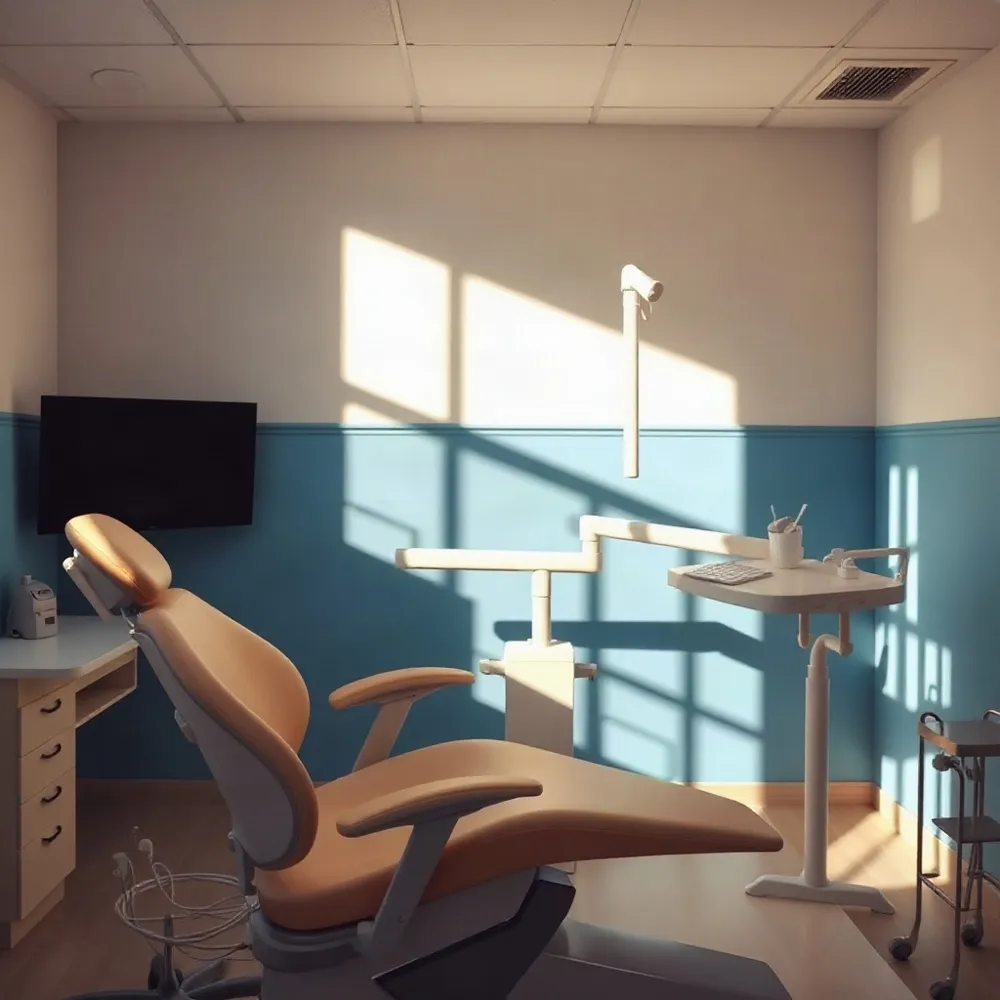
Welcome to Your First Visit: What to Know Before You Arrive
Appointment Scheduling Tips
Many dental practices in the US offer convenient options for booking your first visit, including online scheduling with evening and weekend hours. It helps to choose a time when you feel relaxed and alert; for children, morning appointments are often best.
What to Communicate When Booking
When you schedule your appointment, inform the office about your dental history, any current pain or concerns, and if you have dental anxiety. Mention any medical conditions or medications to help tailor your care.
Forms and Information to Bring
Bring your insurance card, a list of medications, allergies, your health and dental history, and prior dental records if available. Completing medical history forms before arrival streamlines your check-in.
How the Practice Prepares You for Your Visit
Dental offices take steps to create a welcoming environment. Many encourage open communication, provide detailed appointment confirmations, and may offer strategies to ease anxiety, ensuring you're comfortable and well-prepared for your first examination and cleaning.
Initial Steps: What Happens When You Arrive?
Patient check-in process
When you arrive at the dental clinic, the first step typically involves the patient check-in process. You will be asked to provide your insurance information and payment options and may fill out medical intake forms and medical and dental history forms. These forms gather details about your overall health, medications, allergies, and any previous dental treatments or concerns. This information helps the dental team tailor your care to your specific needs.
Medical and dental history review
After check-in, the dental staff reviews your medical and dental history. This review includes discussions about any current pain or issues, your daily oral hygiene habits, and lifestyle factors that could impact your dental health. This open communication is vital to ensure safe and effective care, especially if you have chronic conditions or take medicines that affect your mouth.
First dental examination overview
The first visit includes a comprehensive oral examination where the dentist checks your teeth, gums, bite, jaw, and oral tissues. Assessments for signs of cavities, gum disease, oral cancer, and jaw joint problems (TMJ) are commonly performed. The dentist may also check for plaque and tartar removal and inflammation to understand your overall oral health.
X-rays and diagnostic imaging
Depending on when your last dental X-rays were taken and your oral health status, new digital dental X-rays might be performed. These images reveal hidden issues such as cavities between teeth, bone loss, impacted teeth, or jawbone problems. Modern digital technology reduces radiation exposure and provides detailed views to help diagnose early problems.
Typical duration of the initial visit
A routine dental exam usually takes about 30 minutes. However, for new patients or those with complex dental needs, the first visit may last up to 60 minutes. This extra time ensures a thorough evaluation, effective communication, and personalized treatment planning to promote long-term dental health.
| Step | Description | Purpose |
|---|---|---|
| Check-in | Provide insurance and fill out medical/dental history | Prepare for tailored care |
| Medical/Dental History | Discuss current health, medications, and dental habits | Understand health risks |
| Dental Examination | Inspect teeth, gums, jaws, and oral tissues | Detect existing or potential issues |
| X-rays | Take digital images if necessary | Identify hidden dental problems |
| Duration | About 30–60 minutes depending on patient needs | Allow comprehensive assessment |
Building Comfort and Trust: Creating a Positive First Impression

How can dentists make a good first impression on new patients?
Creating a positive first impression starts with a welcoming office environment that feels calm and inviting. Many dental practices focus on ensuring their reception areas are bright, clean, and designed to ease patient anxiety with soothing colors, comfortable seating, and friendly décor.
Staff professionalism and friendliness are crucial in setting a reassuring tone. From the moment patients arrive, receptionists and dental assistants who greet them warmly and with genuine concern can make a significant difference. Smiling, eye contact, and a patient-centered approach show empathy and respect.
Communication strategies play an important role in reducing anxiety. Dentists and their teams explain procedures clearly and patiently, avoid dental jargon, and encourage patients to ask questions. Listening carefully to patient concerns and addressing fears help build trust and confidence.
A personalized care approach tailored to each individual’s needs fosters comfort. Dentists who take the time to review medical histories and dental concerns before beginning exams demonstrate commitment to patient safety and well-being. Offering sedation or calming techniques for nervous patients further shows attentiveness to their emotional experience.
Patient testimonials often highlight these positive experiences. Many new patients praise practices with kind, knowledgeable, and gentle staff, who make them feel valued from the first visit. For example, at our family-run practice in Somerville, MA, we pride ourselves on providing personalized, compassionate dental care that creates lasting relationships with the community.
Together, these efforts help dentists build comfort and trust, essential for encouraging patients to maintain regular dental visits and lifelong oral health.
What to Expect If It’s Been Years Since Your Last Dental Visit

What should you expect during a first dental appointment after years without a visit?
If you haven't been to the dentist in years, your initial appointment will focus on thoroughly assessing your current dental health. Expect a comprehensive oral examination where the dentist will inspect your teeth, gums, bite, jaw, and oral tissues for cavities, gum disease, or early signs of oral cancer.
Comprehensive assessment for returning patients
The dentist will review your medical and dental history, followed by detailed digital dental X-rays to uncover hidden issues like decay beneath the surface, bone loss, or impacted teeth. This thorough assessment helps create an accurate picture of your oral health status.
Extended cleaning procedures
Since plaque and tartar removal often build up over long periods without dental care, the professional cleaning process may take longer. Dental hygienists will remove stubborn deposits using specialized tools, then polish your teeth for a smooth, clean feel.
X-rays to detect hidden dental issues
Digital dental X-rays are a vital part of the visit, revealing problems that aren't visible during the clinical examination. These images allow the dentist to detect decay, jawbone concerns, or infection early, which is crucial when reestablishing your dental care.
Discussion of treatment plans and follow-up care
After your examination and cleaning, the dentist will discuss their findings and recommend a personalized treatment plan. This may include fillings and crowns, gum treatments, or other procedures to restore your oral health. You will also receive guidance on maintaining your teeth and gums.
Encouragement for regular check-ups
It’s important to schedule follow-up appointments every six months to prevent future problems and keep your oral health on track. Open communication with your dentist encourages trust and helps you feel comfortable about your dental care journey.
Key Topics to Discuss During Your New Patient Dental Appointment
What topics should patients discuss at their new patient dental appointment?
When you visit the dentist for the first time, it's important to share your complete medical intake form and disclosing medical history. This helps the dental team understand your oral health context and plan treatments that are safe and effective. Be ready to discuss any past dental procedures, current issues, or concerns you have about your teeth and gums.
Medications are especially important to mention. Some drugs can affect your oral health or influence how dental treatments should be managed. Also, outline any Lifestyle Factors like smoking, diet, or your daily oral hygiene routine, since these factors can impact your dental health.
Sharing your family’s dental and medical history can give the dentist insight into risks for conditions like gum disease or oral cancers. It’s also helpful to express any personal preferences or cultural considerations that may affect your care.
Don’t hesitate to bring up questions or concerns, whether about Preventive Care, treatment options, comfort during procedures, or scheduling Follow-up Appointments. Open communication will ensure your dental care is both personalized and proactive.
Making Your First Appointment: How to Prepare and What to Say
Introducing yourself as a new patient
When calling to schedule your first dental appointment, begin by clearly stating that you are a new patient. This helps the dental office prepare for your visit and allocate the necessary time for your initial evaluation.
Explaining reasons for visit
Clearly mention the purpose of your visit, whether it’s a routine exam, a cleaning, or specific dental concerns like pain or sensitivity. Sharing this information allows the staff to prioritize your needs and advise you on what to expect during your standard dental visit.
Inquiring about insurance and payment
Ask about accepted insurance plans and payment options upfront. Confirm whether the office files insurance claims or if you should pay and seek reimbursement afterward. This ensures no surprises regarding costs during or after your appointment as part of a general dentist appointment.
Requesting necessary paperwork
Find out if you need to bring any documents such as previous dental records, X-rays, or medical history forms. Some offices may provide forms online to fill out before your visit, saving time on arrival, as detailed in the new patient paperwork process.
Preparing questions and concerns
Make a list of questions or concerns you want to discuss with the dentist. Topics can include oral hygiene guidelines, treatment options, dental anxiety management strategies, or specific issues you’re experiencing. Being prepared helps you gain the most benefit from your visit.
Tips for reducing dental anxiety
If you feel nervous, mention this when booking your appointment. Many dental offices offer accommodations like sedation options, calming music, or opportunities for breaks during treatment, supporting empathetic dental care approaches. Arriving well-rested and scheduling morning appointments can also help reduce anxiety.
By preparing these details and sharing them when making your appointment, you'll help create a comfortable and informative first dental visit overview.
Your Journey to Healthy Smiles Starts Here
Importance of Regular Dental Visits
Regular dental checkups every six months help prevent oral issues, detect problems early, and maintain overall dental health.
Establishing Lasting Relationships with Your Dental Provider
Building trust with your dentist creates a comfortable environment where your unique dental needs and history are understood for better care.
Commitment to Personalized and Preventative Care
Dentists develop tailored care plans focused on prevention, including cleanings, screenings, and lifestyle advice to maintain your healthy smile.
Encouragement for Open Communication and Patient Engagement
Patients are encouraged to openly discuss concerns and ask questions, fostering active involvement in their dental health journey and decisions.