
A Small Change With Oral Health Consequences
A dry mouth can make familiar routines, such as eating, speaking, or swallowing, uncomfortable. Occasional dryness may pass, but persistent dry mouth can mean there is not enough saliva to keep the mouth moist and help control harmful germs. The National Institute of Dental and Craniofacial Research explains that reduced saliva can also raise the risk of tooth decay and fungal infections.
Saliva does more than relieve dryness: it washes away food particles and supplies minerals that help keep teeth strong. Drinking water may ease the sensation, but it does not replace all of saliva’s protective functions. This section looks at how saliva supports oral health and what steps, including guidance from a dental team, may help when dryness continues.
Understanding Dry Mouth and Its Causes
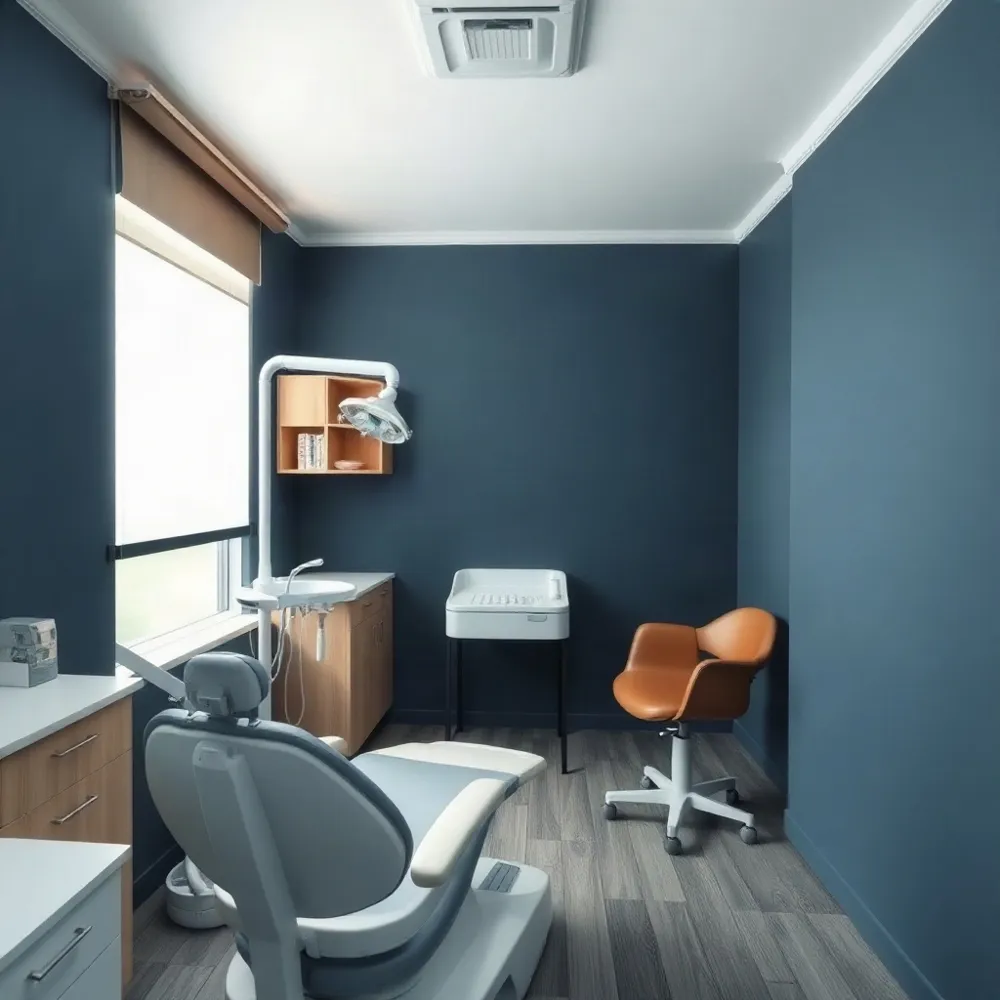 Dry mouth, also called xerostomia, is the feeling that your mouth does not have enough moisture. The sensation does not always mean saliva is absent or objectively low: someone can feel dry while saliva is still present. A dentist can assess oral tissues and help determine whether reduced saliva or another factor is involved. Learn more about dry mouth and its causes.
Common signs include a sticky or dry feeling, difficulty chewing, swallowing or speaking, changes in taste, cracked lips, and bad breath. Persistent dryness matters because reduced saliva can raise the risk of cavities and other oral problems.
Dehydration, stress or nervousness, tobacco use, and breathing through the mouth can contribute. Medicines are another frequent cause, including some antihistamines, decongestants, antidepressants, pain medicines, blood-pressure drugs, and diuretics. Dryness may be more noticeable at night, when saliva flow naturally decreases and mouth breathing may occur. If symptoms start suddenly, consider recent changes in hydration, medication, or breathing, and discuss possible causes with a healthcare professional.
Ongoing dry mouth can also be associated with conditions such as diabetes or Sjögren’s syndrome. It is not an inevitable part of aging, and dry mouth alone does not establish a nutrient deficiency or identify its cause. A family dental team, such as the practice led by Dr. Anthony P. Parrella in Somerville, can assess oral effects as part of personalized dental care.
Do not stop or change a prescribed medicine on your own. Ask the prescriber whether it could be contributing and whether any adjustment is appropriate; a dentist or healthcare professional can help evaluate persistent symptoms.
How Saliva Helps Protect Teeth
Saliva does more than keep the mouth comfortable. It moistens oral tissues, helps break down food, and makes chewing and swallowing easier. It also helps food’s flavors reach taste buds, supporting the sense of taste. The National Institute of Dental and Craniofacial Research explains saliva’s roles in oral health.
Saliva also provides ongoing protection for teeth. It washes away food particles, helps control harmful microbes, and neutralizes acids made by bacteria. Calcium and phosphate in saliva help replace minerals lost from enamel, supporting the tooth’s natural repair process.
When saliva flow is reduced, these defenses weaken, so decay risk can rise. Some people may also experience gum problems, oral infections, or discomfort, though these effects do not occur in everyone with dry mouth. At drparrella.com, the family-run Somerville practice emphasizes personalized, preventive care, including attention to individual oral-health risks.
Reducing Cavity Risk With Daily Care
 Yes, dry mouth can raise cavity risk. With less saliva to clear food and balance acids, teeth lose some of their natural protection against decay, as the National Institute of Dental and Craniofacial Research explains. Water can ease dryness, but it does not replace saliva’s protective effects.
Brush twice daily with fluoride toothpaste and clean between your teeth every day. Ask your dentist whether prescription-strength fluoride toothpaste, a rinse or gel, or in-office fluoride would suit your needs. At drparrella.com, preventive care is part of the practice’s comprehensive dental approach, with recommendations tailored to each patient.
Sip water regularly, and try to limit frequent sugary or acidic foods and drinks, which can add to cavity risk. Sugar-free gum or candy may stimulate saliva if your glands still produce some, but it is not a substitute for fluoride and daily cleaning. Mayo Clinic’s dry-mouth guidance also recommends discussing persistent symptoms with a healthcare professional.
Regular dental examinations and cleanings give your dentist a chance to spot early decay, gum problems, or other changes and suggest preventive steps. If dryness continues, tell your dentist or healthcare provider so they can help assess possible causes and management options.
Practical Ways to Ease Dryness
Small comfort measures can make eating and speaking easier, even though they do not replace saliva’s protective role. Take frequent small sips of water, let ice chips melt in your mouth, and sip water or a sugarless drink with meals. Water can ease the dry sensation, but it does not provide saliva’s full benefits for teeth.
Sugar-free gum or lozenges may encourage saliva flow if your glands can still produce saliva. Dry-mouth gels, sprays, rinses, and saliva substitutes can also provide temporary relief when used according to product directions. The National Institute of Dental and Craniofacial Research’s self-care guidance includes sugarless gum and water as ways to ease symptoms.
At night, a humidifier may help, especially if you breathe through your mouth while sleeping. Keeping water nearby can be useful, too. If you suspect mouth breathing or dryness continues, talk with your dentist or doctor about other options.
Getting Help From Your Dental Team
 If dryness persists, keeps returning, or makes it hard to eat, swallow, speak, or taste, arrange a dental or medical evaluation. Dry mouth can have several causes, so describing when it happens and any other symptoms can help guide the next steps.
A dentist will ask about your symptoms, medical and dental history, and medicines, then examine your mouth for reduced moisture, cavities, gum problems, sores, or signs of infection. If appropriate, the clinician may measure saliva flow or recommend further testing. The NIDCR overview of dry mouth describes how a health professional may review medicines and medical history and assess saliva production.
Treatment depends on the cause and aims to ease discomfort while lowering the risk of oral problems. A plan may include fluoride protection, saliva substitutes or dry-mouth rinses, and sugar-free gum or lozenges. In some cases, a clinician may consider prescription medicine to stimulate saliva. At drparrella.com, a dental evaluation includes discussion of symptoms and health history alongside an examination of oral health, helping patients understand their options.
Bring a complete medication list, including over-the-counter products, and mention any related health changes. If a medicine may be contributing, ask its prescriber whether an alternative or dose adjustment is appropriate. Do not stop or change a prescribed medicine on your own.
Ongoing soreness, noticeable changes in the mouth, or other symptoms worth mentioning are good reasons to seek advice. Early evaluation can help identify possible causes and address dental risks before they worsen. A dental team can work with your healthcare provider when further assessment is needed.
Protecting Your Smile Starts With Attention
Saliva is a natural defense against tooth decay, so lasting dry mouth deserves attention, even when the discomfort seems manageable. Reduced saliva can leave teeth more vulnerable to decay and the mouth more prone to infection, as the National Institute of Dental and Craniofacial Research explains.
Keep brushing with fluoride toothpaste and cleaning between your teeth each day, and maintain regular dental visits. At a family-focused practice such as drparrella.com, those visits can include personalized preventive care. If dryness persists, ask your dentist or healthcare professional about possible causes and ways to protect your oral health.