A Preventive Visit, Step by Step
Daily brushing and flossing help control plaque, but they may not remove all buildup from between teeth or along the gumline. During a professional cleaning, a dental hygienist or dentist removes plaque and hardened tartar from these areas, supporting healthier teeth and gums. The visit adds to home care, rather than replacing it. Cleveland Clinic explains what a dental cleaning involves.
A routine cleaning is generally straightforward. The dental professional typically scales the teeth to remove deposits, then polishes them. You may hear scraping sounds, which are normal; tell the team if you feel discomfort or need a pause. Asking the team to explain each step can make the appointment feel more predictable. At Dr. Parrella’s family-run Somerville practice, care is personalized, with clear communication suited to patients and families.
What Happens During a Routine Cleaning
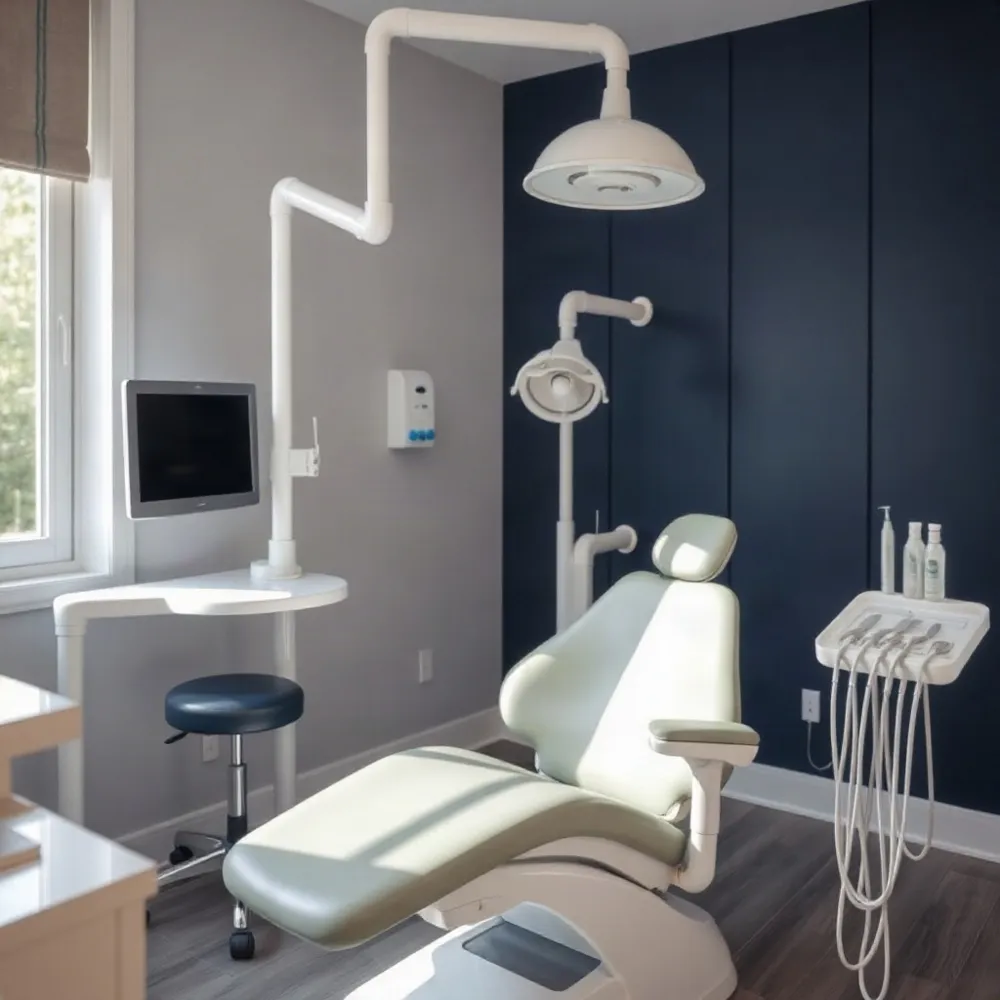 A routine cleaning usually begins with a hygienist examining your teeth and gums, often with a small mirror. This check helps the dental team notice areas that may need attention before cleaning starts. At drparrella.com, preventive visits are part of the practice’s personalized, comprehensive care for local families.
Next, the hygienist removes plaque and hardened tartar from tooth surfaces and around the gumline. Hand instruments or an ultrasonic scaler may be used, depending on your needs. Scraping sounds are normal, and scaling generally should not hurt. Tell the hygienist if you feel pain or need a pause so they can respond and help you stay comfortable. The Cleveland Clinic’s guide to dental cleanings explains the usual scaling and polishing steps.
After scaling, the hygienist may polish your teeth with a soft rubber cup and special toothpaste to remove remaining material and leave tooth surfaces smooth. Professional flossing and a rinse may follow. These steps can also help the hygienist notice places where gums bleed or where home-care guidance may be useful.
The dentist may check for other oral-health concerns and recommend X-rays if they would help assess an area that is not visible during the examination. Fluoride or sealants may also be discussed based on your needs. These options are not automatically required at every cleaning. The team at drparrella.com can explain what is being recommended and why.
Most routine cleanings take about 30 to 60 minutes, though the amount of buildup, an examination, X-rays, or other care can affect timing. More involved cleanings may take longer, and the dental team can give you an estimate based on your visit.
Comfort and Preparing for Your Visit
 A routine cleaning generally should not hurt, though you may notice pressure, vibration, scraping sounds, or brief sensitivity as plaque and tartar are removed. These sensations are common parts of the process, and Cleveland Clinic’s overview of dental cleanings explains what patients may experience.
Inflamed or sore gums, sensitive teeth, or heavier tartar buildup can make a cleaning feel less comfortable. Tell your hygienist if you feel pain or need a pause. At drparrella.com, care is provided by a family-run Somerville practice, where sharing concerns helps the team understand your needs and discuss ways to make the visit feel calmer.
Before your appointment, brush and floss as you normally would if you can. There is no need to scrub harder than usual or try to remove hardened tartar at home; dental professionals use specialized instruments for that. Let the team know about recent health or medication changes, tooth sensitivity, or dental anxiety, and follow any office-specific instructions.
Choosing the Right Cleaning Schedule
Many dentists recommend a professional cleaning every six months, but that interval is a starting point, not a rule for everyone. The right schedule depends on your teeth, gums, medical history, and other personal factors. Discuss timing with your dentist, who can adjust the plan as your needs change. The Cleveland Clinic’s cleaning guidance also notes that some people may need more frequent visits.
More frequent cleanings may be appropriate for people with gum disease, a family history of cavities, a weakened immune system, or periods of illness or stress. At drparrella.com, preventive care is part of a personalized approach to dental health, so your schedule can be discussed in light of your individual needs.
Professional cleanings remove plaque and hardened tartar from places brushing and flossing may not fully reach. They can help lower the risk of cavities and gum disease, reduce germs associated with bad breath, and give the dental team a chance to notice concerns early. Learn more about how regular cleanings support prevention.
Cleanings complement, rather than replace, daily brushing and flossing. Some people notice temporary tooth sensitivity or sore gums afterward; these effects usually settle within a few days. If discomfort persists or you have questions about symptoms, contact your dental team rather than waiting for your next scheduled visit.
When Gum Disease Needs Deeper Care
Routine prophylaxis is a preventive cleaning for people with generally healthy teeth and gums. If a long gap between visits or substantial plaque buildup makes a routine examination difficult, a dentist may first recommend gross debridement to remove the deposits.
When gum disease requires treatment below the gumline, scaling and root planing reaches around the tooth roots as well as beneath the gums. The gums are numbed beforehand. Unlike a routine cleaning, this is a more involved procedure and may take longer; the dentist can explain what the treatment will involve for your specific needs. Cleveland Clinic’s overview of dental cleanings describes the different cleaning types.
Temporary gum soreness or tooth sensitivity can follow dental treatment. Ask your dentist why a deeper cleaning is recommended, what areas it will treat, how many visits may be needed, and what to expect afterward. At drparrella.com, care is part of a personalized, comprehensive approach, so discussing your concerns and the proposed plan can help you make an informed decision.
A recommendation for deeper care should be grounded in an assessment of your gums and oral health, not simply the fact that you have missed a cleaning. If the explanation or next steps are unclear, ask the dental team to walk you through them before treatment begins.
Care Between Visits and After Cleaning
What should you do or avoid after a professional teeth cleaning?
After a cleaning, continue your usual home-care routine, using a gentle touch if your teeth or gums feel tender. Mild sensitivity or sore gums can happen and usually settles within a few days. Follow any instructions from your dental team, especially if you received fluoride or other care. At drparrella.com, preventive care is part of a personalized approach to comprehensive dental care, so ask the team if you are unsure what to do after your visit. Cleveland Clinic’s guidance on dental cleanings also notes that temporary sensitivity or soreness can occur.
What daily steps help keep teeth clean between professional dental visits?
Brush twice a day with fluoride toothpaste and clean between your teeth regularly. These habits help limit new plaque, but they cannot remove hardened tartar, which needs professional removal. For practical suggestions that support care between appointments, see daily habits for healthy gums.
Do not wait for your next routine visit if you notice bleeding or swollen gums, loose teeth, or a toothache. Contact a dentist for guidance, and get in touch if discomfort after cleaning persists or worries you. The team at drparrella.com can help assess concerns and explain appropriate next steps.
Understanding Cleaning Costs
 How much does a professional teeth cleaning cost, and what affects the price? As a general estimate, a routine cleaning in the United States without insurance may cost about $75 to $200. This is not a guaranteed fee: prices vary by practice and location, and what you pay depends on your individual insurance plan.
The total may also change if your visit includes an examination or X-rays. A deep cleaning to treat gum disease is a different, more involved service than a routine preventive cleaning, so its cost may differ. The dental team can explain which care is recommended and why.
At drparrella.com, patients can ask the office for an estimate based on the care they need and their insurance coverage. If you are comparing costs, confirm what the quoted fee includes and check your plan for coverage and out-of-pocket details. For background on the factors that can affect cleaning fees, see this guide to understanding cleaning costs.
Make Preventive Care Personal
Knowing what to expect can make a cleaning visit feel more manageable. Tell the dental team about sensitivity, anxiety, or other concerns, and ask questions whenever a step is unclear. At drparrella.com, care is part of a family-run Somerville practice focused on personalized attention and clear communication.
Your ideal cleaning schedule depends on your oral health and personal circumstances, so ask your dentist how often to return rather than assuming one interval fits everyone. Cleveland Clinic’s dental cleaning guidance notes that cleaning frequency can vary by individual need. Mention symptoms such as bleeding or swollen gums, loose teeth, or tooth pain, and clarify any recommended follow-up care.