Your Daily Dental Tool Matters
Selecting a toothbrush may seem simple, but the right choice directly affects plaque removal and gum health. With so many options on the shelf, knowing what to look for helps you make a confident decision.
This guide covers bristle types, head sizes, manual versus electric options, and special needs—delivering clear, personalized guidance you can trust.
Start With the Bristles: Soft Is the Standard
 The American Dental Association (ADA) and most dental professionals recommend using a soft-bristled toothbrush for daily brushing. Soft bristles are designed to remove plaque effectively while being gentle on the gums and enamel. The ADA notes that soft bristles minimize the risk of gingival abrasion, making them the safest choice for most patients.
Medium and hard bristles may feel like they clean more thoroughly, but they often cause damage over time. Research shows they can lead to gum recession, enamel erosion, and increased tooth sensitivity, which is why many dentists advise against using them unless specifically directed for a particular condition.
For those with very sensitive teeth or gum conditions, extra-soft bristle options are available. These provide an even gentler clean while still removing plaque effectively. Brushing technique matters more than bristle firmness — using a gentle circular motion at a 45-degree angle to the gumline for the full two minutes ensures a thorough clean without causing harm. Choosing the right bristle type and using proper technique is essential to maintaining healthy teeth and gums.
Head Size and Handle: The Right Fit for Your Mouth
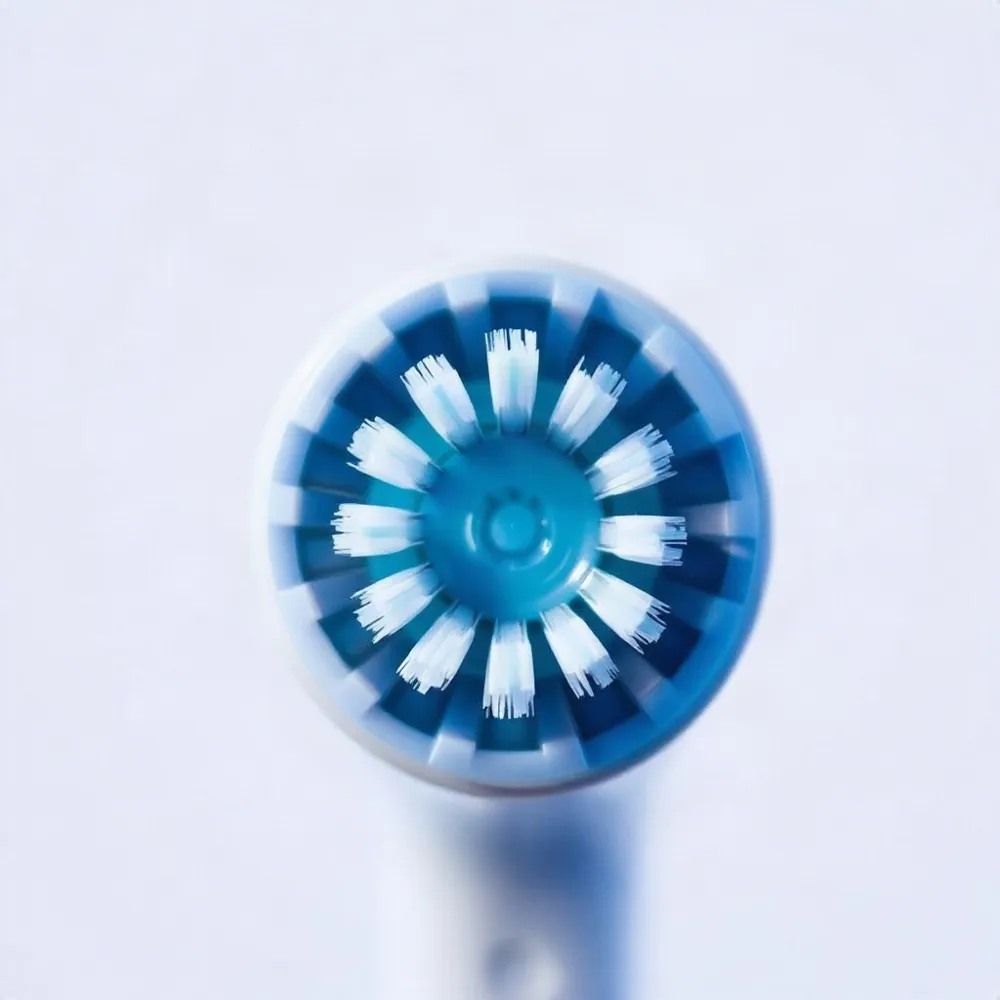 A toothbrush head that is too large can make it difficult to reach the back molars and clean along the gumline. Dental professionals consistently advise that the brush head should comfortably access all areas of the mouth. Choosing a smaller head often provides better maneuverability, especially for tight spaces and the rear teeth.
Compact brush heads are the best choice for children and adults with smaller mouths. A head that feels comfortable and reaches every surface without straining encourages more thorough brushing. Larger heads may seem efficient, but they frequently miss hard-to-reach spots, leaving plaque behind.
Handle design directly affects brushing control and consistency. An ergonomic handle with a non-slip grip helps maintain a gentle hold, reducing the risk of brushing too hard. This is especially beneficial for seniors, individuals with arthritis, or anyone with limited dexterity, as it makes the brush easier to maneuver.
Many toothbrushes include extra features such as angled bristles, polishing cups, gum stimulators, or tongue cleaners. While these can be nice additions, they are not essential for effective cleaning. What matters most are soft bristles, proper brushing technique, and brushing twice daily for two minutes with fluoride toothpaste.
Manual vs. Electric: Which Cleans Better?
 Both manual and electric toothbrushes can remove plaque effectively when used with proper technique. The choice between them often comes down to personal preference, cost, and which model you will use consistently twice a day with fluoride toothpaste.
According to the American Dental Association, using an electric toothbrush for three months can reduce plaque by 21% and risk of gingivitis by 11%, primarily because the powered motion helps users improve their brushing habits. A University of Iowa study also notes that when proper technique is used, a manual brush can be just as effective.
Electric brushes offer features that guide better cleaning. A built-in two-minute timer helps you brush the full duration, and pressure sensors alert you if you are brushing too hard, which protects gums. These tools are especially helpful for children, seniors, or anyone with limited dexterity.
Manual brushes remain a reliable, affordable choice. They are lightweight, travel-friendly, and effective when you use gentle circular motions at a 45-degree angle to the gumline. Whichever type you select, soft bristles are the standard to avoid gum damage.
At drparrella.com, we help patients choose a toothbrush that fits their lifestyle and oral health needs. Whether you prefer the simplicity of a manual brush or the guided help of an electric model, the most important factor is brushing twice daily for two minutes with proper technique.
When to Consider an Electric Toothbrush
Electric toothbrushes are not essential for everyone, but they offer distinct advantages for specific situations. The ADA notes that powered brushes are especially helpful for people with limited dexterity — including the elderly, those with disabilities, and children — as well as individuals with braces or a habit of brushing too hard. The oscillating or vibrating motion does much of the physical work, and many models include features that address these exact needs.
Timers. A built-in two-minute timer with 30-second quadrant alerts helps ensure you brush long enough and cover every area of your mouth. Studies show that without a timer, people brush for an average of only 46 seconds, but with one they are far more likely to hit the full two minutes.
Pressure sensors. These sensors alert you when you are brushing too hard, which is a common cause of gum recession and enamel wear. Models like the Oral-B Pro 1000 and Philips Sonicare 4100 include this feature, helping protect sensitive gums.
Multiple modes. Settings such as "sensitive," "whitening," or "gum care" adjust brush speed and intensity, allowing you to tailor cleaning to your comfort level and oral health goals.
Top-rated models from Wirecutter and GearLab include the Oral-B Pro 1000 and the Philips Sonicare 4100, both offering proven cleaning performance and durable builds. Higher-end options such as the Oral-B iO Series add interactive displays and app connectivity, though these advanced features are not necessary for most people.
Electric toothbrushes do come with downsides. They are significantly more expensive than manual brushes, both upfront (typically $40-$50 for a basic model) and over time, as replacement brush heads cost about the same as a new manual toothbrush and should be swapped every three months. They also require charging or batteries, and some have bulkier heads that may not reach back molars as easily. For patients who prefer a simpler, more affordable routine, a manual toothbrush used with proper technique remains highly effective. Discussing your specific needs with a dental professional at drparrella.com can help you decide which option fits your lifestyle.
The ADA Seal and Other Quality Markers
When browsing toothbrushes, you may see the ADA Seal of Acceptance on some packages. This seal means the manufacturer submitted scientific evidence proving the product is safe and effective for its intended use, verified through independent testing by the American Dental Association. For a manual brush, this includes checks that bristles are free of sharp edges and the handle is durable. For electric models, the seal also requires passing electrical safety tests and a clinical study showing no harm to oral tissues or restorations.
The seal is a reliable shortcut, but many well-known brands and effective toothbrushes do not carry it. The application process is costly, so some trusted manufacturers skip it. You can still make a good choice without the seal by focusing on what matters: soft bristles, rounded or polished bristle tips, and a handle that feels secure and easy to control. A toothbrush with soft bristles minimizes the risk of gingival abrasion, as the ADA notes, regardless of whether it carries the official seal.
For electric toothbrushes, features like a built-in two-minute timer, 30-second quadrant pacing, and a pressure sensor are useful additions. As the New York Times Wirecutter points out, studies show that without a timer people brush for an average of only 46 seconds. A reliable electric brush with the ADA seal, such as many from Oral-B or Philips Sonicare, will have passed the same safety and clinical standards. At your next visit, you can also ask the team at drparrella.com for a personalized recommendation based on your specific oral health needs.
A Step-by-Step Guide to Making Your Choice
If you are feeling overwhelmed by the options, follow these six simple steps to narrow down your choices. Each step addresses a specific feature, so you can build your decision from the ground up.
- Decide manual or electric based on your preference and needs. Both are effective, but electric brushes with built-in timers can help you brush for the full two minutes—studies show people brush for only 46 seconds without one.
- Look for the ADA Seal of Acceptance. Products with this seal have been independently tested for safety and effectiveness.
- Choose soft bristles. The ADA and most dentists recommend soft bristles for gentle yet effective plaque removal. Medium and hard bristles can damage enamel and gums.
- Select a head size that fits your mouth. A compact head reaches back molars and tight spots more easily than a larger one.
- Pick a handle with features you need—an angled design, non-slip grip, or flexible neck can make brushing more comfortable and easier to control.
- Pick a color you like (this one is purely personal).
No matter which toothbrush you choose, the foundation of good oral health remains the same: brush for two minutes twice a day with fluoride toothpaste. The University of Iowa College of Dentistry notes that when using proper technique, a manual toothbrush can be just as effective as an electric one.
Some people find the "3-3-3 rule" helpful as an extra reminder: brush three times a day for three minutes, or wait three minutes after eating before brushing. This simple guideline can support a thorough routine, but the core recommendation from the ADA remains brushing twice daily for two minutes.
Remember to replace your toothbrush (or brush head) every three to four months, or sooner if the bristles become frayed or after you have been sick. A worn brush simply does not clean as well.
At our family practice in Somerville, we are here to help you and your loved ones find the tools that make daily oral care comfortable and effective. Whether you stop by for a checkup or call with a question, we can offer personalized recommendations based on your specific needs.
Your Smile, Your Choice
Choose a soft-bristled toothbrush with a head that fits comfortably in your mouth, then decide between manual and electric based on your needs. Technique matters most: angle bristles toward the gumline, use gentle pressure, and brush for a full two minutes.
Dr. Parrella and the Somerville team are here to help you find the right toothbrush and refine your brushing routine. A visit to drparrella.com is a great first step toward personalized advice that keeps your smile healthy for years to come.