
Beyond the Polish: The Hygienist’s True Calling
The phrase "teeth cleaning" barely scratches the surface of what a dental hygienist does. Modern hygienists are trained clinicians who assess your risk for gum disease, screen for oral cancer, and spot early signs of systemic conditions like diabetes. This article explores their expanded role and why regular hygiene visits matter far beyond a polished smile.
Clinician, Educator, Advocate: The Many Hats of an RDH
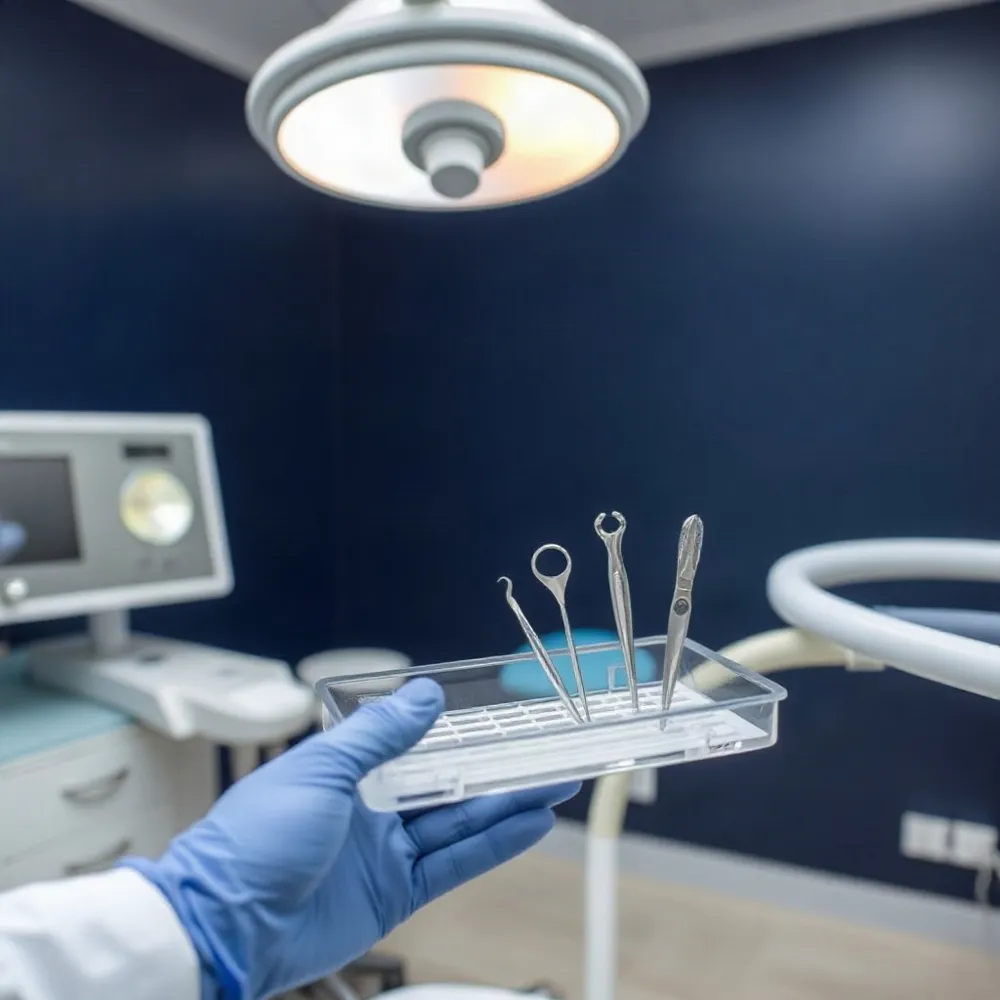 A dental hygienist wears several professional hats during a single appointment. Understanding these roles helps explain why regular hygiene visits are about far more than just a polish.
Clinician. As a clinician, a dental hygienist provides hands-on care — scaling and root planing, oral cancer screenings, applying fluoride and sealants, and taking X-rays to detect hidden decay or bone loss. These skills directly prevent cavities and gum disease.
Educator. As an educator, the hygienist teaches patients the connection between oral health and conditions like diabetes or heart disease. Clear instruction on brushing and flossing techniques, tailored to each patient's mouth, helps turn knowledge into daily habit.
Advocate. The advocate role involves promoting the patient's health beyond the dental chair. A hygienist may refer someone to a physician for a blood pressure or blood sugar concern, or encourage preventive visits for patients preparing for procedures such as joint replacement.
Researcher. As a researcher, the hygienist stays current with evidence on the oral-systemic link and incorporates advances like laser therapy or biofilm management into clinical practice.
Administrator. The administrator handles patient records, updates medical histories, coordinates with the dentist on recall intervals, and ensures the practice runs efficiently.
At Dr. Parrella's practice in Somerville, these five roles work together seamlessly. The hygienist's clinical skill, educational guidance, and advocacy build a personalized prevention plan that reduces the need for future restorative work.
The educator role deserves special attention. By explaining how gum inflammation can affect blood sugar control or cardiovascular health, the hygienist helps patients see their oral care as part of their overall well-being. This understanding often motivates lasting behavior change, from better brushing habits to more consistent visits.
From Prophylaxis to Deep Clean: Types of Dental Cleanings
 A routine visit to the dental hygienist is not a single, one-size-fits-all service. Depending on the condition of your gums, the amount of buildup present, and your history of gum disease, the hygienist will recommend one of four distinct cleaning types: prophylaxis, scaling and root planing, periodontal maintenance, or gross debridement. Understanding the difference helps you know what to expect and why it is chosen for you.
Prophylaxis. This is the standard "routine cleaning" for patients with healthy gums and minimal buildup. The hygienist removes plaque and calculus from above the gumline using hand scalers or an ultrasonic scaler, polishes the teeth, and may apply fluoride. It is typically recommended every six months.
Scaling and root planing. A deep cleaning that treats active gum disease. The hygienist cleans below the gumline, removing bacteria and plaque from the pockets around the tooth and smoothing the root surfaces so that bacteria cannot reattach. This procedure may be done in one or two visits and often requires local anesthesia for comfort.
Periodontal maintenance. A specialized follow-up cleaning for patients who have already been treated for gum disease. Performed every three to four months, it involves monitoring gum pockets and deeper scaling to keep the condition under control. This is not the same as a standard prophylaxis.
Gross debridement. A thorough cleaning designed for patients who have not had a cleaning in a long period and have heavy calculus buildup that prevents an exam. It clears away the large deposits so the dentist can then accurately assess the mouth and decide if further treatment, such as scaling and root planing, is needed.
How the Hygienist Decides Which Cleaning You Need
The type of cleaning is not chosen at random. At the start of your visit, the hygienist reviews your medical and dental history, checks for changes in medications or systemic conditions, and examines your gums. By measuring the depth of the pockets around each tooth and assessing bleeding or inflammation, the hygienist can determine if gum disease is present and how advanced it is. Based on those findings, the hygienist recommends the appropriate cleaning — and at a practice like drparrella.com, that recommendation is paired with a tailored home-care plan to help you stay on track between visits.
Each of these cleaning types falls under preventive dental services, which most insurance plans cover at high rates because they prevent costly and invasive treatments down the road. Routine prophylaxis, periodontal maintenance, and the initial scaling and root planing all qualify as preventive care when recommended by your provider.
| Cleaning type | Who needs it | Frequency |
|---|---|---|
| Prophylaxis | Patients with generally healthy gums and little to no pocket depth | Every 6 months |
| Scaling and root planing | Patients with active periodontitis or deep gum pockets above 4 mm | One or two sessions; then periodontal maintenance |
| Periodontal maintenance | Patients with a history of gum disease after SRP treatment | Every 3-4 months |
| Gross debridement | Patients with heavy calculus who have not seen a dentist in years | Once, as a first step before complete exam |
Oral Health, Whole-Body Health: The Systemic Link
 The mouth is not an isolated part of the body. Research has shown that periodontitis, a severe form of gum disease, is linked to systemic inflammation that can contribute to conditions such as cardiovascular disease, diabetes, adverse pregnancy outcomes, and respiratory infections.
Dental hygienists are often the first to spot oral signs that may indicate broader health problems. During a routine visit, they assess gum health, measure periodontal pockets, and look for inflammation that could signal undiagnosed diabetes or other systemic issues. This early detection can lead to timely referrals and better outcomes.
Interprofessional collaboration is a growing part of the hygienist’s role. In a complete healthcare setting, hygienists communicate with physicians about patients showing signs of conditions like diabetes, where severe periodontitis is often linked to poor glycemic control. This teamwork helps create a more holistic approach to patient health.
The economic impact of preventive care is notable. Patients who receive regular periodontal care tend to have lower healthcare costs related to diabetes and cardiovascular disease management. By preventing the progression of oral disease, dental hygienists reduce the need for expensive treatments and hospitalizations.
What It Takes to Become a Registered Dental Hygienist
Becoming a dental hygienist requires a specific combination of formal education, clinical training, and state licensure. Most aspiring hygienists earn an associate's degree in dental hygiene from a program accredited by the Commission on Dental Accreditation (CODA). These two- to three-year programs blend classroom instruction in subjects like anatomy and periodontics with hands-on clinical practice.
After completing an accredited program, candidates must pass the National Board Dental Hygiene Examination (NB DHE), a written comprehensive exam, followed by a state-specific clinical licensing test. All states also require licensure through the state board of dentistry. For hygienists interested in teaching, research, or public health roles, a bachelor's or master's degree in dental hygiene opens additional career paths.
Daily Work Environment and Physical Demands
Most dental hygienists work in private dental offices, though some serve in community health clinics, nursing homes, schools, or hospitals. The role is physically demanding: hygienists spend most of their day on their feet, often leaning over patients in a small workspace. They wear protective gear including masks, gloves, safety glasses, and sometimes face shields. The environment involves exposure to dental equipment noise, potential contaminants, and radiation from X-rays.
Many hygienists enjoy flexible schedules with part-time, evening, or weekend hours. The field offers stable employment with strong demand. At the practice of Dr. Parrella in Somerville, MA, the focus is on a comfortable, non-judgmental environment where hygienists work closely with patients one-on-one during each visit.
Salary Comparison: RDH vs. RN
According to 2024 Bureau of Labor Statistics data, registered nurses (RNs) earn a slightly higher average annual salary of $98,430 compared to dental hygienists (RDHs) who earn an average of $93,890. However, top-earning hygienists in the 90th percentile make $120,060 or more, while top-earning RNs earn $135,320. Salaries vary significantly by state, with California offering the highest wages for both careers. Hygienists often benefit from more predictable schedules and less emotional stress, as they typically see one patient per hour in structured office settings. Both professions offer competitive pay and strong job growth, making the choice largely a matter of personal preference for work environment and daily responsibilities.
Common Questions About Treatments and Anesthesia
Patients often wonder what their dental hygienist can and cannot do during an appointment. Knowing the scope of a hygienist's role helps you understand the care you receive and what to expect.
Can Dental Hygienists Administer Injections?
In many U.S. states, registered dental hygienists are authorized to administer local anesthesia (numbing injections) after completing additional training and certification. This allows them to ensure you remain comfortable during procedures like scaling and root planing. However, the rules for other types of injections, such as Botox or dermal fillers, vary by state, with only a few states explicitly permitting these under direct dentist supervision. Some hygienists are also trained to administer nitrous oxide (laughing gas). At drparrella.com, the hygienist coordinates with the dentist to ensure any needed anesthesia is provided safely and within Massachusetts regulations.
Do They Perform Fillings?
Generally, dental hygienists do not place permanent fillings; that procedure is performed by the dentist. However, in some states with expanded function permits, hygienists may place temporary fillings or assist the dentist during restorative work. Their primary focus remains preventive care and periodontal therapy. For most routine fillings, you will need to see your dentist for a separate appointment. The hygienist's role is to support long-term oral health through cleanings, screenings, and education.
The 3-3-3 Rule for Oral Hygiene
The 3-3-3 rule is a simple guideline to help maintain consistent daily care between visits. It means brushing your teeth three times a day, for at least three minutes each time, and within 30 minutes after eating. This routine helps remove plaque and food particles effectively, reducing the risk of cavities and gum disease. Using a soft-bristle toothbrush and gentle circular motions cleans all surfaces. Following this habit supports healthier gums and a brighter smile.
Hygienist vs. Dentist vs. Dental Assistant
Each role in a dental practice serves a distinct purpose. The hygienist focuses on preventive care: cleanings, screenings, patient education, and periodontal therapy. The dentist diagnoses and treats complex conditions, such as cavities, using fillings, crowns, and root canals. The dental assistant supports the dentist during procedures, managing instruments and preparing patients. Understanding these roles helps you appreciate the team approach at a family practice like drparrella.com, where the hygienist is a cornerstone of preventive care.
Partner in Lifelong Prevention
The dental hygienist is a frontline preventive provider, not just someone who cleans your teeth. By spotting early signs of gum disease, oral cancer, and even systemic conditions like diabetes, a hygienist helps protect your overall health.
Through personalized education on brushing, flossing, and nutrition, your hygienist empowers you to take control of your oral health. At the Somerville practice of drparrella.com, every hygiene visit is an opportunity to build a prevention plan tailored to your needs.