Starting Your Journey to Optimal Dental Health
Importance of Preparing for Your First Dental Appointment
Preparing for your first dental appointment helps reduce anxiety and ensures a smooth visit. Bringing completed new patient forms, your dental insurance card, and a list of any medications or health concerns can save time and support personalized care. Scheduling your appointment when you or your child are well-rested and at ease also improves the experience.
Overview of the First Dental Visit Procedures and Experiences
Your initial dental visit typically begins with a friendly check-in process and a review of your medical and dental histories. Digital X-rays with minimal radiation may be taken to assess tooth and jaw health. A comprehensive exam follows, including an oral cancer screening, blood pressure check, and evaluation of teeth, gums, and bite.
Depending on your oral health, a cleaning might be scheduled for the same visit or a separate hygiene appointment for thorough cleaning, polishing, and fluoride treatment. The dentist and staff will discuss any findings, develop a personalized treatment plan, and answer your questions. Follow-up appointments will be arranged to maintain your dental health and prevent future problems.
Dental practices often offer financing options, accept insurance, and provide reminders via text or email to help you stay on track with your care. This compassionate, comprehensive approach helps build trust and supports your family’s ongoing oral health journey.
Before the Appointment: Gathering Essential Information and Managing Anxiety

How should a new patient prepare for their first dental appointment?
Preparing for your first dental appointment can help make the experience more comfortable and stress-free. Review your dental and medical history ahead of time and bring a list of any medications you are taking, along with any allergies. Arriving 10-15 minutes early gives you time to complete paperwork and relax before the appointment starts. If you experience anxiety, consider discussing your feelings with your dentist beforehand. It is also helpful to bring a friend or family member for support, especially if you are nervous.
What information should a patient prepare before a new patient appointment?
Gather detailed information about your health history, including surgeries, medical conditions, and current medications. A list of allergies—particularly to medications or dental materials—is important. Write down any dental concerns or questions you want to discuss. Bringing previous dental records or X-rays can aid your dentist in planning personalized care. Completing new patient forms in advance, often available on the dental practice's website, can save time on arrival.
How can patients relax and calm themselves before dental work?
Many patients find deep breathing exercises or mindfulness helpful to reduce anxiety. Communicating any fears to your dentist allows them to offer reassurance or sedation options if needed. Scheduling morning appointments when you feel more alert can help reduce stress. Bringing a trusted companion can provide emotional support and help distract you during the visit. For more tips on managing dental anxiety and ensuring a smooth visit, see trusted resources.
How early should a new patient arrive for their first appointment?
Plan to arrive at least 10-15 minutes before your scheduled time. This allows you to complete necessary paperwork and provide updated medical and dental histories. Early arrival also helps reduce stress by giving you time to settle in and ensures your appointment can start promptly, maximizing the time devoted to your care.
Tips for a smooth first dental visit:
- Bring your dental insurance card and previous records.
- Wear comfortable clothing accessible for exams.
- Prepare a list of questions or concerns.
- Communicate openly with the dental team about any anxieties.
By gathering essential information in advance and managing any dental anxiety, you can help make your first appointment a positive step toward long-term oral health.
What to Expect During Your First Dental Appointment

Comprehensive dental exam and health history review
During your Your First Dental Visit, the dentist will conduct a thorough examination that includes Reviewing Health History. This helps the dentist understand any medical conditions or medications that may impact your dental care.
Digital X-rays and oral cancer screening
Modern dental offices use Digital dental X-rays , which emit very low radiation, to identify cavities or other hidden problems. An Oral cancer screening during first visit is also performed as part of the exam to ensure early detection of any abnormalities.
Blood pressure measurement
A routine Blood Pressure Check at Dentist is often included to assess your general health in relation to dental treatments.
Assessment of teeth, gums, bite, and oral tissues
The dentist will carefully evaluate your teeth, gums, bite alignment, and other oral tissues to identify issues like gum disease, decay, or bite problems that may require attention.
Cleaning procedures and personalized treatment plan development
Depending on your oral health, a Dental Cleaning Expectations may be done during this visit to remove plaque and tartar. Following the examination, the dentist will develop a Personalized Treatment Plan tailored to your specific needs to maintain or improve your oral health.
Scheduling follow-ups and discussing payment options
Lastly, you’ll discuss Scheduling Dental Follow-ups, preventive care, and payment options. Many practices accept insurance and offer financing plans to make dental care accessible.
What should patients expect at their first dental appointment after many years?
Patients returning after a long gap can expect a comprehensive evaluation, including examination of teeth, gums, jaw, and bite with Dental X-rays during first visit. The appointment typically includes a Dental Cleaning Expectations to remove stubborn plaque and tartar. The dentist will look for early signs of issues such as cavities or gum disease and then create a Personalized Treatment Plan. Advice on oral hygiene and regular follow-ups will also be provided to maintain lasting dental health.
Understanding Treatment Plans and Financing Options
What is the purpose of a treatment plan in the dental office?
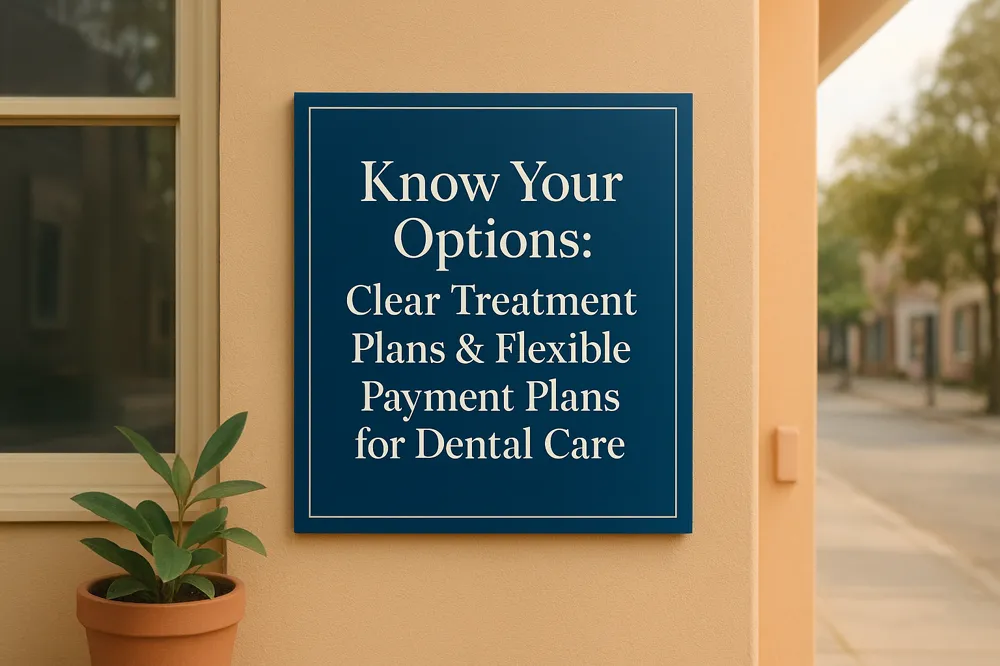
A dental treatment plan acts as a clear roadmap tailored to each patient’s unique oral health needs. It prioritizes necessary treatments by urgency and health impact, making sure urgent issues receive attention first. This plan details every recommended procedure, explaining the benefits, possible risks, and estimated costs. Such transparency allows patients to make well-informed decisions about their treatment journey. For more details, see Personalized dental treatment plan and Preparing for your new patient visit.
How are treatments prioritized and coordinated?
Dentists assess the patient’s overall oral condition to determine which treatments need immediate care and which can be scheduled later. Coordinating various procedures efficiently helps minimize visits while maximizing the effectiveness of care. The plan includes a timeline so treatments are organized logically and comfortably for the patient. Learn more about Scheduling follow-up dental appointments and Building relationships with dental patients.
What financing options are available?
Many dental practices are committed to making care affordable. Besides accepting dental insurance, they offer flexible financing options such as CareCredit financing for dental care, which allows patients to pay over time, and discount plans like Essential Dental Discount Plans to reduce costs. These options help patients access necessary care without undue financial burden.
Understanding your treatment plan and available payment paths empowers you to take control of your oral health with confidence and comfort. For additional guidance, review Preparing for the first dental appointment.
Maintaining Oral Health: The 2 2 2 Rule and Routine Check-Ups
What is the 2 2 2 rule in dentistry?
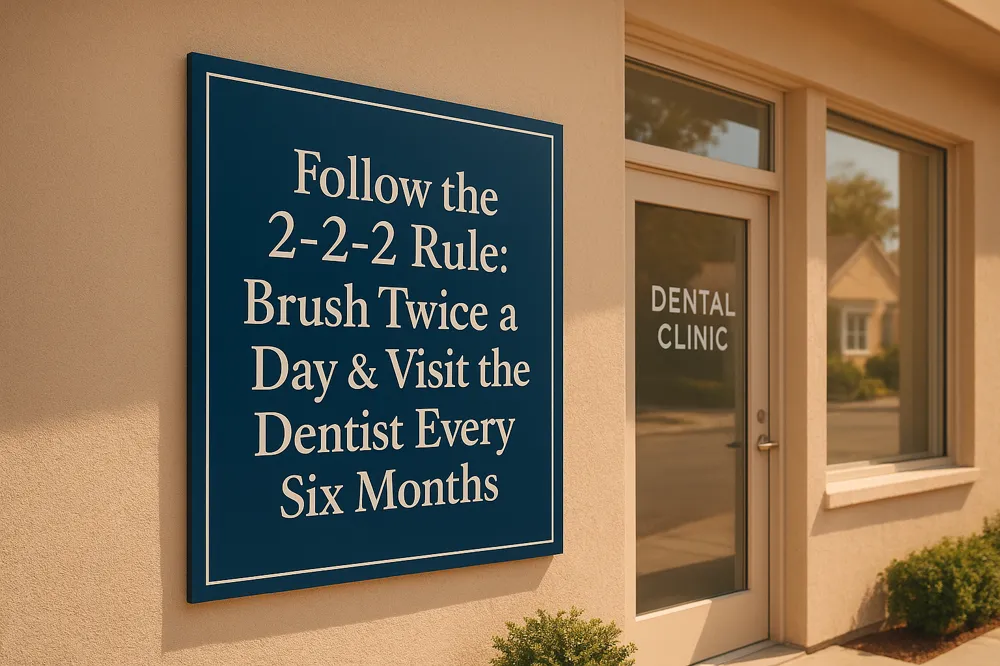
The 2 2 2 rule is a simple and effective guideline for maintaining good oral health. It means brushing your teeth twice a day, for two minutes each time, and visiting your dentist twice a year. This routine helps prevent dental problems and promotes a healthy smile. For more details on First dental appointment expectations and Routine Dental Care Every Six Months, you can visit these resources.
Why brush twice daily for two minutes?
Brushing twice a day ensures that plaque and food particles don't build up on your teeth. Spending two full minutes brushing allows you to thoroughly clean all tooth surfaces, reducing the risk of cavities and gum disease. Using proper technique and a fluoride toothpaste enhances protection. You can learn more about Oral hygiene habits review and Preventing tooth decay at home.
Why visit the dentist twice a year?
Regular dental checkups every six months allow your dentist to perform comprehensive exams, including screenings for cavities, gum disease, and oral cancer. Cleanings remove hardened plaque that brushing alone cannot eliminate. Early detection of issues through these visits can prevent complex treatments and maintain overall oral health. See Comprehensive Dental Exam and Dental Cleaning Expectations for more information.
How do routine cleanings and exams help?
Professional cleanings remove tartar buildup and polish your teeth. Exams assess the condition of your teeth, gums, and mouth tissues, catching potential problems early before they cause pain or extensive damage. These visits also provide an opportunity to update your Personalized dental treatment plan and discuss any concerns. For more on Discussing Dental Anxiety, check out the linked resources.
By following the 2 2 2 rule and scheduling consistent dental appointments, you create a strong foundation for lifelong oral health and confidence in your smile. For tips on First dental appointment guide and Maintaining Oral Health, visit these helpful links.
Special Considerations for Pediatric Dental Visits

Timing of a Child’s First Dental Visit (By Age One)
The American Academy of Pediatric Dentistry recommends that children have their First dental visit by 12 months or within six months after their first tooth erupts. Early visits help prevent common issues like Preventing baby bottle tooth decay and allow dentists to assess initial oral development.
What is the “Rule of 7” in Pediatrics Related to Dentistry?
The “Rule of 7” states that children should have a First dental visit by 12 months—the age when they typically lose all 20 primary teeth. This milestone visit is critical for monitoring development, catching cavities early, and reinforcing good oral hygiene practices.
Parental Preparation to Reduce Child Anxiety
Parents can prepare children by discussing dental visits positively, practicing good oral hygiene as a family, and explaining what to expect. Remaining calm during visits helps reduce child anxiety, as young patients often pick up on their parents' feelings. See more on Reducing dental anxiety for children and adults.
Education on Infant Feeding, Tooth Decay Prevention, and Oral Habits
Dentists educate families about preventing Preventing baby bottle tooth decay, proper feeding techniques, and habits like pacifier use or finger-sucking. Limiting sugary snacks and encouraging brushing until children are about 7 or 8 supports healthy oral development.
Importance of Regular Appointments and Home Care Guidance
Regular dental visits every six months help track dental milestones and maintain oral health. Dentists provide personalized advice for home care routines, ensuring children develop positive, lifelong habits for a healthy smile. Learn more about Routine Dental Care Every Six Months.
Starting Strong with Confidence and Care
Recap of Essential Preparation Tips
Preparing for your first dental visit sets the stage for a positive experience. Ensure to complete new patient forms in advance, bring your insurance card if applicable, and maintain a list of any medications and prior medical or dental records. Wearing comfortable clothes and arriving early helps reduce stress and allows ample time for check-in and initial assessments like blood pressure and oral screening.
Encouragement for Maintaining Routine Dental Care
Regular dental checkups every six months are vital to prevent cavities and gum disease, detect problems early, and keep your smile healthy. Follow-up visits and personalized care plans crafted by your dentist play an important role in ongoing oral health maintenance.
Invitation to Build a Trusted Relationship with Your Family Dental Provider
Establishing a trusting relationship with your family dental provider encourages open communication about your dental concerns and personalizes your care. Whether for you or your child, choosing a compassionate local dental practice ensures you receive comprehensive and supportive care tailored to your family's needs.